Author Archives: support

Heat’s Impact on Ageing Populations: Projections, Vulnerabilities, and Policy Implications in the Context of Climate Change

A Nature Communications paper suggests that up to 246 million older adults globally could face dangerous acute heat exposure by 2050, particularly in Asia and Africa. The study’s findings are crucial for informing regional heat risk assessments and public health decision-making. An interactive visualization dashboard illustrates current and projected demographic shifts and heat-related risks across countries worldwide.

The world’s population is rapidly ageing, with the number of people aged over 60 set to double to nearly 2.1 billion by 2050. This demographic shift is especially pronounced in lower- and middle-income countries, where extreme weather events driven by climate change pose significant risks. The vulnerability of older adults to increasingly frequent and intense heatwaves threatens their physical health, particularly as they are more susceptible to heat-related illnesses and exacerbated health conditions, highlighting the urgent need for climate adaptation planning and policy interventions.

While extensive research has explored the individual health impacts of extreme heat on older adults, less attention has been paid to population-level heat exposure. Giacomo Falchetta led a team of international researchers, including experts from the Euro-Mediterranean Center on Climate Change, Boston University, and the Ca’ Foscari University of Venice, who quantified chronic and acute heat exposures across different age groups globally.

“By 2050, over 23% of the global population aged over 69 could be living in climates where acute heat exposure exceeds the critical threshold of 37.5°C, compared to 14% in 2020,” commented Giacomo Falchetta, a researcher at CMCC and Ca’ Foscari University of Venice. The study also predicts an additional 177 to 246 million older adults may face dangerous acute heat exposure by mid-century. “Asia and Africa are expected to bear the brunt of these effects, with potentially the least capacity to adapt,” added Deborah Carr, Professor of Sociology at Boston University and co-author of the study.

The researchers underscored that regions experiencing an ageing population and increasing heat exposure will likely experience heightened demands for social and healthcare services. The projected increase in heat-related risks could potentially strain healthcare services, necessitating innovative policy interventions and a proactive approach to climate adaptation planning. These findings are critical for informing health assessments and climate adaptation planning in vulnerable regions across the globe.

More information: Giacomo Falchetta et al, Global projections of heat exposure of older adults, Nature Communications. DOI: 10.1038/s41467-024-47197-5

Journal information: Nature Communications Provided by CMCC Foundation
Essential Nutrients Linked to Slower Brain Aging: A Study

Scientists have long focused on understanding the brain to promote healthier ageing, yet preventing cognitive decline remains a challenging frontier. While risk factors for accelerated brain ageing are well-documented, strategies to mitigate cognitive decline through nutrition have been less explored until recent advancements. A pioneering study published in Nature Publishing Group Aging by researchers from the University of Nebraska–Lincoln’s Center for Brain, Biology and Behavior and the University of Illinois at Urbana-Champaign has illuminated how specific nutrients may profoundly influence brain health as individuals age.

Under the leadership of Aron Barbey, this study took a novel approach, fusing cutting-edge techniques from neuroscience and nutritional science. The team’s focus was on identifying a unique nutrient profile that could enhance cognitive performance. The study involved 100 cognitively healthy adults aged 65-75, who underwent a comprehensive range of assessments, including demographic data collection, physical measurements, and activity evaluations. Blood plasma, cognitive tests, and MRI scans were then analysed for nutrient biomarkers following a fasting period.

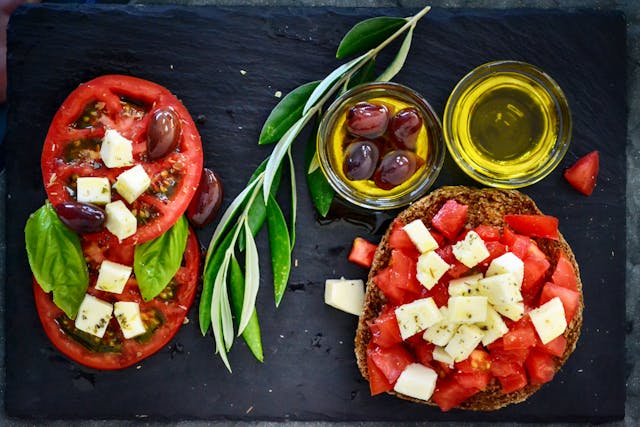
The findings revealed two distinct patterns of brain ageing: accelerated and slower-than-expected. Participants exhibiting slower brain ageing displayed a specific nutrient profile characterised by beneficial fatty acids (such as vaccenic and gondoic acids), antioxidants (like cis-lutein and zeaxanthin), vitamin E variants, and choline. These nutrients are notably prominent in the Mediterranean diet, which has previously shown associations with improved brain health.

Aron Barbey, the Mildred Francis Thompson Professor of Psychology, underscored the study’s significance in advancing nutritional research on brain ageing: “We investigated specific nutrient biomarkers known for their potential health benefits, aligning with extensive research on the Mediterranean Diet’s positive impacts. Our findings identify promising nutrient biomarker patterns linked to cognitive performance and brain health.”

Unlike previous studies reliant on food frequency questionnaires, susceptible to recall biases, this study stands out for its integration of brain imaging, blood biomarkers, and validated cognitive assessments. Barbey emphasised the study’s holistic approach, which moves beyond traditional cognitive tests to explore brain structure, function, and metabolism through diet and nutrition.

Looking ahead, the researchers are eager to delve deeper into the role of the identified nutrient profile in supporting healthy brain ageing. Barbey outlined plans for randomised controlled trials to isolate specific nutrients associated with cognitive function and brain health. These trials could potentially pave the way for targeted nutraceutical interventions, offering a hopeful future for brain health research.

Moreover, Barbey is co-editing a forthcoming unique collection for the Journal of Nutrition titled “Nutrition and the Brain — Exploring Pathways to Optimal Brain Health Through Nutrition,” inviting contributions that will further illuminate the nexus between nutrition and cognitive function.

This study represents a significant leap forward in our understanding of how nutrition influences cognitive performance and brain health as individuals age. By integrating sophisticated methodologies from neuroscience and nutritional science, the research identifies promising nutrient biomarker patterns and underscores the potential for targeted nutritional strategies to support healthy brain ageing. As research progresses, these insights hold promise for informing future interventions aimed at enhancing brain health and cognitive function through dietary approaches, highlighting the importance of our work in this field.

More information: Christopher E. Zwilling et al, Investigating nutrient biomarkers of healthy brain aging: a multimodal brain imaging study, European Journal of Nutrition. DOI: 10.1038/s41514-024-00150-8

Journal information: Nature Aging Provided by University of Nebraska–Lincoln

Housing Discrimination Linked to Gaps in Colon Cancer Care

A recent study conducted across 196 cities has shed light on the enduring impact of historical housing discrimination on colon cancer treatment. Led by S.M. Qasim Hussaini, M.D., from the University of Alabama at Birmingham, in collaboration with colleagues from the American Cancer Society and Johns Hopkins School of Public Health, the findings, published in the journal JCO Oncology Practice, reveal a concerning correlation between past discriminatory housing practices and present-day disparities in colon cancer care.

The study delves into the legacy of the Home Owners’ Loan Corporation (HOLC), a federally sponsored initiative in the 1930s that used racial criteria to determine mortgage loan eligibility. Areas with high Black, immigrant, or minority populations were designated as hazardous for lending, perpetuating systemic disinvestment and socioeconomic inequalities. This discriminatory mapping led to disparities in access to health-promoting resources such as green spaces and healthy foods, particularly in redlined neighbourhoods.

Hussaini and his team analysed data from the National Cancer Database, sourced from 149,917 newly diagnosed colon cancer patients between 2007 and 2017, to assess the impact of historical redlining on contemporary colon cancer care. By correlating patients’ residential locations with HOLC mapping areas, the researchers found that individuals residing in previously redlined areas (HOLC D) were more likely to face advanced-stage diagnosis, delayed treatment, and poorer survival outcomes.

The study highlights stark contrasts between residents of HOLC D areas and those in areas deemed more favourable for mortgage lending (HOLC A). Those in HOLC D areas were significantly more likely to be diagnosed with late-stage colon cancer and less likely to receive guideline-concordant care, including surgery, lymph node evaluation, and chemotherapy. Moreover, residents in HOLC D areas experienced longer wait times for adjuvant chemotherapy, which is crucial for preventing cancer recurrence.

Statistical models revealed a notable excess risk of death for colon cancer patients in HOLC C and HOLC D areas, even after adjusting for cancer stage at diagnosis. These findings underscore the pervasive impact of historical housing discrimination on present-day health outcomes, highlighting the urgent need for addressing systemic inequalities in access to quality cancer care.

This groundbreaking study expands our understanding of the intersection between institutional racism and healthcare disparities, providing valuable insights into the enduring effects of past discriminatory practices on contemporary health outcomes. By elucidating the link between historical redlining and disparities in colon cancer treatment, the research underscores the imperative of promoting health equity and addressing systemic injustices within healthcare systems.

The findings have significant implications for healthcare policy and practice, calling for targeted interventions to mitigate disparities in colon cancer care and improve outcomes for underserved communities. By acknowledging and addressing the legacy of housing discrimination, healthcare providers and policymakers can work towards creating more equitable and accessible healthcare systems, ensuring that all individuals receive the quality care they deserve, regardless of their residential history.

This study powerfully reminds us of the long-lasting impact of historical injustices on present-day health outcomes, emphasising the importance of addressing structural inequalities in healthcare to achieve health equity for all.

More information: S.M. Qasim Hussaini, et al, Association of Historical Housing Discrimination and Colon Cancer Treatment and Outcomes in the United States, JCO Oncology Practice. DOI: 10.1200/OP.23.00426

Journal information: JCO Oncology Practice Provided by The University of Alabama at Birmingham

Nutrient Overload Accelerates Aging in Animals

The accelerated ageing of populations underscores the urgency of comprehending the molecular mechanisms underlying ageing. The mTOR protein complex, a pivotal player in numerous bodily processes, particularly in metabolism, has garnered attention for its role in this context.

Recent research on animal models reveals a significant correlation between slight increases in mTOR activity and premature ageing, resulting in a potential reduction in lifespan by up to 20%. This finding sheds light on the connection between mTOR, metabolism, and the onset or exacerbation of ageing-related diseases, particularly in individuals with elevated body mass index, indicative of obesity and inflammation. Furthermore, it elucidates why calorie restriction, a dietary intervention linked to increased animal longevity, may promote healthy ageing by modulating genes that interact with mTOR.

Lead author Alejo Efeyan, from the Metabolism and Cell Signalling Group at the National Cancer Research Centre (CNIO), introduces a novel research tool to explore the interplay between nutrient levels and organ ageing. Published in Nature Aging, the study, with Ana Ortega-Molina as the first author, also involves researchers from various esteemed institutions.

The study unveils a mechanism by which mTOR activity is manipulated through a protein-based system that deceives mTOR regarding nutrient availability within cells. This manipulation triggers cellular dysfunction upon maturity in animals, leading to manifestations of ageing such as dermal thinning and organ damage, notably in the pancreas, liver, and kidneys. Immune responses intended for repair are overwhelmed, exacerbating inflammation and further compromising organ function.

By effectively blocking the immune response responsible for inflammation, researchers observed significant improvements in organ damage, pointing to promising therapeutic avenues for mitigating age-related health decline.

The study’s findings directly translate to human ageing, as evidenced by striking parallels observed in naturally ageing mice. Notably, lysosomal activity, crucial for cellular waste management, diminishes both in naturally aged animals and those with manipulated mTOR activity. This direct correlation underscores the practical relevance of mTOR modulation in the context of ageing and provides valuable insights into potential interventions to ameliorate age-related health decline in humans.

More information: Ana Ortega-Molina et al, A mild increase in nutrient signaling to mTORC1 in mice leads to parenchymal damage, myeloid inflammation and shortened lifespan, Nature Aging. DOI: 10.1038/s43587-024-00635-x

Journal information: Nature Aging Provided by Centro Nacional de Investigaciones Oncológicas – CNIO

Utilizing Videoconferencing to Encourage Physical Activity among Older Adults: Transforming Health Education into Practical Application

The ubiquity of videoconferencing software in businesses and educational institutions, catalysed by the COVID-19 pandemic, has unveiled its potential for broader applications. A research team led by Osaka Metropolitan University (OMU) has delved into harnessing this transformative technology to enhance the well-being of elderly residents in rural areas.

Under the guidance of OMU’s Associate Professor Kazuki Uemura from the Graduate School of Rehabilitation Science, a 12-week health education initiative was orchestrated via the videoconferencing platform Zoom. The primary objective was to foster active participation among older adults, transforming health education into an interactive and engaging experience. Meanwhile, a control group received a comparable 12-week program via email, featuring passive learning through attached PDF files containing health instructions.

Evaluation of the participants, both pre-and post-intervention, followed by a 36-week follow-up, revealed promising outcomes. The videoconferencing cohort exhibited a propensity to adhere to health advice, coupled with noticeable enhancements in their physical activity levels, contrasting with the sedentary tendencies observed in the control group.

“This study unveils a novel paradigm for health education that transcends geographical barriers, prioritising sustainable behavioural modifications,” proposed Professor Uemura. “By expanding the scope of implementation and conducting further validation, our aspiration is to democratise such health initiatives, ensuring inclusivity and accessibility for all.”

More information: Kazuki Uemura et al, Active Learning Through Video Conferencing to Maintain Physical Activity Among Older Adults: A Pilot Randomized Controlled Trial, Journal of Aging and Physical Activity. DOI: 10.1123/japa.2023-0180

Journal information: Journal of Aging and Physical Activity Provided by Osaka Metropolitan University

Adopting Heart-Healthy Habits: A Potential Solution for Reversing Accelerated Cellular Ageing

Recent research published in the Journal of the American Heart Association illuminates the promising potential of prioritising heart health and adopting heart-healthy lifestyle practices. Led by Dr Jiantao Ma from Tufts University, the study suggests that regardless of chronological age, adhering to heart-healthy behaviours and effectively managing heart disease risk factors could contribute to a younger biological age and reduce the risk of heart disease, stroke, and mortality from heart-related conditions. These findings inspire, encouraging further exploration into the intricate relationship between heart health, DNA methylation, and healthy ageing.

The investigation focused on whether DNA methylation, a process regulating gene expression, could serve as a mechanism through which cardiovascular health factors influence cellular ageing and mortality risk. Analysing data from over 5,600 adults enrolled in the Framingham Heart Study, researchers utilised the American Heart Association’s Life’s Essential 8 tool to assess cardiovascular health comprehensively. This tool evaluates various behavioural and clinical measures, providing insights into cardiovascular well-being.

Significant findings emerged from the analysis, indicating that each improvement in Life’s Essential 8 score was associated with a notable reduction in the risk of cardiovascular disease, cardiovascular mortality, and all-cause mortality. Interestingly, among individuals genetically predisposed to accelerated biological ageing, adherence to heart-healthy behaviours demonstrated a heightened impact on outcomes, potentially mediated by DNA methylation.

Approximately 20% of the association between Life’s Essential 8 scores and cardiovascular outcomes was attributed to the influence of cardiovascular health factors on DNA methylation. This figure rose to almost 40% for individuals at higher genetic risk. Dr Ma emphasised the importance of prioritising heart health and the eight essential factors the American Heart Association outlined to promote healthy ageing and prevent cardiovascular disease.

Co-author Dr. Randi Foraker underscores the significance of the findings, highlighting DNA methylation’s role as a potential mediator between modifiable risk factors and cardiovascular disease. The study provides not just insights, but actionable strategies for healthy aging and the mitigation of cardiovascular risks. This emphasis on practical implications empowers individuals interested in cardiovascular health and healthy ageing, giving them the tools to take control of their health.

While the study’s retrospective nature and participants’ predominantly European ancestry pose limitations, ongoing efforts to broaden research inclusion aim to explore the relationship between cardiovascular risk factors and DNA methylation across diverse racial and ethnic groups. The findings underscore the urgent need to address cardiovascular risk factors and promote heart-healthy lifestyles to combat the global burden of heart disease and stroke.

More information: Madeleine Carbonneau et al, Epigenetic Age Mediates the Association of Life’s Essential 8 With Cardiovascular Disease and Mortality, Journal of the American Heart Association. DOI: 10.1161/JAHA.123.032743

Journal information: Journal of the American Heart Association Provided by American Heart Association

A wild bird gestures “after you”

A small bird species, the Japanese tit (Parus minor), uses wing movements as a gesture to convey the message “after you,” according to new research at the University of Tokyo. When a mating pair arrives at their nest box with food, they wait outside on perches. One will often flutter its wings toward the other, seemingly indicating the latter to enter first. This discovery challenges the belief that gestural communication is mainly observed in humans and great apes, significantly enhancing our understanding of visual communication in birds.

Gestures such as a thumbs up, waving goodbye, or pointing to a book on a shelf are fundamental aspects of human communication. Previously, these gestures were considered exclusive to humans until studies on great apes like chimpanzees and bonobos showed they also use body movements to communicate non-verbally. Recent studies on other species, including ravens and fish, have demonstrated that they employ simple gestures to indicate objects or express interest, known as deictic gesturing. However, symbolic gestures that involve more complex cognitive skills, like extending an open hand to signal “after you,” were believed to be absent in animals other than humans.

Researchers at the University of Tokyo were thus astonished to find concrete evidence of symbolic gesture usage by the Japanese tit. Associate Professor Toshitaka Suzuki from the University of Tokyo shared that after studying these birds for over 17 years, focusing on their diverse vocalizations and use of syntactic rules to combine different calls, the team initiated research into their use of physical gestures. During the spring, Japanese tits pair up and build their nests inside tree cavities. Suzuki and his colleague, Norimasa Sugita, observed 16 parent birds (eight pairs) in nest boxes. They noticed that while delivering food to their nestlings, the birds would perch nearby, and one would flutter their wings at the other. Detailed analysis of over 320 nest visits revealed that this wing-fluttering gesture encouraged the recipient to enter the nest box first, establishing a sequential order similar to the polite human gesture of “after you.”

Suzuki explained that the gesture’s significance was more apparent than anticipated. It occurred exclusively when a mate was present, and almost invariably, the mate entered the nest box first after seeing the gesture. The gesture was more frequently performed by female birds, leading to the male entering the nest box subsequently, regardless of who arrived first. If the female did not flutter her wings, she generally entered before the male.

The researchers assert that this behaviour meets the criteria for being considered a symbolic gesture as it only occurs in the presence of a mate, ceases once the mate has entered the nest box, and prompts entry without physical contact. Moreover, the wing-fluttering “after you” gesture targets the mate rather than the nest box, distinguishing it from a deictic gesture that indicates the position of an object.

Suzuki further hypothesized that just as bipedalism in humans might have facilitated gestural communication by freeing the hands, perching frees birds’ wings, potentially enabling gestural communication. The team aims to continue exploring how birds communicate through gestures and vocalizations. This research not only helps decode the complex world of animal communication but also provides insights into the origins and evolution of human language.

More information: Toshitaka N. Suzuki et al, The ‘after you’ gesture in a bird, Current Biology. DOI: 10.1016/j.cub.2024.01.030

Journal information: Current Biology Provided by The University of Tokyo

New research emphasises the advantages of touch on mental and physical well-being

The soothing sensation of a hug or a gentle touch is a familiar experience. But can touch truly improve our well-being, and does the source and manner of touch matter? To address these questions, a team of seasoned researchers from the Social Brain Lab at the Netherlands Institute for Neuroscience and the University Hospital Essen conducted a meticulous analysis of touch intervention studies, bringing their unique expertise to the field.

The impact of touch on mental and physical health is significant. It’s a straightforward question to pose but more complex to answer. Individual studies concentrate on specific scenarios and sometimes present conflicting conclusions. A more precise answer emerges by amalgamating all these studies in a large-scale analysis: touch markedly enhances physical and mental well-being. This includes reductions in pain, anxiety, depression, and stress in adults. Interestingly, those with physical or mental health issues—who are most in need of support—derive even more significant benefits from touch than healthy adults. “This is particularly pertinent considering how often touch interventions are disregarded,” notes Packheiser, the lead author.

Professor Keysers, director of the Social Brain Lab, highlights a crucial aspect of their study: “We aimed to leverage the hundreds of individual studies to determine which type of touch is most effective. What if you don’t have a friend or partner nearby to hug you? Would touch from a stranger or even a machine also be beneficial? And how often?” The study conclusively shows that while touch can be optimized, the most significant factors are only sometimes those we might anticipate.

Interestingly, the individual delivering the touch, the manner of touch, and the duration do not significantly impact its effectiveness. A prolonged massage by a therapist could be as beneficial as a brief hug from a friend. However, the frequency of the intervention plays a critical role. A frequently offered quick hug could be more impactful than a massage if administered more often.

The subsequent inquiry focused on whether the touch intervention needs to be human. The findings reveal that interventions using objects or robots can be just as effective in enhancing physical well-being. “There are many individuals in need of wellbeing improvements, possibly due to loneliness or clinical conditions. These results suggest that a touch-robot, or even a simple weighted blanket, has the potential to assist these individuals,” explains Michon, the last author. However, the effectiveness of robot and object interventions is lesser for mental wellbeing. Disorders like anxiety and depression might require a human touch, possibly indicating the importance of an emotional component associated with touch, Michon suggests.

The researchers also expressed curiosity about human-to-animal contact, although studies in this area still need to be completed. “It would be beneficial to explore whether an animal’s or pet’s touch could enhance wellbeing and if they benefit from it too. Unfortunately, there are not enough studies, or adequately controlled ones, to draw any broad conclusions on these topics,” Michon adds.

When examining the effects of touch on newborns, the team discovered that newborns benefit significantly from touch. However, the identity of the person administering the touch matters more: the benefits are more significant when provided by a parent rather than a healthcare worker. “This finding could be impactful,” says Packheiser. “In some countries, death rates from premature births are high, and knowing that a baby benefits more from the touch of their own parent provides another readily implementable form of support for the baby’s health.”

The need for more studies made it challenging to conclude children and teenagers. “Large-scale studies like this not only help us draw more general conclusions but also pinpoint where research is lacking,” Michon points out. “We hope our findings will guide future research to explore lesser-known areas, including animal touch, touch across different ages, and specific clinical settings, like in patients with autism, another group that has not been extensively studied.”

More information: Julian Packheiser et al, A systematic review and multivariate meta-analysis of the physical and mental health benefits of touch interventions, Nature Human Behaviour. DOI: 10.1038/s41562-024-01841-8

Journal information: Nature Human Behaviour Provided by Netherlands Institute for Neuroscience

Research indicates that natural compounds found in soy and other plants decrease the recurrence of breast cancer and enhance survival rates

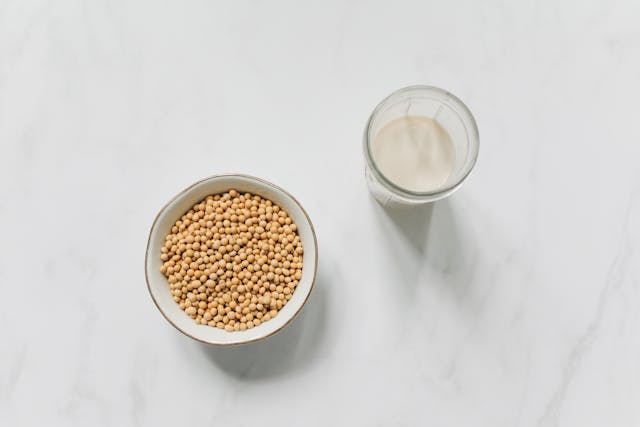
Isoflavones from soy and other plant-derived compounds might significantly reduce the likelihood of breast cancer recurrence or death, suggesting a new meta-analysis co-led by researchers from the Johns Hopkins Kimmel Cancer Center. The findings were detailed in the January 10 publication of the journal JNCI Cancer Spectrum.

A team of researchers from Australia, Denmark, England, Norway, and the U.S. examined 22 observational studies examining the effects of dietary intake of soybeans, lignans (found in various plants, including seeds and nuts), vegetables from the cabbage family, and green tea. These studies focused on how phytonutrients from these sources affect the recurrence of breast cancer and overall mortality. The analysis included different studies focusing on these dietary components, including 11 on soy isoflavones, three on cruciferous vegetables, two on green tea, three on lignans, and three on enterolactone, a by-product formed when lignans are metabolised in the gut.

The analysis highlighted that soy isoflavones are linked to a 26% decrease in the risk of breast cancer recurrence. This finding came from a subset of six studies involving 11,837 women, particularly noticeable among post-menopausal survivors. The most substantial reduction in risk was observed at an intake of 60 milligrams per day, equivalent to two to three servings daily. Although soy consumption also showed a decrease in mortality risk by 12%, this finding was not statistically significant and was primarily observed at lower doses of 20-40 mg per day.

Another notable discovery from this meta-analysis was regarding enterolactone, a compound derived from the digestion of lignans, which are abundant in many plants, including flaxseeds, cashew nuts, broccoli, and brussels sprouts. Enterolactone was associated with a 28% lower risk of breast cancer-specific mortality and a 31% reduction in mortality from all causes, with a 35% decrease in all-cause mortality expressly noted in post-menopausal women. Due to individual differences in gut microbiomes, which affect the metabolism of lignans, it is challenging to determine an effective dietary dose of lignans based on these outcomes.

Lead author Diana van Die, PhD, from the NICM Health Research Institute at Western Sydney University in Australia, stated that these findings were classified as ‘probable,’ indicating robust research evidence supporting their validity.

The review also uncovered some suggestive results, such as the potential impact of green tea consumption on reducing the risk of breast cancer recurrence by 44% in women diagnosed with stage I or II breast cancer, mainly from consuming three to five cups daily. Moreover, pre-diagnosis intake of lignans showed a non-significant 34% reduction in cancer-specific mortality and a 19% decrease in mortality from all causes among post-menopausal women. However, an increased risk of mortality was suggested in pre-menopausal women. These effects appear to depend on the hormonal environment and require further investigation.

The role of cruciferous vegetables in influencing breast cancer outcomes was less clear, possibly affected by the generally low intake levels in the studies reviewed.

The investigators also explored whether the timing of consuming these foods and phytonutrients, either before or after a breast cancer diagnosis, influenced the outcomes. However, the evidence was inconclusive. Notably, all studies on green tea and lignans assessed intake before diagnosis, whereas soy studies considered pre- and post-diagnosis intake.

Senior study author Channing Paller, M.D., emphasised the importance of not viewing these foods and phytonutrients as alternatives to conventional medical or surgical treatment for breast cancer. The research underlines the need for more in-depth studies to ascertain the most effective dosages of these compounds and whether their benefits are comparable when initiated post-diagnosis, as opposed to being part of a lifelong dietary practice.

This area of research continues to evolve, emphasising understanding how best to incorporate these natural compounds into dietary practices for those diagnosed with breast cancer and determining their exact role and efficacy in cancer prevention and treatment.

More information: M Diana van Die et al, Phytonutrients and outcomes following breast cancer: a systematic review and meta-analysis of observational studies, JNCI Cancer Spectrum. DOI: 10.1093/jncics/pkad104

Journal information: JNCI Cancer Spectrum Provided by Johns Hopkins Medicine

Study suggests that fish fed to farmed salmon could also be included in our diet

Public awareness campaigns are promoting the consumption of wild fish like mackerel, anchovies, and herring, which are commonly used in the diets of farmed salmon. These oily fish are packed with vital nutrients, including calcium, B12, and omega-3, but they are partially lost when we consume only the salmon fillet.

Research indicates that farming salmon results in a net loss of essential nutrients. By incorporating more of these wild ‘feed’ species directly into our diets, we could boost our health and alleviate the pressure on the finite marine resources used in aquaculture.

The study delved into how nutrients are transferred from wild fish consumed as feed to the farmed salmon. The salmon fillets were discovered to have reduced levels of six out of nine essential nutrients—calcium, iodine, iron, omega-3, vitamin B12, and vitamin A. However, there were increased amounts of selenium and zinc in the farmed salmon. Interestingly, the wild ‘feed’ fish met dietary nutrient recommendations in smaller portions than farmed Atlantic salmon, particularly for omega-3 fatty acids, crucial for reducing cardiovascular diseases and stroke risks.

Dr David Willer from the Zoology Department at the University of Cambridge highlighted the superior micronutrient density and variety found in most species of wild fish used as feed compared to farmed salmon fillets. He advocates consuming a broader array of wild fish species, such as sardines, mackerel, and anchovies, to enhance nutrient intake directly from our diets.

The study revealed concerning statistics about nutrient deficiencies in the UK population, noting that 71% of adults lack sufficient vitamin D during winter, with teenage girls and women frequently showing deficits in iodine, selenium, and iron. Despite these deficiencies, salmon consumption is relatively high compared to mackerel, anchovies, and herring. Dr Willer suggests that minor dietary adjustments could significantly address these deficiencies and improve human and planetary well-being.

The research team proposed directly consuming a third of the current wild-feed fish as food would optimise nutrient extraction from marine resources. Dr James Robinson of Lancaster University prioritised nutritious seafood for human consumption to enhance dietary health and ocean sustainability.

According to a team of scientists from institutions including the University of Cambridge, Lancaster University, the University of Stirling, and the University of Aberdeen, this approach could be a pivotal solution to global nutrient deficiencies. The findings were published in the journal Nature Food.

In their analysis, the scientists compared the nutrient content of whole wild fish used in Norwegian salmon feed pellets to that of the resultant farmed salmon fillets. They focused on nine essential nutrients concentrated in seafood—iodine, calcium, iron, vitamin B12, vitamin A, omega-3 (EPA + DHA), vitamin D, zinc, and selenium.

The study encompassed wild fish, such as Pacific and Peruvian anchoveta, Atlantic herring, mackerel, sprat, and blue whiting. It was found that these species, often marketed as seafood, provided equal or greater nutrient concentrations than salmon fillets. For instance, calcium levels were more than five times higher in wild-feed fish fillets than in salmon, with similarly significant disparities in iodine and iron content.

Dr Richard Newton of the Institute of Aquaculture at the University of Stirling pointed out the inefficiencies in nutrient retention within the salmon farming industry, suggesting improvements through strategic feed ingredient use, including fishery by-products and sustainably sourced industrial-grade fish like sand eels.

The research team advocates adopting a nutrient retention metric alongside the current Fish In Fish Out (FIFO) ratios used in the industry, which could enhance efficiency and reduce the ecological impact on fish stocks harvested for human consumption. They envision an industry expansion that does not compromise our oceans’ health and promotes a wider variety of affordable and nutritious fish-based products for direct human consumption.

More information: David F. Willer et al, Wild fish consumption can balance nutrient retention in farmed fish, Nature Food. DOI: 10.1038/s43016-024-00932-z

Journal information: Nature Food Provided by University of Cambridge

Spending time in nature: How natural environments can foster a healthier relationship with time

Recent research highlights nature’s potential benefits in alleviating the pressures of contemporary urban living by influencing human perceptions of time. This understanding could pave the way for creating healthier living environments that integrate the therapeutic qualities of natural settings.

In modern lifestyles, time is a pivotal element, often equated with money and considered a resource that must be carefully managed. This perspective is especially prevalent among urban dwellers, who are typically required to sync their daily activities with the precise ticking of the clock rather than the more fluid rhythms of the natural world. Such an intense focus on mechanical time has been shown to negatively impact cognitive functions and overall well-being, with an increasing number of people experiencing a pervasive sense of time scarcity. This raises an intriguing question: could a reconnection with the natural world and its inherent rhythms lead to a more balanced and healthier time perception?

Dr. Ricardo Correia, Assistant Professor at the University of Turku, Finland, discusses how time perception is a highly subjective phenomenon influenced by various factors, including attention, memory, emotions, and physical condition. He notes that while time may seem to drag during mundane or stressful situations, such as being stuck in traffic, it tends to pass quickly during enjoyable interactions. According to Dr. Correia, urban living exerts considerable pressure on the mechanisms that govern time perception. In contrast, nature has a vital impact, helping individuals recalibrate and achieve a more balanced temporal perspective.

Dr. Correia’s review of scientific literature concerning the interplay between human time perception and natural environments reveals that experiences in nature have a positive impact on at least two aspects of time perception: temporal duration and temporal perspective. Temporal duration refers to how people perceive and experience the length and passage of time. Studies indicate that durations spent in natural settings are overestimated, suggesting that time stretches longer than in urban contexts. This phenomenon could offer a sense of having more time, which is valuable in combating the feelings of constant rush and insufficient time typical of urban living.

Moreover, evidence suggests that being in natural environments can alter people’s temporal perspective, which involves the ability to traverse past, present, and future mentally. While some individuals may dwell on the past due to nostalgia or trauma, others might focus predominantly on the present or future, driven by immediate pleasures or long-term goals. A heavy bias towards any single temporal frame can be detrimental, often linked to risky behaviours and poor mental health. Nature encourages a more fluid and balanced movement between these temporal states, fostering a healthier and more holistic view of time.

Dr. Correia strongly believes in the significant role of nature in nurturing a healthier temporal perception and asserts that the influence of natural environments on human well-being deserves greater recognition. He also points out the need for more detailed research on specific natural elements or experiences most effectively influencing time perception. Such insights could be crucial in designing urban spaces, like parks and recreational areas, to enhance collective well-being by integrating natural elements that help regulate our perception of time.

In conclusion, the research on the relationship between nature and time perception offers a promising avenue for enhancing individual and community health. It also underscores the need for a strategic urban planning and development approach. By integrating natural elements in urban environments, we can create spaces that not only enhance life quality but also promote a more balanced relationship with time, thereby benefiting the well-being of urban dwellers.

More information: Ricardo A. Correia et al, Acknowledging and understanding the contributions of nature to human sense of time, People and Nature. DOI: 10.1002/pan3.10601

Journal information: People and Nature Provided by University of Turku

Revolutionising Shrimp Waste: Harnessing Powerful Antioxidants for Health and Sustainability

Scientists have unveiled groundbreaking antioxidative compounds in Northern shrimp (Pandalus borealis), marking a significant advancement for the food and pharmaceutical industries. This discovery highlights not only the nutritional richness of shrimp but also introduces new compounds with promising health benefits.

Shrimp, known for their substantial nutritional content, also contain valuable substances like chitin and carotenoids. However, with the global rise in shrimp consumption, by-products such as heads, shells, and tails, which can constitute up to 50% of waste, pose a significant environmental challenge. Shrimp shells, in particular, are rich in minerals, proteins, and chitin. This research, therefore, holds the key to transforming these by-products into value-added products, offering a sustainable solution to the environmental issue.

A recent study published in the journal Food Production, Processing and Nutrition on 28 February 2024, conducted by researchers from Memorial University of Newfoundland, has identified antioxidative compounds in Northern shrimp, signalling a vital breakthrough for both the food and pharmaceutical sectors. The study not only reaffirms the nutritional importance of shrimp but also uncovers novel compounds that provide potential health advantages.

In this research, ethanol emerged as the most effective solvent for extracting antioxidant elements from shrimp by-products, especially the shells, which exhibited high levels of total phenolic content (TPC) and carotenoid content (TCC). This finding not only highlights the efficiency of ethanol in extraction processes but also exposes the strong antioxidative properties present in shrimp waste. Utilising advanced chromatographic techniques and mass spectrometry, the researchers isolated phenolic compounds, marking a significant step in exploring the nutritional potential of shrimp. The precise analysis and isolation process, involving silica gel column chromatography and thin-layer chromatography (TLC), resulted in the discovery of groundbreaking compounds such as 7-(3-butenyl)-2-hydroxy-6-(1,2,5,6-tetrahydropyridin-2-yl) quinoline and its dihydroquinoline variant, which unveil complex antioxidative mechanisms in shrimp and open up new possibilities for further scientific research and potential health-related applications. The study points to the rich yet underutilised antioxidant sources in shrimp by-products, encouraging a more extensive examination of seafood waste and proposing new avenues for nutritional and pharmaceutical developments.

Dr Fereidoon Shahidi, a co-author of the study, stressed the importance of these discoveries. He noted that the identification of these unique heterocyclic phenolic compounds not only sheds light on shrimp’s antioxidative properties but also fosters new opportunities for using shrimp by-products in ways that align with sustainable and waste-minimising practices in the seafood industry. He further suggested that structural conformation could benefit from advanced techniques like 3D NMR, which have become more accessible since the original research was conducted.

This breakthrough not only highlights the untapped potential of shrimp processing waste but also introduces novel compounds with significant health implications. These compounds could potentially offer anti-inflammatory, anticancer, and anti-ageing benefits, opening up a new frontier in health-related applications. Furthermore, it promotes a sustainable approach to seafood processing, converting waste into valuable health-promoting agents.

More information: Akhile Collins Onodenalore et al, Unique heterocyclic phenolic compounds from shrimp (Pandalus borealis) and beyond, Food Production Processing and Nutrition. DOI: 10.1186/s43014-023-00215-3

Journal information: Food Production Processing and Nutrition Provided by Maximum Academic Press