Monday, 18 May 2026
  • My Feed
  • My Saves
  • History
  • Blog
Living Well Study
  • Blog
  • Ageing Well
  • Brain Health
  • Healthy Diets
  • Physical Wellness
  • Wellness
  • 🔥
  • Wellness
  • older adults
  • Living Well
  • Brain Health
  • dementia
  • public health
  • Ageing Well
  • alzheimer disease
  • physical exercise
  • mental health
Font ResizerAa
Living Well StudyLiving Well Study
  • My Saves
  • My Feed
  • History
Search
  • Pages
    • Home
    • Search Page
  • Personalized
    • Blog
    • My Feed
    • My Saves
    • History
  • Categories
    • Ageing Well
    • Brain Health
    • Healthy Diets
    • Mental Wellness
    • Physical Wellness
    • Wellness
Have an existing account? Sign In
Follow US
© 2022 Foxiz News Network. Ruby Design Company. All Rights Reserved.
Living Well Study > Blog > Nature > Spending time in nature: How natural environments can foster a healthier relationship with time
Nature

Spending time in nature: How natural environments can foster a healthier relationship with time

support
Share
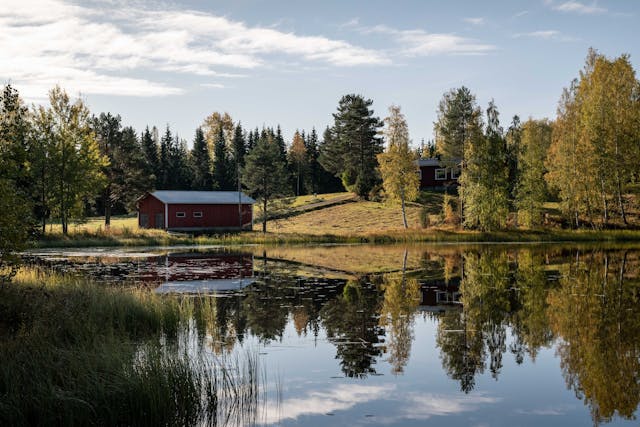
Finland. Photo Of Lake During Daytime. Photo by Olivier Darny: https://www.pexels.com/photo/photo-of-lake-during-daytime-3109271/
SHARE

Recent research highlights nature’s potential benefits in alleviating the pressures of contemporary urban living by influencing human perceptions of time. This understanding could pave the way for creating healthier living environments that integrate the therapeutic qualities of natural settings.

In modern lifestyles, time is a pivotal element, often equated with money and considered a resource that must be carefully managed. This perspective is especially prevalent among urban dwellers, who are typically required to sync their daily activities with the precise ticking of the clock rather than the more fluid rhythms of the natural world. Such an intense focus on mechanical time has been shown to negatively impact cognitive functions and overall well-being, with an increasing number of people experiencing a pervasive sense of time scarcity. This raises an intriguing question: could a reconnection with the natural world and its inherent rhythms lead to a more balanced and healthier time perception?

Dr. Ricardo Correia, Assistant Professor at the University of Turku, Finland, discusses how time perception is a highly subjective phenomenon influenced by various factors, including attention, memory, emotions, and physical condition. He notes that while time may seem to drag during mundane or stressful situations, such as being stuck in traffic, it tends to pass quickly during enjoyable interactions. According to Dr. Correia, urban living exerts considerable pressure on the mechanisms that govern time perception. In contrast, nature has a vital impact, helping individuals recalibrate and achieve a more balanced temporal perspective.

Dr. Correia’s review of scientific literature concerning the interplay between human time perception and natural environments reveals that experiences in nature have a positive impact on at least two aspects of time perception: temporal duration and temporal perspective. Temporal duration refers to how people perceive and experience the length and passage of time. Studies indicate that durations spent in natural settings are overestimated, suggesting that time stretches longer than in urban contexts. This phenomenon could offer a sense of having more time, which is valuable in combating the feelings of constant rush and insufficient time typical of urban living.

Moreover, evidence suggests that being in natural environments can alter people’s temporal perspective, which involves the ability to traverse past, present, and future mentally. While some individuals may dwell on the past due to nostalgia or trauma, others might focus predominantly on the present or future, driven by immediate pleasures or long-term goals. A heavy bias towards any single temporal frame can be detrimental, often linked to risky behaviours and poor mental health. Nature encourages a more fluid and balanced movement between these temporal states, fostering a healthier and more holistic view of time.

Dr. Correia strongly believes in the significant role of nature in nurturing a healthier temporal perception and asserts that the influence of natural environments on human well-being deserves greater recognition. He also points out the need for more detailed research on specific natural elements or experiences most effectively influencing time perception. Such insights could be crucial in designing urban spaces, like parks and recreational areas, to enhance collective well-being by integrating natural elements that help regulate our perception of time.

In conclusion, the research on the relationship between nature and time perception offers a promising avenue for enhancing individual and community health. It also underscores the need for a strategic urban planning and development approach. By integrating natural elements in urban environments, we can create spaces that not only enhance life quality but also promote a more balanced relationship with time, thereby benefiting the well-being of urban dwellers.

More information: Ricardo A. Correia et al, Acknowledging and understanding the contributions of nature to human sense of time, People and Nature. DOI: 10.1002/pan3.10601

Journal information: People and Nature Provided by University of Turku

TAGGED:ecological processesecologyenvironmental impact assessmentsstress managementtime managementurban studies
Share This Article
Email Copy Link Print
Previous Article Revolutionising Shrimp Waste: Harnessing Powerful Antioxidants for Health and Sustainability
Next Article Study suggests that fish fed to farmed salmon could also be included in our diet
Leave a Comment

Leave a Reply Cancel reply

Your email address will not be published. Required fields are marked *

Recent Posts

  • Spending Time Outdoors Linked to Higher Life Satisfaction
  • Exercise Could Play a Key Role in Helping People Stop Smoking
  • The Tiny Cellular Framework Behind Brain Development
  • ‘Forever Chemicals’ Found in Nearly Entire US Study Population, Researchers Report
  • Healthy Hearts May Still Face the Risk of Alzheimer’s Disease

Tags

adolescents adverse effects ageing populations aging populations air pollution alzheimer disease amyloids anxiety artificial intelligence atopic dermatitis behavioral psychology biomarkers blood pressure body mass index brain cancer cancer research cardiology cardiovascular disease cardiovascular disorders caregivers children climate change effects clinical research coffee cognition cognitive development cognitive disorders cognitive function cognitive neuroscience cohort studies COVID-19 dementia depression diabetes diets discovery research disease control disease intervention disease prevention diseases and disorders environmental health epidemiology foods food science gender studies geriatrics gerontology gut microbiota health and medicine health care health care costs health care delivery heart disease heart failure home care human brain human health hypertension inflammation insomnia life expectancy life sciences longitudinal studies memory disorders menopause mental health metabolic disorders metabolism mortality rates neurodegenerative diseases neurological disorders neurology neuroscience nursing homes nutrients nutrition obesity older adults parkinsons disease physical exercise population studies preventive medicine psychiatric disorders psychological science psychological stress public health research impact risk assessment risk factors risk reduction skin sleep sleep apnea sleep disorders social interaction social research socioeconomics type 2 diabetes weight loss
May 2026
S M T W T F S
 12
3456789
10111213141516
17181920212223
24252627282930
31  
« Apr    

This website is for information purpose only and is in no way intended to replace the advice, professional medical care, diagnosis or treatment of a doctor, therapist, dietician or nutritionist.

About | Contact | Cookie Policy | Digital Millennium Copyright Act Notice | Disclaimer | Privacy Policy | Terms of Service

You Might Also Like

Wellness

Study Reveals Higher Alzheimer’s Risk Among Black Adults in Polluted Areas in the US

By support
Nature

Tiny worms have adapted to survive the extreme radiation levels in the Chernobyl exclusion zone

By support
Nature

Gaining Benefits from Observing the Natural World in Urban Areas

By support
Nature

Exploring the Restorative Effects of a Nature Walk on Attention and Cognitive Function

By support
Living Well Study
Categories
  • Ageing Well
  • Brain Health
  • Healthy Diets
  • Mental Wellness
  • Physical Wellness
  • Wellness
LivingWellStudy
  • About
  • Contact
  • Cookie Policy
  • Digital Millennium Copyright Act Notice
  • Disclaimer
  • Privacy Policy
  • Terms of Service
Welcome Back!

Sign in to your account

Username or Email Address
Password

Lost your password?