Scientists have long focused on understanding the brain to promote healthier ageing, yet preventing cognitive decline remains a challenging frontier. While risk factors for accelerated brain ageing are well-documented, strategies to mitigate cognitive decline through nutrition have been less explored until recent advancements. A pioneering study published in Nature Publishing Group Aging by researchers from the University of Nebraska–Lincoln’s Center for Brain, Biology and Behavior and the University of Illinois at Urbana-Champaign has illuminated how specific nutrients may profoundly influence brain health as individuals age.
Under the leadership of Aron Barbey, this study took a novel approach, fusing cutting-edge techniques from neuroscience and nutritional science. The team’s focus was on identifying a unique nutrient profile that could enhance cognitive performance. The study involved 100 cognitively healthy adults aged 65-75, who underwent a comprehensive range of assessments, including demographic data collection, physical measurements, and activity evaluations. Blood plasma, cognitive tests, and MRI scans were then analysed for nutrient biomarkers following a fasting period.
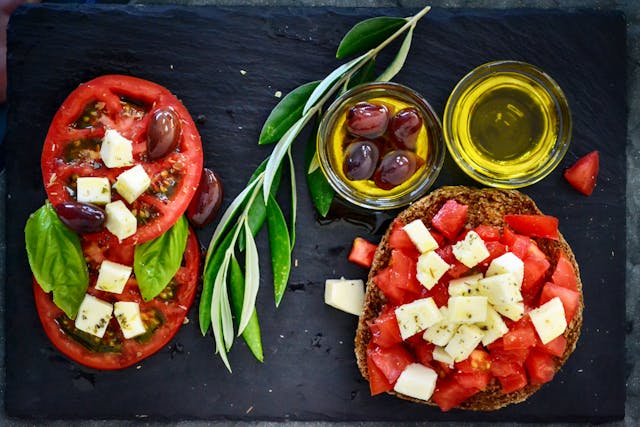
The findings revealed two distinct patterns of brain ageing: accelerated and slower-than-expected. Participants exhibiting slower brain ageing displayed a specific nutrient profile characterised by beneficial fatty acids (such as vaccenic and gondoic acids), antioxidants (like cis-lutein and zeaxanthin), vitamin E variants, and choline. These nutrients are notably prominent in the Mediterranean diet, which has previously shown associations with improved brain health.
Aron Barbey, the Mildred Francis Thompson Professor of Psychology, underscored the study’s significance in advancing nutritional research on brain ageing: “We investigated specific nutrient biomarkers known for their potential health benefits, aligning with extensive research on the Mediterranean Diet’s positive impacts. Our findings identify promising nutrient biomarker patterns linked to cognitive performance and brain health.”
Unlike previous studies reliant on food frequency questionnaires, susceptible to recall biases, this study stands out for its integration of brain imaging, blood biomarkers, and validated cognitive assessments. Barbey emphasised the study’s holistic approach, which moves beyond traditional cognitive tests to explore brain structure, function, and metabolism through diet and nutrition.
Looking ahead, the researchers are eager to delve deeper into the role of the identified nutrient profile in supporting healthy brain ageing. Barbey outlined plans for randomised controlled trials to isolate specific nutrients associated with cognitive function and brain health. These trials could potentially pave the way for targeted nutraceutical interventions, offering a hopeful future for brain health research.
Moreover, Barbey is co-editing a forthcoming unique collection for the Journal of Nutrition titled “Nutrition and the Brain — Exploring Pathways to Optimal Brain Health Through Nutrition,” inviting contributions that will further illuminate the nexus between nutrition and cognitive function.
This study represents a significant leap forward in our understanding of how nutrition influences cognitive performance and brain health as individuals age. By integrating sophisticated methodologies from neuroscience and nutritional science, the research identifies promising nutrient biomarker patterns and underscores the potential for targeted nutritional strategies to support healthy brain ageing. As research progresses, these insights hold promise for informing future interventions aimed at enhancing brain health and cognitive function through dietary approaches, highlighting the importance of our work in this field.
More information: Christopher E. Zwilling et al, Investigating nutrient biomarkers of healthy brain aging: a multimodal brain imaging study, European Journal of Nutrition. DOI: 10.1038/s41514-024-00150-8
Journal information: Nature Aging Provided by University of Nebraska–Lincoln