Author Archives: support

Utilising health records to anticipate patients’ susceptibility to falling

Using health records to forecast patients’ risk of falling within the next 12 months is feasible through a newly devised calculator based on NHS data. Known as eFalls, this falls prediction model utilises readily available primary care electronic health record data, marking a pioneering initiative globally. Developed and validated by researchers from the University of Leeds, the University of Birmingham, and a collaborative team supported by funding from the National Institute for Health and Care Research (NIHR), eFalls aims to pinpoint individuals at risk of hospitalisation or emergency department visits following a fall in the upcoming year. This proactive identification enables the provision of interventions to mitigate the occurrence of falls.

Detailed in a research paper published in Age and Ageing, the study underscores the significance of addressing falls among individuals aged 65 and above, given their potential impact on personal independence. The multifactorial nature of fall risks includes factors such as mobility or balance-affecting conditions, medications, and home hazards, with a history of falls being a prominent risk indicator. Moreover, the prevalence of falls is expected to escalate with the global ageing demographic.

The implications of these findings are substantial for proactive fall risk identification. By leveraging existing primary care data, eFalls streamlines the process, reducing the necessity for exhaustive clinical fall assessments and saving valuable time for healthcare professionals. Upon identification of individuals at risk, referral to specialist fall prevention services becomes feasible, facilitating assessment and treatment to avert future falls.

According to estimates from the National Institute for Health and Care Excellence (NICE), a significant proportion of falls result in severe injuries such as major lacerations, traumatic brain injuries, or fractures, alongside other complications such as distress, pain, and loss of independence. Andrew Clegg, Principal Investigator and Professor of Geriatric Medicine at the University of Leeds, emphasises the global significance of falls as a health concern, highlighting the proactive nature of eFalls in mitigating risks and reducing the burden on healthcare systems.

Lead author Lucinda Archer, Assistant Professor in Biostatistics at the University of Birmingham, underscores the potential of the eFalls calculator to predict fall risks based on existing GP records. Promising accuracy has been demonstrated through extensive testing across large datasets. Employing eFalls to target individuals needing specialist assessment holds promise for enhancing fall prevention services in the UK.

Health Minister Andrew Stephenson lauds innovations like eFalls for their potential to prevent falls, alleviate pain, and reduce resource strain on the NHS. As part of ongoing efforts to ensure timely and appropriate care, Stephenson underscores the importance of solutions like eFalls in addressing a widespread issue.

The research team embarked on a rigorous process to develop a robust method for proactively identifying individuals for fall prevention interventions, addressing the current scarcity of such systems. They drew from a vast dataset encompassing over 750,000 healthcare records to refine and validate the eFalls tool. This extensive testing demonstrated its potential in integrating with primary care electronic patient record systems in the UK, paving the way for its future implementation.

Looking ahead, the researchers aim to integrate the eFalls prediction model into UK primary care systems, collaborating with policymakers to explore its potential contributions to health policy. By harnessing the power of predictive analytics, eFalls represents a significant step towards enhancing preventive healthcare interventions and mitigating the burden of falls among older populations.

More information: Lucinda Archer et al, Development and external validation of the eFalls tool: a multivariable prediction model for the risk of ED attendance or hospitalisation with a fall or fracture in older adults, Age and Ageing. DOI: 10.1093/ageing/afae057

Journal information: Age and Ageing Provided by University of Leeds
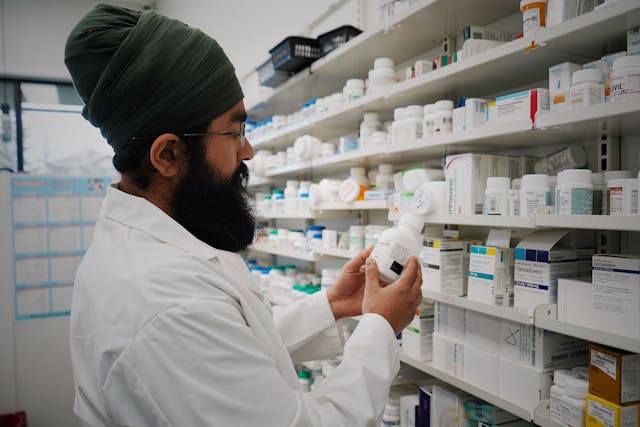
Rural pharmacists play a crucial role in home-based palliative care

According to new findings, pharmacists are increasingly acknowledged for their essential contributions to supporting patients receiving home-based palliative care in rural areas. This research indicates that these professionals empower patients to remain at home and deliver considerable comfort and reassurance to patients, their caregivers, and their families.

The research, conducted by the University of South Australia with the support of the Pharmaceutical Society of Australia, demonstrates that pharmacists specializing in home palliative care significantly improve medication management, enhance communication between patients and their healthcare teams, and reduce the need for general practitioner visits.

The study focuses on the real-world influence of home palliative care pharmacists in rural South Australia. It evaluates the efficacy of this care model through the lens of healthcare professionals.

Globally, approximately 56.8 million people, including 25.7 million in their final year of life, require palliative care. However, only about 14% of those in need receive these services. As the population ages, the demand for palliative care is rising worldwide.

Tash Downing, the lead researcher and pharmacist, points out that although pharmacists are not traditionally seen as part of home palliative care teams, they hold an invaluable position.

“Many patients in palliative care express a preference for being at home, where they feel most comfortable and close to their loved ones. Nevertheless, home-based care presents numerous challenges, particularly in managing medications,” explains Downing.

Effective medication management can alleviate symptoms and enhance quality of life, but it often burdens patients, caregivers, and other medical professionals.

“Our findings suggest that incorporating a pharmacist into the rural palliative care team can mitigate workforce shortages in these areas and elevate the standard of available care for rural patients,” Downing adds.

Crucially, having a local pharmacist allows patients to make more informed choices about their care. They benefit from trusted, regional coordination of prescriptions and medications, reduced need for travel to appointments, and lower levels of distress.

Health professionals participating in the study also noted that the presence of a home palliative care pharmacist improved communication with the treating team, lightened the workload for other health professionals, and lessened the care disparity between rural and urban patients.

The pilot program, launched by the Pharmaceutical Society of Australia and funded by the South Australian Department for Health and Wellbeing, facilitated a pharmacist to deliver home-based care services in regional South Australia. This study assessed the care model by exploring the experiences of healthcare professionals who had worked with the palliative care patients involved in this initiative.

Dr. Gemma Skaczkowski, a co-researcher from the Department of Rural Health at the University of South Australia, remarks that this rural model of palliative care has been exceedingly effective in the areas participating in the pilot.

“By delineating the benefits and challenges of the pharmacist’s role as perceived by other healthcare professionals, we aim to draw more attention to the necessity of such a care model in rural settings and, ultimately, to enhance the palliative experience for patients, irrespective of their location,” says Dr Skaczkowski.

She emphasizes that further efforts are needed to explore sustainable funding for this model and to determine the best practices for broader implementation.

More information: Natasha J. Downing et al, A qualitative exploration of the role of a palliative care pharmacist providing home-based care in the rural setting, from the perspective of health care professionals, Australian Journal of Rural Health. DOI: 10.1111/ajr.13115

Journal information: Australian Journal of Rural Health Provided by University of South Australia

A study has evaluated the potential risk of mutations arising from the lingering radiation following the Fukushima nuclear disaster

Ionising radiation from nuclear disasters has known detrimental effects on the natural environment. The 2011 Fukushima Dai-ichi Nuclear Power Plant meltdown stands as a stark testament to such catastrophic events in recent history. Even now, a decade after the incident, concerns persist regarding the enduring impact of radiation. Particularly elusive are the ramifications of residual low-dose radiation on living organisms at the genetic level.

The primary brunt of such disasters typically falls upon the flora inhabiting contaminated regions, as they lack mobility. Yet, paradoxically, this immobility renders them ideal subjects for scrutinising the effects of ionising radiation on living organisms. Notably, coniferous species like the Japanese red pine and fir exhibited anomalous branching patterns post-Fukushima. Nevertheless, whether such aberrations signify genetic alterations induced by the prevailing low-dose-rate radiation remains uncertain.

In response to this uncertainty, a team of researchers from Japan devised a novel and cost-effective method to assess the mutation risks engendered by low-dose-rate radiation (ranging from 0.08 to 6.86 μGy h-1) in two commonly cultivated tree species of Japan thriving in the contaminated territory. Using a unique bioinformatics pipeline, they examined de novo mutations (DNMs), i.e., genetic changes or mutations absent in previous generations, within the germline of the gymnosperm Japanese cedar and the angiosperm flowering cherry. The study, led by Dr. Saneyoshi Ueno from the Forestry and Forest Products Research Institute, was a collaboration with Dr. Shingo Kaneko of Fukushima University. Dr Kaneko explained the motivation behind their work, stating, “Residents of the affected areas are anxious and seek reassurance in their daily lives. We aimed to dispel any misinformation surrounding the biological repercussions of the nuclear plant disaster.”

For the Japanese cedar sampling, the team initially gauged the levels of radioactive cesium (137Cs) in the cone-bearing branches. Subsequently, these cones were utilised for seed collection, germination, and DNA extraction from the remaining megagametophytes. Conversely, an artificial crossing experiment preceded seed collection and DNA extraction for the Japanese flowering cherry. Employing restriction site-associated DNA sequencing, the researchers juxtaposed the DNA sequences of the offspring with those of the parent. The DNMs were discerned utilising a bioinformatic pipeline devised by the researchers.

Significantly, the researchers discovered no DNMs in the Japanese flowering cherry samples. However, an average of 0.67 DNMs per megagametophyte sample emerged for the Japanese cedar within the “difficult-to-return” zone. Surprisingly, neither the concentration of 137Cs nor the ambient dose rate showed any discernible impact on the presence or absence of DNMs in Japanese cedar and flowering cherry. These findings suggest that the mutation rate in trees thriving in contaminated regions did not significantly increase due to ambient radiation. Dr Ueno emphasised, “Our findings also suggest that mutation rates vary among lineages and are primarily influenced by environmental factors.”

This study marks the inaugural use of DNM frequency to evaluate the aftermath of a nuclear catastrophe. As the proliferation of nuclear power plants heightens globally, so does the peril of nuclear accidents. Regarding the future implications of their research, Dr. Ueno commented, “The methodology advanced in our study can not only enhance our comprehension of the interplay between genetics and radiation but also expedite hereditary risk assessments following nuclear mishaps.”

More information: Saneyoshi Ueno et al, Rapid survey of de novo mutations in naturally growing tree species following the March 2011 disaster in Fukushima: The effect of low-dose-rate radiation, Environment International. DOI: 10.1016/j.envint.2023.107893

Journal information: Environment International Provided by Forestry and Forest Products Research Institute

Exploring the intricate connection between age, looks, and health: new insights on wrinkles and wisdom

The intricate interplay between physical appearance and mental and physical health as we age forms the crux of new research recently published in the journal Psychology and Aging.

Julie Ober Allen, an assistant professor of health promotion at the University of Oklahoma, spearheaded this research. It reveals that 59% of adults aged 50 to 80, in a nationally representative survey of Americans, believe they appear younger than their peers. These individuals reported more positive ageing experiences, such as being sought after for advice and possessing a strong sense of purpose. Conversely, those who felt they looked older than their contemporaries experienced more negative interactions. Allen’s research highlights that ageism—which encompasses stereotypes, prejudices, and discrimination based on age—can lead to chronic stress and have detrimental health effects.

Allen explains, “Ageism often presents itself through micro-aggressions.” For example, complimenting an older individual on looking suitable for their age or assuming they are inept with technology can trigger a stress response akin to a fight or flight reaction. To cope, some might turn to stress-eating sweets or smoking, which are behaviours linked to adverse health outcomes.

Allen’s team delved into how physical appearance is a surrogate for age. Individuals displaying characteristics typically associated with old age, like grey hair or wrinkles, are more likely to be stereotyped and face discrimination. According to Allen, this bias originates from the American cultural fixation on youth and specific beauty standards.

“We asked participants how much time and effort they devote to looking younger, which is a complex question as it can reinforce certain stereotypes,” Allen remarked. About 35% of participants admitted investing time and money to appear younger. Interestingly, these individuals reported positive and negative ageing experiences in society. Those who successfully appeared younger faced less discrimination, yet they might also have experienced increased anxiety and discomfort about their ageing appearance.

Allen emphasizes that ageism, unlike other forms of discrimination such as racism, sexism, or homophobia, is often disregarded and more socially tolerated. Her findings indicate that ageism affects both genders equally and that older adults from all racial and ethnic backgrounds across the US experience it.

“People often assume women are more affected by ageism, but the data doesn’t support this,” she stated. “Men and women might experience it differently, but both genders are impacted.”

Allen’s research conclusively shows that individuals who perceive themselves as looking younger enjoy more positive experiences and better mental and physical health outcomes. Moreover, those who appear more youthful experience less age-related discrimination. However, Allen suggests focusing solely on looking young might not be the best approach for ageing Americans.

“We should prioritize healthy behaviours, which also affect ageing and appearance. Engaging in regular exercise, maintaining a healthy weight, and abstaining from smoking can help you appear younger as you age. Thus, appearance is a beneficial secondary result,” she explained. “By adopting healthy behaviours, you not only enhance your health but also improve your quality of life and reduce functional limitations.”

More information: Allen, J. O., Moïse, V., Solway, E., Cheney, M. K., Larson, D. J., Malani, P. N., Singer, D., & Kullgren, J. T. How Old Do I Look? Aging Appearance and Experiences of Aging Among U.S. Adults Ages 50–80, Psychology and Aging. DOI: 10.1037/pag0000800

Journal information: Psychology and Aging Provided by The University of Oklahoma

Scientists utilise wearable technology to monitor stress levels during sleep

Imagine a scenario where the subtle fluctuations in an individual’s stress levels could be pinpointed while they peacefully slumber, all thanks to wearable technology. A groundbreaking study conducted by researchers from the University of Vermont, published recently in PLOS Digital Health, illuminated this possibility. For the first time, alterations in perceived stress levels have been detected through sleep data analysis, marking a significant stride towards identifying biomarkers that could serve as early indicators for individuals requiring additional support.

Laura Bloomfield, a research assistant professor of mathematics and statistics and the study’s lead author, underscores the significance of sleep in maintaining both physical and mental well-being. She highlights the discernible changes in stress levels within sleep patterns, emphasising that “changes in stress are visible”.

Delving into the baseline sleep data, the researchers uncovered consistent correlations between individuals’ perceived stress scores and various sleep metrics such as total sleep duration, resting heart rate, heart rate variability, and respiratory rate. While it may come as no surprise that many participants fell short of the recommended 8 to 10 hours of sleep for young adults, every minute of sleep proved consequential. For each additional hour of recorded sleep, the likelihood of reporting moderate-to-high stress decreased by approximately 38 per cent. Similarly, nightly resting heart rates emerged as informative indicators, with each additional beat per minute correlating with a 3.6 per cent increase in the likelihood of experiencing stress.

Bloomfield’s involvement as a principal investigator in the Lived Experience Measured Using Rings Study (LEMURS) underscores the commitment to unravelling the intricate relationship between wearable technology and individuals’ mental well-being. LEMURS, a longitudinal study initiated at UVM in 2022, meticulously tracks hundreds of first- and second-year college students around the clock using wearable Oura ring biosensors and surveys probing their well-being. This study marks the inaugural peer-reviewed publication from LEMURS, showcasing the potential of wearables to unveil shifts in mental health status.

The research unveils the predictive capabilities of Oura ring sleep measures concerning participants’ perceived stress levels. Bloomfield underscores the potential for real-time identification of heightened stress levels, paving the way for timely interventions. She underlines the necessity for comprehending the nexus between sleep measures and mental health indicators as the foundational step towards implementing effective interventions.

The genesis of the LEMURS project lies in the visionary minds of Chris Danforth, professor of applied mathematics at UVM’s Vermont Complex Systems Center, and Laura Bloomfield, MD/Ph.D. Their overarching objective revolves around harnessing wearable technologies to enhance the health and well-being of young individuals through personalised feedback. Supported by a grant from MassMutual, LEMURS endeavours to address the prevalent issues of insufficient sleep and heightened stress among college students. The research ambit extends beyond mere observation, focusing on evaluating the efficacy of exercise, nature excursions, and group therapy interventions.

The multifaceted approach of LEMURS involves leveraging biometric data obtained from Oura rings, coupled with subjective responses from routine surveys, to garner insights into participants’ stressors and emotional states. Mikaela Fudolig, a research assistant professor of mathematics and statistics, underscores the potency of the vast dataset generated by LEMURS. She highlights the convergence of various data streams—from ring data and survey responses to nature exposure metrics and blood work—as the crux of the study’s efficacy.

The longitudinal nature of LEMURS affords a rare opportunity to track participants’ health trajectories over an extended period. With two cohorts of first-year students enrolled since its inception, LEMURS aims to provide comprehensive insights into physical and mental well-being dynamics throughout the college years and beyond. Fudolig elucidates the significance of synthesising diverse data sources, portraying it as the cornerstone of the study’s endeavour.

The meticulous analysis of sleep patterns among LEMURS participants has unearthed intriguing insights, particularly regarding heart rate dynamics. Fudolig highlights the emergence of distinct heart rate curves, particularly among female participants, correlating with reported impairments in daily functioning due to anxiety or depression.

The COVID-19 pandemic has exacerbated pre-existing mental health challenges among young individuals, underscoring the urgency of initiatives like LEMURS. Bloomfield underscores the pressing need for accessible support systems tailored to the unique needs of young adults navigating the tumultuous terrain of college life. The study’s findings shed light on the pervasive burden of stress within this demographic, with a staggering 64% of responses reflecting moderate-to-high stress levels.

Bloomfield emphasises the nuanced nature of interpreting stress signals derived from biometric data, acknowledging the myriad factors influencing individuals’ stress responses. Despite the resilience inherent in this demographic, the study serves as a poignant reminder of the underlying issues confronting young adults, advocating for proactive interventions to safeguard their mental and physical well-being.

More information: Laura S. P. Bloomfield et al, Predicting stress in first-year college students using sleep data from wearable devices, PLOS Digital Health. DOI: 10.1371/journal.pdig.0000473

Journal information: PLOS Digital Health Provided by University of Vermont

During the COVID-19 pandemic, older adults with diabetes suffered a decline in their functional abilities

During the COVID-19 pandemic, researchers discovered that around one in five older Canadian adults with diabetes who previously had no functional limitations developed such limitations for the first time. Functional limitations encompass difficulties with basic mobility tasks like walking a few blocks, rising from a chair, or ascending stairs. In contrast, only one in eight older adults without diabetes encountered new functional limitations during the same period.

Functional status, a critical predictor of both longevity and quality of life in older populations, tends to deteriorate more rapidly in individuals with diabetes compared to those without. Andie MacNeil, the lead author and a research assistant at the University of Toronto’s Factor-Inwentash Faculty of Social Work and the Institute for Life Course and Aging, noted that the pandemic intensified various risk factors associated with functional decline, including social isolation and reduced physical activity. This led the research team to probe how the pandemic affected the functional status of older adults with diabetes.

The data for the study was drawn from the Canadian Longitudinal Study on Aging, which revealed that older adults with diabetes were 53% more likely to develop at least one new functional limitation during the pandemic than their non-diabetic counterparts. This was after accounting for major functional decline risk factors such as physical activity, obesity, smoking, and other chronic conditions. Still, those with diabetes had a 28% greater risk of functional decline.

Health professionals are encouraged by the findings to promote engagement in physical activity among older adults, particularly those with diabetes, to help maintain their functional status, as suggested by Susanna Abraham Cottagiri, a doctoral candidate at the School of Medicine at Queen’s University.

Significantly, the study underscored the influence of socioeconomic factors on the likelihood of developing functional limitations. Older adults with diabetes earning less than $20,000 annually were found to be at a fivefold higher risk of developing functional limitations compared to those earning over $100,000. Even for those without diabetes, the risk was doubled under similar economic conditions. This finding, reiterated by Ying Jiang, a senior epidemiologist at the Public Health Agency of Canada and co-author of the study, emphasizes the need for targeted interventions to address socioeconomic disparities in functional decline.

The researchers also examined how functional limitations varied across different patient characteristics, including sex, diabetes status, and household income, considering various risk factors such as age, physical activity, smoking, multimorbidity, and body weight. Socioeconomic status consistently emerged as a significant determinant of functional health across these profiles.

Professor Paul Villeneuve of Carleton University’s Department of Neuroscience and the CHAIM Research Centre posited that lower socioeconomic status might lead to more significant lifetime stressors that can negatively affect life’s physical functioning. Such stressors include more physically demanding jobs, poorer nutrition, and living in environments with fewer green spaces and lower walkability.

The study’s implications are significant, offering potential strategies to enhance physical function in middle-aged and older adults. Margaret de Groh, a co-author and scientific manager at the Public Health Agency of Canada, emphasized the benefits of a comprehensive approach. This includes lifestyle modifications involving physical activity and nutritional interventions, which have shown promise in improving physical function among older adults with diabetes.

Professor Esme Fuller-Thomson, the senior author and director of the Institute for Life Course & Aging at the University of Toronto, also pointed out that poverty remains a significant obstacle to nutrition and food security. She advocated for broader strategies to reduce poverty and improve food access in Canada to support better physical functioning among older adults. These comprehensive approaches can help mitigate the adverse effects of diabetes on older adults, potentially leading to improved quality of life and extended longevity for this vulnerable population.

More information: Andie MacNeil et al, Incident Functional Limitations Among Older Adults With Diabetes During the COVID-19 Pandemic: An Analysis of Prospective Data From the Canadian Longitudinal Study on Aging, Canadian Journal of Diabetes. DOI: 10.1016/j.jcjd.2024.02.005

Journal information: Canadian Journal of Diabetes Provided by University of Toronto

Taking into account the various factors that contribute to cognitive difficulties in older veterans may enhance personalised care

A recent study explored how cognitive performance, memory functions, and risk factors for Alzheimer’s disease correlate in veterans aged 65 and older who do not have dementia. The findings revealed various patterns of cognitive strengths and weaknesses, along with Alzheimer’s disease risk. The results suggest that older veterans experiencing specific cognitive issues might be erroneously diagnosed with potential Alzheimer’s disease when, in reality, other conditions, such as PTSD, could be the underlying cause of their cognitive challenges.

“PTSD consistently appears to be a significant factor in mild cognitive impairments, which indicates that Alzheimer’s disease might not always be the culprit in these cases among older veterans,” stated Dr. Kelsey R. Thomas, PhD, the lead researcher of the study. “This research has helped to reinforce the link between PTSD and cognitive difficulties in this group, providing us with a clearer direction for future investigations to better understand this association.”

The study also suggests that some Alzheimer’s disease screenings, which primarily focus on memory issues, might overlook older veterans who are at high risk of Alzheimer’s disease (as identified through PET scans showing high amyloid levels). More comprehensive assessments that include attention and executive functioning tests could identify these cognitive challenges more accurately.

“It’s common to diagnose cognitive impairment or dementia based on basic cognitive screenings or dementia rating scales. However, these might not capture all the necessary information that could influence treatment recommendations,” Dr. Thomas explained. “This underscores the importance of conducting thorough evaluations of older veterans, incorporating detailed cognitive assessments, clinical interviews, and when appropriate, biomarker tests for Alzheimer’s disease. Such approaches help us consider modifiable factors like PTSD, sleep quality, and pain, which can guide treatment recommendations and determine whether Alzheimer’s disease is a probable factor.”

The study categorised three groups of older veterans based on their self-reported cognitive decline, cognitive function tests (covering memory, language, and executive functions), and amyloid burden measured by PET scans. These groups were initially classified based on these criteria and then monitored over a year to observe overall cognition and daily functioning changes.

The findings highlight the need to re-evaluate how cognitive assessments and treatment options are considered for older veterans, advocating for more personalised approaches.

Driven by a commitment to enhance the lives of those who served, Dr. Thomas emphasises, “It’s crucial that we assist veterans in finding the most effective treatments. This research aims to highlight the need for care specifically tailored to older veterans’ needs.”

More information: Thomas, Kelsey R. et al, Cognition and Amyloid-β in Older Veterans: Characterization and Longitudinal Outcomes of Data-Derived Phenotypes, Journal of Alzheimer s Disease. DOI: 10.3233/JAD-240077

Journal information: Journal of Alzheimer s Disease Provided by IOS Press

Research elucidates how childhood maltreatment affects mental and physical health well into adulthood

Childhood maltreatment can persistently influence health well into adulthood, primarily affecting an individual’s risk of poor physical health and subsequent traumatic experiences, according to recent findings.

Those who suffer from emotional, physical, and sexual abuse or neglect during childhood are at a heightened risk of developing mental health issues that can last throughout their lives. The enduring nature of this risk, even decades after the initial maltreatment, remains a complex issue not yet fully understood.

Published in the Proceedings of the National Academy of Sciences, a study conducted by researchers from the University of Cambridge and Leiden University reveals that the lasting impact of childhood maltreatment on adult brains is due to an increased likelihood of obesity, inflammation, and trauma in adulthood. These factors contribute to poor health and well-being and influence brain structure and health.

The research involved analysing MRI brain scans from roughly 21,000 adults aged between 40 and 70, sourced from the UK Biobank. This data, combined with information on body mass index, CRP levels (a marker of inflammation), and personal histories of childhood maltreatment and adult trauma, provided a comprehensive view of the long-term effects of early adverse experiences.

Sofia Orellana, a PhD student at the Department of Psychiatry and Darwin College at the University of Cambridge, highlighted that the interconnectedness of childhood abuse or neglect with long-term mental and physical health problems, including adverse effects on the brain, immune, and metabolic systems, has been recognised but not fully explained. This interaction, she noted, affects critical aspects of health like heart health or the likelihood of developing diabetes.

The researchers employed statistical models to dissect these interactions further. They confirmed that childhood maltreatment increases the likelihood of higher body mass index and more frequent traumatic experiences in later life. These conditions often lead to immune system dysfunction, a consequence of chronic obesity and recurrent trauma.

Further analysis incorporating MRI data of the adult participants revealed significant changes in brain thickness and volume linked to increased body mass index, inflammation, and trauma, which were ultimately traced back to childhood maltreatment. These alterations in brain structure suggest physical damage to brain cells, impacting their functionality.

While the mechanisms at the cellular level in the brain still require further exploration, the researchers believe their findings significantly enhance the understanding of how adverse childhood experiences contribute to a lifelong increased risk of disorders affecting both brain and mental health.

Professor Ed Bullmore from the Department of Psychiatry and an Honorary Fellow at Downing College, Cambridge, expressed optimism about the implications of these findings. With a better grasp of the long-term effects of childhood maltreatment, the research could lead to the identification of biomarkers that signal increased risk of ongoing issues. This advancement could enable targeted early interventions for those most in need, potentially interrupting the cycle of ill health associated with early adverse experiences.

More information: Sofia C. Orellana et al, Childhood maltreatment influences adult brain structure through its effects on immune, metabolic, and psychosocial factors, Proceedings of the National Academy of Sciences. DOI: 10.1073/pnas.2304704121

Journal information: Proceedings of the National Academy of Sciences Provided by University of Cambridge

Understanding the Mechanisms of Ageing

Ageing clocks accurately determine the biological age of humans with remarkable precision. Unlike chronological age, calculated from birth, biological age can be swayed by environmental influences like smoking or dietary habits. This precision suggests that ageing is not merely a linear process but follows a programmed pathway. Scientists David Meyer and Professor Dr Björn Schumacher from CECAD, the Cluster of Excellence Cellular Stress Responses in Aging-Associated Diseases at the University of Cologne, have uncovered that ageing clocks primarily measure the escalation of random or stochastic cellular changes. Their findings were detailed in the ‘Aging clocks based on accumulating stochastic variation’ study published in Nature Aging.

Professor Schumacher explains, “Aging is initiated by damage to the cellular building blocks, which mostly occurs randomly. Our research aligns the precision of aging clocks with the accumulation of stochastic alterations within our cells.”

As individuals age, the regulation of cellular processes declines, leading to increasingly stochastic outcomes. This is particularly noticeable in the stochastic changes observed in DNA methylation. Methylation involves chemical modifications that affect DNA, which are the fundamental components of the genome. While these methylation processes are usually tightly controlled, random variations in these patterns emerge over a person’s lifetime. The aggregation of these variations serves as an exact indicator of age.

The researchers, Meyer and Schumacher, have also shown that the increase in stochastic variations in gene activity could serve as a basis for an aging clock. Schumacher suggests, “Theoretically, it could be possible to extend this further, allowing stochastic variations in any cellular process to predict age.” He underscores the importance of determining whether such aging clocks can accurately reflect the effectiveness of age-slowing interventions or identify detrimental factors that accelerate aging. This could open up new avenues for the development of interventions that address the fundamental causes of ageing and potentially lead to cellular rejuvenation.

In their study, using existing datasets, the scientists illustrated that smoking amplifies these random human changes while ‘anti-ageing’ interventions, such as reduced calorie consumption in mice, decrease methylation pattern variations. They also discovered that this stochastic noise is reversible through cellular reprogramming to stem cells. The scientists compared human fibroblasts from the skin reprogrammed to stem cells, which showed rejuvenation due to the reprogramming, reversing the high variation typical of aged cells back to the low stochastic noise observed in young stem cells.

Meyer and Schumacher’s insights into the loss of regulation and the increase in stochastic variations could have significant implications. They could pave the way for new interventions that address the fundamental causes of ageing and potentially lead to cellular rejuvenation. For instance, potential targets for such interventions could include repairing stochastic changes in DNA or enhancing the control of gene expression. These interventions could slow the ageing process and improve health outcomes in ageing populations.

More information: David H. Meyer et al, Aging clocks based on accumulating stochastic variation, Nature Aging. DOI: 10.1038/s43587-024-00619-x

Journal information: Nature Aging Provided by University of Cologne

Enhancing dementia care in nursing homes: Insights from the pandemic years

No individual connected with nursing homes – whether they are residents, their families, friends, staff, or administrators – can ignore the profound influence of the pandemic on these critical facilities that cater to an increasing number of older adults, many of whom suffer from cognitive impairments.

In the editorial titled “Learning from the experience of dementia care for nursing home residents during the pandemic,” published in the Journal of the American Geriatrics Society, Kathleen Unroe, M.D., MHA, M.S., a respected researcher-clinician from the Regenstrief Institute and Indiana University School of Medicine, along with Gail Towsley, PhD, NHA, a renowned expert from the University of Utah College of Nursing, address the ongoing necessity of incorporating high-quality, dementia-specific care into nursing homes.

The editorial delves into the complex decisions faced by nursing home leaders during the pandemic, who were tasked with managing competing needs. They had to balance the pressure to relieve hospitals by admitting new patients with the responsibility of ensuring the safety of staff and long-standing residents. This constant juggling of risk versus benefit often led to difficult compromises between safety measures and residents’ quality of life.

The piece brings attention to the varied uncertainties and stressors that long-term care providers and their charges face, focusing on challenges such as resident social isolation, staff recruitment, training, retention, and the problematic balance between optimal infection control and the best practices in dementia care.

“A majority of people who receive care in nursing homes have cognitive impairment,” Dr. Unroe emphasized. “High-quality care for these individuals, including those diagnosed with dementia, should be person-centered. This involves understanding a person’s care goals and treatment preferences, ensuring these are well-documented and then met, even for those who are no longer able to participate in these discussions.”

Dr Unroe also noted the inherent isolation of nursing home residents from their communities, former neighbourhoods, contacts, and families, emphasizing the need to maintain these vital connections actively. This includes facilitating easy participation of family and friends in the nursing home life and enabling residents to engage with their communities and families outside the facility.

Dr Unroe highlighted several vital lessons from the pandemic, including the necessity for specific dementia care staff training, the value of telehealth communications, and the importance of expanding families’ roles in nursing home care.

In 2022, the National Academies of Sciences, Engineering, and Medicine released “The National Imperative to Improve Nursing Home Quality.” This report acknowledged the catastrophic impact of the COVID-19 pandemic on nursing home residents and staff, drawing renewed attention to the chronic deficiencies that hinder the provision of high-quality care in these settings. It calls on the Centers for Medicare and Medicaid Services (CMS) and state governments to enhance oversight of nursing homes to prevent a recurrence of the failures experienced during the pandemic.

In conclusion, Drs. Unroe and Towsley emphasize the importance of seizing opportunities to unite around solutions to address persistent challenges in nursing home settings, noting, “While the pandemic included lessons we wish we did not have to learn, it offers us a chance to alter our practices and re-focus on high-quality dementia care.”

More information: Kathleen T. Unroe et al, Learning from the experience of dementia care for nursing home residents during the pandemic, Journal of the American Geriatrics Society. DOI: 10.1111/jgs.18771

Journal information: Journal of the American Geriatrics Society Provided by Regenstrief Institute

The potential exposure to PFAS from diets high in seafood might be underestimated

A recent study led by Dartmouth College has raised concerns about the potential for increased exposure to PFAS (perfluoroalkyl and polyfluoroalkyl substances) among individuals who consume seafood frequently. These chemicals, often referred to as “forever chemicals” due to their persistent nature, are found ubiquitously in the environment and are known for their durability. The study, published in the journal Exposure and Health, underscores the need for more robust public health guidelines limiting seafood consumption to reduce PFAS exposure.

The researchers, including Megan Romano, an associate professor of epidemiology at Dartmouth’s Geisel School of Medicine and the study’s corresponding author, emphasize that while seafood is an excellent source of lean protein and omega fatty acids, it may also be a significant, yet underappreciated, source of PFAS. According to Romano, the study aims not to discourage seafood consumption but to highlight the need for a balanced understanding of the risks and benefits, particularly for sensitive groups such as pregnant individuals and children.

The research conducted a meticulous examination of PFAS levels in commonly consumed marine species in New Hampshire—a state renowned for its high seafood consumption and located in a region with a historical prevalence of industrial pollution and PFAS contamination. The study specifically focused on marine species such as cod, haddock, lobster, salmon, scallops, shrimp, and tuna sourced from a coastal market in New Hampshire. Notably, shrimp and lobster exhibited alarmingly high levels of PFAS, with concentrations peaking at 3.30 nanograms per gram of flesh in certain samples.

Furthermore, the study highlighted that most existing research on PFAS contamination has concentrated on freshwater species, less commonly consumed than marine varieties, thus identifying a significant gap in the literature. Romano, whose work primarily investigates the impact of PFAS and other endocrine-disrupting chemicals in drinking water, pointed out the unique risk faced by New England’s seafood lovers.

Complementing this analysis was a statewide survey assessing the seafood consumption habits of New Hampshire residents. The survey revealed that men in New Hampshire consume just over one ounce of seafood daily, with women consuming slightly less. These figures are considerably higher than the national averages and underscore the importance of understanding local dietary habits when assessing exposure risks.

The presence of PFAS in the environment complicates tracing how these chemicals enter the marine food chain. However, the study suggests that shellfish might be particularly vulnerable to PFAS accumulation due to their feeding habits and habitat on the seafloor close to pollution sources. Moreover, larger marine species may absorb PFAS by consuming smaller, contaminated species.

This comprehensive research underscores the urgent necessity for regulatory guidelines specifically addressing PFAS in seafood, akin to those already in place for other contaminants like mercury. The absence of such guidelines leaves populations that frequently consume seafood, particularly in regions like New England, potentially exposed to these harmful chemicals.

Celia Chen, a co-author of the study and a research professor in the Department of Biological Sciences at Dartmouth, along with Kathryn Crawford, the study’s first author and an assistant professor of environmental studies at Middlebury College, both advocate for the establishment of consumption advisories that take into account the unique risks posed by PFAS. Such guidelines would protect vulnerable populations and allow the general public to continue enjoying seafood’s health benefits without undue exposure to these harmful chemicals.

This study is a crucial step in addressing the dual challenge of maintaining the dietary benefits of seafood while managing and mitigating the risks associated with persistent environmental pollutants like PFAS.

More information: Kathryn A. Crawford et al, Patterns of Seafood Consumption Among New Hampshire Residents Suggest Potential Exposure to Per- and Polyfluoroalkyl Substances, Exposure and Health. DOI: 10.1007/s12403-024-00640-w

Journal information: Exposure and Health Provided by Dartmouth College

Using various soaps may influence your attractiveness to mosquitoes either positively or negatively

Numerous theories exist regarding why mosquitoes are more attracted to some individuals while others remain largely unbitten. A research group from Virginia Tech published their findings in the journal iScience on May 10, revealing that certain soaps can either attract or repel mosquitoes, depending on the individual’s unique body odour combined with the soap’s effects.

Senior author and neuroethologist Clément Vinauger (@thevinaugerlab) highlighted the dramatic changes that can occur: “It’s astonishing how an individual who is highly attractive to mosquitoes without washing can become even more appealing with one type of soap, yet completely repulsive with another.”

Humans have utilised soaps and scented personal care products since ancient times, which are known to alter our perceptions of each other’s body odour. However, it remains to be seen how these products affect mosquitoes’ ability to differentiate between potential blood donors. Since mosquitoes primarily feed on plant nectar rather than blood, introducing plant-like or plant-derived scents could disrupt their decision-making process.

The study began by analysing the chemical odour profiles emitted by four volunteers, both in unwashed states and after using one of four different soap brands: Dial, Dove, Native, and Simple Truth. The researchers also examined the scent profiles of the soaps themselves.

The findings revealed that each volunteer had a distinct odour profile, with specific profiles attracting mosquitoes more than others. Washing with soap significantly altered these odour profiles by adding floral scents and modifying the emission of naturally occurring compounds.

“Everyone’s body odour is unique, and this uniqueness extends even after soap is applied. Factors like your physiological state, lifestyle, diet, and environment influence your scent,” explained co-author and biologist Chloé Lahondère. “Soaps dramatically change our scent by introducing chemicals and altering the natural emission of compounds.”

The researchers then assessed how attractive each volunteer was to Aedes aegypti mosquitoes, comparing their appeal when unwashed to their appeal an hour after using the soaps. The study focused on adult female mosquitoes that had recently mated, as only females feed on blood post-mating. They excluded the influence of exhaled carbon dioxide (CO2), another significant cue for mosquitoes, by conducting tests on fabric imbued with the volunteers’ scents rather than directly on their skin.

Results indicated that the impact of soap on mosquito preference varied not only between the different types of soap but also among the human volunteers. For instance, washing with Dove and Simple Truth soaps increased the attractiveness of some volunteers, whereas Native soap generally repelled mosquitoes.

Vinauger emphasised the importance of specific chemical associations and combinations: “For mosquitoes, it’s not about the most abundant chemical but the particular combinations of chemicals from the soap and our body odours.” Despite limonene, a known mosquito repellent, being a common ingredient in all tested soaps, three of the four soaps still increased mosquito attraction.

Lahondère added, “The ratios of chemicals are crucial in determining whether mosquitoes are drawn or repelled. Altering the ratio of the same chemicals can lead to attraction, indifference, or repulsion.”

To pinpoint the specific ingredients that either attract or repel mosquitoes, the team analysed the chemical compositions of the soaps and their effects on mosquito preference. They identified four chemicals linked to attraction and three to repulsion, including a coconut-scented chemical found in American Bourbon and a floral compound used in treating scabies and lice. These findings were used to create and test blends of attractive and repellent odours, significantly influencing mosquito preferences.

“With these mixtures, we’ve removed all extraneous elements in the signal, focusing only on those chemicals that statistics show are crucial for attraction or repulsion,” Vinauger noted. “If I wanted to reduce mosquito attraction, I would choose a coconut-scented soap.”

The research team plans to extend these studies by testing more varieties of soap and a more significant number of individuals, aiming to uncover broader patterns or rules. They are also interested in examining how the timing of soap application affects mosquito preference over a longer duration. “We’re particularly eager to see how long the effect lasts—whether a morning shower still influences mosquito attraction by the evening,” Vinauger concluded.

More information: Morgen VanderGiessen et al, Soap application alters mosquito-host interactions, iScience. DOI: 10.1016/j.isci.2023.106667

Journal information: iScience Provided by Cell Press