Daily Archives: 26 July 2024

Avocados are ‘harmful’ and vegans are irrational: Rationalizing Excessive Meat Consumption

Avocados are labelled ‘bad’, and vegans dismissed as absurd, and some argue that their body requires meat—it’s not them but their partners who resist cutting back on meat consumption. According to a study by the University of Copenhagen, these are some of the justifications put forward when individuals feel compelled to rationalize their inability to reduce their meat intake for environmental reasons. During focus group discussions with Danish consumers, researchers documented the variety of arguments that emerged as participants discussed their meat consumption habits. The findings, led by Thomas A. M. Skelly, a PhD fellow at the Department of Food and Resource Economics, were published in the Journal of Consumer Culture, highlighting the social dynamics when discussing dietary choices.

Participants in all six focus groups agreed that reducing meat consumption is critical for a climate-friendly diet, yet personal consumption habits triggered defensive justifications. For instance, some participants criticized avocados for being harmful to the environment and condemned vegans for being too extreme, using these points as socially acceptable arguments within the groups to help maintain a self-image of moral responsibility, explains Kia Ditlevsen, another study author. These discussions often shifted from meat to more agreeable topics like food waste and plastic use, as these topics are seen as culturally neutral and involve less personal cost.

The study also highlighted how group dynamics can reinforce particular views; for example, demeaning comments about ‘morally superior’ vegans were used to justify ongoing meat consumption. When a participant expressed no intention of becoming vegan, laughter from others reinforced the notion that veganism was an absurd solution, as noted by Skelly. This behaviour illustrates how social settings influence and affirm dietary practices, even when contradicting environmental knowledge.

Furthermore, participants portrayed vegans as extremists and suggested hypocrisy due to their consumption of avocados and highly processed ‘vegan foods,’ which were labelled as damaging to the climate. This mutual reassurance among the group members helped them maintain the belief that their dietary practices were not worse than those who had eliminated meat, despite evidence to the contrary regarding the climate impact of red meat compared to avocados and vegan products.

The researchers also observed a tendency to use actual or simulated ignorance as a defence. Skelly points out that while all focus groups recognized that reducing meat consumption is one of the most effective actions for climate mitigation, this knowledge was often problematized, making it socially acceptable to question it. This indicates a selective deployment of expertise, where acknowledging the full impact of meat consumption is avoided in favour of less disruptive topics.

The findings underscore the need for clear communication from public authorities and politicians regarding meat consumption. Ditlevsen remarks that contradictory messages from the government, such as encouraging the continued consumption of traditional dishes like spaghetti and meat sauce while recommending a reduction in meat intake, need clarification among consumers. To overcome the socially acceptable excuses and move towards sustainable dietary choices, unequivocal messaging from both national and European authorities is essential. This message should support reducing meat consumption and aligning public behaviour with environmental goals.

More information: Thomas A.M. Skelly et al, Bad avocados, culinary standards, and knowable knowledge. Culturally appropriate rejections of meat reduction, Journal of Consumer Culture. DOI: 10.1177/14695405241243199

Journal information: Journal of Consumer Culture Provided by University of Copenhagen – Faculty of Science
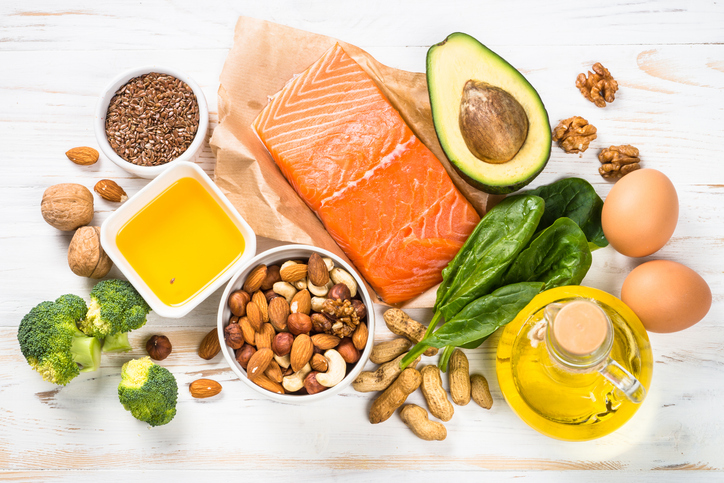

Elements of a Keto Diet Combined with Immunotherapy Could Diminish Prostate Cancer

Researchers from the University of Notre Dame have discovered that combining a pre-ketone supplement, a vital component of the high-fat, low-carbohydrate ketogenic diet, with a specific cancer therapy significantly enhances the treatment of prostate cancer. This finding was recently detailed in an online Cancer Research journal publication.

The study led by Xin Lu, the John M. and Mary Jo Boler Collegiate Associate Professor in the Department of Biological Sciences, alongside collaborators, addressed a longstanding challenge in oncology: prostate cancer’s resistance to immune checkpoint blockade (ICB) therapy. This type of immunotherapy, which prevents specific proteins from binding together, typically enables T cells, our body’s immune warriors, to attack cancer cells. However, this has mainly proven ineffective against prostate cancer, which remains a prevalent cancer among American men.

Sean Murphy, the study’s lead author and a 2024 alumnus pursuing his doctorate in Lu’s lab, was inspired by his adherence to a keto diet and hypothesised that reducing carbohydrate intake could inhibit cancer growth. His rationale was based on the premise that cancer cells predominantly utilise sugar for growth. In his experimental design, he used mouse models, assigning them to various treatment groups: some received immunotherapy alone, others the ketogenic diet alone, or just the pre-ketone supplement, while another set was treated with a combination of the ketogenic diet and immunotherapy, and yet another group received both the supplement and the immunotherapy.

The results were telling. Immunotherapy by itself had minimal impact on the tumours, mirroring the typical response seen in human prostate cancer patients. However, combining the ketogenic diet with immunotherapy and the pre-ketone supplement with immunotherapy substantially reduced the tumours and extended the mice’s lifespan. Notably, the pre-ketone supplement paired with immunotherapy showed the most promising results, leading to the complete elimination of tumours in 23% of the cases and significant tumour reduction in others.

This study suggests that ketone bodies produced by the liver during a ketogenic diet may prevent prostate cancer cells from resisting immunotherapy, potentially paving the way for future clinical trials to explore how ketogenic diets or ketone supplements could improve cancer treatments. According to Murphy and Lu, the study’s success hinged not just on the reduction of carbohydrates but primarily on the presence of the ketone body, which disrupts the metabolic processes of cancer cells, thus allowing the T cells to destroy them effectively.

Moreover, the research unveiled intriguing molecular insights. Using single-cell RNA sequencing to analyse gene expression within individual tumour cells, Lu and his team confirmed their findings. They observed that the combination of the supplement and immunotherapy restructured the entire immune profile of the tumours, significantly increasing T cell infiltration and activity within the tumour microenvironment.

The therapy also decreased neutrophils within the tumour. Neutrophils can usually distort immune responses and facilitate tumour growth. This reduction hints at broader implications for investigating the potential benefits of ketogenic diets and ketone supplements in treating a range of diseases, including inflammatory bowel disease and arthritis.

Lu highlighted the significance of understanding the underlying mechanisms supported by genetic models and observed effects in the tumours, which explains why this combined approach is practical. This breakthrough not only sheds light on a possible new therapeutic pathway for prostate cancer but also opens avenues for broader applications of diet-based interventions in oncology and other fields.

More information: Sean Murphy et al, Ketogenic Diet Alters the Epigenetic and Immune Landscape of Prostate Cancer to Overcome Resistance to Immune Checkpoint Blockade Therapy, Cancer Research. DOI: 10.1158/0008-5472.CAN-23-2742

Journal information: Cancer Research Provided by University of Notre Dame

Time-restricted Feeding Combined with High-Intensity Exercise Could Enhance Health Benefits

A study published on May 1, 2024, in the open-access journal PLOS ONE by Ranya Ameur and Rami Maaloul from the University of Sfax, Tunisia, along with their colleagues, suggests that integrating time-restricted eating with high-intensity functional training could be more effective in improving body composition and cardiometabolic health than either strategy alone.

Diet and exercise are universally recognized methods for weight loss and enhancing cardiometabolic health. The challenge often lies in identifying a sustainable combination of lifestyle adjustments. Previous research has highlighted the potential benefits of time-restricted eating, which involves limiting eating times but not the types of food consumed, and high-intensity functional training, which blends rigorous aerobic and resistance activities. These approaches show health benefits and are sustainable long-term options for individuals.

In this recent investigation, the researchers examined the effects of combining time-restricted eating and high-intensity functional training on body composition and cardiometabolic health indicators such as cholesterol, blood glucose, and lipid levels. The study involved 64 obese women, divided into three groups: one practising time-restricted eating, another engaging in high-intensity functional training, and a third combining both interventions. The time-restricted eating group consumed food only between 8:00 am and 4:00 pm, whereas those in the functional training group exercised under the guidance of an instructor three times a week.

After 12 weeks, significant weight loss and reductions in waist and hip measurements were observed across all groups. Additionally, all groups exhibited positive changes in lipid and glucose levels. Notably, improvements in fat-free mass (comprising lean and skeletal muscle mass) and blood pressure were significant in the combined diet and exercise groups and the exercise-only groups. Still, these parameters remained unchanged in the group that followed only the diet.

The combined diet and exercise group experienced the most substantial improvements in body composition and cardiometabolic health compared to the groups that followed a single intervention. This inspiring result underscores the potential of the combined strategy, offering hope for those seeking to make significant improvements to their health.

The authors conclude that the strategy of merging time-restricted eating with high-intensity functional training holds promise for enhancing body composition and cardiometabolic health. This marks it as a potentially viable and effective approach for health improvement, offering optimism for those seeking to make positive changes to their health.

More information: Ranya Ameur et al, Unlocking the power of synergy: High-intensity functional training and early time-restricted eating for transformative changes in body composition and cardiometabolic health in inactive women with obesity, PLoS ONE. DOI: 10.1371/journal.pone.0301369

Journal information: PLoS ONE Provided by PLOS

American Eating Habits Became Temporarily Healthier and More Varied During the COVID-19 Pandemic

A new study led by researchers from Penn State suggests that American diets may have temporarily improved in healthiness and variety following the onset of the COVID-19 pandemic. Published in the journal PLOS ONE, the research indicates a significant change in dietary patterns as states implemented various pandemic-response measures, including school and restaurant closures. These measures coincided with an improvement in diet quality by as much as 8.5% and an increase in food diversity by up to 2.6%.

Edward Jaenicke, a professor of agricultural economics at Penn State’s College of Agricultural Sciences and co-author of the study, commented that the findings offer a glimpse into the potential lasting benefits of the pandemic on the American diet. “With the closure of dine-in restaurants, we observed a shift towards a more diverse and somewhat healthier diet,” Jaenicke noted. He suggested that the pandemic provides a case study showing that reducing restaurant meals could have lasting benefits on the diversity and healthiness of the American diet, offering a hopeful perspective on the current situation.

The backdrop of this study is particularly stark against pre-pandemic dietary trends in the U.S., which were largely unhealthy according to the Dietary Guidelines for Americans. Despite slight improvements over the years, the average diet in the U.S. remained below recommended standards. The research team was initially focused on how food consumption might change following global catastrophes, such as asteroid impacts or nuclear warfare. However, the unexpected arrival of the COVID-19 pandemic provided a unique and real-time opportunity to examine changes in food consumption patterns during a significant global crisis, sparking intrigue and engagement among the researchers.

The study utilised data from the NielsenIQ Homescan Consumer Panel, which records detailed grocery purchasing data from 41,570 representative U.S. households. This dataset provided insights into the quantity and cost of products bought by these households both before and after the pandemic-triggered closures. By comparing food purchases from the pandemic period to the same period a year earlier within the same households, the researchers could effectively isolate the impact of the pandemic from individual purchasing habits.

The findings showed modest but notable increases in food diversity and significant improvements in diet quality following pandemic-related closures from March to June 2020, depending on the state. These improvements were observed across various demographics, though the change was minor in households with young children, lower incomes, or without access to a car.

Jaenicke pointed out that the closure of restaurants and schools and the subsequent disruptions in food availability at supermarkets led to these dietary shifts. Since Americans typically spend about half their food budget on meals outside the home, the pandemic dramatically altered the food landscape. Several factors might explain the observed dietary changes, including the reduction in restaurant dining often associated with less healthy options, a heightened health consciousness during the pandemic, disruptions in food supply chains prompting consumers to try new products, and changes in the amount of time available to families for cooking and meal preparation. This comprehensive understanding of the factors at play enlightens us about the complexity of dietary changes during a crisis.

Looking ahead, Jaenicke suggested that further research could explore how various types of disasters influence food purchasing and consumption habits, potentially providing valuable insights into managing food systems in times of crisis.

More information: Daniel P. Simandjuntak et al, Pandemic-induced changes in household-level food diversity and diet quality in the U.S., PLoS ONE. DOI: 10.1371/journal.pone.0300839

Journal information: PLoS ONE Provided by Penn State