
Daily Archives: 17 July 2024

Impact of Air Pollution on Brain Inflammation: Accelerating Cognitive Decline and Dementia Risk

A recent study from Denmark suggests that prolonged exposure to air pollution significantly raises the risk of dementia among the population. According to Professor Zorana Jovanovic Andersen from the Section of Environmental Health, the research also indicates a correlation with noise pollution, although this is predominantly attributed to air pollution. The study underscores a growing international consensus on the detrimental effects of air pollution on respiratory and cardiovascular health and brain inflammation, cognitive decline, and dementia risk.

“This groundbreaking study in Denmark reveals a direct association between air pollution and dementia,” Professor Andersen notes. Despite Denmark’s relatively low and declining air pollution levels compared to other regions globally, the findings highlight significant health concerns that warrant immediate policy actions to reduce air pollution. As life expectancy increases and dementia diagnoses rise, addressing air quality becomes crucial for preventing new dementia cases and promoting healthy ageing.

The study, spanning 27 years and involving a cohort of nurses from 1993 to 2020, stands out internationally for its comprehensive approach to understanding dementia development. “Our research not only tracks dementia over extended periods but also meticulously measures air pollution exposure over 41 years, integrating detailed lifestyle and socio-economic data,” explains Research Assistant Stéphane Tuffier from the Section of Environmental Health.

One of the study’s most hopeful findings is that nurses engaging in higher levels of physical activity demonstrated a reduced dementia risk even when exposed to air pollution. As Tuffier observes, Physical activity seems to have a potential protective role in mitigating the adverse effects of air pollution on cognitive health. This suggests that even amidst environmental challenges, exercise could play a significant role in dementia prevention, offering a ray of hope for healthier ageing.

This study underscores the urgent need for targeted policies aimed at reducing air pollution levels, even in a country like Denmark with relatively favourable air quality. By addressing air pollution comprehensively, societies can potentially prevent new cases of dementia and promote healthier ageing, safeguarding cognitive health in ageing populations. This highlights the crucial role of policymakers, health professionals, and individuals in advocating for and implementing these necessary changes.

More information: Stéphane Tuffier et al, Long-term exposure to air pollution and road traffic noise and incidence of dementia in the Danish Nurse Cohort, Alzheimer’s & Dementia. DOI: 10.1002/alz.13814

Journal information: Alzheimer’s & Dementia Provided by The University of Copenhagen, Faculty of Health and Medical Sciences
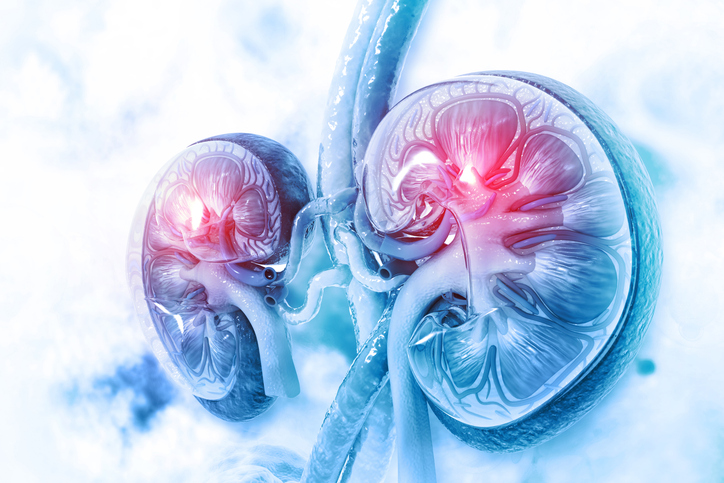
Key Updates and Revisions from the 2022 WHO Classification of Kidney Epithelial Tumors

Renal tumour pathology has evolved significantly, expanding from a classification of just two main types of malignant renal tumours to encompass over 20 distinct entities. Diagnostic methodologies have progressed beyond morphological assessment to include histochemistry, immunohistochemistry (IHC), and molecular genetics. These advancements have been driven by collaborative efforts between the World Health Organization (WHO) and the International Society of Urologic Pathology (ISUP), resulting in a comprehensive framework crucial for accurate diagnosis, effective treatment, and enhanced patient outcomes.

The introduction of new molecular data and therapeutic strategies has transformed the landscape of renal tumour pathology. The 2022 WHO classification of kidney epithelial tumours represents a significant update from its 2016 predecessor, highlighting critical revisions and diagnostic advancements in the field. This comprehensive review explores the rationale behind these updates and elucidates the essential changes in the classification of kidney epithelial tumours.

Despite the emergence of molecular techniques, traditional morphological and cytological features remain fundamental in classifying renal tumours. The 2022 WHO classification maintains a balanced approach by prioritising morphological criteria while integrating molecular genetic information to refine diagnostic accuracy. This dual strategy ensures that traditional and contemporary diagnostic tools are employed, offering a holistic understanding of renal tumour pathology.

The restructured 2022 classification hierarchically organises renal epithelial tumours, beginning with benign tumours followed by malignant counterparts. This systematic approach aligns with a unified framework across all WHO Blue Books, facilitating a streamlined diagnostic process and enhancing clarity in tumour classification. Tumours are categorically defined based on their distinct morphological and cytological characteristics, including clear cell renal tumours, papillary renal tumours, oncocytic and chromophobe renal tumours, collecting duct tumours, other renal tumours, and molecularly defined renal carcinomas.

Significant modifications have been implemented in the classification of established renal tumours. Papillary Renal Cell Carcinoma (PRCC) no longer distinguishes between type 1 and type 2 subtypes, consolidating them under the umbrella of classic PRCC. This adjustment addresses overlapping features and biological behaviours, simplifying diagnostic practices. Clear Cell Papillary Renal Cell Tumors (CCPRCT), previously identified as clear cell PRCC, have been renamed to reflect their consistently indolent nature, differentiating them from more aggressive counterparts and ensuring appropriate clinical management.

Chromophobe Renal Cell Carcinoma (ChRCC) has been refined to acknowledge non-conventional morphologies. It introduces a category for “other oncocytic tumors” exhibiting mixed features, thereby enhancing diagnostic accuracy and treatment planning. RCC-Not Otherwise Specified (RCC-NOS) replaces RCC-Unclassified for tumours that defy categorisation elsewhere, reflecting a more precise approach to classifying renal tumours. A novel category for molecularly defined tumours has been established, incorporating specific genetic alterations such as TFE3-rearranged RCCs, TFEB-altered RCCs, and ELOC-mutated RCCs. These entities necessitate molecular testing for definitive diagnosis, underscoring the integration of molecular genetics into contemporary pathology practices.

The 2022 WHO classification holds profound clinical and diagnostic implications by seamlessly integrating molecular data with conventional histopathological criteria. This integration facilitates accurate prognostication and enables tailored therapeutic strategies, thereby enhancing patient outcomes. The updated classification underscores the imperative for pathologists and clinicians to remain abreast of advancements in molecular diagnostics and their clinical implications.

More information: Muhammed Mubarak et al, Updates from the 2022 WHO Classification of Kidney Epithelial Tumors, Journal of Clinical and Translational Pathology. DOI: 10.14218/JCTP.2024.00002

Journal information: Journal of Clinical and Translational Pathology Provided by Xia & He Publishing Inc.

Deciphering a New Aspect of Parkinson’s – Researchers Uncover the Mechanism of a Crucial Molecular Switch

Scientists at the University of Dundee have uncovered the internal mechanism of a molecular switch that safeguards the brain against Parkinson’s disease. The research offers potential avenues for developing drugs to benefit patients with this rapidly growing brain disorder, for which there are currently no effective treatments to slow or halt progression.

Previous studies at the University identified PINK1, a gene crucial for protecting brain cells from stress. Mutations in PINK1 eliminate this protective effect, leading to the deterioration of movement-controlling cells and the onset of Parkinson’s symptoms.

PINK1 codes for a type of enzyme called a kinase. This enzyme detects damage to cell mitochondria, the powerhouses of cells. PINK1 then initiates a protective pathway by interacting with two essential proteins, ubiquitin and Parkin, to remove damaged components. However, the activation mechanism of PINK1 was previously unknown.

In a study published in Science Advances, researchers from Dundee, along with collaborators from the UK, Netherlands, and Germany, employed biological and artificial intelligence methods to uncover how the PINK1 enzyme is activated. They developed a model illustrating that PINK1 activation occurs through binding to specific regions of the Translocase of outer membrane (TOM) complex, a complex machine on the surface of mitochondria.

The findings highlight that PINK1 utilises unique elements not found in other enzymes, forming a relay switch that activates PINK1 to enable it to target ubiquitin and Parkin, thereby exerting its protective function against Parkinson’s disease.

Professor Miratul Muqit, Consultant Neurologist at the Medical Research Council Protein Phosphorylation and Ubiquitylation Unit (MRC-PPU) in the School of Life Sciences at Dundee, expressed the clinical implications: “As a clinician treating Parkinson’s patients, our research aims to uncover fundamental mechanisms that could lead to new therapeutic approaches in the future.”

Muqit continued, “Our findings contribute to the growing strategies targeting the PINK1 pathway, some of which are entering clinical trials for Parkinson’s patients this year. This study provides a foundation for future research aimed at identifying drug-like molecules that can target PINK1 at the TOM complex.”

Professor Dario Alessi, Director of the MRC-PPU, added, “This research represents bold and meticulous molecular research that enhances our understanding of Parkinson’s disease biology. It also offers new insights into the diagnosis and treatment of PINK1-regulated Parkinson’s disease, paving the way for further crucial investigations.”

More information: Olawale G. Raimi et al, Mechanism of human PINK1 activation at the TOM complex in a reconstituted system, Science Advances. DOI: 10.1126/sciadv.adn7191

Journal information: Science Advances Provided by University of Dundee

The Impact of Work-life Imbalance on Cardiovascular Disease Risk

With longer working hours, pervasive expectations of always being available, and blurred distinctions between work and personal life, workers globally are experiencing the adverse effects of workplace stress infiltrating their homes. This phenomenon, known as work-to-family spillover, has profound implications for mental health, family relationships, work productivity, and job satisfaction. In Singapore, where stress levels exceed the global average, a growing number of individuals report feeling mentally and physically drained by the end of each day. This escalating ‘epidemic’ of work-life imbalance raises critical concerns about its impact on overall physical health, underscoring the urgent need for intervention.

Assistant Professor Andree Hartanto highlighted the limitations of relying solely on self-reported subjective health measures, such as headaches and fatigue, to gauge the full extent of health impacts. He stressed that physiological changes, particularly those affecting the cardiovascular system, can often go unnoticed due to their asymptomatic nature. This gap in understanding is especially concerning given that cardiovascular diseases remain the leading cause of global mortality, claiming 17.9 million lives annually, according to the World Health Organization (WHO). This prompted Professor Hartanto’s team to investigate the consequences of negative work-to-family spillovers on cardiovascular health.

Published in the Journal of Psychosomatic Research, their study, “Negative Work-to-Family Spillover Stress and Elevated Cardiovascular Risk Biomarkers in Midlife and Older Adults,” involved collaboration with former undergraduate students from SMU. The research drew data from the National Survey of Midlife Development in the United States (MIDUS) II Biomarker Project and MIDUS Refresher Biomarker Project, encompassing 1,179 working or self-employed adults. The study cohort, predominantly Caucasian (89%) with an average age of 52.64 years and nearly equal gender representation, provided a robust sample for analysis.

Participants, averaging 41 hours of work per week, underwent comprehensive assessments, including a validated scale to measure negative work-to-family spillover. Additionally, they underwent physical examinations and provided fasting blood samples to assess key cardiovascular biomarkers: high-density lipoprotein (HDL), low-density lipoprotein (LDL), triglycerides, interleukin-6, and C-reactive protein. These biomarkers are critical indicators for cholesterol levels, arterial health, and heart inflammation—fundamental factors in cardiovascular disease risk.

The study revealed significant associations between negative work-to-family spillover and adverse cardiovascular biomarker profiles. Expressly, higher levels of triglycerides, linked to arterial hardening, and lower levels of HDL, associated with elevated cholesterol, were noted among those reporting higher levels of work-life imbalance. Importantly, these findings held even after adjusting for demographic variables, medication usage, health status, and other relevant health behaviours.

These findings underscore the profound impact of work-life imbalance on physiological health, particularly cardiovascular health. Furthermore, correlations were observed between negative work-to-family spillover and inflammation biomarkers such as interleukin-6 and C-reactive protein, highlighting the broader systemic impact of chronic stress on the body. Professor Hartanto’s research thus serves as a critical call to action for organisations, including health professionals, organisational leaders, policymakers, and researchers, to prioritise initiatives that promote healthier work-life balances. Addressing these issues not only supports mental well-being and family cohesion but also empowers you to mitigate significant risks to physical health, reducing the burden of cardiovascular diseases in working populations.

More information: Andree Hartanto et al, Negative work-to-family spillover stress and heightened cardiovascular risk biomarkers in midlife and older adults, Journal of Psychosomatic Research. DOI: 10.1016/j.jpsychores.2024.111594

Journal information: Journal of Psychosomatic Research Provided by Singapore Management University