Daily Archives: 10 July 2024

Exploring the Influence of Temperature and Fermentation Time on the Characteristics of Blueberry Wine

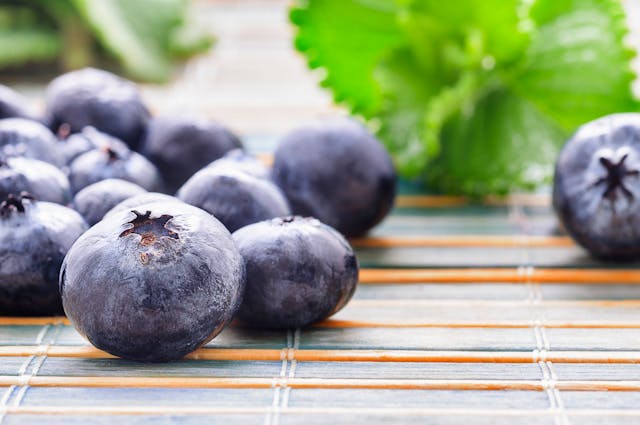
Blueberries, known for their nutrient-rich profile and ubiquitous presence in breakfast smoothies, also find their way into winemaking. However, the process of fermenting these powerful berries raises questions about the preservation of their health-promoting compounds. Researchers from ACS Food Science & Technology delved into this inquiry, investigating how fermentation affects blueberry wine’s bioactive compounds and antioxidant properties.

The study, led by Maria Serratosa and her team, began with 8 litres of blueberry juice sourced from southern Spain. Dividing the juice into 1-litre flasks, they subjected half to a water bath at 17 degrees Celsius (63 degrees Fahrenheit) and the other half to 21 degrees Celsius (70 degrees Fahrenheit). Within each temperature condition, two flasks underwent a lengthy fermentation process to produce dry wine, while the remaining two underwent a shorter fermentation for sweet wine. This experimental setup allowed the researchers to compare the levels of bioactive compounds between the initial juice and the final wine products.

Key compounds of interest included anthocyanins, responsible for wine’s red hue, flavonols known for their antioxidant properties, flavan-3-ols, which contribute to vascular health, tannins that impart astringency, and vitamin C, crucial for tissue repair and immune function. Using a free-radical-scavenging assay, they measured the antioxidant activity of these compounds in both the juice and wines.

The findings revealed that longer fermentation times decreased anthocyanins, tannins, and flavonols while flavan-3-ols increased. Interestingly, vitamin C content remained unaffected by fermentation duration but was significantly lower in wines fermented at a higher temperature (21 degrees Celsius) than those fermented at a lower temperature (17 degrees Celsius). Despite these variations, all wines retained higher antioxidant activity than the original blueberry juice.

The study highlights that while fermenting blueberry juice into wine preserves many of the fruit’s beneficial compounds, temperature and fermentation duration play pivotal roles in shaping the final nutritional profile. Optimising these parameters could enhance the retention of bioactive compounds, thereby maximising the health benefits of this superfood-infused tipple. Further research in this domain could advance winemaking techniques and the nutritional value of blueberry-derived products.

More information: M. Angeles Varo et al, Exploring the Impact of Temperature and Fermentation Time on the Evolution of Bioactive Compounds, Antioxidant Activity, and Color Evolution in Blueberry Wines, ACS Food Science & Technology. DOI: 10.1021/acsfoodscitech.4c00271

Journal information: ACS Food Science & Technology Provided by American Chemical Society
Revolutionary Advances in Combatting Fat and Inflammation: Groundbreaking Compounds Developed by Scientists

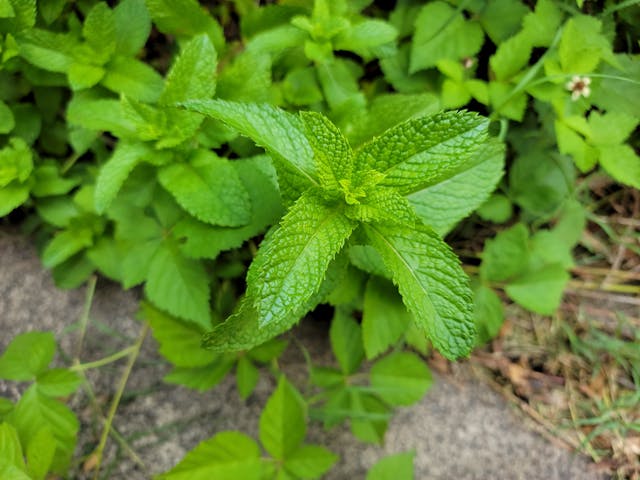
Modified derivatives of natural products have spurred significant therapeutic advances and commercial success in recent years. Menthol, a cyclic monoterpene alcohol naturally found in plants like peppermint and spearmint, is a common ingredient in confectionery, chewing gums, and oral care products owing to its analgesic, anti-inflammatory, and anti-cancer properties.

In a groundbreaking study published in Immunology on May 08, 2024, Professor Gen-ichiro Arimura and his team from Tokyo University of Science developed menthyl esters of valine (MV) and isoleucine (MI). These compounds, derived from menthol by replacing its hydroxyl group with valine and isoleucine, demonstrated exceptional anti-inflammatory effects in vitro and mouse models of induced disease conditions. Notably, MV and MI surpassed menthol in anti-inflammatory assays, suppressing vital inflammatory genes and showing promise in alleviating conditions like intestinal colitis.

The researchers delved into the mechanisms underlying the efficacy of MV and MI, discovering that their action was mediated through the liver X receptor (LXR), an intracellular nuclear receptor crucial for lipid metabolism. This unique mechanism, independent of the cold-sensitive receptor TRPM8 that detects menthol, underscores the intriguing pathway through which these menthyl esters exert their effects.

Building on their findings, the team explored the potential anti-obesity properties of MV and MI. They found that these compounds inhibited fat accumulation during the mitotic clonal expansion stage of adipocyte differentiation, which is crucial for combating diet-induced obesity in mouse models. This dual action against inflammation and obesity positions menthyl esters as promising candidates for addressing metabolic disorders and chronic inflammatory conditions.

Prof. Arimura expressed optimism about the broader implications of their research, suggesting that menthyl esters could potentially treat a spectrum of lifestyle-related diseases linked to metabolic syndrome, such as diabetes and hypertension, as well as allergic symptoms. Their multifaceted benefits and specific mechanisms distinguish them from conventional therapies, offering targeted solutions for individuals grappling with obesity-related complications and chronic inflammation, instilling hope for a healthier future.

The study highlights the potential of menthyl esters derived from natural sources as versatile therapeutic agents. Future research aimed at harnessing their full therapeutic potential could lead to novel treatments for the increasingly prevalent health challenges posed by obesity and inflammatory diseases.

More information: Seidai Takasawa et al, The powerful potential of amino acid menthyl esters for anti-inflammatory and anti-obesity therapies, Immunology. DOI: 10.1111/imm.13798

Journal information: Immunology Provided by Tokyo University of Science

Controlling Chronic Inflammation: Applying the Brakes

Researchers at Weill Cornell Medicine have made a significant discovery linking two critical pathways that control the immune system in mammals. This discovery sheds new light on chronic inflammatory bowel diseases (IBD), which affect over 2 million people in the US and significantly impact their health and quality of life.

Our immune system uses various pathways to protect us from infections, but sometimes, these pathways can become overactive, leading to autoimmune diseases like IBD. One crucial immune factor involved in these diseases is Interleukin-23 (IL-23). It plays a role in fighting infections but can also contribute to inflammatory conditions like IBD, psoriasis, and rheumatoid arthritis. Until now, scientists didn’t fully understand why IL-23 could be beneficial in some situations and harmful in others.

In their study in Nature, researchers found that IL-23 influences a specific type of immune cell called group 3 innate lymphoid cells (ILC3s), which are crucial in protecting mucosal tissues such as the intestines and lungs. When IL-23 interacts with ILC3s, it increases the activity of a regulatory factor called CTLA-4. This factor helps prevent the immune system from attacking the body’s tissues and maintains a healthy balance with beneficial gut bacteria. This mechanism is essential for controlling inflammation in the gut, but it’s disrupted in IBD.

The research highlights ILC3s as a critical link between IL-23-driven inflammation and regulatory mechanisms that maintain gut health. Understanding this link could have broader implications, particularly in cancer treatment. It appears that manipulating these pathways could help to enhance cancer therapies. However, caution is needed because blocking CTLA-4 on ILC3s could worsen gut inflammation, a known side effect of some immunotherapy treatments.

Dr Gregory Sonnenberg, one of the study’s senior authors, emphasised the unexpected nature of their findings and the potential for developing more targeted therapies. By focusing on ILC3s and their response to IL-23, researchers hope to develop treatments to alleviate inflammation associated with IBD and possibly improve cancer therapies by fine-tuning how these pathways are manipulated.

The study used advanced techniques like single-cell RNA sequencing to confirm their findings across different types of immune cells in healthy intestines and in samples from IBD patients. This meticulous approach validated that the IL-23–CTLA-4 pathway is active in healthy intestines but impaired in inflamed intestines of IBD patients, suggesting a potential target for future therapies and instilling confidence in the research’s validity.

Overall, this research deepens our understanding of immune system regulation and opens doors for developing more effective treatments for chronic inflammatory diseases and enhancing cancer therapies. It underscores our immune system’s intricate balance and the potential benefits of precisely targeting specific pathways in disease treatment.

More information: Anees Ahmed et al, CTLA-4-expressing ILC3s restrain interleukin-23-mediated inflammation, Nature. DOI: 10.1038/s41586-024-07537-3

Journal information: Nature Provided by Weill Cornell Medicine

Researchers Recommend Refrigerating Lettuce to Minimize E. coli Contamination Risk

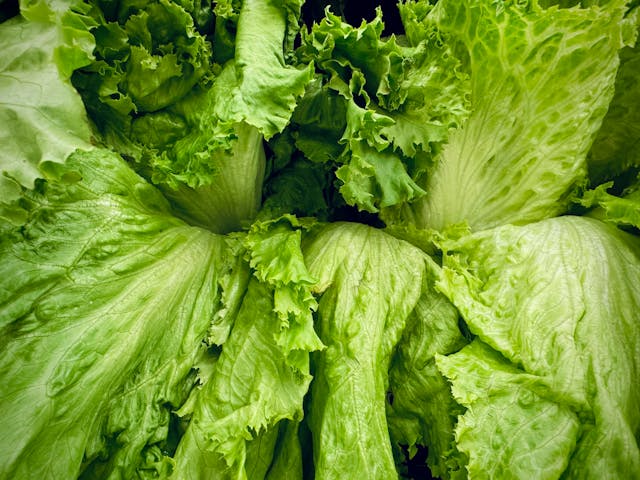
Leafy green vegetables are crucial for their dietary fibre and nutrient content, yet they can harbour harmful pathogens. Lettuce is often implicated in US foodborne illness outbreaks. A recent study by the University of Illinois Urbana-Champaign examined E. coli contamination factors across romaine lettuce, green-leaf lettuce, spinach, kale, and collards.

Lead author Mengyi Dong, now a postdoctoral researcher at Duke University, conducted the research at the Department of Food Science and Human Nutrition (FSHN), ACES, U. of I. The study infected whole leaves of these vegetables with E. coli O157:H7 and observed outcomes after storage at four °C, 20°C, and 37°C. Results showed temperature and leaf surface properties like roughness and natural wax significantly influenced susceptibility.

“E. coli thrives at room temperature or higher on lettuce, but refrigeration at four °C sharply reduces its population. Waxy greens like kale and collards, however, exhibit slower growth in warmth but survive longer when refrigerated,” Dong noted. Despite this, kale and collards are less susceptible overall than lettuce, which is often consumed raw.

The study also compared intact and cut leaves inoculated with E. coli, revealing that spinach, kale, and collard juices possess antimicrobial properties that hinder bacterial growth. The researchers isolated juices from kale and collards, finding potential applications as natural antimicrobial agents in controlling foodborne pathogens throughout the supply chain.

“Vegetables, grown in soil, are naturally exposed to bacteria,” explained co-author Pratik Banerjee, an associate professor in FSHN and Illinois Extension specialist. While acknowledging this complexity, Banerjee emphasised adherence to industry best practices and federal food safety standards to ensure a safe US food supply.

Banerjee and Dong underscore the importance of not discouraging fresh produce consumption but advocate for following food safety protocols: thorough washing, refrigerated storage, and awareness of food recalls. Their findings support ongoing efforts in the research community and federal agencies to address food safety challenges comprehensively.

More information: Mengyi Dong et al, Fates of attached E. coli o157:h7 on intact leaf surfaces revealed leafy green susceptibility, Food Microbiology. DOI: 10.1016/j.fm.2023.104432

Journal information: Food Microbiology Provided by University of Illinois College of Agricultural, Consumer and Environmental Sciences