Daily Archives: 29 July 2024

Scientists release inaugural computational analysis of colonic motility to enhance understanding of ulcerative colitis

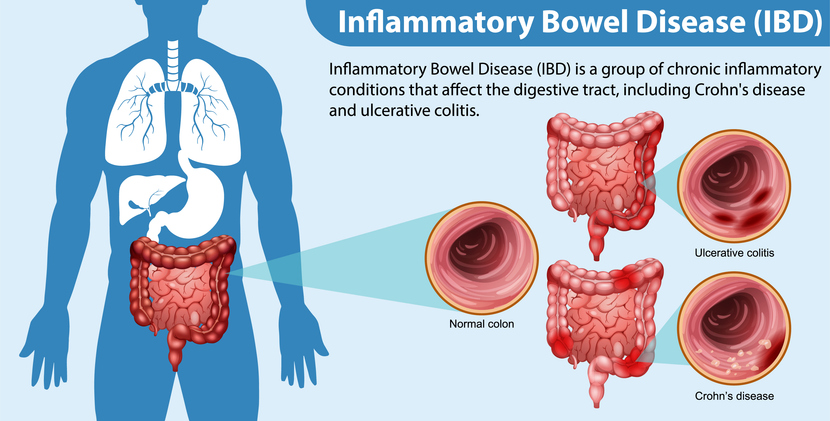
Ulcerative colitis (UC) is a type of inflammatory bowel disease (IBD) that causes inflammation and ulcers (sores) in the digestive tract. This condition predominantly affects the innermost layer of the large intestine, encompassing both the colon and rectum. In Ireland alone, at least 40,000 individuals live with IBD, contributing to a global tally of over 5 million. This widespread prevalence underscores the importance of research to understand better and manage this debilitating condition.

In a groundbreaking study published in Computers in Biology and Medicine, a collaborative effort between CÚRAM researchers at the University of Galway and their counterparts at the University of Birmingham has resulted in a pioneering computational model. This model simulates the distribution of shear stress in the colon, considering variations in mucus thickness. The colon, an essential digestive system component, employs rhythmic contractions to propel waste. These contractions generate mechanical forces that impact the mucus layer lining the colon, which serves as a critical barrier, isolating the body’s internal environment from countless gut microbes.

The novel computational model developed by the research team leverages actual data on colonic movements, mucus properties, and tissue characteristics to recreate this dynamic internal environment. The findings from this study suggest that the mucus layer functions as a lubricant, enhancing faecal velocity and facilitating the passage of waste through the colon. However, this lubricating effect is reduced in UC patients due to a thinner mucus layer, which may lead to constipation. This insight provides a clearer understanding of how UC symptoms develop and offers potential targets for therapeutic intervention.

The study underscores the mucus layer’s protective role, safeguarding the cellular layer responsible for colonic processes against mechanical stress. Led by Dr Yury Rochev from the School of Physics at the University of Galway, the team explored how shear stress differed across various functional zones within the colon. These variations could play a role in regulating cell migration, differentiation, and immune responses. A compromised protective mucus layer, as seen in UC, could lead to increased inflammation and tissue damage. Dr Rochev highlighted the significance of their findings, stating, “Our model shows that mucus significantly enhances faecal flow and eases the movement of waste in the colon, a mechanism that is less effective in ulcerative colitis due to mucus thinning, potentially leading to constipation.”

Moreover, the model sheds light on the mucus’s protective function, shielding the delicate cellular layer that manages essential colonic processes from mechanical forces generated during bowel movements. Dr Rochev further noted, “Our investigations into the mechanical stress distribution across the cellular layer reveal variations that could influence cellular behaviour, which, when disrupted, as in UC, may contribute to inflammation and tissue damage.” The research team is not solely relying on computational simulations; they are also developing an experimental model using “organ-on-a-chip” technology to validate their computational predictions.

Ibrahim Erbay, another researcher on the team, elaborated on their experimental approach: “We are employing intestinal organoids to replicate the thin cellular layer of the colonic surface. By circulating fluid within the organ-on-a-chip platform, we simulate the mechanical forces that are naturally present in the colon.” By integrating computational modelling with rigorous experimental validation, the researchers aim to achieve a detailed understanding of how mechanical forces affect biological processes in both health and disease. This comprehensive approach is expected to enhance our knowledge of gut health and lead to the development of novel, targeted treatments for inflammatory bowel diseases and other digestive disorders. Erbay added, “This research not only deepens our understanding of basic colonic functions at the cellular level but also provides a valuable tool for developing new therapeutic strategies. With our ability to model various drug delivery systems, we can optimise treatments, potentially improving outcomes for conditions affecting the gut.”

More information: I.H. Erbay et al, Computational insights into colonic motility: Mechanical role of mucus in homeostasis and inflammation, Computers in Biology and Medicine. DOI: 10.1016/j.compbiomed.2024.108540

Journal information: Computers in Biology and Medicine Provided by University of Galway
Preliminary Research Offers a Guide for Assessing How Diet Influences Brain Health

Researchers from Johns Hopkins Medicine and the National Institute on Aging at the National Institutes of Health report findings from a study involving 40 overweight and insulin-resistant older adults. These participants were randomly allocated to one of two diet plans: intermittent fasting or a standard healthy diet endorsed by the U.S. Department of Agriculture (USDA). This study sheds light on how each diet may impact brain health.

Insulin resistance is commonly seen in individuals with obesity and is a precursor to type 2 diabetes. It’s also linked to a higher risk of cognitive impairments like Alzheimer’s disease. Therefore, diet-based interventions are frequently explored as potential means to mitigate these risks. Previous research from Johns Hopkins using animal models indicated that intermittent fasting might bolster cognitive functions and enhance insulin sensitivity. The current study, published on June 19 in the journal Cell Metabolism, extends these findings to human subjects, mainly focusing on men and women at risk of cognitive decline. It provides a “blueprint” for utilising a comprehensive set of biomarkers to gauge dietary impacts. This includes the analysis of extracellular vesicles, minuscule particles released from neurons that play a crucial role in cellular communication. These cysts were collected from participants over an eight-week trial period while they adhered to their respective diets.

The findings indicate that both dietary approaches were beneficial, leading to reduced insulin resistance and enhanced cognitive functions such as memory and executive abilities. However, the improvements were more pronounced in those following the intermittent fasting regimen. Mark Mattson, Ph.D., an adjunct professor of neuroscience at Johns Hopkins University and a former chief at the National Institute on Aging, suggests that these findings could inspire further extensive studies incorporating these brain health markers, thereby opening up new avenues for research and discovery in the field of brain health.

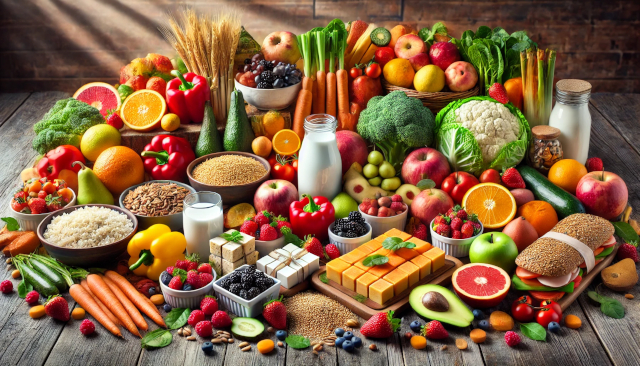
Participants were drawn between June 2015 and December 2022, undergoing four assessments at the National Institute on Aging’s facilities at MedStar Harbor Hospital in Baltimore. Of these, 20 were assigned to the intermittent fasting diet, which limited caloric intake to 25% of daily recommendations for two consecutive days each week. They followed the USDA’s guidelines for the rest of the week, which promote a balanced diet of fruits, vegetables, whole grains, lean proteins, and low-fat dairy while restricting added sugars, saturated fats, and sodium. The remaining 20 participants adhered to the USDA’s diet throughout the week.

The average age of the study participants was 63, and the group included a diverse demographic, ensuring that the findings applied to a wide range of individuals. All participants were clinically obese and exhibited insulin resistance. The study showed that both diets effectively lowered insulin resistance and enhanced metabolic health metrics such as body weight, BMI, waist circumference, and blood lipid levels. Cognitive functions improved significantly, with those on the intermittent fasting diet showing roughly 20% greater enhancement in executive functions and memory.

Some participants experienced minor side effects like constipation, loose stools, and occasional headaches. Moreover, the study noted elevated levels of neurofilament proteins, which are associated with neural structure, particularly in the intermittent fasting group. The implications of these elevated protein levels for brain health remain uncertain. Still, as highlighted by Dr. Mattson, they present a potential avenue for future research into the neuroplastic effects of intermittent fasting.

More information: Dimitrios Kapogiannis et al, Brain responses to intermittent fasting and the healthy living diet in older adults, Cell Metabolism. DOI: 10.1016/j.cmet.2024.05.017

Journal information: Cell Metabolism Provided by Johns Hopkins Medicine

Considering Prunes? They Could Maintain Bone Density and Strength in Elderly Women

Milk isn’t the only dietary option beneficial for bone health. A recent study led by researchers at Penn State has highlighted that prunes may also safeguard bone structure and strength in postmenopausal women. Published in the journal *Osteoporosis International*, the study reveals that regular consumption of prunes can decelerate age-associated bone loss and diminish fracture risks.

“This pioneering randomized controlled trial is the first to investigate three-dimensional bone outcomes, focusing on bone structure, geometry, and estimated strength,” stated Mary Jane De Souza, a distinguished professor of kinesiology and physiology at Penn State. “Our findings indicate that daily intake of prunes affects factors linked to fracture risk, which is clinically invaluable.”

Bone is a dynamic tissue continuously undergoing a remodelling process where specialized cells replace old bone with new. As people age, this balance shifts and bone breakdown surpasses bone formation, leading to accelerated bone loss. This can progress to osteoporosis, characterized by reduced bone density and structural changes that weaken the bone and increase fracture risk. Osteoporosis affects over 10 million Americans, as reported by the Centers for Disease Control and Prevention, and is more prevalent in women than men, particularly in older adults.

The condition is especially concerning for postmenopausal women; according to the researchers, during menopause, estrogen levels, which are crucial for bone health, decline and accelerate bone density loss. Although medications are available to treat osteoporosis, many women who could benefit from them are not using them.

Prunes are a promising natural alternative, as explained by De Souza. They contain bioactive compounds like polyphenols that may inhibit the inflammatory pathways contributing to bone loss. This potential of prunes as a natural alternative is a significant step forward in the field of bone health research.

“When assessing bone mineral density, we evaluate the quantity of bone, but we’re also interested in the quality,” De Souza noted. “With three-dimensional imaging, we can analyze bone structure, geometry, and micro-architecture, providing a comprehensive picture of bone quality.”

To determine if daily prune consumption affects bone quality, the research team conducted a 12-month randomized controlled trial involving 235 postmenopausal women. Participants were divided into three groups: no prunes; 50 grams, or four to six, prunes daily; or 100 grams, or ten to twelve, prunes daily. They underwent peripheral quantitative computed tomography (pQCT) scans every six months, allowing 3D imaging to measure bone mass density, geometry, and strength.

The study revealed that over the year, bone mass density and strength at the tibia decreased in the control group, while those consuming at least four to six prunes daily maintained bone density and strength and preserved bone structure, particularly in cortical bone. Although benefits were observed in both prune groups, the lower dose was more manageable, as participants consuming 100 grams of prunes daily had higher dropout rates due to boredom with the diet.

“It’s an exciting finding from a 12-month study,” remarked De Souza. “We managed to maintain and preserve bone in the weight-bearing cortical bone of the tibia, and maintaining cortical bone and bone strength is crucial for preventing fractures.” This promising result opens the door for further research to explore the potential of prune consumption to reduce osteoporosis risk, as pointed out by De Souza.

More information: Kristen J. Koltun et al, Prunes preserve cortical density and estimated strength of the tibia in a 12-month randomized controlled trial in postmenopausal women: The Prune Study, Osteoporosis International. DOI: 10.1007/s00198-024-07031-6

Journal information: Osteoporosis International Provided by Penn State

Ketogenic Diet Enhances Efficacy of Antifungal Medication in Mice

Approximately 150,000 AIDS patients annually suffer from a critical infection known as fungal meningitis, with limited treatment options available globally. The primary therapeutic agent in many regions is fluconazole, a drug that proves effective in fewer than half of these cases. However, a groundbreaking study led by Duke University researchers has unveiled a potential strategy to enhance treatment efficacy through dietary modification.

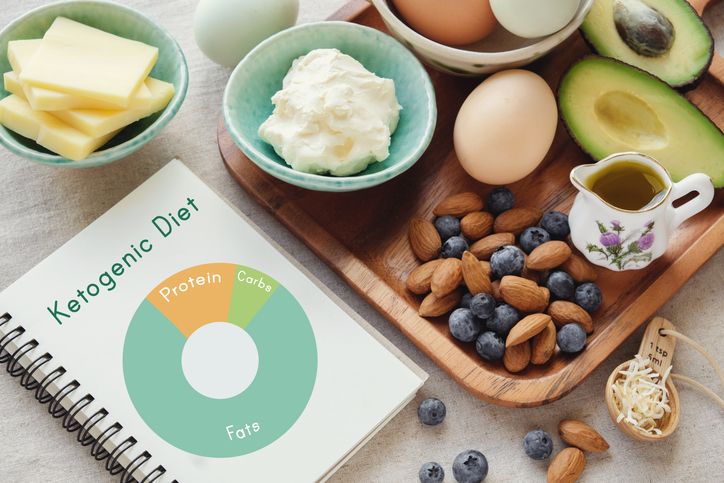
In animal models, this study investigates the synergistic effect of combining fluconazole with a ketogenic diet—a low-carbohydrate, high-fat regimen. The ketogenic diet, traditionally used for over a century to manage epilepsy in children resistant to medication, alters the body’s metabolic state. By severely limiting carbohydrates, the diet forces the body into ketosis, a condition where fats, rather than glucose, become the primary energy source.

In the experimental setup, mice were divided into two dietary groups: one receiving a ketogenic diet consisting predominantly of fats (75% of caloric intake from sources such as lard, butter, and corn oil) and the other a standard laboratory diet with a mere 6.5% fat content. After inducing ketosis in the ketogenic group, both sets of mice were infected with Cryptococcus neoformans—the yeast responsible for fungal meningitis—and subsequently treated with either fluconazole or a placebo.

The results, though preliminary, were promising. While the ketogenic diet alone did not directly reduce fungal infections, its combination with fluconazole dramatically reduced fungal levels within the mice, significantly more so than when the drug was administered independently. Specifically, the combination treatment reduced fungal presence by up to ten thousandfold, compared to a 10- to 100-fold reduction with fluconazole alone.

Further analysis revealed that even a minimal dose of fluconazole, when combined with the ketogenic diet, was as effective as a dose five times greater administered with a standard diet. This enhancement was not restricted to Cryptococcus neoformans; similar potentiation by the ketogenic diet was observed against Candida albicans, another severe fungal pathogen.

The underlying mechanisms by which the ketogenic diet boosts fluconazole’s efficacy have yet to be entirely understood. Hypotheses include alterations in the gut microbiome that may affect drug absorption or an immune system boost that aids in controlling the infection more effectively. Further research is necessary to clarify these dynamics.

Notably, the study also tested the timing of dietary intervention, finding that initiating the ketogenic diet shortly after infection onset was equally effective as pre-treatment. This suggests practical applicability in clinical settings where patients are unlikely to be pre-adapted to such a diet.

Despite these encouraging findings in animal models, caution is warranted. The applicability to human patients remains to be established through rigorous clinical trials. Such research is imperative, given the increasing threat of fungal infections adapting to existing treatments or emerging in new locations. The lack of new antifungal drugs over the past two decades amplifies the need for innovative approaches to enhance the effectiveness of existing medications.

The potential of dietary strategies to improve drug efficacy resonates with the adage quoted by Professor John Perfect, “yYouare what you eat.” These findings could extend beyond nutritional health to include therapeutic enhancements, offering a simple, cost-effective method to bolster antifungal treatments, particularly in resource-limited settings where alternative treatment options are scarce. The implications of this research are far-reaching, offering a beacon of hope for enhancing antifungal therapies against some of the most challenging medical conditions faced today.

More information: Julia R. Palmucci et al, A ketogenic diet enhances fluconazole efficacy in murine models of systemic fungal infection, mBio. DOI: 10.1128/mbio.00649-24

Journal information: mBio Provided by Duke University