Daily Archives: 25 July 2024

Study at Aston University Reveals Social Media Can Boost Fruit and Vegetable Consumption Among Youth

Researchers at Aston University have discovered that engaging with health-focused social media accounts for just two weeks leads to increased fruit and vegetable consumption and reduced intake of unhealthy snacks.

Earlier studies have indicated positive social norms regarding fruit and vegetable intake boost individual consumption. The team at Aston University aimed to explore if a similar positive portrayal of healthy foods on social media platforms would yield comparable results. The study was conducted under the leadership of Dr Lily Hawkins as part of her PhD, with guidance from Dr Jason Thomas and Professor Claire Farrow from the School of Psychology.

The study involved 52 social media users with an average age of 22. These participants were divided into two groups. The first group, the intervention group, was instructed to follow Instagram accounts promoting healthy eating and their regular social media content. The control group was tasked with following accounts related to interior design. Over the two weeks, participants logged their food and drink consumption.

The findings showed that those in the intervention group consumed, on average, an additional 1.4 portions of fruits and vegetables daily and 0.8 fewer items of energy-dense foods, like sugary snacks and drinks. This improvement is significant compared to results from previous educational and social media-based initiatives to enhance dietary habits.

Dr Thomas and his team attribute the change in dietary behaviour to a sense of affiliation with the influencers on the healthy eating accounts, noting that the effect was more substantial among those who felt a connection with other Instagram users.

Considering that the 2018 NHS Health Survey for England revealed only 28% of UK adults meet the recommended five portions of fruit and vegetables per day, and low consumption is linked to significant health issues such as heart disease, cancer, and stroke, finding effective methods to increase fruit and vegetable intake is crucial. Previous successful interventions include posters in public places like canteens and bars to promote healthy eating and discourage excessive drinking. With the widespread use of social media, the researchers are optimistic about its potential to promote healthy eating norms, especially among the younger demographic.

Dr Thomas commented on the implications of the findings, stating, “Although this is just a pilot study, the results are quite promising, suggesting that even small changes to our social media interactions could lead to significant dietary improvements at no cost. Our future research will focus on whether these interventions alter perceptions of others’ eating habits and if these changes are maintained over time.”

Dr Hawkins, now based at the University of Exeter, reflected on their findings’ broader impact: “Our earlier research showed that social media norms could subtly influence eating habits, and this pilot study confirms that such influences extend to real-world behaviour. We are eager to see if these results can be replicated in a larger, community-based sample.”

More information: Lily Hawkins et al, Can social media be used to increase fruit and vegetable consumption? A pilot intervention study, Digital Health. DOI: 10.1177/20552076241241262

Journal information: Digital Health Provided by Aston University
Constructing a Framework for Metabolic Health: From Mice to Humans

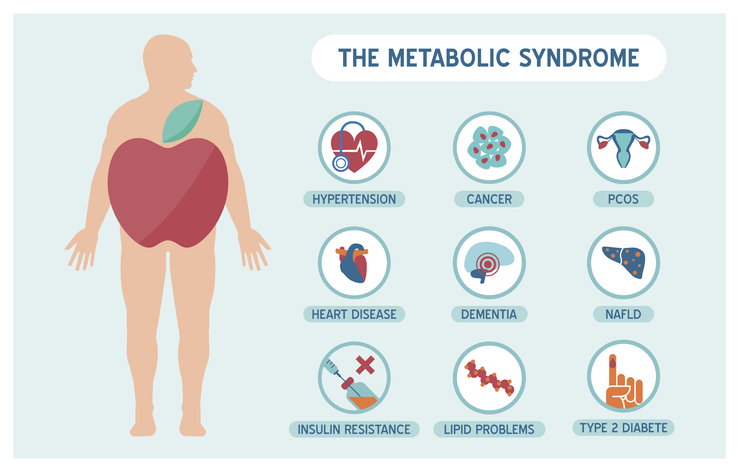
Metabolic syndrome (MetS) is characterized by a collection of risk factors that heighten the likelihood of developing heart disease, type 2 diabetes, and other significant health issues, including elevated blood pressure, high blood sugar levels, excess body fat around the waist, and abnormal cholesterol levels. Despite extensive research, pinpointing the exact genetic factors contributing to MetS and understanding how they interact with environmental influences such as diet and exercise has been challenging due to the complexity of human genetics and lifestyle variability.

To tackle these challenges, Johan Auwerx at EPFL and his team have taken an innovative approach. They have developed a metabolic health score (MHS) using ‘BXD’ mice, a genetically diverse reference population similar to humans. Their research, published in Cell Systems, involved feeding 49 different strains of BXD mice either a standard or a high-fat diet from 8 to 29 weeks of age. By measuring indicators like body fat percentage, fasting blood glucose, triglycerides, total cholesterol, and fasting insulin levels, they formulated an MHS where a higher score indicates better metabolic health.

The team then utilized advanced genetic mapping techniques to identify specific areas in the mouse DNA associated with the MHS. This involved studying liver gene expression and plasma lipid profiles to discover molecular signatures linked to metabolic health. They also examined gene activity in the liver and analyzed blood samples to delve into the molecular workings of metabolism.

Significant findings from the study include identifying two critical genetic regions on chromosomes 7 and 8 that impact metabolic health based on diet. These findings were consistent across various mouse groups, reinforcing the genetic basis of metabolic health. The research also spotlighted two genes, TNKS and MCPH1, associated with metabolic traits in human data from the UK Biobank and other cohorts.

The researchers found optimal metabolic health correlates with effective cholesterol and fatty acid management, reduced activity in specific cellular stress responses, and decreased fat storage processes. Specifically, better metabolic health was linked to lower cholesterol and fatty acid metabolism, reduced mTORC1 signalling—a key regulator of cell growth and metabolism—and diminished responses to unfolded proteins and adipogenesis in the liver.

These insights underscore potential pathways for therapeutic intervention and highlight the crucial role of genetics in metabolic health. The study provides a robust model for studying gene-environment interactions, while the identification of TNKS and MCPH1 as key regulators opens new avenues for understanding and potentially mitigating metabolic diseases. By translating these findings from mice to humans, the research paves the way for personalized approaches to managing and preventing MetS, suggesting a future where targeted interventions can be tailored based on individual genetic profiles and environmental factors.

More information: Xiaoxu Li et al, Systems genetics of metabolic health in the BXD mouse genetic reference population, Cell Systems. DOI: 10.1016/j.cels.2024.05.006

Journal information: Cell Systems Provided by École polytechnique fédérale de Lausanne

Updated Guidelines Released for Peanut Allergy Desensitization Treatment in Patients

Following discussions with children and young individuals with peanut allergies, experts have issued new guidelines for UK National Health Service (NHS) clinicians on the safe and fair implementation of Palforzia® peanut oral immunotherapy. These guidelines, detailed in the journal Clinical & Experimental Allergy, aim to provide comprehensive support to healthcare professionals. In 2022, the National Institute for Health and Care Excellence (NICE) in the UK endorsed the use of Palforzia®, which contains defatted peanut powder as its active component, for the desensitization of children and young people with peanut allergies within the NHS framework.

This latest consensus guidance is designed to assist healthcare providers in administering Palforzia® effectively, including the careful escalation of peanut dosage in patients. Dr Tom Marrs, PhD, from Guy’s and St Thomas’ NHS Foundation Trust and the corresponding author of the guidance, expressed enthusiasm about the advancements in treatment options: “It is significant that we can now provide an actual treatment for peanut allergy, moving beyond mere avoidance and patient education on reaction management. However, a current challenge within the NHS is ensuring that this treatment is accessible equitably to all eligible patients, irrespective of their geographic location or background. This guidance is crucial in outlining the necessities for NHS services to deliver this treatment extensively and champion patient advocacy, thereby establishing best practice models.”

More information: Tom Marrs et al, BSACI guidance for the implementation of Palforzia® peanut oral immunotherapy in the United Kingdom: A Delphi consensus study, Clinical & Experimental Allergy. DOI: 10.1111/cea.14491

Journal information: Clinical & Experimental Allergy Provided by Wiley

Initial Research Indicates Ketogenic Diet Enhances Treatment of Severe Mental Disorders

For individuals who have severe mental conditions like schizophrenia or bipolar disorder, traditional treatments often involve antipsychotic medications. These drugs are crucial for managing brain chemistry but frequently cause unwanted metabolic side effects such as insulin resistance and obesity. Such adverse effects can be so burdensome that many patients choose to discontinue their medication. In an exciting development, researchers from Stanford Medicine conducted a pilot study demonstrating the potential benefits of a ketogenic diet for these patients. This diet not only helps restore their metabolic health while they continue their medication but also appears to enhance their mental health conditions. The study, published on March 27 in Psychiatry Research, highlights the effectiveness of dietary interventions in managing mental illnesses.

Shebani Sethi, MD, an associate professor of psychiatry and behavioural sciences at Stanford and the study’s first author, shared her optimism about the findings. She pointed out how promising it is that individuals could regain some control over their illnesses through methods beyond the standard treatments. The concept for this study originated when Dr. Sethi, who is board-certified in both obesity and psychiatry, observed a patient with treatment-resistant schizophrenia experiencing a reduction in auditory hallucinations while following a ketogenic diet. This observation prompted her to explore existing medical literature, where she found that while the use of ketogenic diets in treating schizophrenia was sparse and outdated, there was substantial evidence supporting its success in managing epileptic seizures.

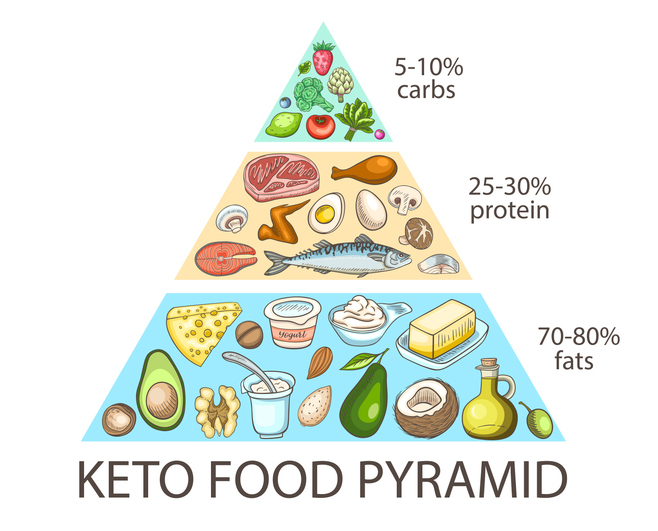
The ketogenic diet’s mechanism, which reduces neuronal excitability in the brain, was seen as potentially beneficial for psychiatric conditions as well. Several years after this initial observation, Dr. Sethi introduced the term “metabolic psychiatry”, establishing a new field that tackles mental health from the perspective of energy conversion. During the four-month pilot trial, Dr. Sethi’s team monitored 21 adult participants diagnosed with schizophrenia or bipolar disorder. These participants were on antipsychotic medications and exhibited metabolic abnormalities such as weight gain or insulin resistance. They were instructed to follow a ketogenic diet, focusing on high fat, moderate protein, and low carbohydrate intake. The diet emphasised whole, non-processed foods, and participants were encouraged not to limit fat intake but to avoid starchy vegetables.

Throughout the trial, adherence to the diet was monitored through weekly measurements of blood ketone levels, a byproduct of fat metabolism. By the end of the study, significant numbers had adhered well to the diet, showing promising metabolic and psychiatric improvements. Before the trial, nearly a third of the participants met the criteria for metabolic syndrome. After four months on the ketogenic diet, none of the participants were classified under this syndrome. They experienced an average weight loss of 10% and reduced waist circumference, blood pressure, body mass index, triglycerides, blood sugar levels, and insulin resistance.

Psychiatrically, the improvements were just as profound. The participants showed a 31% improvement on a psychiatrist’s rating scale of mental illness, with three-quarters of the group exhibiting clinically meaningful improvements. They reported enhanced energy, better sleep quality, improved moods, and greater overall life satisfaction. The researchers believe that psychiatric disorders like schizophrenia and bipolar disorder may have roots in metabolic brain deficits affecting neuron excitability. By improving general metabolic health, the ketogenic diet may also enhance brain metabolism by providing ketones as an alternative brain fuel to glucose.

This pilot study paves the way for more extensive, more comprehensive studies, aiming to understand better the potential therapeutic benefits of dietary interventions in psychiatric care. Dr. Sethi, who also founded and directs the metabolic psychiatry clinic at Stanford Medicine, continues to advocate for metabolic interventions as a means to aid patients struggling with both severe mental illness and metabolic syndromes. She is driven by the desire to offer more practical help and improve the overall well-being of her patients. This research underlines the interconnectedness of physical and mental health, and more tailored treatments that address both aspects can be developed.

More information: Shebani Sethi et al, Ketogenic Diet Intervention on Metabolic and Psychiatric Health in Bipolar and Schizophrenia: A Pilot Trial, Psychiatry Research. DOI: 10.1016/j.psychres.2024.115866

Journal information: Psychiatry Research Provided by Stanford Medicine