Monthly Archives: June 2024

Investigation into the Influence of Summer Heat on Hospital Admissions in Spain

A team from the Barcelona Institute for Global Health, supported by the “la Caixa” Foundation and the French National Institute of Health and Medical Research (Inserm), has analysed the impact of high summer temperatures on hospital admissions in Spain over a decade. Published in Environmental Health Perspectives, their research spans data from over 11.2 million emergency hospital admissions between 2006 and 2019 across 48 provinces in mainland Spain and the Balearic Islands, sourced from the Spanish National Institute of Statistics. The study focused on daily mean temperatures, relative humidity, and concentrations of air pollutants (PM2.5, PM10, NO2, and O3), examining their correlations with various causes of hospitalisation during the summer months (June to September) and by province.

The findings highlight that metabolic disorders and obesity, renal failure, urinary tract infections, sepsis, urolithiasis, and drug poisoning were among the health issues most significantly impacted by high temperatures. The statistical analysis confirmed a widespread increase in cause-specific hospitalisations due to elevated temperatures. Vulnerability varied across age groups, with infants under one year and adults over 85 exhibiting the highest risk of hospital admission. Sex-specific differences also emerged, with men showing a heightened risk of hospitalisation for injuries during hotter days. In contrast, women faced increased risks related to parasitic, endocrine, metabolic, respiratory, or urinary diseases.

According to Hicham Achebak, a researcher at INSERM and ISGlobal and recipient of a Marie Sklodowska-Curie postdoctoral fellowship, the mechanisms through which heat triggers adverse health outcomes remain unclear but are linked to the body’s thermoregulation processes. “Under conditions of heat stress, the body initiates cutaneous vasodilation and sweat production to dissipate heat, which can affect individuals differently based on age, sex, or underlying health conditions,” Achebak explains. He notes that women, for instance, tend to have a higher temperature threshold for activating sweating mechanisms, rendering them more susceptible to heat-related effects.

The study underscores that individuals with obesity are particularly vulnerable to heat-related health issues due to less efficient heat loss responses, exacerbated by body fat acting as an insulator. Moreover, while relative humidity did not significantly influence the heat-related hospitalisation risk across most conditions, lower humidity amplified the risk of acute bronchiolitis. Air pollution and exceptionally high levels of PM2.5 and NO2 intensified the risks of hospitalisation for metabolic disorders, obesity, and diabetes, highlighting the multifaceted impact of environmental factors on health outcomes during high-temperature periods.

Joan Ballester Claramunt, an ISGlobal researcher and senior author of the study, emphasises the nuanced effects of heat waves, noting that while they marginally increased hospitalisation risks for certain diseases like non-respiratory infectious diseases, endocrine and metabolic disorders, and nervous system diseases, the study suggests that current Heat-Health Early Warning Systems should be activated not only during heat waves but also during periods of sustained extreme temperatures.

The study provides critical insights into how summer heat influences hospital admissions in Spain, revealing differential impacts across demographics and health conditions and emphasising the importance of tailored public health strategies to mitigate the health risks associated with rising temperatures.

More information: Hicham Achebak et al, Heat Exposure and Cause-Specific Hospital Admissions in Spain: A Nationwide Cross-Sectional Study, Environmental Health Perspectives. DOI: 10.1289/EHP13254

Journal information: Environmental Health Perspectives Provided by Barcelona Institute for Global Health – ISGLOBAL

Exploring B Vitamin Therapy for Managing the Gut-Brain Axis in Parkinson’s Disease

A recent study led by Nagoya University Graduate School of Medicine in Japan has revealed a significant link between gut microbiota and Parkinson’s disease (PD). Researchers found that individuals with PD show a reduction in gut bacteria responsible for synthesising essential B vitamins B2 (riboflavin) and B7 (biotin). This deficiency is also associated with lower levels of compounds crucial for maintaining the intestinal barrier integrity, which normally prevents toxins from entering the bloodstream and causing inflammation observed in PD. Published in npj Parkinson’s Disease, these findings not only suggest a significant breakthrough in our understanding of PD but also inspire hope by proposing that treatment with B vitamins could potentially alleviate PD symptoms.

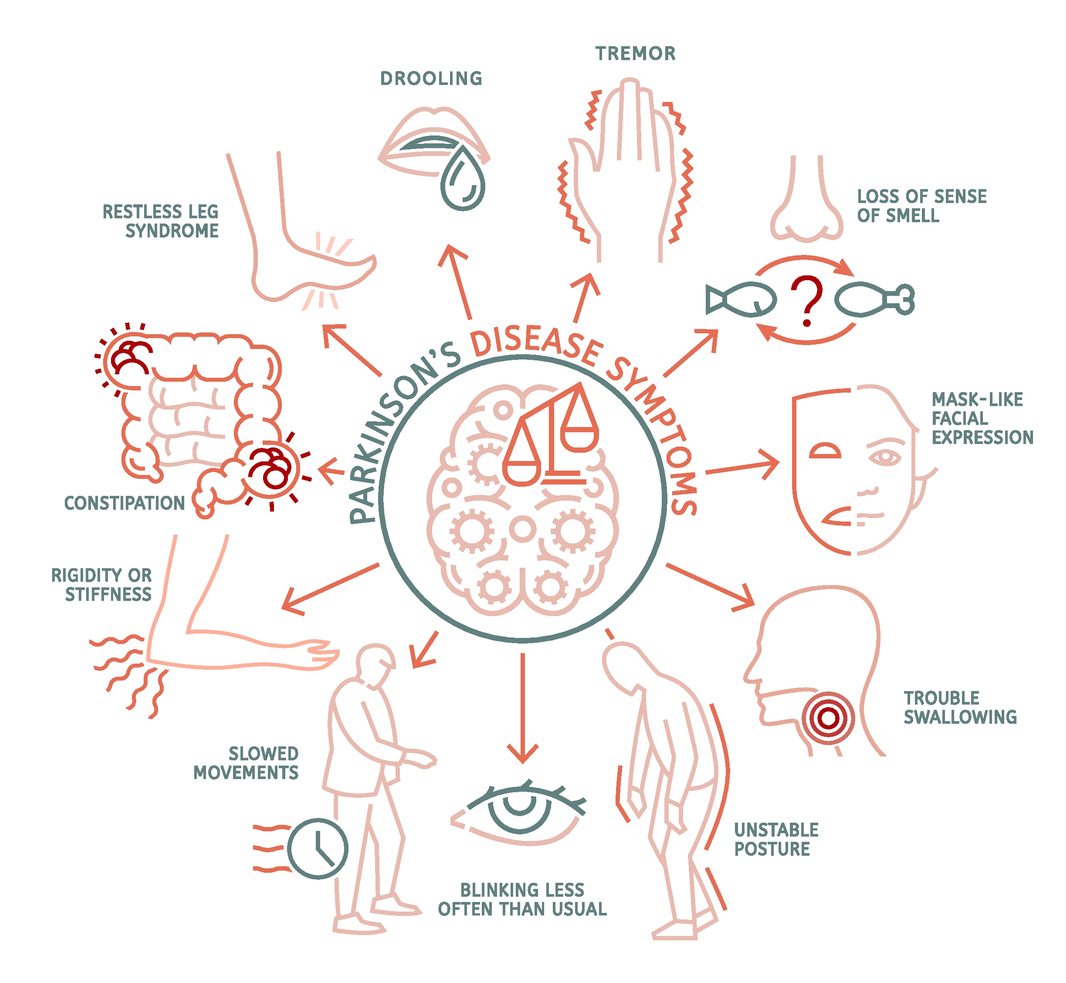
Parkinson’s disease is characterised by debilitating physical symptoms such as tremors, slow movement, stiffness, and balance issues, significantly impairing daily activities and mobility. Although the prevalence of PD varies among populations, it affects approximately 1-2% of individuals aged 55 years and older globally.

The gut microbiota, comprising microorganisms that inhabit the digestive tract, play pivotal roles in various physiological processes. Under optimal conditions, these microorganisms produce short-chain fatty acids (SCFAs) and polyamines, which are crucial for maintaining intestinal barrier integrity. Disruption of this barrier allows toxins to enter the bloodstream, potentially leading to inflammation in the brain and affecting neurotransmission critical for mental health.

To delve deeper into the gut microbial characteristics of PD patients, Hiroshi Nishiwaki and Jun Ueyama from Nagoya University Graduate School of Medicine conducted a comprehensive analysis using stool samples from PD patients across Japan, the United States, Germany, China, and Taiwan. They employed shotgun sequencing, a technique that sequences all genetic material within a sample, providing detailed insights into the microbial community and genetic composition.

Their analysis revealed a notable decrease in bacterial genes responsible for synthesising riboflavin (vitamin B2) and biotin (vitamin B7) among PD patients. These vitamins, derived from dietary sources and gut microbiota, possess anti-inflammatory properties that may counteract the neuroinflammation observed in PD. B vitamins are integral to metabolic processes influencing the production and function of SCFAs and polyamines, essential for maintaining intestinal barrier integrity. Examination of faecal metabolites further confirmed reductions in these compounds in PD patients.

These findings propose a potential mechanism underlying PD progression. According to Nishiwaki, deficiencies in polyamines and SCFAs may lead to thinning of the intestinal mucus layer and increased permeability, which is observed in PD patients. This heightened permeability exposes nerves to toxins, contributing to abnormal aggregation of alpha-synuclein, activating immune cells in the brain, and fostering long-term inflammation.

Nishiwaki suggests that supplementation therapy targeting riboflavin and biotin holds promise as a therapeutic approach to alleviate PD symptoms and slow disease progression. The study underscores the importance of understanding the intricate interplay between gut microbiota, metabolic pathways, and neurodegeneration. Importantly, it highlights the potential of personalised therapy tailored to individual microbiome profiles, which could empower individuals to take control of their health and potentially delay the onset and progression of PD symptoms.

This study represents a significant step towards unravelling the complex relationship between gut microbiota, metabolic pathways, and neurodegenerative diseases like Parkinson’s. It paves the way for targeted interventions that could enhance patient outcomes and quality of life through innovative nutritional therapies.

More information: Hiroshi Nishiwaki et al, Meta-analysis of shotgun sequencing of gut microbiota in Parkinson’s disease, npj Parkinson s Disease. DOI: 10.1038/s41531-024-00724-z

Journal information: npj Parkinson s Disease Provided by Nagoya University

Chronic hypertension prevalence doubled during pregnancy in the U.S. from 2007 to 2021

The incidence of chronic hypertension in pregnancy in the United States doubled between 2007 and 2021, yet only around 60% of those affected received treatment with antihypertensive drugs, according to a study supported by the National Institutes of Health (NIH). Published in the journal Hypertension, the study analysed data from nearly 2 million pregnancies and attributed the rise to increasing maternal age, rising obesity rates, and other demographic shifts.

Lead researcher Stephanie Leonard, PhD, an epidemiologist at Stanford University School of Medicine, highlighted the critical implications of these findings, particularly concerning the high maternal mortality rates associated with chronic hypertension during pregnancy. Despite effective treatment options, the study underscored significant gaps in managing this severe condition.

Chronic hypertension during pregnancy is characterised by sustained high blood pressure (140/90 mm Hg or higher) either before pregnancy or within the first 20 weeks of gestation. It poses considerable risks to both maternal and foetal health, including organ damage, increased likelihood of preterm birth, and low birth weight. Untreated chronic hypertension can also lead to fatal complications if left undetected.

The study’s findings hold particular relevance for Black, American Indian, and Alaska Native populations, who experience disproportionately high rates of adverse maternal health outcomes and pregnancy-related deaths. Candice A. Price, Ph.D., a program director at NHLBI focusing on women’s health research, emphasised the urgent need to address these disparities and improve detection and treatment strategies, especially among high-risk groups.

Using a comprehensive dataset of U.S. commercial insurance claims spanning from 2007 to 2021, researchers observed a more than twofold increase in chronic hypertension prevalence among pregnant individuals, rising from 1.8% in 2008 to 3.7% in 2021. Despite this increase, the percentage of those receiving antihypertensive medications remained relatively stagnant, increasing only from 58% to 60% over the study period.

While the exact reasons behind the surge in chronic hypertension were not the primary focus of the study, Leonard noted that trends mirrored broader hypertension patterns observed in the general adult population and in previous studies covering different time frames. Factors such as advanced maternal age at childbirth and escalating obesity rates were identified as potential contributors to this trend.

The study also evaluated the impact of updated hypertension guidelines introduced by the American College of Cardiology and the American Heart Association in 2017, which lowered the diagnostic thresholds for hypertension in adults. However, the researchers found no immediate association between these guidelines and the observed trends during the 2008-2021 period studied. Leonard suggested that future analyses reveal the influence of the guidelines in subsequent years.

To effectively manage hypertension during pregnancy, experts recommend regular blood pressure monitoring, adherence to prescribed medications, and frequent consultations with healthcare providers. These measures are crucial for minimising the risks associated with chronic hypertension and ensuring optimal maternal and foetal outcomes.

While chronic hypertension prevalence in pregnancy has risen significantly in recent years, there remains a pressing need for enhanced detection, treatment, and management strategies to mitigate its adverse effects on maternal health. Addressing these challenges comprehensively is essential for reducing maternal mortality rates and improving overall pregnancy outcomes in the United States.

More information: Stephanie A. Leonard et al, Chronic Hypertension During Pregnancy: Prevalence and Treatment in the United States, 2008–2021, Hypertension. DOI: 10.1161/HYPERTENSIONAHA.124.22731

Journal information: Hypertension Provided by National Heart Lung & Blood Institute

Cranberry Extracts Enhance Microbiota Health and Combat Cardiometabolic Diseases

Cranberry extracts have shown promising effects in improving intestinal microbiota and preventing chronic diseases such as diabetes and cardiovascular diseases, according to a study by Université Laval and the Institute of Nutrition and Functional Foods (INAF). Led by Yves Desjardins, professor at the Faculty of Agriculture and Food Sciences, the research highlighted significant benefits observed after just four days of cranberry extract consumption.

Known for their high polyphenol content, particularly tannins, cranberries are also rich in oligosaccharides, tiny fibres believed to contribute to their bioactivity. The study demonstrated that these compounds in cranberry extract could stimulate the genus Bifidobacterium, which is known to reduce the risk of metabolic diseases. Jacob Lessard-Lord, a postdoctoral fellow at INAF, noted that cranberry extract effectively boosted these beneficial bacteria even at a dosage nearly 20 times lower than typical dietary fibre intake.

Furthermore, cranberry extracts enhanced the presence of Akkermansia muciniphila, a bacterium crucial for intestinal mucosa health. This enhancement is significant as it helps reduce inflammation and strengthens the intestinal barrier, which protects against the harmful effects of a Western diet. Yves Desjardins explained that a compromised intestinal barrier allows harmful substances like lipopolysaccharides (LPS) from gut bacteria to enter the body, leading to chronic inflammation and metabolic diseases like diabetes and cardiovascular diseases.

The study involved approximately forty participants from INAF who consumed a cranberry supplement twice daily, equivalent to 60 grams of fresh cranberries. Plasma, urine, and stool samples collected before and after the four-day trial indicated positive effects on the participants’ microbiota and inflammatory markers. The initial success in human trials followed promising results in the SHIME in vitro system, which models various regions of the intestine.

Looking ahead, the research team aims to investigate the long-term effects of cranberry extracts and explore individual variations in microbiota response. Jacob Lessard-Lord expressed optimism about the immediate benefits observed and looks forward to further understanding how different microbiota signatures interact with cranberry extracts.

Incorporating cranberry extracts into a balanced diet has the potential to modify inflammatory pathways and improve the prognosis of chronic diseases. By stimulating beneficial bacteria like Akkermansia muciniphila and Bifidobacterium, cranberry extracts promote a healthier gut microbiota environment. Thus, they offer a promising avenue for enhancing intestinal barrier function and mitigating the risks associated with metabolic diseases. Future research will shed light on personalised responses to these extracts, paving the way for targeted dietary disease prevention and management interventions.

More information: Jacob Lessard-Lord et al, Short term supplementation with cranberry extract modulates gut microbiota in human and displays a bifidogenic effect, npj Biofilms and Microbiomes. DOI: 10.1038/s41522-024-00493-w

Journal information: npj Biofilms and Microbiomes Provided by Laval University

Financial Instability’s Impact on Cognitive Health Among Black Americans

Recent research reveals significant disparities in financial stability between Black and white Americans during midlife, which may have profound implications for cognitive health in later years. Led by Chioun Lee, an associate professor of sociology at the University of California, Riverside, the study published in The Journals of Gerontology examines the impact of economic stability on older Black Americans’ cognitive function.

The findings underscore that financial instability, particularly the lack of low-cost debt for investments such as home ownership, disproportionately affects Black Americans. This economic disadvantage impedes wealth accumulation across generations, potentially leading to lower cognitive function in midlife and beyond. The study draws on 22 years of data from the Health and Retirement Study, managed by the University of Michigan and supported by the National Institute on Aging and the Social Security Administration.

Along with co-authors Dana A. Glei from Georgetown University and Soojin Park from UC Riverside’s School of Education, Lee analysed data from over 7,900 older Americans. They found that limited access to affordable debt options contributes to long-term financial strain among Black communities, impacting their ability to access quality healthcare and maintain a high quality of life.

The research challenges the misconception that all debt is detrimental, suggesting that strategic borrowing can enhance financial stability and well-being. However, structural barriers rooted in institutional racism perpetuate disparities in debt and asset profiles between Black and white Americans. Addressing these disparities is crucial for mitigating cognitive health inequalities and delaying conditions such as Alzheimer’s disease and related dementias (AD/ADRD) among racial minorities.

The study’s implications highlight the urgent need for targeted public policies to reduce racial disparities in financial stability and promote equitable access to economic opportunities. By addressing these systemic issues, policymakers can help alleviate the burden of cognitive health disparities experienced by Black Americans and other minority groups.

More information: Chioun Lee et al, Racial Disparities in Cognitive Health Among Older Americans: The Role of Debt–Asset Profiles During Preretirement Age, The Journals of Gerontology Series B. DOI: 10.1093/geronb/gbae014

Journal information: The Journals of Gerontology Series B Provided by University of California, Riverside

The Persistent Cycle of Protein Aggregation in Alzheimer’s Disease and Ageing

The aggregation of insoluble proteins in the brain is a well-established hallmark of Alzheimer’s disease and various other neurodegenerative conditions, as well as a natural consequence of ageing. While traditional approaches to treating Alzheimer’s have typically focused on targeting individual insoluble proteins like amyloid beta or tau, a recent study by researchers at Buck Institute has illuminated broader implications. They conducted a comprehensive investigation using Caenorhabditis elegans, a model organism, to explore the intricate interplay between insoluble proteins in neurodegenerative diseases and ageing.

Edward Anderton, PhD, a postdoctoral fellow at Gordon Lithgow’s lab and co-first author of the study, highlighted their findings suggesting that interventions targeting insoluble proteins could hold promise for treating age-related diseases. The research underscored a crucial intervention: enhancing mitochondrial health to counteract the toxic effects of protein aggregates. By bolstering mitochondrial function, they observed a potential to mitigate or reverse the harmful consequences of protein clumping associated with ageing and diseases like Alzheimer’s.

Their work supports the geroscience hypothesis, which posits common underlying pathways in ageing and age-related diseases and identifies a core insoluble proteome enriched with proteins previously overlooked in disease research. This discovery opens new avenues for therapeutic exploration, challenging the conventional focus on amyloid beta and tau. Gordon Lithgow, PhD, Vice President of Academic Affairs at Buck Institute, stressed the broader implications, suggesting that understanding these proteins’ role in ageing could reshape how we approach Alzheimer’s disease, possibly even in younger populations.

Beyond amyloid beta and tau, which have dominated Alzheimer’s research, the study revealed that numerous other proteins contribute to insoluble aggregations, influencing disease progression and ageing processes. The researchers found that amyloid beta exacerbates protein insolubility during ageing and triggers a cascade effect, accelerating aggregation across a vulnerable subset of proteins termed the “core insoluble proteome.” This subset includes proteins implicated in various neurodegenerative diseases beyond Alzheimer’s, such as Parkinson’s and Huntington’s diseases.

The team’s experiments yielded promising results with Urolithin A, a compound derived from foods like raspberries, walnuts, and pomegranates known for enhancing mitochondrial function. It significantly delayed the toxic effects of amyloid beta in their model system, suggesting a potential therapeutic strategy to mitigate protein aggregation’s detrimental effects. This approach highlights mitochondria’s pivotal role in maintaining cellular health and its potential as a target for interventions to break the decline cycle associated with ageing and neurodegeneration.

In conclusion, the study by Buck researchers sheds light on the complex relationship between insoluble proteins, ageing, and neurodegenerative diseases. It challenges existing paradigms by broadening our understanding of protein aggregation beyond amyloid beta and tau, proposing mitochondria as a critical nexus. By targeting insoluble proteins and enhancing mitochondrial health, the study presents new opportunities to intervene in Alzheimer’s disease and other age-related conditions. This could potentially pave the way for innovative therapeutic strategies focused on enhancing overall mitochondrial function through lifestyle modifications like exercise and diet, instilling optimism about the future of Alzheimer’s research and treatment.

More information: Edward Anderton et al, Amyloid β accelerates age-related proteome-wide protein insolubility, GeroScience. DOI: 10.1007/s11357-024-01169-1

Journal information: GeroScience Provided by Buck Institute for Research on Aging

High Risk of Kidney Complications Found in Hospitalized Older Adults with Heart Failure

Researchers from Brigham and Women’s Hospital, a founding Mass General Brigham healthcare system member, have uncovered significant links between heart failure and kidney disease, prompting innovative approaches to integrate care for these interconnected conditions. Their study analysed data from over 85,000 adults aged 65 and older hospitalised for heart failure across 372 sites in the U.S. Published in JAMA Cardiology, the research revealed a substantial risk of kidney complications, with approximately 6 per cent of patients progressing to dialysis within one year of hospitalisation.

Dr. John Ostrominski, MD, a fellow in Cardiovascular Medicine and Obesity Medicine at the Brigham, highlighted the current compartmentalisation of heart and kidney disease management despite their profound interplay. He emphasised the often asymptomatic nature of declining kidney function, underscoring its critical implications for cardiovascular health. The study advocates for comprehensive analyses to assess kidney outcomes in heart failure patients, aiming to reshape clinical approaches.

Despite approximately two-thirds of older adults with heart failure showing abnormal kidney function, few studies have examined critical kidney outcomes such as acute kidney injury hospitalisations or the need for dialysis. By focusing on these patient-centred outcomes, the research suggests the potential for transformative changes in how heart and kidney diseases are managed together in clinical practice.

The study drew on Medicare claims data to reveal that 63 per cent of discharged patients had significantly impaired kidney function, as measured by filtration rate. It also found a stark escalation in adverse kidney outcomes among those with lower kidney function, with 6 per cent requiring dialysis and 7 per cent progressing to end-stage kidney disease within a year post-discharge.

These findings underscore the need for cardiologists to prioritise assessing kidney function in heart failure patients, including regular filtration rate assessments and screening for albuminuria. The study proposes integrating kidney health considerations into cardiovascular care metrics and expanding Medicare reimbursement for interdisciplinary chronic care management, suggesting systemic changes to enhance patient outcomes.

In addition to clinical insights, the research advocates for broader policy and institutional changes to support simultaneous management of heart and kidney diseases. This includes establishing integrated care clinics, advancing clinical trial efforts to evaluate new treatment strategies, and leveraging existing healthcare frameworks to deliver comprehensive, patient-centred care.

Dr Ostrominski emphasised that while the study’s findings align with existing knowledge on heart-kidney health interactions, its significance lies in providing actionable insights to improve clinical outcomes for heart failure patients. He highlighted critical opportunities at various levels – from individual patient care to healthcare policy – to substantially improve managing these complex health challenges.

More information: John W. Ostrominski et al, Kidney Outcomes Among Medicare Beneficiaries After Hospitalization for Heart Failure, JAMA Cardiology. DOI: 10.1001/jamacardio.2024.1108

Journal information: JAMA Cardiology Provided by Brigham and Women’s Hospital

Artificial Intelligence Health Coaching Reduces Blood Pressure and Enhances Patient Engagement in Hypertension Management

A recent study published in JMIR Cardio by JMIR Publications demonstrates the efficacy of a fully digital, AI-driven lifestyle coaching programme in reducing blood pressure (BP) among adults with hypertension. Led by Jared Leitner from the University of California, San Diego, the research team employed an innovative intervention that integrates data from wearable activity trackers, BP monitors, and a mobile app questionnaire to tailor lifestyle guidance. This approach represents a promising alternative to conventional coaching models for managing hypertension and enhancing patient engagement.

The study, which employed a single-arm nonrandomised trial, delivered personalised lifestyle guidance via SMS text messages and a mobile app to 141 participants over 24 weeks. The results were striking, particularly for participants with stage 2 hypertension, who experienced substantial reductions in both systolic and diastolic BP. By the 12-week mark, systolic BP had decreased by an average of 9.6 mm Hg and diastolic BP by 5.7 mm Hg. These reductions were even more impressive at 24 weeks, with systolic BP decreasing by 14.2 mm Hg and diastolic BP by 8.1 mm Hg.

The precision coaching programme led to an increase in the number of participants achieving BP control and a decrease in the proportion with stage 2 hypertension. Notably, the study highlighted high levels of participant engagement and minimal reliance on manual clinician outreach, indicating that the AI-driven approach enhances BP control and reduces the burden on healthcare providers. Dr Leitner commented, “By identifying key lifestyle factors contributing to patients’ hypertension and offering precise guidance, the AI-powered lifestyle coaching maintained high patient engagement, leading to improved outcomes. This study demonstrates how an autonomous AI-based approach to lifestyle coaching for hypertension management can enhance scalability and accessibility.” This

More information: Jared Leitner et al, The Effect of an AI-Based, Autonomous, Digital Health Intervention Using Precise Lifestyle Guidance on Blood Pressure in Adults With Hypertension: Single-Arm Nonrandomized Trial, JMIR Cardio. DOI: 10.2196/51916

Journal information: JMIR Cardio Provided by JMIR Publications

Cleveland Clinic study finds connection between elevated niacin levels and heart disease

Cleveland Clinic researchers have made a groundbreaking discovery, uncovering a novel pathway implicated in cardiovascular disease associated with elevated levels of niacin, a common B vitamin traditionally used to lower cholesterol. Led by Dr. Stanley Hazen, the team identified 4PY, a metabolite produced from excess niacin, as a significant factor linked to heart disease. Their large-scale clinical studies revealed that higher levels of circulating 4PY were strongly correlated with increased risks of heart attack, stroke, and other adverse cardiac events. Preclinical investigations further demonstrated that 4PY directly initiates vascular inflammation, contributing to the damage of blood vessels and potentially leading to atherosclerosis over time.

Published in Nature Medicine, their study highlights the role of 4PY in vascular inflammation and explores genetic associations that underscore its contribution to cardiovascular health. These findings not only lay the groundwork for potential new therapeutic strategies to mitigate this inflammatory pathway but also bring hope for future treatments.

Dr. Hazen, Chair of Cardiovascular and Metabolic Sciences at Cleveland Clinic’s Lerner Research Institute, emphasises the significance of these discoveries: “What’s particularly compelling about our findings is the identification of a previously unknown yet substantial contributor to cardiovascular disease. Moreover, the measurable nature of this pathway opens avenues for diagnostic testing, setting the stage for novel interventions.”

Niacin, or vitamin B-3, is widely prevalent in Western diets and is fortified in staple foods to prevent nutritional deficiencies. Despite its benefits, concerns arise from the study’s observation that many individuals in their patient cohorts appear to have elevated 4PY levels due to excessive niacin intake. Dr. Hazen likens this to filling a bucket with multiple taps – once complete, overflow occurs, necessitating the body to process surplus niacin into metabolites like 4PY.

He stresses that the study does not advocate eliminating niacin intake but prompts a re-evaluation of its widespread fortification in foods. “Given these insights, there’s a valid discussion about the continued mandate for niacin fortification in staple foods,” says Dr. Hazen. He also cautions against the increasing popularity of over-the-counter niacin supplements, noting their potential risks and advising patients to consult healthcare providers before use. He recommends a balanced diet rich in fruits and vegetables and moderate carbohydrates.

Despite its initial promise, the findings also show why niacin has diminished as a primary cholesterol-lowering treatment. Once a cornerstone in cholesterol management, niacin’s effectiveness was overshadowed by newer medications and its association with adverse effects and higher mortality rates in previous studies. “Niacin’s historical efficacy in cholesterol reduction has been paradoxical,” explains Dr. Hazen. “Despite its ability to lower LDL (‘bad’) cholesterol, its clinical benefits fell short of expectations, possibly due to unclear adverse effects that counteracted its cholesterol-lowering benefits.”

Dr. Hazen underscores the importance of investigating residual cardiovascular risks, noting that their research contributes to understanding these complexities. He emphasises the need for long-term studies to assess how chronic elevation of 4PY levels may influence conditions like atherosclerosis and other related health outcomes, highlighting the potential impact of ongoing research on future health outcomes.

This study continues Dr. Hazen’s pioneering research into factors contributing to residual cardiovascular risk. His team’s longitudinal approach, involving the ongoing monitoring of patients and analysis of blood samples, aims to identify biochemical markers that predict cardiovascular disease development. Their work has been instrumental in uncovering links between gut microbial pathways, inflammatory processes, and metabolic diseases, advancing our understanding of these complex health issues.

More information: Marc Ferrell et al, A terminal metabolite of niacin promotes vascular inflammation and contributes to cardiovascular disease risk, Nature Medicine. DOI: 10.1038/s41591-023-02793-8

Journal information: Nature Medicine Provided by Cleveland Clinic

Health Impacts of Transient Social Isolation

A recent urgent investigation led by researchers from the Penn State College of Health and Human Development and the Center for Healthy Aging has brought to light the intricate relationship between daily experiences of loneliness and their effects on health. This study, published in the journal Health Psychology, echoes the findings of U.S. Surgeon General Vivek Murthy’s 2023 statement, which identified loneliness and isolation as urgent contributors to public health concerns in the United States.

The research delves into the diverse manifestations of loneliness, coinciding with Loneliness Awareness Week from June 10-16. It reveals that chronic loneliness and sporadic feelings of loneliness alike can lead to adverse health outcomes. According to the Surgeon General, sustained loneliness increases the risk of heart disease by 29%, stroke by 32%, and dementia by 50% among older adults. Additionally, individuals frequently experiencing loneliness are more susceptible to depression and other mental health issues compared to their less lonely counterparts.

Based on data from 1,538 participants in the National Study of Daily Experiences (NSDE), part of the MacArthur Foundation Survey of Midlife in the United States, the study focuses on midlife adults aged 35 to 65. This demographic is crucial as previous research on loneliness predominantly centred on adolescents and older adults. Participants conducted telephone interviews over eight consecutive days, reporting daily stress levels, mood, and physical symptoms such as fatigue and headaches.

Results indicate that even individuals who do not typically consider themselves lonely may experience transient feelings that correlate with daily health challenges. The study identifies fluctuations in daily loneliness as significant predictors of health symptoms, suggesting that variations in loneliness levels can impact well-being on a day-to-day basis. Participants with more stable loneliness patterns across the study period reported fewer and less severe physical health symptoms.

David Almeida, professor of human development and family studies at Penn State and senior author of the paper, emphasises the practicality of understanding these daily dynamics. He notes, “Increasing feelings of social connection, even temporarily, can mitigate health symptoms on a given day. This insight offers a practical and hopeful approach to intervening in loneliness-related health issues, empowering individuals to make a difference in their own and others’ lives.”

Lead author Dakota Witzel, a postdoctoral research fellow at the Center for Healthy Aging, highlights the need for a nuanced perspective on loneliness beyond a binary classification. Witzel explains, “Research often treats loneliness as a yes-or-no condition, but in reality, people experience varying levels of loneliness throughout their days and weeks. Recognising these fluctuations is essential for understanding how loneliness affects both short-term and long-term health.”

The findings underscore the significance of addressing daily fluctuations in loneliness as a potential avenue for improving public health strategies. By enhancing daily social connections and support systems, interventions could effectively mitigate the health impacts associated with loneliness. This approach not only supports individual well-being but also aligns with broader public health initiatives, offering hope for tackling loneliness as a pressing societal issue.

More information: Dakota D. Witzel et al, Loneliness Dynamics and Physical Health Symptomology Among Midlife Adults in Daily Life, Health Psychology. DOI: 10.1037/hea0001377

Journal information: Health Psychology Provided by Penn State

Impact of Distance and Socioeconomic Status on Survival Rates in Patients with Chronic Lung Disease

In a recent study led by the University of East Anglia, researchers discovered significant disparities in the outcomes of patients with pulmonary fibrosis based on their socioeconomic status and proximity to healthcare facilities. The findings underscored that individuals from the most economically deprived areas experienced more severe symptoms upon hospital presentation and had lower survival rates compared to those from wealthier regions.

Using data from the British Thoracic Society Interstitial Lung Diseases Registry from 2013 to 2021, the study analysed 2,359 patients with idiopathic pulmonary fibrosis (IPF). It revealed that patients residing farthest from specialised respiratory clinics faced shorter life expectancies than those living nearer. Expressly, an unadjusted analysis indicated a 34% higher risk of mortality among those living further away, with a 29% increase even after adjusting for factors such as smoking, age, and time to referral.

Lead author Professor Andrew Wilson from UEA’s Norwich Medical School emphasised the unprecedented link between social deprivation, travel distance to hospitals, and survival rates for pulmonary fibrosis patients in the UK. He stressed the implications for healthcare planning, urging services to prioritise equitable access for geographically remote and socioeconomically disadvantaged individuals.

The research highlighted a stark reality: patients in the most deprived quintile faced a 36% higher risk of death compared to the least deprived, underscoring the critical impact of social factors on health outcomes. This disparity persisted even after accounting for various demographic and clinical variables, reaffirming the need for targeted interventions to address healthcare inequities.

Bradley Price, director of policy and public affairs at Action For Pulmonary Fibrosis, expressed concern over the healthcare disparities revealed by the study. He called for urgent reforms to ensure that access to timely diagnosis, treatment, and care is not determined by geographic location or socioeconomic status. He advocated for a more integrated regional approach to healthcare delivery.

The study’s findings also suggested potential strategies to mitigate these disparities, including targeted screening programmes and policies to improve access to specialist care for all patients, regardless of their socioeconomic background or geographical residence. However, the researchers stressed the necessity for further investigation to determine the effectiveness of localised care in enhancing survival rates and reducing diagnostic delays.

Alarmingly, the study revealed that 40% of patients experienced symptoms for more than two years before receiving specialist clinic referrals, indicating substantial delays in diagnosis and treatment initiation. This delay was coupled with high rates of respiratory symptoms reported among patients seen in primary care settings, highlighting the importance of raising awareness about IPF among healthcare providers at the primary level.

This research underscores the urgent need for healthcare reforms to address the disparities in survival and care access among pulmonary fibrosis patients based on socioeconomic status and geographic proximity to healthcare facilities. By implementing integrated care pathways and enhancing awareness and access at the primary care level, healthcare systems can improve outcomes and ensure equitable healthcare delivery for all individuals affected by chronic lung diseases like pulmonary fibrosis.

More information: Rashmi Shankar et al, Assessment of the impact of social deprivation, distance to hospital and time to diagnosis on survival in idiopathic pulmonary fibrosis, Respiratory Medicine. DOI: 10.1016/j.rmed.2024.107612

Journal information: Respiratory Medicine Provided by University of East Anglia

Evening Aerobic Exercise Offers Greater Benefits to Elderly Individuals with Hypertension

Recent groundbreaking research at the University of São Paulo’s School of Physical Education and Sports (EEFE-USP) in Brazil has illuminated the optimal timing of aerobic exercise for elderly individuals managing hypertension. Published in The Journal of Physiology, the study highlights the superior efficacy of evening aerobic training in regulating blood pressure compared to morning sessions, providing a significant advancement in the field of cardiovascular health.

Leandro Campos de Brito’s study investigated how timing impacts cardiovascular health outcomes in hypertensive elderly patients. The findings revealed that evening exercise sessions, conducted over ten weeks on stationary bicycles at moderate intensity, resulted in significant improvements in several key cardiovascular parameters. These included reductions in systolic and diastolic blood pressure, enhanced sympathetic baroreflex sensitivity, and better muscle sympathetic nerve activity control.

Central to the study’s findings is the role of the autonomic nervous system, which governs vital functions such as heart rate and blood pressure regulation. Brito and his team observed that evening exercise bolstered baroreflex sensitivity, a mechanism crucial for maintaining stable blood pressure levels. Unlike morning sessions, which showed limited impact on these parameters, evening exercise exhibited marked improvements in autonomic regulation and overall cardiovascular health.

“Our study underscores the critical role of baroreflex sensitivity in enhancing cardiovascular outcomes through evening aerobic exercise,” Brito explained. This mechanism operates by sensing blood pressure changes and adjusting heart rate and arterial contraction to maintain stability. The study’s results suggest that evening exercise optimises these responses, offering a compelling non-pharmacological strategy for managing hypertension in elderly patients.

The research, part of Brito’s postdoctoral project supported by FAPESP and supervised by Professor Cláudia Lúcia de Moraes Forjaz at EEFE-USP, marks a significant advancement in understanding the circadian rhythm influences on cardiovascular health. It builds upon earlier findings by the EEFE-USP team, demonstrating superior blood pressure control with evening aerobic training in hypertensive men.

“Our findings contribute to a growing body of evidence supporting the efficacy of evening exercise for hypertensive patients, particularly those resistant to conventional treatments,” Brito emphasised. The study’s implications extend beyond mere exercise timing, offering insights into personalised therapeutic approaches that harness the body’s natural rhythms to improve health outcomes, paving the way for more effective and tailored treatments in the future.

Moving forward, Brito and his collaborators at Oregon Health & Science University’s Oregon Institute of Occupational Health Sciences in the United States continue to explore circadian rhythm dynamics in cardiovascular health. Their ongoing research aims to elucidate the precise mechanisms through which evening exercise confers its therapeutic benefits, inviting the audience to be part of this continuous journey towards tailored interventions in clinical settings.

The study underscores the transformative potential of evening aerobic exercise as a cornerstone of non-pharmacological hypertension management strategies for elderly patients. By enhancing baroreflex sensitivity and improving autonomic nervous system function, evening exercise offers a promising avenue for promoting cardiovascular health and improving quality of life in hypertensive populations.

More information: Leandro C. Brito et al, Evening but not morning aerobic training improves sympathetic activity and baroreflex sensitivity in elderly patients with treated hypertension, The Journal of Physiology. DOI: 10.1113/JP285966

Journal information: The Journal of Physiology Provided by Fundação de Amparo à Pesquisa do Estado de São Paulo