Author Archives: support

Scientists at the World Institute of Kimchi Identify Lactic Acid Bacteria in Kimchi with Enhanced Virus Resistance

Researchers at the World Institute of Kimchi have successfully isolated lactic acid bacteria (LAB) strains from kimchi that demonstrate high resistance to phages, with these findings stemming from kimchi fermented at low temperatures over extended periods. The team has also elucidated the defence mechanisms employed by these LAB strains against phages, viruses that infect and replicate within bacteria. Kimchi, a staple in Korean cuisine, undergoes lactic acid fermentation in an open, non-sterile environment, contrasting with the sterile, closed systems used for dairy products. This process allows for the spontaneous activation of diverse microorganisms from the raw ingredients, resulting in various LAB species influencing the fermentation, with dominant strains and their durations varying by environmental conditions.

In a detailed investigation into the genetics of LAB in long-term fermented kimchi stored at low temperatures, the research team collected 34 samples from across South Korea, all fermented for over six months at temperatures ranging from -2°C to 10°C. It was discovered that in more than 88% of these samples, Pediococcus inopinatus was the dominant LAB species. Advanced whole-genome sequencing revealed that P. inopinatus has a highly developed clustered regularly interspaced short palindromic repeat (CRISPR) system, a complex adaptive immune system in prokaryotes, consisting of various genes that vary among LAB strains.

Significantly, the P. inopinatus strains possess additional copies of the csa3 gene, which is responsible for encoding the transcription factors of the cas genes that are crucial for the operation of the CRISPR system. The active expression of these genes enables P. inopinatus strains to store extensive genetic data about phages, providing a robust defence against subsequent infections after an initial phage attack. This capability is not only vital for the kimchi industry, which often utilizes LAB strains as starters to produce standardized kimchi with enhanced sensory qualities, but also holds global relevance. Amidst global viral threats like COVID-19, these starter cultures are similarly vulnerable to phage infections, underscoring the need for the development of phage-resistant LAB strains.

Dr. Hae Choon Chang, President of the World Institute of Kimchi and the corresponding author of the study, underscored the unique and robust CRISPR system of P. inopinatus, which defends against a variety of viral invasions. She also highlighted the ongoing research aimed at exploring the antiviral activities and immune spectrum of P. inopinatus. This research holds the promise of extending the applications of P. inopinatus beyond the food industry into pharmaceutical realms, offering new avenues for bio-defense against viral pathogens. The potential of this study not only enhances our understanding of microbial genetics in food fermentation but also promises potential breakthroughs in bio-defence against viral pathogens, instilling hope for the future.

More information: So Yeong Mun et al, Pediococcus inopinatus with a well-developed CRISPR-Cas system dominates in long-term fermented kimchi, Mukeunji, Food Microbiology. DOI: 10.1016/j.fm.2023.104385

Journal information: Food Microbiology Provided by National Research Council of Science and Technology


Recent research indicates a link between renal health and dental loss in women after menopause

Kidneys are essential organs that filter waste products from the blood. Inadequate filtration can lead to severe, life-threatening medical conditions. Recent research published online today in Menopause, the journal of The Menopause Society, indicates that chronic kidney disease might also contribute to tooth loss. This study is the first to assess the relationship between kidney disease and dental health, specifically in postmenopausal women.

The glomerular filtration rate (GFR) is a critical measure of kidney functionality. Research shows that GFR typically declines as women age post-menopause, correlating with decreases in reproductive hormone levels. This hormonal shift often results in abdominal obesity, a condition independently linked to the onset of chronic kidney disease and a higher likelihood of losing teeth.

Kidney disease has wide-ranging effects, notably increasing the risk of bone and cardiovascular issues. Similarly, tooth loss not only reflects poor oral health but is linked with systemic illnesses like diabetes, thyroid disorders, and osteoporosis. It also heightens the risk of stroke and can severely affect essential functions such as chewing and speaking.

Previous research has already established a connection between kidney functionality and tooth count. The latest study, which involved nearly 65,000 participants, focused specifically on postmenopausal women aged between 66 and 79. It found a significant correlation between reduced GFR and having fewer than 20 out of 28 adult teeth, underscoring a strong association between chronic kidney disease and dental loss in this demographic.

These findings underscore the proactive approach needed to manage and prevent mineral and bone metabolism disorders in postmenopausal women with chronic kidney disease. By addressing the progression of kidney disease and its impacts on oral health, we can empower these women to take control of their health and safeguard against tooth loss.

The study, titled “Chronic kidney disease in postmenopausal women is associated with tooth loss,” not only reaffirms the connection between kidney function and bone metabolism but also underscores the importance of oral health as an indicator of overall health. Dr. Stephanie Faubion, medical director for The Menopause Society, stresses maintaining oral and bone health in postmenopausal women with chronic kidney disease, advocating for diligent oral hygiene practices for women of all ages.

More information: Na-Yeong Kim et al, Chronic kidney disease in postmenopausal women is associated with tooth loss, Menopause. DOI: 10.1097/GME.0000000000002375

Journal information: Menopause Provided by The Menopause Society

Research Reveals Mental Health Challenges Among Home Health Aides

Home health aides (HHAs) are increasingly recognized for their crucial role in patient care, particularly for those wishing to age at home. However, these aides face considerable mental health challenges, including stress, isolation, and depression, which can adversely affect their ability to perform their duties effectively. This issue was examined in a study by Weill Cornell Medicine researchers, who noted that these challenges impact the aides’ health and the comfort and safety of their patients. Dr. Madeline Sterling, a primary care physician and associate professor at Weill Cornell Medicine, emphasized the importance of HHAs in maintaining patient well-being and highlighted how certain job aspects influence their mental health.

The research, published in JAMA Network Open on June 6, involved interviews with 28 HHAs in New York City who were identified as being at risk of mental health problems. The study, a collaboration with the 1199SEIU Training and Employment Fund—part of the largest healthcare union in the U.S., 1199SEIU United Healthcare Workers East—revealed how interactions with patients and their families could positively and negatively affect aides’ moods. It also explored the stigma surrounding mental health in the workplace, influenced by personal and cultural factors. Despite various coping mechanisms reported by the aides, there was a clear call for more supportive programs that promote interaction and camaraderie among colleagues.

Faith Wiggins, director of long-term care at the 1199SEIU Training and Employment Fund, underscored the increasing demand for home health services and described an impending “tsunami” of individuals needing care at home. This is supported by a 2022 American Association of Retired Persons (AARP) report, which found that 800,000 people were on waiting lists for home care services, often facing multi-year delays. This demand highlights the pressing need to address the well-being of HHAs to ensure a stable and responsive home care system.

Dr. Sterling pointed out that HHAs are an overlooked yet vital workforce, especially as the population ages. By 2030, it is estimated that 73 million Americans will be 65 or older, with the majority preferring to age in their own homes. Home health care not only caters to this preference but is also more cost-effective compared to institutionalized care. Previous research by Dr. Sterling indicated that even before the Covid-19 pandemic, many HHAs reported poor health outcomes, which worsened in the post-pandemic era.

The study suggests several strategies to enhance the professional lives of HHAs, such as improving salaries and benefits and implementing mental health interventions. Organized peer coaching could be a pivotal part of this strategy, providing training that enhances workplace safety and promotes healthy behaviours. By incorporating mood and stress management into peer coaching, aides could gain further benefits, possibly leading to a structured career pathway that allows for advancement to higher-paying roles such as health coaches.

The authors advocate for further research to develop and implement interventions tailored to the unique cultural and occupational needs of HHAs. Dr. Sterling stressed the necessity of supporting this workforce to ensure the well-being of the patients they care for, highlighting that the health of the patients is directly linked to the well-being of their caregivers. This comprehensive support is essential for the aides’ health and the broader goal of maintaining effective and compassionate home care services.

More information: Melissa Yanez Hernandez et al, Mental Health and Well-Being Among Home Health Aides, JAMA Network Open. DOI: 10.1001/jamanetworkopen.2024.15234

Journal information: JAMA Network Open Provided by Weill Cornell Medicine

Exploring the Potential of Stool Transplants in Parkinson’s Disease Treatment

Parkinson’s disease is a progressive neurodegenerative disorder affecting millions globally, with its prevalence on the rise due to factors such as pesticide exposure and an ageing population. The disease manifests with motoric symptoms, including tremors, stiffness, and balance issues, typically the initial signs leading to diagnosis. However, in many patients, non-motor symptoms like loss of smell, constipation, and sleep disturbances can precede diagnosis by up to two decades.

Central to Parkinson’s pathology is the misfolding and aggregation of alpha-synuclein protein, which damages dopamine-producing nerve cells in the brain, resulting in characteristic symptoms. Current treatments, predominantly dopamine-replacement medications, often exhibit side effects and diminishing efficacy over time.

Emerging research underscores the role of the gut microbiome in Parkinson’s disease progression. It is believed that alpha-synuclein aggregates may originate in the gut wall early in the disease process and travel to the brain via the vagus nerve, which connects the gut to the brain. This process can be influenced by gut bacteria, as individuals with Parkinson’s often exhibit altered microbiomes characterised by increased inflammation and compromised intestinal barriers compared to healthy individuals.

In a groundbreaking initiative, the neurology department at University Hospital Ghent (UZ Gent), in collaboration with Prof. Debby Laukens of Ghent University and Prof. Roosmarijn Vandenbroucke at the VIB-UGent Center for Inflammation Research, embarked on a clinical trial named GUT-PARFECT. This trial investigated the potential therapeutic impact of faecal microbiota transplantation (FMT) from healthy donors on Parkinson’s symptoms over a year. Participants received donor stool via a nasal tube directly into the small intestine.

Dr Arnout Bruggeman, the lead researcher, reports promising outcomes from the study. After twelve months, participants receiving the FMT experienced significant improvements in motor symptoms compared to those in the placebo group. The benefits increased notably between the sixth and twelfth months post-transplantation, suggesting a sustained therapeutic effect. Furthermore, participants experienced alleviation of constipation, a common and distressing symptom of Parkinson’s disease.

The study marks a pivotal advancement in Parkinson’s disease treatment research, demonstrating that FMT could offer a safe, effective, and economically viable therapeutic avenue for enhancing symptoms and quality of life in affected individuals worldwide. However, further investigations are necessary to ascertain whether this treatment approach could slow disease progression.

Prof. Patrick Santens acknowledges the significant challenges encountered in funding and executing such pioneering research, attributing its success to the support of patient organisations, donations to the UGent Parkinson Research Fund, and the participation of willing volunteers in the study’s rigorous procedures.

Looking ahead, Prof. Roosmarijn Vandenbroucke emphasises the need for continued research to identify specific beneficial bacteria in mediating these therapeutic effects. Such insights could pave the way for developing targeted therapies, including bacterial supplements or other innovative treatments that could eventually replace FMT.

The GUT-PARFECT study offers promising evidence that manipulating the gut microbiome through FMT holds substantial promise as a novel therapeutic strategy for Parkinson’s disease. With ongoing research and support, this approach could herald a transformative era in managing this challenging neurological condition.

More information: Arnout Bruggeman et al, Safety and efficacy of faecal microbiota transplantation in patients with mild to moderate Parkinson’s disease (GUT-PARFECT): a double-blind, placebo-controlled, randomised, phase 2 trial, EClinicalMedicine. DOI: 10.1016/j.eclinm.2024.102563

Journal information: EClinicalMedicine Provided by Vlaams Instituut voor Biotechnologie

Disruption of Blood Flow and Vessel Wall Damage in Aortic Dilation

Blood circulates through the body and is pumped by the heart into the aorta approximately once a minute. The aorta, the body’s main artery, receives blood from the heart with each heartbeat.

Aortic dilation can affect any part of the aorta, although the exact mechanism remains unclear. One theory suggests that weakening the connective tissue in the vessel wall may contribute. High blood pressure, age, and genetic predispositions increase the likelihood of aortic dilation. Most individuals with this condition do not experience symptoms, often leading to discovery during routine medical examinations.

Filip Hammaréus, a PhD student at Linköping University and intern physician at Ryhov County Hospital, notes the increasing use of imaging in healthcare. Imaging frequently identifies slightly enlarged aortas. However, a minority of cases may progress to severe dilation, potentially leading to aortic rupture, a life-threatening condition.

Regular monitoring of aortic diameter helps assess risk; larger diameters correlate with higher risks. Preventive surgery is sometimes recommended to prevent complications, although rupture can occur unexpectedly before surgery becomes necessary. Innovations in diagnostic tools are crucial for identifying at-risk patients early, improving personalised treatment strategies and reducing costs.

Petter Dyverfeldt, a professor at Linköping University, highlights ongoing research published in the European Heart Journal—Cardiovascular Imaging. This research aims to develop new methods for assessing risk and disease severity beyond aortic diameter measurements.

Normal blood flow exerts a crucial frictional force on the vessel wall, influencing the health of specialised cells within. Changes in blood flow patterns, particularly abnormal or reduced flow, may signal cellular changes leading to vessel wall weakening.

Advanced imaging techniques, such as 4D flow MRI, allow researchers to visualise blood flow dynamics and their impact on the vessel wall. In recent studies, researchers have observed associations between abnormal blood flow patterns in the aortic wall and elevated levels of inflammatory markers and proteins involved in connective tissue metabolism.

According to Filip Hammaréus, these findings build on existing research by demonstrating previously unexplored connections between blood flow dynamics, inflammation, and connective tissue turnover in patients with a dilated aorta. This novel approach combines magnetic resonance imaging with blood biomarker analysis, providing new insights into disease mechanisms.

Petter Dyverfeldt emphasises that traditional measures like aortic diameter alone may not capture the full complexity of aortic dilation. The study’s findings underscore the importance of integrating advanced imaging and biomarker analysis to enhance understanding and management of this condition.

Ongoing research is expanding our understanding of aortic dilation beyond conventional measures. By investigating the intricate relationships between blood flow dynamics, inflammation, and connective tissue metabolism, researchers aim to refine diagnostic and therapeutic approaches, ultimately improving outcomes for individuals with this complex cardiovascular condition.

More information: Filip Hammaréus et al, Wall shear stress measured with 4D flow CMR correlates with biomarkers of inflammation and collagen synthesis in mild-to-moderate ascending aortic dilation and tricuspid aortic valves, European Heart Journal – Cardiovascular Imaging. DOI: 10.1093/ehjci/jeae130

Journal information: European Heart Journal – Cardiovascular Imaging Provided by Linköping University

Potential Benefits of Novel Weight Loss Medication on Blood Pressure in Adults with Obesity

A study highlighted in the journal Hypertension indicates promising benefits of tirzepatide, a novel weight loss medication, in reducing systolic blood pressure among obese adults. Over eight months, the research involved nearly 500 participants who showed significant decreases in systolic blood pressure while using tirzepatide. This medication operates by mimicking glucagon-like peptide-1 (GLP-1) and glucose-dependent insulinotropic polypeptide (GIP) receptors, thereby enhancing insulin secretion and sensitivity post-meal, which aids in regulating blood sugar levels, slowing digestion, and curbing appetite—ultimately leading to weight loss.

Systolic blood pressure, the higher number in a blood pressure reading, holds more excellent predictive value for cardiovascular mortality than diastolic pressure. According to the American Heart Association’s 2024 statistics, 47% of adults in the United States are afflicted with hypertension, with nearly 42% classified as obese. These statistics underscore the critical need for effective treatments that concurrently address both conditions.

Tirzepatide gained initial approval from the FDA in 2022 for managing Type 2 diabetes and subsequently received approval in late 2023 for chronic weight management in adults with obesity or overweight who have related health conditions like hypertension and diabetes. This dual approval highlights its potential to mitigate multiple health risks associated with obesity, including high blood pressure.

Lead author Dr James A. de Lemos, from UT Southwestern Medical Center, Dallas, noted the study’s findings suggest that tirzepatide not only aids in weight loss but also shows impressive reductions in blood pressure among participants. The study, a planned sub-study within the larger SURMOUNT-1 trial, focused on assessing tirzepatide’s impact on blood pressure using 24-hour ambulatory monitoring in individuals with obesity but without Type 2 diabetes.

Participants in the sub-study were randomly assigned to receive either tirzepatide at varying doses (5 mg, 10 mg, or 15 mg) or a placebo. The results after 36 weeks revealed dose-dependent reductions in systolic blood pressure: 7.4 mm Hg for the 5 mg dose, 10.6 mm Hg for the 10 mg dose, and 8.0 mm Hg for the 15 mg dose. These reductions were consistent across participant subgroups categorized by age, sex, BMI, and hypertension-related risk factors.

Ambulatory blood pressure monitoring, which provides more comprehensive data than traditional office measurements, was used throughout the study. This method involved continuous monitoring over 24 to 27 hours, capturing daytime and nighttime readings. The study’s rigour ensured robust data analysis, though limitations included its subset nature and the limited frequency of nighttime readings.

Dr Michael E. Hall, commenting on the broader implications, highlighted the potential of tirzepatide and similar medications in not only addressing obesity-related complications but also potentially reducing cardiovascular risks associated with conditions like hypertension and diabetes. However, he emphasized the need for further research to ascertain long-term cardiovascular outcomes and the effects on blood pressure post-medication cessation.

In conclusion, the study underscores tirzepatide’s dual benefits in weight management and blood pressure reduction among obese individuals. Future investigations will be crucial in elucidating its sustained effects and broader implications for cardiovascular health, offering hope for improved management strategies against rising global obesity-related health challenges.

More information: James A. de Lemos et al, Tirzepatide Reduces 24-Hour Ambulatory Blood Pressure in Adults With Body Mass Index ≥27 kg/m2: SURMOUNT-1 Ambulatory Blood Pressure Monitoring Substudy, Hypertension. DOI: 10.1161/HYPERTENSIONAHA.123.22022

Journal information: Hypertension Provided by American Heart Association

Nutritional Therapy Outperforms Medication in Managing Irritable Bowel Syndrome

Irritable bowel syndrome (IBS) is a prevalent condition characterised by abdominal pain, gas, bloating, diarrhoea, and constipation, occurring in varying combinations and intensities. Treatment typically involves dietary recommendations, such as consuming smaller, more frequent meals and avoiding triggers like coffee, alcohol, and carbonated drinks. Medications may also alleviate gas, constipation, diarrhoea, bloating, or pain. In some cases, antidepressants are used to manage symptoms effectively.

A recent study published in The Lancet Gastroenterology & Hepatology compared three treatment approaches: two dietary interventions and one medication-based regimen. The study was conducted at Sahlgrenska University Hospital in Gothenburg and focused on adult patients with moderate to severe IBS symptoms.

Superior symptom relief through dietary adjustments was evident. The first group received traditional nutritional advice for IBS, emphasising changes in eating habits coupled with a low intake of fermentable carbohydrates, known as FODMAPs. These include lactose-containing products, legumes, onions, and grains, which ferment in the colon and can exacerbate IBS symptoms.

The second group followed a low-carbohydrate diet rich in protein and fats. The third group received optimised medication based on their most bothersome IBS symptoms. Each group comprised approximately 100 participants undergoing four-week treatment periods. Evaluation using a standardised IBS symptom scoring scale revealed compelling results.

Among those receiving traditional dietary advice and low FODMAP intake, 76% experienced significant symptom reduction. In the low-carbohydrate, high-protein and fat diet group, this figure was 71%, while in the medication group, 58% reported improvement.

Furthermore, all groups reported enhanced quality of life, reduced physical symptoms, and alleviated anxiety and depression symptoms. At a six-month follow-up, even after participants in the dietary groups had partially reverted to their previous eating habits, a substantial number continued to experience clinically meaningful symptom relief: 68% in the traditional nutritional advice and low FODMAP group and 60% in the low-carbohydrate diet group.

The study, led by Sanna Nybacka, Researcher and Dietician, Associate Professor Stine Störsrud, and Professor Magnus Simrén, all from Sahlgrenska Academy, University of Gothenburg, underscores the pivotal role of diet in managing IBS. It highlights the effectiveness of personalised treatment approaches and calls for further investigation into predictive factors for optimal treatment outcomes.

“In this study, we demonstrate the central role of diet in IBS treatment, alongside effective alternative therapies,” explains Sanna Nybacka. “Future research aims to refine personalised treatment strategies for IBS, identifying factors that may influence individual responses to different treatment modalities,” she concludes.

More information: Sanna Nybacka et al, A low FODMAP diet plus traditional dietary advice versus a low-carbohydrate diet versus pharmacological treatment in irritable bowel syndrome (CARIBS): a single-centre, single-blind, randomised controlled trial, The Lancet Gastroenterology & Hepatology. DOI: 10.1016/S2468-1253(24)00045-1

Journal information: The Lancet Gastroenterology & Hepatology Provided by University of Gothenburg

Research Investigates Influence of Workplace Genetic Testing on Employee Health Habits

Genetic testing remains a novel addition to workplace wellness initiatives, yet its potential implications are profound. Researchers from The Jackson Laboratory and the University of Michigan have embarked on a study aimed at uncovering the effects of integrating genetic testing into corporate health programmes while addressing the ethical and social considerations accompanying such advancements.

Their research, scheduled for publication in the August issue of Genetics in Medicine, offers a glimpse into how employees perceive and respond to employer-sponsored genetic testing initiatives. This study captures real-world perspectives following workplace genetic testing (wGT). It provides valuable insights into the decision-making processes of employers who contemplate incorporating genetic testing into their wellness strategies.

“Genetic testing could herald a new era in personal health management,” remarked Kunal Sanghavi, MBBS, M.S., CGC, Associate Director of Genetic Counseling at The Jackson Laboratory for Genomic Medicine, a key leader in the study. “Our findings are particularly pertinent as we explore genetic markers and their application in personalised medicine, potentially revolutionising targeted healthcare delivery.”

The survey-based study engaged participants from an extensive healthcare system encompassing approximately 30,000 employees; all offered genetic testing as part of their workplace benefits starting in the autumn of 2018. Conducted through a third-party service, this testing encompassed genes linked to heightened risks of cancer and heart disease and pharmacogenomic markers that influence medication responses and side effects.

Of the 776 respondents to the web survey, 418 opted for genetic testing and subsequently received their results. The survey collected data on their healthcare utilisation and behavioural changes post-testing. Notably, 12% of those tested discovered elevated cancer risks, while 9.5% identified heightened risks for heart disease. These individuals were significantly more inclined to seek medical advice (8.6 times more likely) and make lifestyle adjustments (3.23 times more likely), underscoring the potential behavioural impact of genetic insights.

“Many participants expressed that receiving their genetic results satisfied their curiosity about their health (74.7%),” noted Elizabeth Charnysh, M.S., CGC, a genetic counsellor at The Jackson Laboratory and the study’s lead author. She highlighted that individuals with negative results, indicating no increased risks, often found reassurance in their health status. However, Charnysh cautioned that genetic testing results should not overshadow other factors influencing disease risks, such as lifestyle choices and family medical history, a crucial point to keep in mind.

The study forms part of a broader initiative titled “Ethical, Legal, Social and Policy Implications of Workplace Genetic Testing,” spearheaded by Charles Lee, PhD, FACMG, and Scott Roberts, PhD, at The Jackson Laboratory and the University of Michigan, respectively. This multifaceted project aims to gather comprehensive insights from employees and employers regarding genetic testing in corporate settings, aiming to shape future workplace genetic testing policies nationwide.

“Understanding employee perspectives on workplace genetic testing is crucial,” explained Roberts, a professor of Health Behavior and Health Education at the University of Michigan. “While it’s encouraging to see proactive health behaviours among those at increased disease risks, further research will determine if these benefits are sustained over time.”

The study not only illuminates the potential benefits of workplace genetic testing but also raises important ethical considerations. Issues such as privacy, the potential for undue stress from test results, and the equitable distribution of healthcare resources are critical areas that demand further exploration. However, the promising potential of workplace genetic testing for personalised health management should instil optimism. Insights gleaned from this research will inform future genetic testing initiatives, ensuring they are ethically sound and maximise potential health benefits while minimising potential harms.

While workplace genetic testing holds promise for personalised health management, its integration into corporate wellness programmes must be approached thoughtfully and ethically. The ongoing research by The Jackson Laboratory and the University of Michigan represents a significant step towards understanding and harnessing the potential of genetic information in the workplace, paving the way for informed policies prioritising employee health and wellbeing.

More information: Elizabeth Charnysh et al, Health care utilization and behavior changes after workplace genetic testing at a large US health care system, Genetics in Medicine. DOI: 10.1016/j.gim.2024.101160

Journal information: Genetics in Medicine Provided by Jackson Laboratory

Impact of Air Pollution on Brain Inflammation: Accelerating Cognitive Decline and Dementia Risk

A recent study from Denmark suggests that prolonged exposure to air pollution significantly raises the risk of dementia among the population. According to Professor Zorana Jovanovic Andersen from the Section of Environmental Health, the research also indicates a correlation with noise pollution, although this is predominantly attributed to air pollution. The study underscores a growing international consensus on the detrimental effects of air pollution on respiratory and cardiovascular health and brain inflammation, cognitive decline, and dementia risk.

“This groundbreaking study in Denmark reveals a direct association between air pollution and dementia,” Professor Andersen notes. Despite Denmark’s relatively low and declining air pollution levels compared to other regions globally, the findings highlight significant health concerns that warrant immediate policy actions to reduce air pollution. As life expectancy increases and dementia diagnoses rise, addressing air quality becomes crucial for preventing new dementia cases and promoting healthy ageing.

The study, spanning 27 years and involving a cohort of nurses from 1993 to 2020, stands out internationally for its comprehensive approach to understanding dementia development. “Our research not only tracks dementia over extended periods but also meticulously measures air pollution exposure over 41 years, integrating detailed lifestyle and socio-economic data,” explains Research Assistant Stéphane Tuffier from the Section of Environmental Health.

One of the study’s most hopeful findings is that nurses engaging in higher levels of physical activity demonstrated a reduced dementia risk even when exposed to air pollution. As Tuffier observes, Physical activity seems to have a potential protective role in mitigating the adverse effects of air pollution on cognitive health. This suggests that even amidst environmental challenges, exercise could play a significant role in dementia prevention, offering a ray of hope for healthier ageing.

This study underscores the urgent need for targeted policies aimed at reducing air pollution levels, even in a country like Denmark with relatively favourable air quality. By addressing air pollution comprehensively, societies can potentially prevent new cases of dementia and promote healthier ageing, safeguarding cognitive health in ageing populations. This highlights the crucial role of policymakers, health professionals, and individuals in advocating for and implementing these necessary changes.

More information: Stéphane Tuffier et al, Long-term exposure to air pollution and road traffic noise and incidence of dementia in the Danish Nurse Cohort, Alzheimer’s & Dementia. DOI: 10.1002/alz.13814

Journal information: Alzheimer’s & Dementia Provided by The University of Copenhagen, Faculty of Health and Medical Sciences

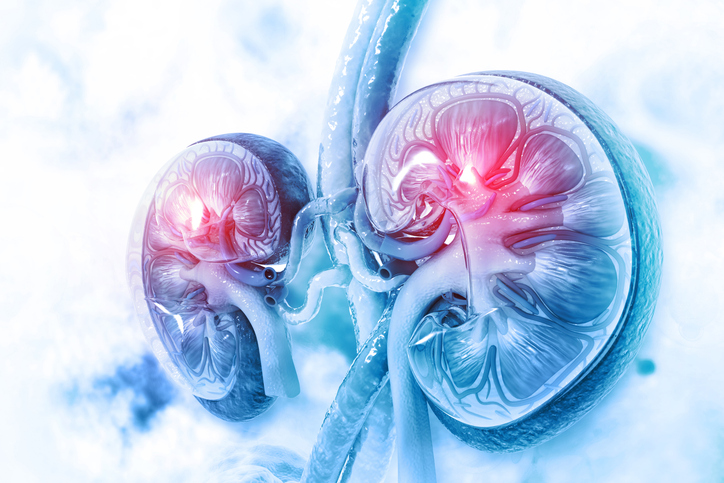
Key Updates and Revisions from the 2022 WHO Classification of Kidney Epithelial Tumors

Renal tumour pathology has evolved significantly, expanding from a classification of just two main types of malignant renal tumours to encompass over 20 distinct entities. Diagnostic methodologies have progressed beyond morphological assessment to include histochemistry, immunohistochemistry (IHC), and molecular genetics. These advancements have been driven by collaborative efforts between the World Health Organization (WHO) and the International Society of Urologic Pathology (ISUP), resulting in a comprehensive framework crucial for accurate diagnosis, effective treatment, and enhanced patient outcomes.

The introduction of new molecular data and therapeutic strategies has transformed the landscape of renal tumour pathology. The 2022 WHO classification of kidney epithelial tumours represents a significant update from its 2016 predecessor, highlighting critical revisions and diagnostic advancements in the field. This comprehensive review explores the rationale behind these updates and elucidates the essential changes in the classification of kidney epithelial tumours.

Despite the emergence of molecular techniques, traditional morphological and cytological features remain fundamental in classifying renal tumours. The 2022 WHO classification maintains a balanced approach by prioritising morphological criteria while integrating molecular genetic information to refine diagnostic accuracy. This dual strategy ensures that traditional and contemporary diagnostic tools are employed, offering a holistic understanding of renal tumour pathology.

The restructured 2022 classification hierarchically organises renal epithelial tumours, beginning with benign tumours followed by malignant counterparts. This systematic approach aligns with a unified framework across all WHO Blue Books, facilitating a streamlined diagnostic process and enhancing clarity in tumour classification. Tumours are categorically defined based on their distinct morphological and cytological characteristics, including clear cell renal tumours, papillary renal tumours, oncocytic and chromophobe renal tumours, collecting duct tumours, other renal tumours, and molecularly defined renal carcinomas.

Significant modifications have been implemented in the classification of established renal tumours. Papillary Renal Cell Carcinoma (PRCC) no longer distinguishes between type 1 and type 2 subtypes, consolidating them under the umbrella of classic PRCC. This adjustment addresses overlapping features and biological behaviours, simplifying diagnostic practices. Clear Cell Papillary Renal Cell Tumors (CCPRCT), previously identified as clear cell PRCC, have been renamed to reflect their consistently indolent nature, differentiating them from more aggressive counterparts and ensuring appropriate clinical management.

Chromophobe Renal Cell Carcinoma (ChRCC) has been refined to acknowledge non-conventional morphologies. It introduces a category for “other oncocytic tumors” exhibiting mixed features, thereby enhancing diagnostic accuracy and treatment planning. RCC-Not Otherwise Specified (RCC-NOS) replaces RCC-Unclassified for tumours that defy categorisation elsewhere, reflecting a more precise approach to classifying renal tumours. A novel category for molecularly defined tumours has been established, incorporating specific genetic alterations such as TFE3-rearranged RCCs, TFEB-altered RCCs, and ELOC-mutated RCCs. These entities necessitate molecular testing for definitive diagnosis, underscoring the integration of molecular genetics into contemporary pathology practices.

The 2022 WHO classification holds profound clinical and diagnostic implications by seamlessly integrating molecular data with conventional histopathological criteria. This integration facilitates accurate prognostication and enables tailored therapeutic strategies, thereby enhancing patient outcomes. The updated classification underscores the imperative for pathologists and clinicians to remain abreast of advancements in molecular diagnostics and their clinical implications.

More information: Muhammed Mubarak et al, Updates from the 2022 WHO Classification of Kidney Epithelial Tumors, Journal of Clinical and Translational Pathology. DOI: 10.14218/JCTP.2024.00002

Journal information: Journal of Clinical and Translational Pathology Provided by Xia & He Publishing Inc.

Deciphering a New Aspect of Parkinson’s – Researchers Uncover the Mechanism of a Crucial Molecular Switch

Scientists at the University of Dundee have uncovered the internal mechanism of a molecular switch that safeguards the brain against Parkinson’s disease. The research offers potential avenues for developing drugs to benefit patients with this rapidly growing brain disorder, for which there are currently no effective treatments to slow or halt progression.

Previous studies at the University identified PINK1, a gene crucial for protecting brain cells from stress. Mutations in PINK1 eliminate this protective effect, leading to the deterioration of movement-controlling cells and the onset of Parkinson’s symptoms.

PINK1 codes for a type of enzyme called a kinase. This enzyme detects damage to cell mitochondria, the powerhouses of cells. PINK1 then initiates a protective pathway by interacting with two essential proteins, ubiquitin and Parkin, to remove damaged components. However, the activation mechanism of PINK1 was previously unknown.

In a study published in Science Advances, researchers from Dundee, along with collaborators from the UK, Netherlands, and Germany, employed biological and artificial intelligence methods to uncover how the PINK1 enzyme is activated. They developed a model illustrating that PINK1 activation occurs through binding to specific regions of the Translocase of outer membrane (TOM) complex, a complex machine on the surface of mitochondria.

The findings highlight that PINK1 utilises unique elements not found in other enzymes, forming a relay switch that activates PINK1 to enable it to target ubiquitin and Parkin, thereby exerting its protective function against Parkinson’s disease.

Professor Miratul Muqit, Consultant Neurologist at the Medical Research Council Protein Phosphorylation and Ubiquitylation Unit (MRC-PPU) in the School of Life Sciences at Dundee, expressed the clinical implications: “As a clinician treating Parkinson’s patients, our research aims to uncover fundamental mechanisms that could lead to new therapeutic approaches in the future.”

Muqit continued, “Our findings contribute to the growing strategies targeting the PINK1 pathway, some of which are entering clinical trials for Parkinson’s patients this year. This study provides a foundation for future research aimed at identifying drug-like molecules that can target PINK1 at the TOM complex.”

Professor Dario Alessi, Director of the MRC-PPU, added, “This research represents bold and meticulous molecular research that enhances our understanding of Parkinson’s disease biology. It also offers new insights into the diagnosis and treatment of PINK1-regulated Parkinson’s disease, paving the way for further crucial investigations.”

More information: Olawale G. Raimi et al, Mechanism of human PINK1 activation at the TOM complex in a reconstituted system, Science Advances. DOI: 10.1126/sciadv.adn7191

Journal information: Science Advances Provided by University of Dundee

The Impact of Work-life Imbalance on Cardiovascular Disease Risk

With longer working hours, pervasive expectations of always being available, and blurred distinctions between work and personal life, workers globally are experiencing the adverse effects of workplace stress infiltrating their homes. This phenomenon, known as work-to-family spillover, has profound implications for mental health, family relationships, work productivity, and job satisfaction. In Singapore, where stress levels exceed the global average, a growing number of individuals report feeling mentally and physically drained by the end of each day. This escalating ‘epidemic’ of work-life imbalance raises critical concerns about its impact on overall physical health, underscoring the urgent need for intervention.

Assistant Professor Andree Hartanto highlighted the limitations of relying solely on self-reported subjective health measures, such as headaches and fatigue, to gauge the full extent of health impacts. He stressed that physiological changes, particularly those affecting the cardiovascular system, can often go unnoticed due to their asymptomatic nature. This gap in understanding is especially concerning given that cardiovascular diseases remain the leading cause of global mortality, claiming 17.9 million lives annually, according to the World Health Organization (WHO). This prompted Professor Hartanto’s team to investigate the consequences of negative work-to-family spillovers on cardiovascular health.

Published in the Journal of Psychosomatic Research, their study, “Negative Work-to-Family Spillover Stress and Elevated Cardiovascular Risk Biomarkers in Midlife and Older Adults,” involved collaboration with former undergraduate students from SMU. The research drew data from the National Survey of Midlife Development in the United States (MIDUS) II Biomarker Project and MIDUS Refresher Biomarker Project, encompassing 1,179 working or self-employed adults. The study cohort, predominantly Caucasian (89%) with an average age of 52.64 years and nearly equal gender representation, provided a robust sample for analysis.

Participants, averaging 41 hours of work per week, underwent comprehensive assessments, including a validated scale to measure negative work-to-family spillover. Additionally, they underwent physical examinations and provided fasting blood samples to assess key cardiovascular biomarkers: high-density lipoprotein (HDL), low-density lipoprotein (LDL), triglycerides, interleukin-6, and C-reactive protein. These biomarkers are critical indicators for cholesterol levels, arterial health, and heart inflammation—fundamental factors in cardiovascular disease risk.

The study revealed significant associations between negative work-to-family spillover and adverse cardiovascular biomarker profiles. Expressly, higher levels of triglycerides, linked to arterial hardening, and lower levels of HDL, associated with elevated cholesterol, were noted among those reporting higher levels of work-life imbalance. Importantly, these findings held even after adjusting for demographic variables, medication usage, health status, and other relevant health behaviours.

These findings underscore the profound impact of work-life imbalance on physiological health, particularly cardiovascular health. Furthermore, correlations were observed between negative work-to-family spillover and inflammation biomarkers such as interleukin-6 and C-reactive protein, highlighting the broader systemic impact of chronic stress on the body. Professor Hartanto’s research thus serves as a critical call to action for organisations, including health professionals, organisational leaders, policymakers, and researchers, to prioritise initiatives that promote healthier work-life balances. Addressing these issues not only supports mental well-being and family cohesion but also empowers you to mitigate significant risks to physical health, reducing the burden of cardiovascular diseases in working populations.

More information: Andree Hartanto et al, Negative work-to-family spillover stress and heightened cardiovascular risk biomarkers in midlife and older adults, Journal of Psychosomatic Research. DOI: 10.1016/j.jpsychores.2024.111594

Journal information: Journal of Psychosomatic Research Provided by Singapore Management University