Thursday, 2 Jul 2026
  • My Feed
  • My Saves
  • History
  • Blog
Living Well Study
  • Blog
  • Ageing Well
  • Brain Health
  • Healthy Diets
  • Physical Wellness
  • Wellness
  • 🔥
  • Wellness
  • older adults
  • Living Well
  • Brain Health
  • dementia
  • public health
  • Ageing Well
  • alzheimer disease
  • physical exercise
  • mental health
Font ResizerAa
Living Well StudyLiving Well Study
  • My Saves
  • My Feed
  • History
Search
  • Pages
    • Home
    • Search Page
  • Personalized
    • Blog
    • My Feed
    • My Saves
    • History
  • Categories
    • Ageing Well
    • Brain Health
    • Healthy Diets
    • Mental Wellness
    • Physical Wellness
    • Wellness
Have an existing account? Sign In
Follow US
© 2022 Foxiz News Network. Ruby Design Company. All Rights Reserved.
Living Well Study > Blog > Wellness > Key Updates and Revisions from the 2022 WHO Classification of Kidney Epithelial Tumors
Wellness

Key Updates and Revisions from the 2022 WHO Classification of Kidney Epithelial Tumors

support
Share
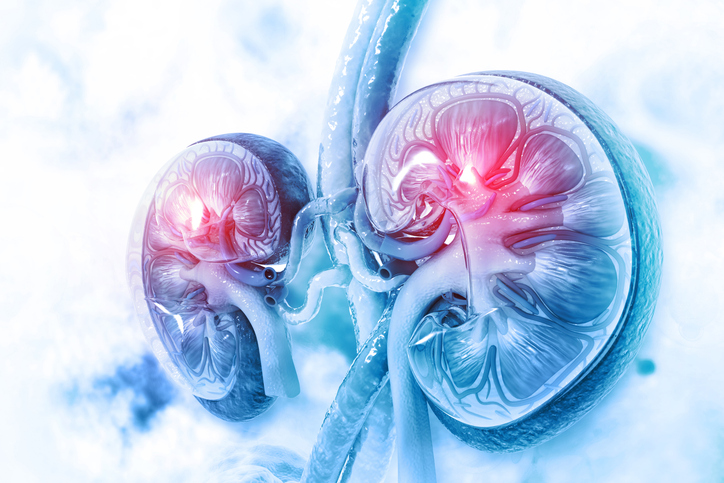
Human kidney cross section on scientific background. 3d illustration. Image by Mohammed Haneefa Nizamudeen via iStock.
SHARE

Renal tumour pathology has evolved significantly, expanding from a classification of just two main types of malignant renal tumours to encompass over 20 distinct entities. Diagnostic methodologies have progressed beyond morphological assessment to include histochemistry, immunohistochemistry (IHC), and molecular genetics. These advancements have been driven by collaborative efforts between the World Health Organization (WHO) and the International Society of Urologic Pathology (ISUP), resulting in a comprehensive framework crucial for accurate diagnosis, effective treatment, and enhanced patient outcomes.

The introduction of new molecular data and therapeutic strategies has transformed the landscape of renal tumour pathology. The 2022 WHO classification of kidney epithelial tumours represents a significant update from its 2016 predecessor, highlighting critical revisions and diagnostic advancements in the field. This comprehensive review explores the rationale behind these updates and elucidates the essential changes in the classification of kidney epithelial tumours.

Despite the emergence of molecular techniques, traditional morphological and cytological features remain fundamental in classifying renal tumours. The 2022 WHO classification maintains a balanced approach by prioritising morphological criteria while integrating molecular genetic information to refine diagnostic accuracy. This dual strategy ensures that traditional and contemporary diagnostic tools are employed, offering a holistic understanding of renal tumour pathology.

The restructured 2022 classification hierarchically organises renal epithelial tumours, beginning with benign tumours followed by malignant counterparts. This systematic approach aligns with a unified framework across all WHO Blue Books, facilitating a streamlined diagnostic process and enhancing clarity in tumour classification. Tumours are categorically defined based on their distinct morphological and cytological characteristics, including clear cell renal tumours, papillary renal tumours, oncocytic and chromophobe renal tumours, collecting duct tumours, other renal tumours, and molecularly defined renal carcinomas.

Significant modifications have been implemented in the classification of established renal tumours. Papillary Renal Cell Carcinoma (PRCC) no longer distinguishes between type 1 and type 2 subtypes, consolidating them under the umbrella of classic PRCC. This adjustment addresses overlapping features and biological behaviours, simplifying diagnostic practices. Clear Cell Papillary Renal Cell Tumors (CCPRCT), previously identified as clear cell PRCC, have been renamed to reflect their consistently indolent nature, differentiating them from more aggressive counterparts and ensuring appropriate clinical management.

Chromophobe Renal Cell Carcinoma (ChRCC) has been refined to acknowledge non-conventional morphologies. It introduces a category for “other oncocytic tumors” exhibiting mixed features, thereby enhancing diagnostic accuracy and treatment planning. RCC-Not Otherwise Specified (RCC-NOS) replaces RCC-Unclassified for tumours that defy categorisation elsewhere, reflecting a more precise approach to classifying renal tumours. A novel category for molecularly defined tumours has been established, incorporating specific genetic alterations such as TFE3-rearranged RCCs, TFEB-altered RCCs, and ELOC-mutated RCCs. These entities necessitate molecular testing for definitive diagnosis, underscoring the integration of molecular genetics into contemporary pathology practices.

The 2022 WHO classification holds profound clinical and diagnostic implications by seamlessly integrating molecular data with conventional histopathological criteria. This integration facilitates accurate prognostication and enables tailored therapeutic strategies, thereby enhancing patient outcomes. The updated classification underscores the imperative for pathologists and clinicians to remain abreast of advancements in molecular diagnostics and their clinical implications.

More information: Muhammed Mubarak et al, Updates from the 2022 WHO Classification of Kidney Epithelial Tumors, Journal of Clinical and Translational Pathology. DOI: 10.14218/JCTP.2024.00002

Journal information: Journal of Clinical and Translational Pathology Provided by Xia & He Publishing Inc.

TAGGED:cell pathologytumor morphology
Share This Article
Email Copy Link Print
Previous Article Deciphering a New Aspect of Parkinson’s – Researchers Uncover the Mechanism of a Crucial Molecular Switch
Next Article Impact of Air Pollution on Brain Inflammation: Accelerating Cognitive Decline and Dementia Risk
Leave a Comment

Leave a Reply Cancel reply

Your email address will not be published. Required fields are marked *

Recent Posts

  • The Key to a Fulfilling Retirement: Staying Social
  • Adopting a Healthy Lifestyle Linked to Slower Biological Ageing in Older Men
  • Innovative Wound Treatment Could Improve Healing and Recovery
  • Bringing Toxoplasmosis Into Focus: A Global Call for Recognition
  • Unravelling the Link Between Brain Iron Accumulation and Neurodegeneration

Tags

adolescents adverse effects ageing populations aging populations air pollution alzheimer disease amyloids anxiety artificial intelligence atopic dermatitis behavioral psychology biomarkers blood pressure body mass index brain cancer cancer research cardiology cardiovascular disease cardiovascular disorders caregivers children climate change effects clinical research cognition cognitive development cognitive disorders cognitive function cognitive neuroscience cohort studies COVID-19 dementia depression diabetes diets discovery research disease control disease intervention disease prevention diseases and disorders environmental health epidemiology foods food science gender studies geriatrics gerontology gut microbiota health and medicine health care health care costs health care delivery heart disease heart failure home care human brain human health hypertension inflammation insomnia life expectancy life sciences longitudinal studies memory disorders menopause mental health metabolic disorders metabolism mortality rates neurodegenerative diseases neurological disorders neurology neuroscience nursing homes nutrients nutrition obesity older adults parkinsons disease physical exercise population studies preventive medicine psychiatric disorders psychological science psychological stress public health research impact risk assessment risk factors risk reduction skin sleep sleep apnea sleep disorders social interaction social research socioeconomics tobacco type 2 diabetes weight loss
July 2026
S M T W T F S
 1234
567891011
12131415161718
19202122232425
262728293031  
« Jun    

This website is for information purpose only and is in no way intended to replace the advice, professional medical care, diagnosis or treatment of a doctor, therapist, dietician or nutritionist.

About | Contact | Cookie Policy | Digital Millennium Copyright Act Notice | Disclaimer | Privacy Policy | Terms of Service

You Might Also Like

Wellness

A Prolonged Ketogenic Diet Leads to the Accumulation of Senescent Cells in Healthy Tissues, Reveals a Study by UT Health San Antonio

By support
Wellness

In what ways does stroke impair speech understanding?

By support
Wellness

Concerns over expenses, time away from employment, and COVID-19 deterred some older adults from undergoing surgical procedures

By support
Wellness

Prolonged loneliness could heighten the risk of stroke in elderly individuals

By support
Living Well Study
Categories
  • Ageing Well
  • Brain Health
  • Healthy Diets
  • Mental Wellness
  • Physical Wellness
  • Wellness
LivingWellStudy
  • About
  • Contact
  • Cookie Policy
  • Digital Millennium Copyright Act Notice
  • Disclaimer
  • Privacy Policy
  • Terms of Service
Welcome Back!

Sign in to your account

Username or Email Address
Password

Lost your password?