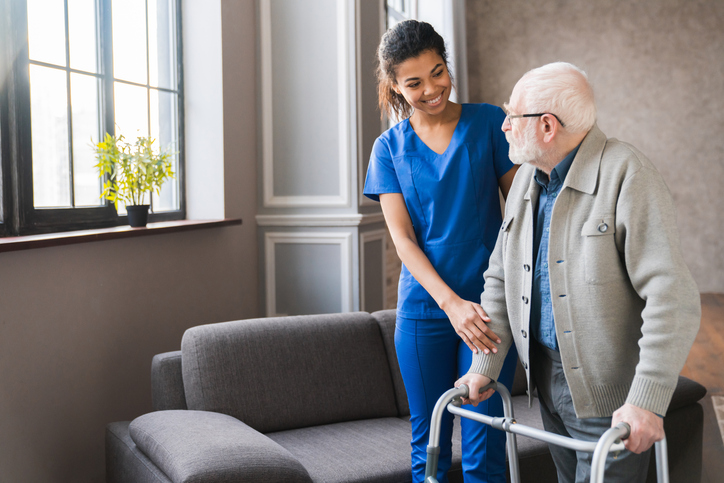
Home health aides (HHAs) are increasingly recognized for their crucial role in patient care, particularly for those wishing to age at home. However, these aides face considerable mental health challenges, including stress, isolation, and depression, which can adversely affect their ability to perform their duties effectively. This issue was examined in a study by Weill Cornell Medicine researchers, who noted that these challenges impact the aides’ health and the comfort and safety of their patients. Dr. Madeline Sterling, a primary care physician and associate professor at Weill Cornell Medicine, emphasized the importance of HHAs in maintaining patient well-being and highlighted how certain job aspects influence their mental health.
The research, published in JAMA Network Open on June 6, involved interviews with 28 HHAs in New York City who were identified as being at risk of mental health problems. The study, a collaboration with the 1199SEIU Training and Employment Fund—part of the largest healthcare union in the U.S., 1199SEIU United Healthcare Workers East—revealed how interactions with patients and their families could positively and negatively affect aides’ moods. It also explored the stigma surrounding mental health in the workplace, influenced by personal and cultural factors. Despite various coping mechanisms reported by the aides, there was a clear call for more supportive programs that promote interaction and camaraderie among colleagues.
Faith Wiggins, director of long-term care at the 1199SEIU Training and Employment Fund, underscored the increasing demand for home health services and described an impending “tsunami” of individuals needing care at home. This is supported by a 2022 American Association of Retired Persons (AARP) report, which found that 800,000 people were on waiting lists for home care services, often facing multi-year delays. This demand highlights the pressing need to address the well-being of HHAs to ensure a stable and responsive home care system.
Dr. Sterling pointed out that HHAs are an overlooked yet vital workforce, especially as the population ages. By 2030, it is estimated that 73 million Americans will be 65 or older, with the majority preferring to age in their own homes. Home health care not only caters to this preference but is also more cost-effective compared to institutionalized care. Previous research by Dr. Sterling indicated that even before the Covid-19 pandemic, many HHAs reported poor health outcomes, which worsened in the post-pandemic era.
The study suggests several strategies to enhance the professional lives of HHAs, such as improving salaries and benefits and implementing mental health interventions. Organized peer coaching could be a pivotal part of this strategy, providing training that enhances workplace safety and promotes healthy behaviours. By incorporating mood and stress management into peer coaching, aides could gain further benefits, possibly leading to a structured career pathway that allows for advancement to higher-paying roles such as health coaches.
The authors advocate for further research to develop and implement interventions tailored to the unique cultural and occupational needs of HHAs. Dr. Sterling stressed the necessity of supporting this workforce to ensure the well-being of the patients they care for, highlighting that the health of the patients is directly linked to the well-being of their caregivers. This comprehensive support is essential for the aides’ health and the broader goal of maintaining effective and compassionate home care services.
More information: Melissa Yanez Hernandez et al, Mental Health and Well-Being Among Home Health Aides, JAMA Network Open. DOI: 10.1001/jamanetworkopen.2024.15234
Journal information: JAMA Network Open Provided by Weill Cornell Medicine