Thursday, 2 Jul 2026
  • My Feed
  • My Saves
  • History
  • Blog
Living Well Study
  • Blog
  • Ageing Well
  • Brain Health
  • Healthy Diets
  • Physical Wellness
  • Wellness
  • 🔥
  • Wellness
  • older adults
  • Living Well
  • Brain Health
  • dementia
  • public health
  • Ageing Well
  • alzheimer disease
  • physical exercise
  • mental health
Font ResizerAa
Living Well StudyLiving Well Study
  • My Saves
  • My Feed
  • History
Search
  • Pages
    • Home
    • Search Page
  • Personalized
    • Blog
    • My Feed
    • My Saves
    • History
  • Categories
    • Ageing Well
    • Brain Health
    • Healthy Diets
    • Mental Wellness
    • Physical Wellness
    • Wellness
Have an existing account? Sign In
Follow US
© 2022 Foxiz News Network. Ruby Design Company. All Rights Reserved.
Living Well Study > Blog > Wellness > Study at Aston University Reveals Social Media Can Boost Fruit and Vegetable Consumption Among Youth
Wellness

Study at Aston University Reveals Social Media Can Boost Fruit and Vegetable Consumption Among Youth

support
Share
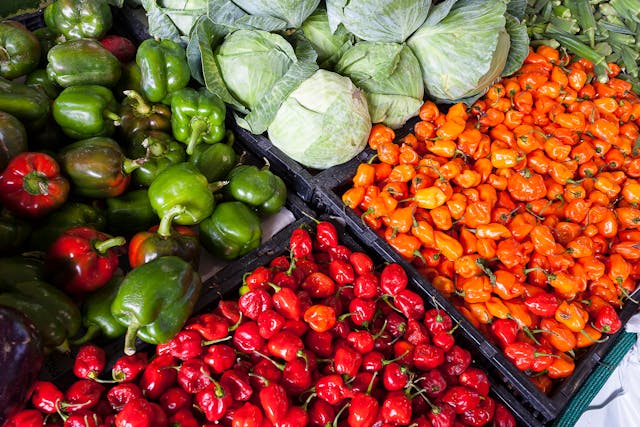
Assorted Vegetable Store Displays. Photo by Mark Stebnicki: https://www.pexels.com/photo/assorted-vegetable-store-displays-2252584/
SHARE

Researchers at Aston University have discovered that engaging with health-focused social media accounts for just two weeks leads to increased fruit and vegetable consumption and reduced intake of unhealthy snacks.

Earlier studies have indicated positive social norms regarding fruit and vegetable intake boost individual consumption. The team at Aston University aimed to explore if a similar positive portrayal of healthy foods on social media platforms would yield comparable results. The study was conducted under the leadership of Dr Lily Hawkins as part of her PhD, with guidance from Dr Jason Thomas and Professor Claire Farrow from the School of Psychology.

The study involved 52 social media users with an average age of 22. These participants were divided into two groups. The first group, the intervention group, was instructed to follow Instagram accounts promoting healthy eating and their regular social media content. The control group was tasked with following accounts related to interior design. Over the two weeks, participants logged their food and drink consumption.

The findings showed that those in the intervention group consumed, on average, an additional 1.4 portions of fruits and vegetables daily and 0.8 fewer items of energy-dense foods, like sugary snacks and drinks. This improvement is significant compared to results from previous educational and social media-based initiatives to enhance dietary habits.

Dr Thomas and his team attribute the change in dietary behaviour to a sense of affiliation with the influencers on the healthy eating accounts, noting that the effect was more substantial among those who felt a connection with other Instagram users.

Considering that the 2018 NHS Health Survey for England revealed only 28% of UK adults meet the recommended five portions of fruit and vegetables per day, and low consumption is linked to significant health issues such as heart disease, cancer, and stroke, finding effective methods to increase fruit and vegetable intake is crucial. Previous successful interventions include posters in public places like canteens and bars to promote healthy eating and discourage excessive drinking. With the widespread use of social media, the researchers are optimistic about its potential to promote healthy eating norms, especially among the younger demographic.

Dr Thomas commented on the implications of the findings, stating, “Although this is just a pilot study, the results are quite promising, suggesting that even small changes to our social media interactions could lead to significant dietary improvements at no cost. Our future research will focus on whether these interventions alter perceptions of others’ eating habits and if these changes are maintained over time.”

Dr Hawkins, now based at the University of Exeter, reflected on their findings’ broader impact: “Our earlier research showed that social media norms could subtly influence eating habits, and this pilot study confirms that such influences extend to real-world behaviour. We are eager to see if these results can be replicated in a larger, community-based sample.”

More information: Lily Hawkins et al, Can social media be used to increase fruit and vegetable consumption? A pilot intervention study, Digital Health. DOI: 10.1177/20552076241241262

Journal information: Digital Health Provided by Aston University

TAGGED:dietsexperimental psychologyfoodspsychological sciencepublic healthsocial media
Share This Article
Email Copy Link Print
Previous Article Constructing a Framework for Metabolic Health: From Mice to Humans
Next Article American Eating Habits Became Temporarily Healthier and More Varied During the COVID-19 Pandemic
Leave a Comment

Leave a Reply Cancel reply

Your email address will not be published. Required fields are marked *

Recent Posts

  • The Key to a Fulfilling Retirement: Staying Social
  • Adopting a Healthy Lifestyle Linked to Slower Biological Ageing in Older Men
  • Innovative Wound Treatment Could Improve Healing and Recovery
  • Bringing Toxoplasmosis Into Focus: A Global Call for Recognition
  • Unravelling the Link Between Brain Iron Accumulation and Neurodegeneration

Tags

adolescents adverse effects ageing populations aging populations air pollution alzheimer disease amyloids anxiety artificial intelligence atopic dermatitis behavioral psychology biomarkers blood pressure body mass index brain cancer cancer research cardiology cardiovascular disease cardiovascular disorders caregivers children climate change effects clinical research cognition cognitive development cognitive disorders cognitive function cognitive neuroscience cohort studies COVID-19 dementia depression diabetes diets discovery research disease control disease intervention disease prevention diseases and disorders environmental health epidemiology foods food science gender studies geriatrics gerontology gut microbiota health and medicine health care health care costs health care delivery heart disease heart failure home care human brain human health hypertension inflammation insomnia life expectancy life sciences longitudinal studies memory disorders menopause mental health metabolic disorders metabolism mortality rates neurodegenerative diseases neurological disorders neurology neuroscience nursing homes nutrients nutrition obesity older adults parkinsons disease physical exercise population studies preventive medicine psychiatric disorders psychological science psychological stress public health research impact risk assessment risk factors risk reduction skin sleep sleep apnea sleep disorders social interaction social research socioeconomics tobacco type 2 diabetes weight loss
July 2026
S M T W T F S
 1234
567891011
12131415161718
19202122232425
262728293031  
« Jun    

This website is for information purpose only and is in no way intended to replace the advice, professional medical care, diagnosis or treatment of a doctor, therapist, dietician or nutritionist.

About | Contact | Cookie Policy | Digital Millennium Copyright Act Notice | Disclaimer | Privacy Policy | Terms of Service

You Might Also Like

Wellness

Homeownership in the US Associated with Increased Longevity

By support
Wellness

Safeguard Your Teeth Using Fruits: Antimicrobial Properties Discovered in Biomass Compounds

By support
Brain Health

Essential Nutrients Linked to Slower Brain Aging: A Study

By support
Wellness

Studies Indicate That Banning Flavoured E-cigarettes Reduces Vaping but Increases Smoking Among Young Adults

By support
Living Well Study
Categories
  • Ageing Well
  • Brain Health
  • Healthy Diets
  • Mental Wellness
  • Physical Wellness
  • Wellness
LivingWellStudy
  • About
  • Contact
  • Cookie Policy
  • Digital Millennium Copyright Act Notice
  • Disclaimer
  • Privacy Policy
  • Terms of Service
Welcome Back!

Sign in to your account

Username or Email Address
Password

Lost your password?