Daily Archives: 20 May 2024

Is difficulty swallowing and allergies in children and young adults due to eosinophilic esophagitis?

Eosinophilic esophagitis is characterized by inflammation of the oesophagal lining, leading to possible injury and throat narrowing. This condition can affect individuals of any age but is predominantly seen in children between 5 to 14 years and adults from 20 to 45 years. It occurs 3 to 4 times more frequently in males than females. There has been a noticeable increase in the incidence of this condition, particularly in North America and Europe. However, whether this is due to heightened awareness or an actual rise in the prevalence within the community remains to be seen.

The most common manifestations of eosinophilic esophagitis in adolescents and adults are difficulty swallowing and food lodged in the oesophagus. In contrast, children are more likely to experience symptoms such as abdominal pain, heartburn or reflux, a decreased appetite, chronic cough, vomiting, or failure to thrive. Remarkably, around 75% of patients with this condition have at least one atopic (allergic) condition, including food or environmental allergies, asthma, or eczema.

The diagnostic process typically involves taking the patient’s medical history and conducting 4 to 6 biopsies of the oesophagal tissue from at least two different areas during a gastroscopy or endoscopy. Management strategies, commonly called the “3 Ds” — diet, drugs, and oesophagal dilation — are implemented to mitigate long-term complications.

Distinguishing between eosinophilic esophagitis and eating disorders in adults is crucial as they can present similarly. Drs. Milli Gupta and Michelle Grinman from the Cumming School of Medicine at the University of Calgary highlight the importance of a detailed dietary history to understand the types of foods a patient avoids and the reasons behind such avoidance. For instance, individuals with eosinophilic esophagitis might steer clear of meat and bread due to previous choking incidents. In contrast, those with eating disorders might avoid these foods due to their caloric content.

The authors advocate for a collaborative approach in decision-making between the physician and the patient to lessen the impact of the disease and its treatment on the patient’s quality of life. They recommend a comprehensive treatment plan that may include dietary adjustments and medications tailored to the severity of the disease and the risk of future complications. Oesophageal dilation might be necessary for patients at high risk of food impaction, and consultations with a gastroenterologist and dietitian are advised to customize care.

More information: Milli Gupta et al, Diagnosis and management of eosinophilic esophagitis, Canadian Medical Association Journal. DOI: 10.1503/cmaj.230378

Journal information: Canadian Medical Association Journal Provided by Canadian Medical Association Journal

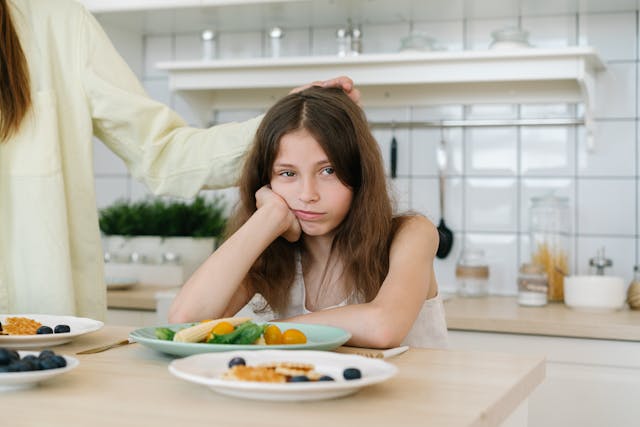
Grandmothers: The Answer to Adolescent Angst?

Recent research conducted jointly by Finland’s University of Turku and Edith Cowan University (ECU) sheds light on the profound impact of maternal grandmother investment on grandchildren who have endured multiple adverse early life experiences (AELEs). This study underscores how maternal grandmothers’ support and involvement can significantly mitigate emotional and behavioural challenges in affected children.

The findings underscore a crucial correlation: children facing cumulative AELEs are more susceptible to emotional and behavioural issues during adolescence. However, the research also highlights the pivotal role of supportive caregiving in shielding children from the adverse effects of early adversity.

Senior Lecturer at ECU, Dr David Coall, emphasises the significance of maternal grandmother investment in alleviating adolescent dysfunction stemming from early stressors. While no investment can entirely erase the effects of AELEs, the study reveals that maternal grandmother investment can notably diminish the negative impact on children’s emotional and behavioural well-being.

Interestingly, the research suggests that investments from other grandparents do not yield the same level of buffering effect. This disparity underscores maternal grandmothers’ unique and significant role in mitigating the consequences of early life stressors on grandchildren.

The study’s findings advocate for a deeper exploration into the long-term health and well-being outcomes of grandchildren, particularly in relation to the buffering effect of maternal grandmother investment. This nuanced understanding could potentially inform targeted interventions to foster resilience in children exposed to adverse early life experiences.

Dr Coall underscores the evolving nature of grandparental involvement, challenging the perception that such investments are relics of the past. With increasing life expectancy and shifting family dynamics, grandparents today have more opportunities to forge meaningful connections with fewer grandchildren, thereby enabling greater investment in each child’s well-being.

Moreover, societal shifts, such as higher divorce rates and increased single-parent households, underscore the growing importance of grandparental support in contemporary family structures. This trend is further amplified by the rise of working mothers, creating a heightened demand for intergenerational support and caregiving.

Despite geographical distances, modern technology enables grandchildren to maintain close relationships with grandparents, transcending physical barriers. Despite the challenges posed by events like the COVID-19 pandemic, virtual connections have proven invaluable in sustaining familial bonds and facilitating grandparental investment in children’s lives.

In essence, this research underscores the pivotal role of maternal grandmothers in buffering the adverse effects of early life stressors on grandchildren. By nurturing supportive relationships and providing emotional and practical support, grandmothers emerge as potent agents of resilience in navigating the complexities of adolescent development.

More information: Samuli Helle et al, Investment by maternal grandmother buffers children against the impacts of adverse early life experiences, Scientific Reports. DOI: 10.1038/s41598-024-56760-5

Journal information: Scientific Reports Provided by Edith Cowan University