Monthly Archives: August 2024

Enhancing Gratitude, Resilience, and Well-being Through Increased Sleep

A forthcoming study set to be presented at the SLEEP 2024 annual meeting reveals that maintaining a healthy sleep routine positively influences gratitude, resilience, and flourishing in adults. The findings indicate that participants experienced less subjective sleepiness and fewer mood disturbances when they went to bed earlier, extending their sleep by an average of 46 minutes nightly. Conversely, later bedtimes, which cut sleep by an average of 37 minutes, had detrimental effects. Notably, indices of flourishing, resilience, and gratitude saw marked improvements over the week when sleep was extended and notable declines with sleep restriction. Additionally, those who benefited from extended sleep documented significantly more entries in their gratitude journals than other study participants.

Principal investigator Michael Scullin, who holds a psychology doctorate and is an associate professor of psychology and neuroscience at Baylor University in Waco, Texas, commented on the broader context. He noted that happiness levels have reportedly declined in the U.S. in recent years, also marked by widespread sleep issues. “Although it is well-established that sleep deprivation exacerbates mental health issues, experimental studies to verify if increasing sleep can enhance positive life aspects such as purpose, hope, and gratitude have been lacking,” Scullin explained.

The study involved 90 adults randomly assigned to different sleep schedules—either later or earlier bedtimes or their usual routine—over a typical workweek, with monitoring via actigraphy. The study assessed changes in transient and enduring feelings of flourishing, resilience, gratitude and practical expressions of gratitude. The adverse effects of insufficient sleep are extensively documented, leading entities like the American Academy of Sleep Medicine and Sleep Research Society to recommend that adults ideally get at least seven hours of sleep per night consistently to support optimal health, productivity, and daytime alertness.

Scullin highlighted that the experimental increase in sleep duration positively impacted these crucial aspects of mental well-being, which are foundational to well-being and contribute to prosocial behaviour. “A subtle increase in sleep duration significantly boosted participants’ gratitude, resilience, and their overall sense of flourishing in life,” he concluded.

More information: Alexander Do et al, Gratitude, Flourishing, and Prosocial Behaviors Following Experimental Sleep Restriction and Sleep Extension, SLEEP. DOI: 10.1093/sleep/zsae067.0184

Journal information: SLEEP Provided by American Academy of Sleep Medicine

Research indicates that orange peel extract could enhance cardiovascular wellness

Research led by the University of Florida suggests that orange peels are vital in improving cardiovascular health. Heart disease stands as the primary cause of death across a broad spectrum of the population in the U.S., a statistic reinforced by the Centers for Disease Control and Prevention. Highlighting the connection between gut health and heart disease, studies have demonstrated that certain gut bacteria, which produce trimethylamine N-oxide (TMAO) from specific nutrients during digestion, contribute to cardiovascular diseases. High levels of TMAO have been linked to an increased risk of such conditions, according to research conducted by the Cleveland Clinic.

With the support of a $500,000 grant from the USDA, Yu Wang and her team explored how extracts from orange peels, which are rich in beneficial phytochemicals, could mitigate the production of TMAO and trimethylamine (TMA). The research focused on both polar and non-polar extracts of orange peels. Wang explained the extraction process by comparing it to the separation seen in salad dressing: substances soluble in water or vinegar form the polar fraction. At the same time, those that align with oil represent the non-polar fraction. The team used solvents that mirrored water and oil’s polarity to extract these substances.

The study’s results were promising, showing that the non-polar fraction of orange peel extracts effectively inhibited the production of harmful chemicals. Moreover, a compound identified as feruloylputrescine in the polar fraction also significantly reduced the enzyme responsible for TMA production activity. Wang, an associate professor of food science and human nutrition at UF/IFAS, highlighted this as a novel discovery that points to the untapped health potentials of feruloylputrescine in reducing cardiovascular disease risks.

The implications of this research are significant, given the vast quantities of orange peels generated annually by the orange juice industry. Nearly 95% of Florida’s oranges are processed for juice, producing around 5 million tons of orange peels yearly. While approximately half of these peels are currently used to feed cattle, the rest are discarded. Yet, the Food and Drug Administration considers natural orange peel extracts safe for human consumption, which presents a substantial opportunity for repurposing this so-called waste.

Wang envisions transforming these orange peels into valuable health-promoting components, such as dietary supplements or food ingredients, thus pioneering the development of functional foods enriched with bioactive compounds. Such initiatives could pave new pathways for managing and preventing cardiovascular diseases, leveraging the natural benefits of what was once considered a mere industrial byproduct. This approach promotes sustainability and advances the potential for new therapeutic strategies to enhance heart health.

More information: Hana Lee et al, Discovery of a Novel Bioactive Compound in Orange Peel Polar Fraction on the Inhibition of Trimethylamine and Trimethylamine N-Oxide through Metabolomics Approaches and In Vitro and In Vivo Assays: Feruloylputrescine Inhibits Trimethylamine via Suppressing cntA/B Enzyme, Journal of Agricultural and Food Chemistry. DOI: 10.1007/s00394-023-03123-x

Journal information: Journal of Agricultural and Food Chemistry Provided by University of Florida

Urban Parks and Waterways Associated with Reduced Coronary Artery Calcification

Access to urban green and blue spaces significantly reduces the likelihood of coronary artery calcification among middle-aged individuals, serving as an early indicator of cardiovascular diseases. This correlation is robust in Black individuals and those from lower socio-economic backgrounds, with the most pronounced effects observed among Black residents in economically disadvantaged areas. Black participants with substantial access to river areas showed a 32% decrease in the likelihood of coronary artery calcification compared to those with minimal access, while increased exposure to green spaces correlated with up to a 35% reduction in calcification odds for Black participants. Additionally, a 10% increase in green space exposure correlated with an average 15% reduction in calcification odds.

These findings were recently published in the journal Circulation on June 27. Coronary artery calcification involves the buildup of calcium within the plaque on the walls of the coronary arteries, an early sign of coronary artery disease that could lead to a heart attack. Dr. Lifang Hou, the corresponding author and a professor of preventive medicine at Northwestern University Feinberg School of Medicine, highlighted the protective role of urban green and blue spaces against coronary artery calcification. Dr Hou pointed out that these environments are especially beneficial for underprivileged groups at increased risk of cardiovascular diseases, advocating for environmental policies that enhance access and the quality of urban natural spaces to promote public health and address disparities related to race and neighbourhood.

The health benefits associated with green and blue spaces are numerous, including increased opportunities for physical activity, social interactions, stress relief, and environmental restoration. Such exposures also boost immune function, reduce chronic inflammation, and slow down the biological ageing process—all crucial factors in improving overall and cardiovascular health. Dr. Hou noted the importance of further research to comprehend how urban natural settings can fully influence health pathways.

However, the study also indicated that proximity to parks could adversely affect specific neighbourhoods. Individuals residing closer to parks in these areas faced a 29% higher chance of developing coronary artery calcification compared to those with lesser access. The poor condition of these parks or related safety concerns might deter their use, preventing residents from fully benefiting from these spaces. Kyeezu Kim, the study’s first author and adjunct assistant professor of preventive medicine at Feinberg, as well as an associate professor at Sungkyunkwan University School of Medicine in South Korea, emphasised the need for improved management and quality control of park environments in socio-economically challenged neighbourhoods. This approach is crucial for maximising the public health benefits of urban spaces, and further data is warranted to explain these observations fully.

Dr Hou and the research team’s findings underscore the potential public health benefits of improving access to and quality residential blue and green spaces. Such measures can promote health benefits and address racial and neighbourhood-related health disparities, providing quantitative evidence supporting environmental policies to enhance urban natural environments for the well-being of all residents, especially those in underserved communities.

More information: Kyeezu Kim et al, Associations of Urban Blue and Green Spaces With Coronary Artery Calcification in Black Individuals and Disadvantaged Neighborhoods, Circulation. DOI: 10.1161/CIRCULATIONAHA.123.067992

Journal information: Circulation Provided by Northwestern University

Mediterranean Diet Linked to a 20% Decreased Mortality Risk in Women

Researchers at Brigham and Women’s Hospital have explored potential mechanisms behind the 23 per cent reduction in mortality risk among American women adhering to the Mediterranean diet. This diet’s health benefits are well-documented, yet there has been a lack of long-term data on its effects in U.S. women and a limited understanding of the mechanisms driving its efficacy. In a landmark study, over 25,000 initially healthy U.S. women were monitored for up to 25 years. The study, led by Brigham and Women’s Hospital, part of the Mass General Brigham healthcare system, found significant reductions in all-cause mortality, particularly from cancer and cardiovascular diseases. Researchers noted biological changes in metabolism, inflammation, and insulin resistance, which might explain the observed benefits.

Dr. Samia Mora, MD, the senior author of the study and director of the Center for Lipid Metabolomics at Brigham, played a pivotal role in the research. She underscored the impact of dietary habits on longevity, highlighting that adhering to a Mediterranean diet could reduce the risk of death by approximately a quarter over more than 25 years. The Mediterranean diet, primarily plant-based, includes a large variety of nuts, seeds, fruits, vegetables, whole grains, and legumes, with olive oil as the main source of fat. It also allows for moderate consumption of fish, poultry, dairy, and eggs, with minimal intake of red meats, sweets, and processed foods.

The study tracked the long-term health benefits of the Mediterranean diet and investigated the biological pathways that might explain these benefits. About 40 biomarkers were evaluated, covering different biological pathways and clinical risk factors. Key findings pointed to metabolism and inflammation as significant contributors, supplemented by other factors like triglyceride-rich lipoproteins and insulin resistance. Smaller contributions came from pathways related to branched-chain amino acids, various lipoproteins, glycemic measures, and hypertension.

Dr. Shafqat Ahmad, PhD, the lead author of the study and an associate professor of Epidemiology at Uppsala University in Sweden, highlighted the potential public health implications of these findings. He noted that modest changes in risk factors for metabolic diseases could yield substantial long-term benefits, advocating for dietary adjustments to reduce overall mortality risks. The study’s results, published in JAMA, are promising but come with caveats due to the demographic specificity of the participants—primarily middle-aged, well-educated, non-Hispanic white female health professionals—and the reliance on self-reported data such as food-frequency questionnaires and measurements of height, weight, and blood pressure.

Despite these limitations, the extensive scale and lengthy follow-up period are significant to the study’s conclusions. As the Mediterranean diet gains popularity worldwide, variations have emerged, adapting to different cultural and dietary traditions. Dr. Mora calls for public health policies to promote the Mediterranean diet’s healthful attributes and discourage less beneficial adaptations. The study highlights the health benefits of the Mediterranean diet and provides valuable insights into why it may be so effective at improving longevity and reducing mortality from major diseases.

More information: Shafqat Ahmad et al, Mediterranean Diet Adherence and Risk of All-Cause Mortality in Women, JAMA. DOI: 10.1001/jamanetworkopen.2024.14322

Journal information: JAMA Provided by Brigham and Women’s Hospital

A Groundbreaking Study by HKUMed and Harvard Reveals Statins Lower Cardiovascular Disease Risk by Over 20% in Hong Kong Seniors with High Cholesterol

Researchers from HKUMed’s LKS Faculty of Medicine and Harvard’s TH Chan School of Public Health have unveiled the first comprehensive evidence supporting the efficacy of statins in elderly patients, dispelling long-standing uncertainties. This compelling evidence underscores that consistent statin therapy significantly reduces the relative risk of cardiovascular diseases by 21% in individuals aged 75–84 and 35% in those aged 85 and above, with no significant increase in safety concerns.

This groundbreaking study is a significant contribution to the field of geriatric medicine, providing robust, real-world evidence of the benefits of statin usage in older populations through sophisticated analytical techniques. These findings, which have been published in the prestigious ‘Annals of Internal Medicine’, mark a significant step forward in our understanding of cardiovascular disease prevention in the elderly.

Cardiovascular disease remains a primary health concern globally, particularly within ageing populations. Managing high cholesterol effectively is vital for preventing these diseases. Recent data from Hong Kong’s ‘Population Health Survey’ show that 65.6% of people aged 65–84 suffer from high cholesterol. While statins have long been utilised to enhance lipid profiles and mitigate cardiovascular disease risks, there’s been a lack of consensus regarding their use for primary prevention in those over 75. This uncertainty often stems from the inadequate representation of older adults in randomised controlled trials, which leaves significant clinical questions unanswered in everyday healthcare settings. This study leverages real-world data to explore statin therapy’s long-term advantages and potential risks in older adults, aiding in informed decision-making about initiating statin treatment in this expanding demographic.

The study’s research team, led by Professor Eric Wan Yuk-fai from the Department of Family Medicine and Primary Care and the Department of Pharmacology and Pharmacy at HKUMed, analysed public electronic medical records from Hong Kong’s Hospital Authority covering January 2008 to December 2018. This involved over 80,000 older individuals with suboptimal lipid levels and conditions that heightened their risk of cardiovascular diseases, such as diabetes. They employed a novel method known as target trial emulation, which mimics the characteristics of randomised controlled trials within the framework of an observational study, greatly diminishing the typical biases associated with observational research.

The results revealed that continuous statin use correlated with a 21% reduction in relative risk and a 5% absolute risk reduction over five years in cardiovascular diseases among individuals aged 75–84. For those aged 85 and older, the relative risk reduction reached an even more impressive 35%, with an absolute risk reduction of 12.5% over five years. Furthermore, the study identified no significant increase in the risk of major adverse events such as liver dysfunction or myopathies in this demographic.

The study’s findings have global relevance, affirming the safety and efficacy of statins for the primary prevention of cardiovascular diseases in older adults. It indicates that advanced age alone should not preclude high-risk patients from the benefits of statin therapy. With the global burden of cardiovascular diseases in ageing populations on the rise, this research provides crucial evidence supporting the prescription of statins for primary prevention in these vulnerable groups, regardless of geographical location.

Professor Cindy Lam Lo-kuen, from HKUMed’s Department of Family Medicine and Primary Care, highlighted the implications of these findings for clinical decision-making regarding statin therapy initiation in this growing population segment. The study’s innovative approach, particularly the use of target trial emulation, not only paves the way for future research in geriatric medicine but also has the potential to significantly improve healthcare outcomes for older populations globally. This method can produce valuable insights into the care of the elderly, thus enhancing healthcare outcomes for older populations globally.

More information: Wanchun Xu et al, Benefits and Risks Associated With Statin Therapy for Primary Prevention in Old and Very Old Adults: Real-World Evidence From a Target Trial Emulation Study, Annals of Internal Medicine. DOI: 10.7326/M24-0004

Journal information: Annals of Internal Medicine Provided by The University of Hong Kong

Significant Biomolecular Changes Detected in Our 40s and 60s, Reveals Stanford Medicine Study

If you’ve ever felt like your entire body is breaking down simultaneously, it might not just be in your head. A new study from Stanford Medicine has revealed that significant molecular and microbial shifts occur during our 40s and 60s. Researchers examined thousands of molecules in people aged 25 to 75 and their microbiomes—bacteria, viruses, and fungi- within and on our bodies. Contrary to gradual changes, the study found two significant periods of rapid transformation around the ages of 44 and 60. These findings, detailed in an upcoming paper in Nature Aging, highlight gradual biological changes and pronounced shifts at specific intervals, according to Michael Snyder, PhD, chair of genetics at Stanford and the study’s senior author.

The research, led by Xiaotao Shen, PhD, a former Stanford Medicine postdoctoral scholar now at Nanyang Technological University Singapore, suggests these shifts significantly impact our health. For example, the abundance of molecules related to cardiovascular health and immune function shows marked changes at these age milestones. This research initiative stemmed from the observation that the risk of age-related diseases such as Alzheimer’s and cardiovascular disease doesn’t increase linearly but spikes in older age, prompting an investigation into the molecular and microbial change rate across ages.

Snyder’s team worked with data from 108 individuals, monitoring them over several years through regular blood donations and other biological samples. This enabled the tracking of a diverse range of molecules, including RNA, proteins, and metabolites, as well as microbiome changes. From this vast data collection—encompassing more than 135,000 different molecules and microbes totalling nearly 250 billion data points—they discovered that about 81% of all molecules exhibited non-linear changes, fluctuating more significantly around the mid-40s and early 60s.

While much of the existing research on ageing focuses on how molecular levels typically increase or decrease over time, this study is one of the few to explore the rate at which these biological changes occur. Snyder commented on the abundance of dramatic changes particularly noted in the early 60s, aligning with the age-related increase in disease risks and other ageing phenomena. The team was initially surprised to find significant molecular changes in the mid-40s as well, which they first thought might be influenced by menopause or perimenopause in women. However, further analysis indicated that similar shifts were occurring in men, suggesting that other significant factors affect these changes in both genders.

Shen emphasized the need for further research to identify and understand these factors, which appear crucial in men and women during their mid-40s. The study’s findings suggest that these age-related changes could be linked to lifestyle or behavioural factors prevalent in these age groups rather than purely biological causes. For instance, dysfunction in alcohol metabolism might emerge from increased consumption during the mid-40s, often a stressful period.

As the research team plans to explore the underlying causes of these clusters of changes, the implications of their findings are clear. These age-specific shifts necessitate a greater focus on health management during critical life stages. Practical steps include boosting physical activity to protect heart health and muscle mass and moderating alcohol consumption as the body’s processing ability wanes. Snyder advocates for proactive lifestyle adjustments to maintain health and vitality, emphasizing, “I firmly believe that we should try to adjust our lifestyles while we’re still healthy.” This study sheds light on when and how biological changes occur and underscores the importance of anticipating and adapting to these changes to enhance health outcomes as we age.

More information: Xiaotao Shen et al, Nonlinear dynamics of multi-omics profiles during human aging, Nature Aging. DOI: 10.1038/s43587-024-00692-2

Journal information: Nature Aging Provided by Stanford Medicine

Adapting homes for stroke survivors enhances safety and prolongs autonomy

Every 40 seconds, someone in the United States experiences a stroke, during which the brain’s blood supply is interrupted. For those who survive, the resulting brain damage often causes permanent disabilities, transforming simple daily activities like using the bathroom or showering into hazardous tasks. Within a year of leaving the hospital, one in eight stroke survivors pass away. However, a clinical trial spearheaded by Washington University School of Medicine in St. Louis has demonstrated that making specific modifications to the homes of stroke survivors — such as installing grab bars, shower seats, and ramps — significantly lowers their mortality risk in the year following hospital discharge and helps many maintain their independence at home.

“The post-hospital transition is especially precarious for stroke survivors returning home after extended periods in inpatient rehabilitation,” stated lead researcher Susan Stark, PhD, a professor specialising in occupational therapy, neurology, and social work. “Home environments, unlike rehabilitation facilities, are not naturally equipped to accommodate their new needs. We’ve observed that occupational therapy plays a pivotal role in reconfiguring these spaces to support survivors’ independence and safety in their own homes.” This research has been published in the Archives of Physical Medicine and Rehabilitation. In St. Louis, the research team initiated a unique program where occupational therapists visited stroke survivors to spot environmental hazards—like unguarded stairs, low toilets, and poorly lit paths—and to tailor accommodations to meet their specific requirements. The therapists also taught survivors strategies for managing their new limitations, including accessing transportation services suited to their needs.

The recovery trajectory post-stroke is heavily influenced by the severity of the initial blockage and the promptness of medical intervention. Those with mild cognitive and motor impairments usually continue with outpatient rehabilitation after hospital discharge. Conversely, those severely affected are often relocated to skilled nursing facilities for ongoing care. However, another segment of stroke patients, constituting about 25%, presents with moderate impairments and typically moves from hospital to inpatient rehabilitation with prospects for eventual independent living, Stark explained. Life at home poses fresh challenges for these individuals. Simple actions, like pulling a shirt from a drawer or using the bathroom, become significant hurdles due to weakened muscles and compromised balance. Activities like climbing stairs can become formidable, impacting social interactions and emotional well-being.

“Stroke frequently leads to depression,” Stark noted. “Isolation deepens this depression when individuals withdraw from community interaction.” The clinical trial involved 183 participants over 50 transitioning from inpatient rehabilitation to home. They were divided into two groups: one received home modifications and self-management training, while the other was given stroke prevention education during four occupational therapy sessions. The outcomes revealed that eliminating physical barriers and imparting problem-solving skills had life-saving effects. Survival rates were higher in the group that received interventions; 10 participants who only received education passed away during the study, whereas no deaths occurred in the intervention group. Moreover, those with home modifications and self-management training were less likely to need transfer to skilled nursing facilities.

Donna C. Jones, EdD, a member of the intervention group who suffered a stroke in the summer of 2021, benefitted from modifications that facilitated her recovery, boosting her confidence to manage independently while she regained balance and adapted to new routines. “My newly adapted bathroom has become a symbol of hope and a marker of my life’s new direction,” shared Jones, who earned her doctoral degree in ethical leadership and employee development shortly before her stroke. “The practical adjustments and support I received laid the groundwork for a renewed life full of potential.” Jones, who is passionate about event planning, travel, and community volunteering, did not let her stroke or subsequent lower right leg amputation deter her. “Today, I am finding innovative ways to continue my mission of influencing global society through ethical leadership development, teaching, programs, and services. I am immensely thankful for the study that equipped me to face the future with optimism.”

Although the trial was limited to a single geographic area, Stark plans to expand testing of the transition program and conduct an economic analysis to evaluate the cost-effectiveness of home modifications. “The biggest hurdle we face is insurance reimbursement for these modifications,” Stark remarked. “While the interventions are not prohibitively expensive, the current system doesn’t support their costs. If a mere $500 in home modifications can prevent hospital readmissions or extended nursing facility stays, then economically, it’s a clear win. Thus, we are analysing the healthcare savings these interventions could achieve.”

More information: Melissa J. Krauss et al, Community Participation Transition After Stroke (COMPASS) Randomized Controlled Trial: Effect on Adverse Health Events, Archives of Physical Medicine and Rehabilitation. DOI: 10.1016/j.apmr.2024.05.015

Journal information: Archives of Physical Medicine and Rehabilitation Provided by Washington University School of Medicine

Anxiety Linked to Over Double the Risk of Developing Parkinson’s

Researchers at UCL have found that individuals over 50 with anxiety are at least twice as likely to develop Parkinson’s disease compared to those without fear, according to a study published in the British Journal of General Practice. The study focused on the correlation between new-onset anxiety in people aged over 50 and subsequent Parkinson’s diagnosis.

The research team analysed data from UK primary care records spanning from 2008 to 2018, reviewing 109,435 patients who were diagnosed with anxiety after turning 50. These patients were compared with 878,256 control participants who did not have anxiety. The analysis followed the onset of Parkinson ’s-related symptoms, including sleep disturbances, depression, tremors, and balance issues, from the initial anxiety diagnosis up to a year before a formal Parkinson’s diagnosis. This approach helped the researchers assess the long-term risk of Parkinson’s in the anxiety group versus the controls and identify associated risk factors.

Adjustments were made in the study for various factors such as age, gender, social deprivation, lifestyle choices, severe mental illness, head trauma, and dementia, which could influence the development of Parkinson’s in anxious individuals. Findings revealed that anxiety doubled the risk of developing Parkinson’s. Moreover, symptoms such as depression, sleep issues, fatigue, cognitive decline, low blood pressure, tremors, rigidity, balance problems, and constipation were identified as risk factors for Parkinson’s among those with anxiety.

Dr Juan Bazo Alvarez, co-lead author from UCL’s Epidemiology & Health department, highlighted the significance of the findings, noting that Parkinson’s is the second most prevalent neurodegenerative disease globally. He pointed out that while anxiety is often observed in early Parkinson’s, the prospective risk associated with new-onset anxiety in those over 50 was not previously understood. The study aims to facilitate earlier detection and treatment of Parkinson’s by elucidating the connection between anxiety and the development of the disease after the age of 50.

Parkinson’s disease is increasingly widespread, currently affecting nearly 10 million people worldwide and is characterised by the degeneration of nerve cells in the substantia nigra, a part of the brain that regulates movement. This degeneration leads to diminished dopamine production due to the accumulation of alpha-synuclein protein. Recent advancements include the development of a simple blood test by UCL and University Medical Centre Goettingen, Germany, which, using artificial intelligence, can predict the onset of Parkinson’s up to seven years before symptoms emerge.

Professor Anette Schrag, co-lead author and a researcher at UCL Queen Square Institute of Neurology, emphasised the need for further research on anxiety as an early indicator of Parkinson’s. Understanding how early anxiety relates to other symptoms and the progression of Parkinson’s could enhance treatment in its initial stages.

The research team advocates for additional studies to determine why older individuals with newly developed anxiety are more susceptible to Parkinson’s and how the severity of their anxiety might influence their prognosis.

More information: Juan Carlos Bazo-Alvarez et al, Risk of Parkinson’s disease in people aged ≥50 years with new-onset anxiety: a retrospective cohort study in UK primary care, British Journal of General Practice. DOI: 10.3399/BJGP.2023.0423

Journal information: British Journal of General Practice Provided by University College London

Fit2Drive revolutionizes the evaluation of older drivers experiencing cognitive decline

As the global population ages, the number of elderly drivers on the road also increases. Driving safely requires robust memory, perceptual, motor skills, and executive functioning abilities. It’s well-established that individuals with severe Alzheimer’s Disease and related dementias (ADRD) cannot drive safely. However, evidence suggests that deterioration in driving abilities can begin during the preclinical stages of Alzheimer’s Disease. This situation presents a complex challenge, as the decision to cease driving due to cognitive impairments involves not only the elderly individuals themselves but also their families and healthcare providers.

Despite the availability of numerous cognitive tests and practical driving assessments, clinicians often need more training and time constraints, which impede their ability to administer these tests effectively. This issue is compounded by the difficulty in obtaining objective evidence to support decisions about an older adult’s fitness to drive. To address these challenges, researchers at Florida Atlantic University have developed an innovative tool called “Fit2Drive”. This evidence-based calculator simplifies the process for clinicians to administer and evaluate a cognitive test in their office, predicting the likelihood of an older adult passing a practical driving test based on short, straightforward cognitive assessments.

The development of Fit2Drive involved the creation of an algorithm by the team at FAU’s Christine E. Lynn College of Nursing and Charles E. Schmidt College of Science, which rapidly generates driving capability predictions for individual patients. They utilized data from 12 different cognitive assessments and practical driving tests collected from two distinct groups: patients from FAU’s Louis and Anne Green Memory and Wellness Center and older drivers from the local community. These assessments included the Mini-Mental State Exam (MMSE) and the Trail Making Tests A and B, which assess various cognitive abilities. Four hundred twelve study participants, aged between 59 and 89, underwent these cognitive tests and a practical driving assessment.

The study’s findings, published in the Journal of the American Medical Directors Association, demonstrated that the Fit2Drive algorithm achieved a remarkable predictive accuracy of 91.5%. A detailed analysis revealed that the highest MMSE score and the time to complete Trails B were the most significant predictors of driving performance. Furthermore, the study noted substantial differences in practical driving test outcomes between the two groups, with a much higher failure rate among those from the memory and wellness centre compared to the community sample.

The emotional strain on patients and the lack of objective data to support clinical recommendations were critical motivators for developing this predictive tool. The Fit2Drive results aim to provide clinicians with reliable evidence to share with patients and their families, who may be concerned about the risks of continuing to drive. This decision significantly impacts their lives and poses a challenge for primary care providers. To streamline the use of the predictive model, researchers developed a logistic regression model that evaluated the sensitivity and specificity of the predictions, using a binary pass-fail outcome from the practical driving test as the basis for assessing predictive variables.

The Fit2Drive calculator is available online and is designed for easy use on Android and iOS devices, enabling clinicians to enter data through a smartphone. As the feasibility of conducting cognitive tests online increases, there is potential for developing a completely online version of Fit2Drive, further enhancing its accessibility and ease of use. This tool represents a significant advancement in the ability to assess the driving capabilities of elderly individuals objectively, providing valuable support to clinicians, patients, and families navigating the complex issue of cognitive decline and driving.

More information: Ruth Tappen et al, Fit2Drive: Screening Older Drivers with Cognitive Concerns, Journal of the American Medical Directors Association. DOI: 10.1016/j.jamda.2024.105054

Journal information: Journal of the American Medical Directors Association Provided by Florida Atlantic University

Research Investigates Fish Oil’s Impact on Brain Health in Older Adults

A clinical study conducted by Oregon Health & Science University has indicated that older adults with a genetic marker for Alzheimer’s disease might gain from taking fish oil supplements. Amidst broader claims that such supplements enhance brain function for those with memory issues, this study did not find a universal benefit for all older participants. Specifically, it observed a reduced degradation of nerve cells in the brain for individuals carrying the Alzheimer ‘s-related APOE4 gene.

The principal researcher from OHSU, Lynne Shinto, emphasized the need for further research. She commented that while fish oil could benefit APOE4 carriers, its advantages could be clearer-cut for the broader population of older adults. “Over a period of three years, our data did not reveal a significant difference between the placebo group and those taking fish oil,” stated Professor Shinto. “Though not harmful, it’s not essential to use fish oil as a preventative measure against dementia.” This underscores the need for more comprehensive studies in the future.

The research involved 102 participants aged 75 or above, all of whom had relatively low omega-3 fatty acid levels in their blood at the outset. These individuals underwent magnetic resonance imaging (MRI) to monitor changes in their brain’s white matter lesions, which can obstruct nutrient flow and heighten dementia risk, at the beginning and end of the study. Although these participants had noticeable white matter lesions, they were otherwise healthy without dementia.

Half of the study’s participants were administered daily supplements of omega-3-rich fish oil, while the remainder received a placebo derived from soybean oil. The MRIs conducted at the start and end of the three years showed a minor decrease in lesion progression, yet the difference was not statistically significant across the two groups.

However, for participants with the APOE4 gene, a notable decrease in the deterioration of brain cell integrity was recorded just one year into taking the fish oil, in contrast to those who received the soybean placebo.

Gene Bowman, N.D., M.P.H., director of clinical trials and a lecturer in neurology at the McCance Center for Brain Health at Massachusetts General Hospital and Harvard Medical School, underscored the potential of the findings. “This study is pioneering in dementia prevention research by employing modern tools like blood tests and brain scans to not only pinpoint individuals at high dementia risk but also to identify those who might benefit most from specific nutritional interventions. The observed slowdown in neuronal integrity breakdown among those at high Alzheimer’s risk and treated with omega-3 is compelling. This study paves the way for a larger, more diverse clinical trial in the future.”

More information: Lynne H. Shinto et al, ω-3 PUFA for Secondary Prevention of White Matter Lesions and Neuronal Integrity Breakdown in Older Adults, JAMA Network Open. DOI: 10.1001/jamanetworkopen.2024.26872

Journal information: JAMA Network Open Provided by Oregon Health & Science University

Unmanaged Hypertension: The Classic ‘Silent Killer’ Continues to Threaten

In both the United States and across the globe, cardiovascular disease stands as the primary preventable cause of premature mortality and disability. Notably, heart attacks and strokes are significant contributors to the more than 900,000 deaths each year in the US and roughly 10 million worldwide.

A significant contributing factor to these conditions is uncontrolled hypertension or high blood pressure. Healthcare strategies often involve lifestyle intervention, exercise, and complementary pharmacological treatments to prevent and manage cardiovascular disease effectively.

A recently published commentary in The American Journal of Medicine highlights the urgency of this issue. Authored by experts from Florida Atlantic University’s Schmidt College of Medicine and their colleagues, the paper serves as a wake-up call to healthcare providers about the persistent threat of the so-called “silent killer.”

According to Stacy Rubin, M.D., senior author and assistant professor of medicine at FAU Schmidt College of Medicine, healthcare providers must recognize the prevalence and severity of uncontrolled hypertension in their patients. Dr. Rubin emphasizes the critical need for effective blood pressure management, noting the alarming statistic that sudden cardiac death accounts for 50% of all cardiovascular disease deaths and often represents the first noticeable symptom in approximately 25% of cases. She further points out that for 76% of those who suffer a stroke, the event itself is the first indication of any problem.

The importance of controlling blood pressure is well-documented and conceptually straightforward, although achieving this has historically been challenging. Before significant studies like the Hypertension Detection and Follow-Up Program in the 1970s in the U.S., awareness and effective management of high blood pressure could have been much higher. Recent data suggests slight improvements, with better understanding and management rates, yet these figures still point to a substantial portion of the population with uncontrolled hypertension.

Current guidelines from authoritative bodies like the American Heart Association and the American College of Cardiology recommend that a healthy individual should maintain a systolic blood pressure below 130 millimetres of mercury (mmHg) and a diastolic pressure under 80 mmHg. With these criteria, around 45% of U.S. adults are affected by hypertension, indicating a widespread public health challenge.

Another significant concern is the prevalence of metabolic syndrome, characterized by factors such as central obesity, elevated triglycerides, low HDL cholesterol, high fasting blood glucose, and hypertension. This syndrome is a significant risk factor for cardiovascular events in the U.S., which has one of the highest obesity rates globally.

Experts like Charles H. Hennekens, M.D., Dr.PH. Advocate for the use of ACE inhibitors or their advanced counterparts, receptor blockers, to manage patients with metabolic syndrome. These medications not only help control blood pressure but also provide protective benefits against heart attacks, strokes, and kidney disease.

Adopting healthier lifestyle choices, such as reducing weight, increasing physical activity, and decreasing salt intake, has been proven beneficial in managing hypertension. Combining these lifestyle modifications with medication can effectively lower blood pressure for individuals with blood pressure readings above 130/80 mmHg. Typically, medications are introduced when lifestyle changes do not reduce the pressure to below 140/90 mmHg.

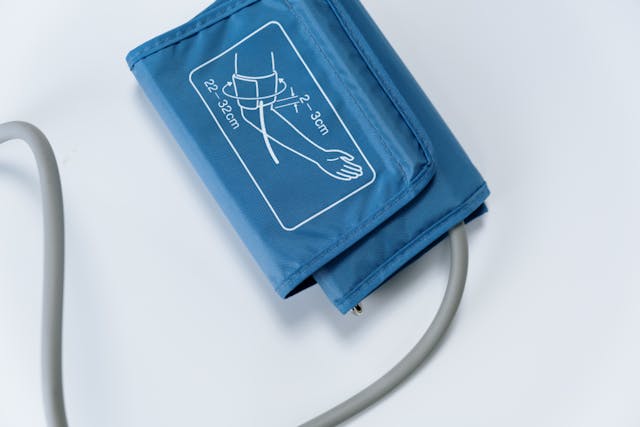
Both health providers and patients must be aware of the daily and diurnal variations in blood pressure, which complicate the management of hypertension. Effective treatment often requires health providers to tailor treatment algorithms specifically for each patient, who must actively participate by regularly monitoring their blood pressure. The American Heart Association and the American College of Cardiology endorse using devices like the Omron blood monitor for home measurements.

Dr. Hennekens stresses the importance of patients checking their blood pressure both morning and evening and adjusting medication doses based on an average of three readings taken five minutes apart. Through diligent monitoring and management, health providers can play a crucial role in addressing the persistent issue of uncontrolled hypertension, potentially neutralizing the long-standing threat of the “silent killer.”

More information: Barry R. Davis et al, New Clinical Challenges In Hypertension Management, The American Journal of Medicine. DOI: 10.1016/j.amjmed.2024.07.005

Journal information: The American Journal of Medicine Provided by Florida Atlantic University

Differences Observed in Survival Advantages for Individuals Receiving Bystander CPR During Cardiac Arrest

A study supported by the National Institutes of Health (NIH) has revealed significant race- and gender-based disparities in survival rates from out-of-hospital cardiac arrests among individuals who received bystander cardiopulmonary resuscitation (CPR). The research, published in Circulation, indicates that white adults are three times more likely to benefit from such interventions compared to Black adults, and men are twice as likely compared to women. These findings highlight substantial inequalities in survival outcomes, necessitating targeted efforts to ensure equitable CPR delivery across demographic groups. Paula Einhorn, M.D., a program officer at NIH’s National Heart, Lung, and Blood Institute (NHLBI), emphasized that CPR saves lives. Still, the disparities uncovered require a more profound understanding to achieve uniform survival chances for all CPR-needed patients.

The analysis covered 623,342 cardiac arrest cases in the United States from 2013 to 2022, revealing that nearly one in ten victims survived. About 40% of these patients received CPR from a bystander, which could include a family member, friend, or passerby. Those who received bystander CPR had, on average, a 28% greater chance of surviving compared to those who did not, with fewer instances of severe brain injuries among survivors. Yet, the benefits varied significantly when data were dissected by race, ethnicity, and biological sex. Native American and white adults experienced the highest increases in survival odds, while Black adults and women, especially Black women, consistently showed the most minor benefit.

Researchers conducted subgroup analyses based on neighbourhood diversity and average income to understand potential factors influencing the quality of administered CPR. The results consistently showed that Black adults and women were less likely to benefit from bystander CPR compared to white adults and men, regardless of the cardiac arrest victim’s income levels or residential areas. This prompts a concern about the equality of CPR applications across different communities.

Paul Chan, M.D., the study’s lead author and a cardiologist at Saint Luke’s Mid America Heart Institute, highlighted the need for a nuanced approach to improving survival rates. He pointed out the importance of examining whether CPR delivered by bystanders provides similar survival benefits to all patients, regardless of their demographic background. This includes questioning whether bystander CPR was performed well and equally for everyone so that irrespective of race, ethnicity, or sex, all patients can derive the same level of benefit from CPR.

Previously, studies had indicated that bystander CPR was less frequently performed on Black and Hispanic individuals and women in public spaces. CPR training and awareness programs have expanded nationally, including online courses and developing mannequins designed to resemble women’s bodies. Researchers suggest evaluating the accessibility and effectiveness of various CPR training methods could identify differences in survival outcomes and inform solutions to address these disparities.

Future investigations might focus on the type of training bystanders receive, the presence of multiple bystanders, which could indicate additional support, and the role of underlying health conditions in survival outcomes, considering similar emergency response times across groups. These findings challenge the healthcare community to consider not only the presence of bystander CPR but also its quality and inclusivity, ensuring that every individual, irrespective of race, ethnicity, or gender, has an equal chance of surviving a cardiac arrest.

More information: Paul S. Chan et al, Race and Sex Differences in the Association of Bystander CPR for Cardiac Arrest, Circulation. DOI: 10.1161/CIRCULATIONAHA.124.068732

Journal information: Circulation Provided by NIH / National Heart, Lung, and Blood Institute