Monday, 18 May 2026
  • My Feed
  • My Saves
  • History
  • Blog
Living Well Study
  • Blog
  • Ageing Well
  • Brain Health
  • Healthy Diets
  • Physical Wellness
  • Wellness
  • 🔥
  • Wellness
  • older adults
  • Living Well
  • Brain Health
  • dementia
  • public health
  • Ageing Well
  • alzheimer disease
  • physical exercise
  • mental health
Font ResizerAa
Living Well StudyLiving Well Study
  • My Saves
  • My Feed
  • History
Search
  • Pages
    • Home
    • Search Page
  • Personalized
    • Blog
    • My Feed
    • My Saves
    • History
  • Categories
    • Ageing Well
    • Brain Health
    • Healthy Diets
    • Mental Wellness
    • Physical Wellness
    • Wellness
Have an existing account? Sign In
Follow US
© 2022 Foxiz News Network. Ruby Design Company. All Rights Reserved.
Living Well Study > Blog > Wellness > Differences Observed in Survival Advantages for Individuals Receiving Bystander CPR During Cardiac Arrest
Wellness

Differences Observed in Survival Advantages for Individuals Receiving Bystander CPR During Cardiac Arrest

support
Share
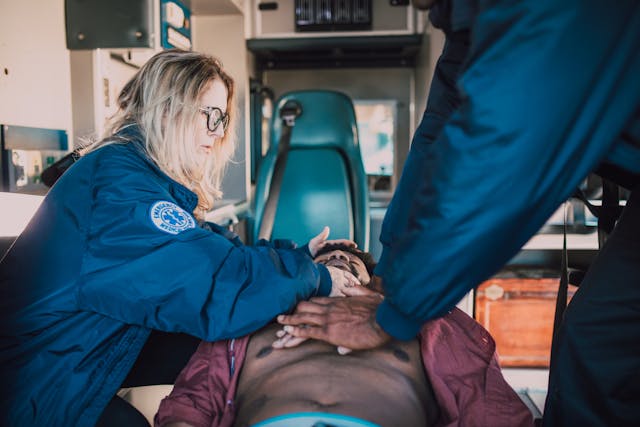
Paramedic Performing CPR. Photo by RDNE Stock project: https://www.pexels.com/photo/paramedic-performing-cpr-6520169/
SHARE

A study supported by the National Institutes of Health (NIH) has revealed significant race- and gender-based disparities in survival rates from out-of-hospital cardiac arrests among individuals who received bystander cardiopulmonary resuscitation (CPR). The research, published in Circulation, indicates that white adults are three times more likely to benefit from such interventions compared to Black adults, and men are twice as likely compared to women. These findings highlight substantial inequalities in survival outcomes, necessitating targeted efforts to ensure equitable CPR delivery across demographic groups. Paula Einhorn, M.D., a program officer at NIH’s National Heart, Lung, and Blood Institute (NHLBI), emphasized that CPR saves lives. Still, the disparities uncovered require a more profound understanding to achieve uniform survival chances for all CPR-needed patients.

The analysis covered 623,342 cardiac arrest cases in the United States from 2013 to 2022, revealing that nearly one in ten victims survived. About 40% of these patients received CPR from a bystander, which could include a family member, friend, or passerby. Those who received bystander CPR had, on average, a 28% greater chance of surviving compared to those who did not, with fewer instances of severe brain injuries among survivors. Yet, the benefits varied significantly when data were dissected by race, ethnicity, and biological sex. Native American and white adults experienced the highest increases in survival odds, while Black adults and women, especially Black women, consistently showed the most minor benefit.

Researchers conducted subgroup analyses based on neighbourhood diversity and average income to understand potential factors influencing the quality of administered CPR. The results consistently showed that Black adults and women were less likely to benefit from bystander CPR compared to white adults and men, regardless of the cardiac arrest victim’s income levels or residential areas. This prompts a concern about the equality of CPR applications across different communities.

Paul Chan, M.D., the study’s lead author and a cardiologist at Saint Luke’s Mid America Heart Institute, highlighted the need for a nuanced approach to improving survival rates. He pointed out the importance of examining whether CPR delivered by bystanders provides similar survival benefits to all patients, regardless of their demographic background. This includes questioning whether bystander CPR was performed well and equally for everyone so that irrespective of race, ethnicity, or sex, all patients can derive the same level of benefit from CPR.

Previously, studies had indicated that bystander CPR was less frequently performed on Black and Hispanic individuals and women in public spaces. CPR training and awareness programs have expanded nationally, including online courses and developing mannequins designed to resemble women’s bodies. Researchers suggest evaluating the accessibility and effectiveness of various CPR training methods could identify differences in survival outcomes and inform solutions to address these disparities.

Future investigations might focus on the type of training bystanders receive, the presence of multiple bystanders, which could indicate additional support, and the role of underlying health conditions in survival outcomes, considering similar emergency response times across groups. These findings challenge the healthcare community to consider not only the presence of bystander CPR but also its quality and inclusivity, ensuring that every individual, irrespective of race, ethnicity, or gender, has an equal chance of surviving a cardiac arrest.

More information: Paul S. Chan et al, Race and Sex Differences in the Association of Bystander CPR for Cardiac Arrest, Circulation. DOI: 10.1161/CIRCULATIONAHA.124.068732

Journal information: Circulation Provided by NIH / National Heart, Lung, and Blood Institute

TAGGED:cardiac arrestgender studiesresuscitation
Share This Article
Email Copy Link Print
Previous Article Engaging in Dungeons and Dragons Enhances Mental Well-being
Next Article Unmanaged Hypertension: The Classic ‘Silent Killer’ Continues to Threaten
Leave a Comment

Leave a Reply Cancel reply

Your email address will not be published. Required fields are marked *

Recent Posts

  • Spending Time Outdoors Linked to Higher Life Satisfaction
  • Exercise Could Play a Key Role in Helping People Stop Smoking
  • The Tiny Cellular Framework Behind Brain Development
  • ‘Forever Chemicals’ Found in Nearly Entire US Study Population, Researchers Report
  • Healthy Hearts May Still Face the Risk of Alzheimer’s Disease

Tags

adolescents adverse effects ageing populations aging populations air pollution alzheimer disease amyloids anxiety artificial intelligence atopic dermatitis behavioral psychology biomarkers blood pressure body mass index brain cancer cancer research cardiology cardiovascular disease cardiovascular disorders caregivers children climate change effects clinical research coffee cognition cognitive development cognitive disorders cognitive function cognitive neuroscience cohort studies COVID-19 dementia depression diabetes diets discovery research disease control disease intervention disease prevention diseases and disorders environmental health epidemiology foods food science gender studies geriatrics gerontology gut microbiota health and medicine health care health care costs health care delivery heart disease heart failure home care human brain human health hypertension inflammation insomnia life expectancy life sciences longitudinal studies memory disorders menopause mental health metabolic disorders metabolism mortality rates neurodegenerative diseases neurological disorders neurology neuroscience nursing homes nutrients nutrition obesity older adults parkinsons disease physical exercise population studies preventive medicine psychiatric disorders psychological science psychological stress public health research impact risk assessment risk factors risk reduction skin sleep sleep apnea sleep disorders social interaction social research socioeconomics type 2 diabetes weight loss
May 2026
S M T W T F S
 12
3456789
10111213141516
17181920212223
24252627282930
31  
« Apr    

This website is for information purpose only and is in no way intended to replace the advice, professional medical care, diagnosis or treatment of a doctor, therapist, dietician or nutritionist.

About | Contact | Cookie Policy | Digital Millennium Copyright Act Notice | Disclaimer | Privacy Policy | Terms of Service

You Might Also Like

Wellness

Why Sleep Counts: How Duration, Timing, and Quality May Influence Heart Disease Risk

By support
Wellness

Can Artificial Intelligence Aid in the Detection of Cognitive Impairment?

By support
Wellness

During the COVID-19 pandemic, older adults with diabetes suffered a decline in their functional abilities

By support
Wellness

Individuals in their nineties who have a fear of falling participate in less physical activity, as reflected by activity tracker data that averages about 3,000 steps daily

By support
Living Well Study
Categories
  • Ageing Well
  • Brain Health
  • Healthy Diets
  • Mental Wellness
  • Physical Wellness
  • Wellness
LivingWellStudy
  • About
  • Contact
  • Cookie Policy
  • Digital Millennium Copyright Act Notice
  • Disclaimer
  • Privacy Policy
  • Terms of Service
Welcome Back!

Sign in to your account

Username or Email Address
Password

Lost your password?