
Monthly Archives: August 2024

Consuming More Fruits and Vegetables to Decrease Dietary Acidity Reduces Blood Pressure and Enhances Cardiac and Renal Health in Hypertensive Patients

Physicians strongly recommend that fruits and vegetables be integral to treating hypertension. Studies confirm that diets rich in these natural foods lower blood pressure, reduce cardiovascular risks, and bolster kidney health due to their alkaline effects. These findings, outlined in a five-year randomized control trial published in The American Journal of Medicine by Elsevier, highlight the significant benefits of such dietary adjustments. Despite the advancements in pharmacological treatments for hypertension, the incidence of chronic kidney disease related to hypertension and its associated cardiovascular mortality continues to climb, with heart disease remaining the leading cause of death among these patients.

The Dietary Approaches to Stop Hypertension (DASH) diet emphasizes a high intake of fruits and vegetables. It has been shown to effectively lower blood pressure, marking it as the preferred initial treatment for primary hypertension. However, despite solid epidemiological evidence supporting it, the DASH diet is often under-prescribed and needs to be fully implemented. This diet, alongside others high in fruits and vegetables, is linked to various health benefits, including lower blood pressure, decreased chronic kidney disease progression, reduced cardiovascular risk, and decreased mortality from heart diseases.

Dr. Donald E. Wesson, MD, MBA, from the Department of Internal Medicine at Dell Medical School at The University of Texas at Austin and the study’s lead investigator, explains that his work on how kidneys manage blood acidity has been crucial in understanding dietary impacts on kidney and heart health. His team’s animal and patient studies have shown that diets high in animal products harm kidney health by forcing the kidneys to remove more acid from the blood, leading to injury. Conversely, a diet rich in fruits and vegetables, which lowers dietary acid, benefits kidney and heart health.

The recent study involved hypertensive patients without diabetes who had high levels of urine albumin excretion, a sign of severe kidney disease and an increased risk of worsening conditions and cardiovascular issues. The 153 participants were divided into three groups: one added 2-4 cups of alkaline-producing fruits and vegetables to their daily diet, another received sodium bicarbonate tablets, and a control group continued with standard medical care. The results showed that while the fruits and vegetables and the sodium bicarbonate improved kidney health, only the fruits and vegetables group saw reductions in blood pressure and improved cardiovascular risk indices.

Dr Maninder Kahlon, PhD, co-investigator from the Department of Population Health, highlights that the benefits of fruits and vegetables extend beyond kidney health to include significant reductions in blood pressure and cardiovascular risks, which were not observed with sodium bicarbonate. This underlines the necessity of prioritizing fruits and vegetables in hypertension treatment, allowing for lower doses of medications while achieving comprehensive health improvements.

The research team advocates for a shift in treatment paradigms, suggesting that dietary interventions, especially those rich in fruits and vegetables, should be the starting point for managing hypertension rather than secondary options following pharmacological interventions. This approach effectively manages blood pressure and provides protective benefits against kidney and heart diseases. Furthermore, they recommend that hypertensive patients discuss with their doctors the possibility of measuring their urine albumin-to-creatinine ratio (UACR) to check for underlying kidney disease and associated cardiovascular risks, reinforcing the importance of preventive health measures in managing hypertension.

More information: Nimrit Goraya et al, Kidney and Cardiovascular Protection Using Dietary Acid Reduction in Primary Hypertension: A Five-Year, Interventional, Randomized, Control Trial, The American Journal of Medicine. DOI: 10.1016/j.amjmed.2024.06.006

Journal information: The American Journal of Medicine Provided by Elsevier
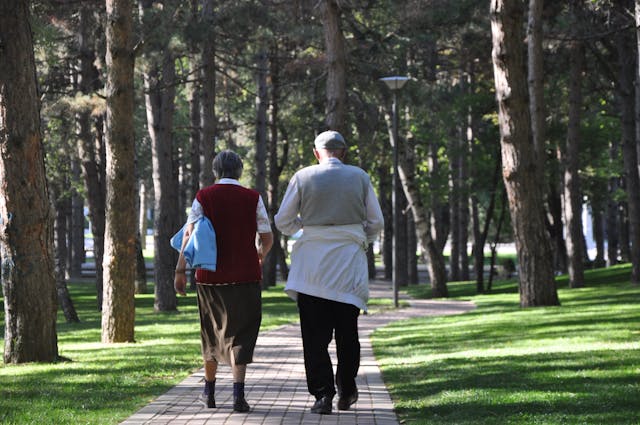
Marital Status Significantly Linked to Improved Health and Well-being Among Ageing Men

A recent study tracking over 7,000 middle-aged and older Canadians for about three years revealed distinct patterns of optimal ageing related to marital status. It found that married men, or those who married during the study, were twice as likely to experience optimal ageing as their never-married counterparts. On the other hand, among women, those who had never married were twice as likely to age optimally compared to those who were married but became widowed or divorced during the study. There was no significant difference in optimal ageing between married women and their never-married counterparts.

“The relationship between marital status in later life and successful ageing is poorly understood. We aimed to explore how different marital paths correlate with physical health and well-being and to determine if these correlations differ between men and women,” stated Mabel Ho, the study’s lead author and a recent doctoral graduate from the University of Toronto’s Factor-Inwentash Faculty of Social Work and the Institute of Life Course and Aging. The researchers defined optimal ageing as the absence of severe physical, cognitive, mental, or emotional conditions that could hinder daily activities, coupled with high self-reported levels of happiness, good physical health, and mental well-being.

“Previous research has indicated that married individuals typically have better health outcomes than their unmarried counterparts, with never-married men showing the poorest health outcomes,” noted David Burnes, Professor and Canada Research Chair at the University of Toronto’s Factor-Inwentash Faculty of Social Work. “Married couples often encourage each other to maintain or adopt healthy lifestyles, which might include quitting smoking or regular physical exercise.” This suggests that the mutual support found in marriages may play a critical role in promoting health and well-being as individuals age.

The study also highlighted the importance of social connections for older adults. Those who were not socially isolated and regularly interacted with friends, relatives, and neighbours were likelier to maintain optimal health as they aged. “Social connections are crucial, especially in later life. Regular interactions with friends, family, and neighbours can help reduce feelings of loneliness, foster a sense of belonging, and enhance overall well-being,” explained Eleanor Pullenayegum, a Senior Scientist at The Hospital for Sick Children and a professor at the University of Toronto.

Additionally, the research emphasized the role of lifestyle factors in ageing well. Maintaining a healthy body weight, engaging in physical activity, avoiding insomnia, and not smoking were all identified as key to achieving optimal health in later life. “Maintaining a healthy lifestyle is vital at any age. For instance, quitting smoking can significantly improve one’s chances of ageing well,” remarked Esme Fuller-Thomson, the study’s senior author and Director of the Institute for Life Course & Aging at the University of Toronto’s Factor-Inwentash Faculty of Social Work.

The study underlines the need to understand better gender-specific differences in ageing to support older men and women in their later years. The insights gathered could help shape the development of programs and services designed to assist older adults, particularly those who are single, widowed, or have gone through separation or divorce. Ho concluded, “Our findings can inform the development of programs and services to engage and support older adults, particularly those who were never married or experienced widowhood, separation, and divorce in later life.”

More information: Ho, M., Pullenayegum, E., Burnes, D., & Fuller-Thomson, E. (2024). The association between trajectories of marital status and successful aging varies by sex: Findings from the Canadian Longitudinal Study on Aging (CLSA). International Social Work, 0(0). DOI: 10.1177/00208728241267791

Journal information: International Social Work Provided by The University of Toronto

Integrating Food Taxes and Subsidies to Promote Healthier Grocery Choices Among Low-Income Families

The study conducted by researchers at the University of North Carolina at Chapel Hill investigated the potential effects of a combined tax-subsidy policy on the buying habits of low-income households, particularly concerning their nutritional quality, without raising overall costs. By modelling the impact of national-level taxes on sugary and ultra-processed foods and using the generated revenue to fund subsidies for healthier, minimally processed food items, the study aimed to assess how such policies could influence consumer behaviour. The findings suggested that implementing targeted taxes on unhealthy food and drink options, alongside subsidies for healthier choices, would likely lead to a significant improvement in the nutritional quality of purchases made by low-income households.

This policy model not only promotes healthier eating habits but also does so in a cost-effective manner. It effectively encourages healthier eating habits without compromising consumer satisfaction or financial burden. The approach has proven to be cost-effective in various contexts, including reducing sugary drink consumption and associated chronic diseases. Internationally, many countries and regions have already seen positive outcomes from imposing health-centric sugary drink taxes, though few have reinvested the revenues into subsidising healthy food purchases.

In the U.S., similar studies have shown that providing extra financial benefits to food assistance beneficiaries for the purchase of fruits and vegetables significantly boosts the consumption of these healthier food items. The results from this new study underscore the potential of a hybrid policy approach, combining tax and subsidy elements, to enhance the accessibility of nutritious food choices for low-income families. This could include beans, legumes, unprocessed meats, and low- or no-sugar drinks.

Authors Shu Wen Ng, PhD, and Pourya Valizadeh, PhD, emphasise that this method promotes better dietary patterns among the economically disadvantaged and advances nutritional equity. They suggest that such fiscal measures focus more on modifying food pricing structures to make healthy options more affordable than merely generating government revenue. This approach sends a cohesive message to consumers and the food industry about the national commitment to improving diet quality and nutrition security in the United States.

More information: Pourya Valizadeh et al, Promoting Healthier Purchases: Ultraprocessed Food Taxes and Minimally Processed Foods Subsidies for the Low Income, American Journal of Preventive Medicine. DOI: 10.1016/j.amepre.2024.02.019

Journal information: American Journal of Preventive Medicine Provided by University of North Carolina at Chapel Hill

Research reveals that numerous young individuals from affluent areas in NYC skipped ahead in the COVID-19 vaccination line

Amidst vaccine shortages, many younger residents in New York City obtained COVID-19 vaccinations earlier than planned, especially in wealthier neighbourhoods, reveals a Columbia University Mailman School of Public Health study. In contrast, lower-income regions with a higher proportion of elderly residents showed less vaccination coverage during the initial three months of the rollout. They experienced more excellent mortality rates over the year. These findings have been published in the Journal of Urban Health.

An adjunct population and family health professor at Columbia Mailman School, Nina Schwalbe, emphasised that a vaccine strategy prioritising those most at risk from COVID-19 complications and deaths would have been more effective. She highlighted the necessity for policymakers to tailor vaccine distribution strategies to the local demographics of high-risk groups. Schwalbe suggested that focusing the limited vaccine supply on lower-income areas with a significant elderly population could have reduced overall mortality.

The study detailed the vaccination schedule and the sequence in which different groups were vaccinated. Starting on December 14, 2020, New York began vaccinating high-risk hospital workers, followed by successive age groups until all adults aged 30 and over were eligible by March 30, 2021. Vaccines were administered through fixed-point mass vaccination sites in collaboration between the New York State Department of Health and the New York City Department of Health and Mental Hygiene.

Researchers utilised data from the Census Bureau and New York City Health, aggregated by modified zip code tabulation areas (MODZCTA), which included demographic information on race, income, and age. They analysed COVID-19 mortality rates per 100,000 population in each MODZCTA from December 1, 2020, to December 31, 2021.

Schwalbe pointed out that in New York, the risk of dying from COVID-19 varied significantly, with age being the most significant risk factor and low-income households being disproportionately affected. By the end of March, vaccination rates for individuals aged 65 and above ranged from 53 per cent in the poorest quintile to 75 per cent in the richest, with the highest coverage reaching 99 per cent in the wealthiest areas compared to 68 per cent in the most inadequate. A year later, when vaccines became widely available, the median vaccination coverage for residents aged 65 and older surpassed 87 per cent, even in the least wealthy areas.

The study questioned whether New York expanded vaccination eligibility too rapidly, given the vaccine shortages, rather than prioritising higher-risk groups, such as older residents in low-income areas. Schwalbe noted that while it’s possible some younger individuals were vaccinated due to their professions or underlying health conditions, these factors likely did not justify the significant disparity in vaccination rates between low and high-income areas.

Schwalbe and her colleagues concluded that the distribution of vaccines in the face of shortages showed an apparent “misallocation” that could have been addressed more effectively by adhering strictly to state guidelines on distribution criteria. They argued for a targeted approach in U.S. policy, prioritising access to critical resources like vaccines for those most at risk of severe health outcomes, thereby enhancing the efficiency and equity of public health interventions.

More information: Nina Schwalbe et al, Assessing New York City’s COVID-19 Vaccine Rollout Strategy: A Case for Risk-Informed Distribution, Journal of Urban Health. DOI: 10.1007/s11524-024-00853-z

Journal information: Journal of Urban Health Provided by Columbia University Mailman School of Public Health

Evening Exercise Found to Enhance Blood Sugar Control in Overweight and Obese Individuals

Researchers from the University of Granada (UGR) uncovered the findings, which suggest important practical implications, particularly for individuals susceptible to insulin resistance or type 2 diabetes.

The research was carried out by the UGR’s PROFITH CTS-977 Research Group in collaboration with the “San Cecilio” and “Virgen de las Nieves” University Hospitals in Granada; the Public University of Navarre; the Centre for Networked Biomedical Research on Physiopathology of Obesity and Nutrition (CIBEROBN); and the Centre for Networked Biomedical Research on Frailty and Healthy Ageing (CIBERFES). The study focused on the impact of moderate-to-vigorous physical activity on glucose levels in overweight and obese adults.

It is well-established that physical activity positively influences glucose regulation. However, the timing of the activity—whether in the morning, afternoon, or evening—may play a crucial role in maximizing its cardiometabolic benefits. Led by Antonio Clavero-Jimeno and Jonatan Ruiz from the UGR’s Department of Physical Education and Sports (Faculty of Sport Sciences) and the Sport and Health University Research Institute (iMUDS), the study aimed to determine if a specific time of day could optimize these benefits, particularly for those with insulin resistance or at risk of developing type 2 diabetes.

The researchers discovered that engaging in more moderate-to-vigorous physical activity during the evening, specifically between 18:00 and 00:00, has a beneficial effect on glucose regulation in both men and women who are overweight or obese. Additionally, those with some form of impaired glucose metabolism—such as higher glucose levels, glycated haemoglobin, or fasting insulin resistance index—appeared to reap more significant benefits from physical activity, regardless of their gender.

A total of 186 overweight or obese adults, half women, with an average age of 47, participated in the study. They were equipped with an accelerometer and a continuous glucose monitor for 14 days to measure their physical activity and glucose levels throughout the day. The days were categorized based on activity levels as either “inactive,” “morning,” “afternoon,” “evening,” or “mixed,” depending on when more than 50% of the recorded physical activity occurred within specified time slots.

These findings underscore the significance of considering the timing of physical activity when prescribing exercise, especially for those prone to insulin resistance or type 2 diabetes. They could enhance the effectiveness of exercise interventions for these groups.

More information: Antonio Clavero-Jimeno et al, Impact of lifestyle moderate-to-vigorous physical activity timing on glycemic control in sedentary adults with overweight/obesity and metabolic impairments, Obesity. DOI: 10.1002/oby.24063

Journal information: Obesity Provided by Universidad de Granada

Forecasting Ahead: Simple Tools to Assess Risks of Falling

The escalating demographic shift towards an ageing global population introduces a pressing issue: the increased risk of falls among older adults. Statistics suggest that one in every three individuals over 65 experiences at least one fall annually, with the injuries incurred from these falls becoming a growing concern in public health and healthcare management.

In an innovative response to this challenge, Associate Professor Hiromitsu Toyoda and Specially Appointed Professor Tadashi Okano from Osaka Metropolitan University’s Graduate School of Medicine have collaborated with Professor Chisato Hayashi from the University of Hyogo to develop an accessible assessment tool. This tool, which simplifies the estimation of fall risks, was meticulously crafted using data collected over a decade-long period from April 2010 to December 2019, specifically focusing on elderly participants.

The collaborative research initiative analyzed a vast array of data, encompassing 7,726 physical examinations and the responses to the Kihon Checklist—a comprehensive self-reporting questionnaire used by 2,381 older adults participating in community-based exercise programs. The Japanese government recognizes this questionnaire as a tool for assessing the health and well-being of the elderly. The analysis was rigorously performed under a formal agreement between Sumoto City in Hyogo Prefecture and the University of Hyogo, ensuring the integrity and applicability of the findings.

Traditionally, risk factors for falls have included a history of previous falls and the inability to maintain balance while standing on one leg. However, the recent analysis conducted by the research team has unveiled additional indicators. Poor oral health and diminished cognitive function have emerged as critical, yet previously underappreciated, contributors to fall risk. The study also highlighted that merely short-term involvement in targeted exercise programs was insufficient for reducing the risk of falls among older adults.

Professor Toyoda is optimistic about the potential impact of this new tool, emphasizing its benefits for healthcare providers on the front lines of elderly care. He stated, “We believe that this tool will provide invaluable information for healthcare professionals responsible for screening and supporting older adults at heightened risk of falls. It will aid them not only in preventative measures but also ineffective follow-up care.” He further expressed hope that this tool would be widely adopted by municipalities, underscoring that preventing falls among older adults does more than extend their life expectancy—it also plays a crucial role in controlling the spiralling costs associated with medical care and long-term care facilities.

The initiative led by Professors Toyoda, Okano, and Hayashi aims to foster a more proactive approach to managing elderly health by equipping healthcare providers with reliable, easy-to-use tools for assessing fall risks. This will ultimately contribute to safer, healthier ageing communities.

More information: Chisato Hayashi et al, Development and validation of a prediction model for falls among older people using community-based data, Osteoporosis International. DOI: 10.1007/s00198-024-07148-8

Journal information: Osteoporosis International Provided by Osaka Metropolitan University

Widespread food preservative yields surprising impacts on gut microbiota

Food manufacturers regularly incorporate preservatives into their products to extend shelf life. These preservatives primarily function by eliminating microbes that could decompose the food, leading to spoilage. Traditional preservatives such as sugar, salt, vinegar, and alcohol have been utilised for centuries. However, contemporary food labels often list less familiar additives like sodium benzoate, calcium propionate, and potassium sorbate.

Bacteria can produce substances known as bacteriocins, which eliminate competing microbes. These bacteriocins act as natural preservatives by exterminating potentially harmful pathogens within food products. Among these, lanthipeptides—a group of bacteriocins noted for their strong antimicrobial properties—are prevalently employed by the food industry and are colloquially termed “lantibiotics,” a blend of lanthipeptide and antibiotics.

Despite their everyday use, the effects of lantibiotics on human gut microbiomes remain poorly understood. The gut microbiome is a complex and balanced ecosystem where commensal bacteria play crucial roles in nutrient breakdown, metabolite production, and pathogen protection. The indiscriminate killing of these commensal bacteria by antimicrobial preservatives could lead to the dominance of opportunistic pathogenic bacteria, potentially causing issues as severe as those from consuming spoiled food.

Recent research highlighted in ACS Chemical Biology by the University of Chicago sheds light on the impact of antibiotics on both harmful pathogens and beneficial commensal gut bacteria. One such study focused on Nisin, a widely used antibiotic in various food products, from beer to cheese. Produced by bacteria in cow mammary glands, similar compounds are also naturally generated by human gut microbes. Zhenrun “Jerry” Zhang, PhD, a postdoctoral scholar in Eric Pamer’s lab at UChicago, investigated how these naturally occurring lantibiotics affect gut commensals.

Zhang expressed concerns about the long-standing inclusion of Nisin in food and its less-studied effects on gut microbes. His research aimed to explore this aspect further by examining gut bacteria genomes from a public database, identifying genes linked to six gut-derived lantibiotics similar to Nisin, with four being newly discovered. Collaborating with Wilfred A. van der Donk, PhD, from the University of Illinois Urbana-Champaign, Zhang’s team synthesised these lantibiotics. It tested their effects on both pathogens and commensal bacteria, finding that they affected both groups.

The study revealed that commensal gut bacteria are often more sensitive to lantibiotics than pathogens, suggesting that the current levels of lantibiotics in food could impact gut health. The research team is also analysing the structure of peptides within the lantibiotics to understand their antimicrobial action better, aiming to harness these properties beneficially. For instance, another study by the Pamer lab demonstrated that a consortium of four microbes, including one producing lantibiotics, helped protect mice against antibiotic-resistant Enterococcus infections. They are further exploring the prevalence of lantibiotic-resistant genes across different human populations to understand better how such bacteria can colonise the gut under varied dietary conditions.

Zhang concluded that while lantibiotics and their producing bacteria can have detrimental effects, they can leverage their antimicrobial properties beneficially, mitigating the negative impacts while enhancing the positive aspects. This nuanced approach seeks to balance the preservation benefits against the possible risks to gut health.

More information: Zhenrun J. Zhang et al, Activity of Gut-Derived Nisin-like Lantibiotics against Human Gut Pathogens and Commensals, ACS Chemical Biology. DOI: 10.1021/acschembio.3c00577

Journal information: ACS Chemical Biology Provided by The University of Chicago

Enhanced Hospital Nutrition Achieved Through Revised Menu Options

Hospital food typically does not enjoy a favourable reputation. The high proportion of meat served often must align with the German Nutrition Society’s (DGE) recommendations, favouring a plant-centric diet in healthcare settings. Hospitals can significantly encourage patients to opt for healthier dining options, as demonstrated by two recent studies conducted by the University of Bonn Hospital (UKB) and the University of Bonn, involving around 2,000 participants. These findings now provide a foundation for hospital decision-makers to implement culinary improvements. The study’s results are set to appear in the August edition of the Journal of Environmental Psychology.

The investigation, overseen by Prof. Simone Dohle, who heads the Health and Risk Communication Lab at the UKB’s Institute of Family Medicine, involved two online surveys representative of the German adult population that consumes meat at least weekly. These studies utilised a menu from a German university hospital and presented participants with a hypothetical scenario. Over two weeks, participants split into two groups and were to choose daily from three meal options as if hospitalised. The first group had access to two meat-based options daily, while the second group had only one, encouraging higher consumption of plant-based meals.

The research team also experimented with meal labelling, using descriptors like “colourful and healthy”. Despite the greater availability of vegetarian options, these labels decreased menu satisfaction. Changing the meal descriptions from “wholefood, light food, and vegetarian food” to “Menu 1, Menu 2, and Menu 3” did not influence the preferences or satisfaction levels of the participants.

The study indicates that menu design elements can affect meat eaters’ food choices and satisfaction in medical environments, although further research in this area is warranted.

Prof. Dohle, a member of the Transdisciplinary Research Area (TRA) “Sustainable Futures” at the University of Bonn, remarked on the findings, stating that the architecture of food choices could steer individuals towards healthier and more sustainable eating habits. For patients who are not on special diets and receive standard hospital meals, increasing the number of vegetarian dishes could promote healthier eating behaviours. However, she noted that further elaboration of menu descriptions is unnecessary and might even diminish satisfaction. Prof. Dohle expressed hope that the insights from this study would underpin scientifically grounded, sustainable modifications to hospital menus that support a healthier overall diet.

More information: Julia Meis-Harris et al, Food for future: The impact of menu design on vegetarian food choice and menu satisfaction in a hypothetical hospital setting, Journal of Environmental Psychology. DOI: 10.1016/j.jenvp.2024.102348

Journal information: Journal of Environmental Psychology Provided by Universitätsklinikum Bonn

The Pleasure of Sports: Enhancing Well-being Through Viewing Athletic Events

For numerous individuals, sports appeal beyond mere recreation; it is a fundamental source of joy and relaxation. The experience of watching sports, especially when part of sizeable gatherings, transcends simple amusement by cultivating a profound sense of community and inclusion among spectators. This shared bond uplifts spirits and yields societal benefits by enhancing health, boosting productivity, and decreasing crime rates. Despite widespread acknowledgement of its beneficial impacts, the research examining the nexus between sports viewership and overall well-being still needs to be explored.

Associate Professor Shintaro Sato spearheaded a pioneering research initiative from the Faculty of Sport Sciences at Waseda University in Japan to address this deficiency. Collaborating with Assistant Professor Keita Kinoshita from Nanyang Technological University and Dr. Kento Nakagawa from Waseda University’s Faculty of Human Sciences, the team employed a holistic multi-method approach. This approach integrated secondary data analysis, participant self-reports, and neuroimaging techniques to delve into how watching sports affects well-being among the general populace. “One major hurdle in the study of well-being is the subjective nature of current measurement techniques, which can lead to skewed results. Consequently, our research leveraged both subjective and objective well-being metrics,” Prof. Sato noted. Their findings were disseminated in an article published online in the Sports Management Review on March 22, 2024.

The initial phase of their study involved analysing extensive publicly accessible data on the impact of sports viewership on 20,000 Japanese citizens. This phase reinforced the consistent pattern that regular sports viewers report higher levels of well-being. Nevertheless, this phase was constrained by its limited capacity to explore the deeper dynamics between sports engagement and well-being.

In a subsequent online survey involving 208 participants, the research aimed to discern if the well-being benefits from watching sports varied with the sport watched. Participants were shown different sports videos, and their well-being was assessed pre- and post-viewing. The results highlighted that mainstream sports like baseball significantly boosted well-being more than less popular sports like golf.

The research reached its most innovative juncture in the third phase, where the team utilised neuroimaging technology to examine changes in brain activity after participants watched sports clips. Employing advanced multimodal MRI neuroimaging techniques, they studied the brain activity of fourteen healthy Japanese participants. The neuroimaging results revealed that sports viewing activated the brain’s reward pathways linked to feelings of happiness and satisfaction. Moreover, a significant discovery in the structural image analysis showed that individuals who frequently watched sports had greater grey matter volume in brain regions associated with these reward circuits. This suggests that habitual sports viewing might instigate long-term modifications in brain architecture. “Our findings indicate that both subjective and objective aspects of well-being are positively impacted by sports viewing. Over time, it appears to promote enduring changes in the brain’s reward mechanisms, providing long-term advantages for individuals. For those aiming to improve their well-being, regularly engaging in sports viewing, especially popular sports like baseball or soccer, could prove to be an effective strategy,” Prof. Sato elaborated.

This study broadens the academic discourse in sports management and holds substantial implications for real-world sports management practices and public health policy development. Unlike most existing literature that focuses narrowly on sports fans, this study encompasses a broader demographic irrespective of their engagement with sports, potentially guiding future policies and practices in the field.

More information: Keita Kinoshita et al, Watching sport enhances well-being: evidence from a multi-method approach, Sport Management Review. DOI: 10.1007/s00394-023-03123-x

Journal information: Sport Management Review Provided by Waseda University

Understanding the Cell Entry Inhibition Mechanism of Bulevirtide for Hepatitis B and D Viruses

Over 12 million individuals globally are afflicted with chronic hepatitis D virus (HDV) infections, the most severe form of viral liver disease, which carries a significant risk of mortality due to liver cirrhosis and cancer. This disease is propagated by the HDV, which peculiarly hijacks the surface proteins of the hepatitis B virus (HBV) to gain entry into liver cells through a specific protein in the cell membrane—the bile salt transporter protein NTCP. The drug bulevirtide, marketed as Hepcludex, has been developed to block this entry mechanism and has recently been the subject of groundbreaking research. An international team has unveiled the molecular structure of bulevirtide in complex with the HBV/HDV receptor NTCP, providing critical insights as published in the prestigious Nature Communications. These findings could lead to more precise and potent therapies for the millions suffering from chronic HBV/HDV infections.

Bulevirtide is the pioneering and sole approved therapeutic agent for chronic HDV infections. It not only blocks viral replication effectively but also substantially enhances liver function. Before recent studies, the detailed interactions of bulevirtide with the virus entry receptor on liver cells—the bile salt transporter protein NTCP—remained a mystery.

To elucidate these interactions at a molecular level, researchers created an antibody fragment that specifically targets the NTCP-bulevirtide complex, allowing for its analysis when attached to nanoparticles. This complex was then scrutinised using cryo-electron microscopy, which depicted the structural nuances at an atomic scale. These results significantly advance understanding of the interaction between HBV/HDV and their cellular entry receptor NTCP and how bulevirtide effectively blocks this receptor.

The detailed analysis revealed that bulevirtide forms three functional domains in its interaction with the NTCP receptor: a myristoyl group that interfaces with the external cell membrane, a core sequence acting as a ‘plug’ that precisely fits into the bile salt transport tunnel of NTCP, akin to a key in a lock; and a chain of amino acids that extends over the receptor’s extracellular surface, encircling it like a brace.

Prof Stephan Urban, a key figure in developing bulevirtide at Heidelberg University, highlighted the uniqueness of the ‘plug’ formation in the transport tunnel and its role in inactivating the bile salt transporter. He noted this mechanism’s novelty among virus-receptor complexes and its crucial role in the therapeutic efficacy of bulevirtide.

Moreover, the structural insights provided by this study have spurred the development of smaller, more effective therapeutic agents known as peptidomimetics, which could be administered orally. Prof Joachim Geyer from Justus Liebig University Giessen also emphasised how these findings lay a groundwork for creating peptide-based drugs with enhanced pharmacological properties.

Additionally, the research shed light on an evolutionary adaptation of hepatitis B viruses to their hosts. It was discovered that a specific amino acid in the NTCP, crucial for virus-receptor interaction, could prevent the binding of HBV/HDV if altered, elucidating why certain primates, such as Old World monkeys, are resistant to these viruses.

These breakthroughs not only enhance our understanding of the evolutionary dynamics of hepatitis viruses but also set the stage for creating innovative, targeted therapies. Prof Dieter Glebe and Prof. Kaspar Locher, who also contributed to the study, stressed the importance of these findings in advancing the treatment and management of hepatitis D and B, paving the way for potentially more effective treatments for those affected by these chronic infections.

More information: Hongtao Liu et al, Structure of antiviral drug bulevirtide bound to hepatitis B and D virus receptor protein NTCP, Nature Communications. DOI: 10.1038/s41467-024-46706-w

Journal information: Nature Communications Provided by German Center for Infection Research

For kidney regeneration, kindly refrain from adding salt

According to findings published in The Journal of Clinical Investigation, a study funded by the NIH and led by USC Stem Cell scientist Janos Peti-Peterdi has uncovered that reducing salt and body fluid intake can stimulate kidney regeneration and repair in mice. This discovery hinges on the activity of a small population of kidney cells in the macula densa (MD) region, which senses salt and regulates essential renal functions like filtration and hormone secretion. Emphasizing the gravity of these findings, Peti-Peterdi, a professor at the Keck School of Medicine of USC, highlighted the global kidney disease epidemic, which affects one in seven adults worldwide, totalling approximately 850 million people, including around 2 million in the Los Angeles area alone. He pointed out the urgent need for effective treatments, as kidney disease often goes unnoticed until irreversible damage occurs, necessitating dialysis or transplantation.

In an innovative shift from traditional research paths, Peti-Peterdi and first author Georgina Gyarmati explored how healthy kidneys evolved rather than why diseased kidneys fail to regenerate. Their evolutionary biology approach traced back to how primitive kidney structures in fish adapted over millennia to the more complex and efficient organs found in birds and mammals, better suited for terrestrial life and enhanced salt and water absorption. This evolutionary insight is pivotal for developing methods to mimic these natural processes to facilitate human kidney repair and regeneration.

The experimental protocol involved feeding lab mice a low-salt diet combined with an ACE inhibitor to reduce salt and fluid levels further, maintained for up to two weeks to avoid health complications associated with prolonged low salt intake. During this period, researchers observed regenerative activities in the MD region, which could be halted by drugs that interfered with MD signalling, underscoring the MD’s essential role in orchestrating kidney regeneration. Further analysis revealed that MD cells in mice shared genetic and structural characteristics with nerve cells, known for their role in organ regeneration, suggesting a similar regenerative mechanism might be present in kidneys.

Delving deeper, the team identified specific genes in MD cells, such as Wnt, NGFR, and CCN1, that responded positively to the low-salt diet, promoting the regeneration of kidney structure and function. To test the therapeutic potential of these findings, the scientists administered CCN1 to mice with a type of chronic kidney disease (CKD) known as focal segmental glomerulosclerosis. They treated them with MD cells cultivated under low-salt conditions. Both treatments were remarkably successful, with the MD cell therapy showing significant improvements in kidney function and structure, likely due to CCN1 and other unidentified factors that may promote kidney regeneration. This success provides reassurance and confidence in the potential of these treatments.

Peti-Peterdi expressed firm conviction in the transformative potential of this new kidney repair and regeneration approach, hopeful it will lead to a robust and innovative therapeutic strategy. This groundbreaking research advances our understanding of kidney physiology. It opens new avenues for treating a disease that impacts millions globally, marking a significant step forward in the quest to cure kidney disease.

More information: Georgina Gyarmati et al, Neuronally differentiated macula densa cells regulate tissue remodeling and regeneration in the kidney, Journal of Clinical Investigation. DOI: 10.1172/JCI174558

Journal information: Journal of Clinical Investigation Provided by Keck School of Medicine of USC

Daily Multivitamin Use Not Linked to Reduced Mortality Risk in Healthy Adults

An extensive analysis of data from nearly 400,000 healthy U.S. adults monitored for over two decades reveals no link between regular multivitamin consumption and a decreased risk of death. This research, spearheaded by experts at the National Cancer Institute of the National Institutes of Health, was documented in the June 26, 2024, edition of JAMA Network Open. In the United States, many adults consume multivitamins, hoping to enhance their health. Nonetheless, consistent multivitamin intake’s advantages and disadvantages are still poorlyneed to be better understood. This study’s unique contribution lies in its ability to overcome the limitations of prior investigations into the connection between multivitamin use and mortality rates, which often presented inconsistent outcomes and were constrained by brief follow-up durations.

The current study aimed to thoroughly investigate the correlation between prolonged, regular multivitamin use and overall mortality, as well as deaths linked to cardiovascular diseases and cancer. The researchers utilised data from three extensive, geographically varied prospective studies, which included 390,124 U.S. adults. These participants, who were generally healthy and had no history of cancer or other chronic conditions, were observed for more than 20 years.

Owing to the significant size of the study group, the lengthy follow-up period, and comprehensive details on demographics and lifestyle factors, the researchers could control for potential biases that might have skewed the results of previous studies. For instance, individuals who consume multivitamins regularly lead generally healthier lifestyles, and those suffering from illnesses are more inclined to increase their multivitamin usage.

The findings indicated that daily multivitamin takers did not experience a reduced mortality risk from any cause compared to those who did not use multivitamins at all. There were no observable differences in death rates from cancer, heart disease, or cerebrovascular conditions. These results were adjusted for variables such as race and ethnicity, education, and dietary quality. The researchers underscored the necessity of assessing the relationship between multivitamin use and mortality risk across various populations, including those with known nutritional deficiencies, and the potential effects of habitual multivitamin consumption on other health issues related to ageing, which warrants further investigation.

More information: Erikka Loftfield et al, Multivitamin Use and Mortality Risk in 3 Prospective US Cohorts, JAMA Network Open. DOI: 10.1001/jamanetworkopen.2024.18729

Journal information: JAMA Network Open Provided by NIH / National Cancer Institute