Monthly Archives: August 2024

Symptom Management and Enhanced Quality of Life for Cardiovascular Patients Through Palliative Care

Implementing patient-centred palliative care therapies, which include prescribing, adjusting, or discontinuing medications as needed, can control symptoms and improve the quality of life for those with heart disease. This approach is outlined in the new scientific statement “Palliative Pharmacotherapy for Cardiovascular Disease” from the American Heart Association, published in Circulation: Cardiovascular Quality and Outcomes. The statement reviews the current evidence surrounding the benefits and risks of cardiovascular and essential palliative medications, offering guidance for healthcare professionals to integrate palliative methods into holistic medication management across all stages of a patient’s health conditions. It also emphasises the importance of shared decision-making and goal-oriented care.

Palliative care is specialised medical care that alleviates symptoms and enhances the quality of life for those suffering from serious health-related issues. This type of care is especially beneficial for patients with various cardiovascular diseases, including coronary heart disease, valvular heart disease, pulmonary arterial hypertension, and heart failure. These conditions, which significantly impair quality of life, require ongoing treatment, are generally progressive, and are associated with high mortality rates. Often, the progression of these conditions is unpredictable, characterised by worsening symptoms that frequently lead to hospital admissions.

Integrating palliative care into standard cardiovascular treatment helps reduce physical symptoms, manage emotional distress, and aids patients in aligning treatment decisions with their care goals. This approach can be incorporated at any stage of heart disease, from chronic, stable conditions to advanced and end-stage disease, supporting a more goal-oriented, patient-centred treatment approach. Despite its benefits, fewer than 20% of individuals with end-stage heart disease receive palliative care.

Significant disparities in cardiovascular care and outcomes persist, influenced by race, ethnicity, gender, and social determinants of health. Those who are referred to palliative care tend to be predominantly white, from higher socioeconomic backgrounds, and more likely to receive care at academic medical centres. Patients from underrepresented racial and ethnic groups are less likely to receive palliative care, leading to poorer outcomes and increased risk of early mortality.

Dr. Katherine E. Di Palo, Chair of the statement writing group, emphasises the importance of fully informing patients about their diagnosis and potential changes in medication management as their disease progresses. This knowledge allows patients to set and share their care goals, including reducing symptoms such as shortness of breath, fatigue, and pain and improving sleep, mood, and appetite. To achieve these goals, cardiovascular medications that provide symptom relief, like diuretics for managing fluid retention in heart failure, should be prioritised for patients with advanced heart disease. Additionally, incorporating palliative medicines alongside evidence-based cardiovascular therapies can optimise symptom management and enhance quality of life.

A team-based approach is essential for managing the complexities of medication in heart disease, involving collaboration among multidisciplinary clinicians from primary care, cardiology, and palliative care. Given the rapid changes in health status that patients may experience, ongoing discussions are crucial to ensure that treatment plans align with the patient’s preferences and priorities. Clinicians should routinely evaluate—and communicate—the potential risks, benefits, and expected timeframe for each medication’s effectiveness.

Deprescribing and de-escalating medications are also critical components of palliative medication management for heart disease patients. Deprescribing involves tapering, withdrawing, or discontinuing a medication to improve outcomes while de-escalating focuses on reducing the dosage or switching medications based on the patient’s response. Several scenarios where deprescribing might be considered include situations where the expected time to benefit from a medication exceeds the patient’s life expectancy. Future research is needed to determine the most effective ways to provide timely and targeted access to palliative medication management, particularly for patients with advanced heart disease from under-represented racial and ethnic groups who are less likely to receive palliative care or may face barriers to accessing it.

More information: Katherine E. Di Palo et al, Palliative Pharmacotherapy for Cardiovascular Disease: A Scientific Statement From the American Heart Association, Circulation. DOI: 10.1161/HCQ.0000000000000131

Journal information: Circulation Provided by American Heart Association
Men Engaged in Recreational Activities Like Golfing and Gardening Could Face Higher ALS Risk

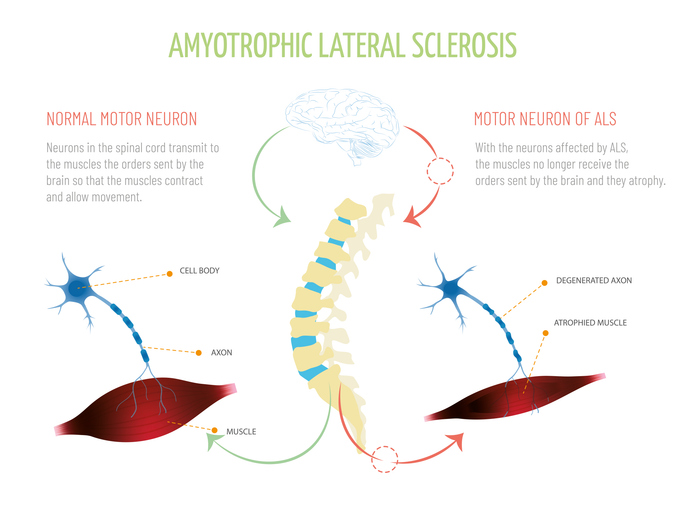
A study by Michigan Medicine has revealed that participating in recreational activities such as golfing, gardening, woodworking, and hunting might elevate the risk of developing amyotrophic lateral sclerosis (ALS) in individuals, particularly men. This research highlights activity-specific risk increases and has been published in the Neurological Sciences.

Under the leadership of Stephen Goutman, M.D., M.S., director of the Pranger ALS Clinic and associate director of the ALS Center of Excellence at the University of Michigan, this study has broadened our understanding of ALS risks. It has shifted the focus from occupational hazards to the potential influence of recreational activities on ALS risk. Dr. Goutman’s call to include these activities in future studies could significantly shape the development of ALS prevention, diagnosis, and treatment strategies.

In their investigation, researchers surveyed 400 individuals diagnosed with ALS and nearly 300 without the condition, focusing on their engagement in hobbies and activities outside of work. They discovered a notably higher risk associated with golf, with men who play the sport facing a threefold increase in ALS risk. Other activities such as gardening, yard work, woodworking, and hunting showed a significant risk increase among male participants. Conversely, the study found no significant recreational risk factors for women, nor did any hobbies correlate with earlier onset or death from ALS in either gender.

Dr. Goutman expressed surprise at the male-specific risk factors identified, suggesting that similar risks could potentially affect females, though the study’s limited female participation rendered conclusive results elusive. The research contributes to the broader understanding of the ALS exposome—a concept encompassing the cumulative environmental exposures contributing to ALS risk over a lifetime. Notably, the study hints at possible links between the use of pesticides in golfing and gardening and increased ALS risk, with previous research correlating such occupations with heightened ALS susceptibility. Furthermore, exposure to substances like formaldehyde in woodworking activities might also play a role in elevating ALS risk.

Senior author Eva Feldman, M.D., Ph.D., director of the ALS Center of Excellence at the University of Michigan, draws a parallel with Alzheimer’s disease, where a combination of lifestyle factors such as smoking, obesity, and high cholesterol can significantly increase risk. Dr. Feldman and her team aim to develop a similar framework for ALS, identifying specific occupations and hobbies that heighten risk as a preliminary step toward effective prevention strategies. She draws inspiration from poet Robert Frost, aiming to forge a new path in ALS risk reduction that is currently less travelled.

While the study’s findings are significant, they also underscore the need for further research. Prospective studies will delve deeper into the risks associated with production and manufacturing jobs, especially those involving metal use. The implications for individuals with a family history of ALS will also be explored. Both Goutman and Feldman stress that it is premature for clinicians to recommend ceasing any specific activities based on these findings alone. They advocate for continued research to establish a more explicit linkage between recreational activities and ALS risk, thereby enhancing the foundation for preventive measures in the future.

More information: Stephen A. Goutman et al, Avocational exposure associations with ALS risk, survival, and phenotype: A Michigan-based case-control study, Journal of the Neurological Sciences. DOI: 10.1016/j.jns.2024.122899

Journal information: Journal of the Neurological Sciences Provided by Michigan Medicine – University of Michigan

Exceptional Dementia Care in Nursing Homes Requires More Than Just Increased Staffing

A groundbreaking study led by the University of California, Irvine, has determined that simply increasing the number of staff in nursing homes is not enough to address the disparities in care quality and health outcomes between facilities with varying levels of residents with dementia. According to the research recently published in the journal Health Services Research, other factors such as specialised training, designing environments that are easy to navigate, and maintaining consistent staff are equally vital for catering to the needs of this demographic.

The study reveals that while higher staffing levels generally enhance patient outcomes across the board, notable differences persist between facilities with high and low proportions of dementia residents, regardless of staffing levels. The effects of staffing on care quality varied depending on the percentage of residents with dementia. They covered a range of outcomes from daily living activities like bathing, dressing, and eating independently to the frequency of emergency room visits and pressure sores.

Dana Mukamel, a professor of medicine at UCI and the study’s lead author, emphasised the objective of analysing how staffing hours correlated with care quality and comparing health outcomes in nursing homes with different densities of dementia populations. The findings indicated that while increased hours of registered nurses and certified nurse assistants per resident day tended to improve outcomes for both groups, adding more staff members was unlikely to be the sole solution.

The study underlined the complexity of dementia care, noting that over 40 per cent of nursing home residents in the United States are estimated to suffer from Alzheimer’s disease, related dementia, or cognitive impairments. These conditions complicate communication, requiring staff to be trained in specialised techniques to recognise non-verbal cues and understand diverse forms of self-expression.

This research involved regression analyses of a national sample of nursing homes from 2017 to 2019, utilising various datasets, including Medicare claims and data from the Centers for Medicare and Medicaid Services’ Payroll-Based Journal. The analysis controlled for resident and facility characteristics, employing separate linear models to predict six long-term facility-level outcomes.

Mukamel highlighted the necessity of increasing staffing and integrating specialised training, ensuring a secure environment, and maintaining staff consistency to manage the complexities associated with dementia effectively. She called for further research to identify specific areas for improvement in both high- and low-dementia facilities, aiming to enhance the overall quality of care.

More information: Dana B. Mukamel et al, Dementia, nurse staffing, and health outcomes in nursing homes, Health Services Research. DOI: 10.1111/1475-6773.14270

Journal information: Health Services Research Provided by University of California – Irvine

Strong ‘Family’ Connections Are Essential for the Wellbeing of Care Home Staff and Residents

A new study has brought to light a significant finding: care home residents experience a marked improvement in care when they establish ‘family-like’ bonds with staff. The research, a collaborative effort between the University of Leeds and The National Institute for Health and Care Research, underscores the pivotal role of stable, consistent staffing levels in fostering deep connections between employees and residents. This, in turn, leads to personalised and high-quality care. Professor Karen Spilsbury, the lead researcher and a distinguished figure in the field of Nursing at the University of Leeds’ School of Healthcare, has stressed the societal importance of understanding and meeting the complex needs of those living in care homes. She has also underlined the critical role of optimising workforce resources in care homes to promote high-quality and efficient care delivery.

The investigation into the varying quality of life and care among the 441,479 individuals residing in UK care homes has previously needed more robust explanations. Collaborating with managers, residents, families, and staff from various care homes across England, the researchers explored how staffing levels and operational methods influence the overall care quality. This comprehensive study involved analysing academic journals, care home data, reports from the Care Quality Commission (CQC) regulator, and staff networks within care homes to identify staffing factors that significantly impact care quality.

The findings indicated that several staffing practices could improve care quality. These include maintaining stable management, ensuring adequate staff numbers to foster family-like relationships, prioritising residents’ needs, empowering staff with decision-making autonomy, and promoting leadership by example among crucial staff members. The research also showed that increasing the number of registered nurses led to fewer adverse incidents, such as falls, infections, and medication errors. However, the financial implications of hiring additional nurses were not deemed cost-effective, as the high costs involved could offset the potential savings from reduced healthcare expenditures.

The study further highlighted that care homes with a consistent manager for at least 12 months before a CQC inspection were likelier to receive ‘good’ or ‘outstanding’ ratings. A higher staff-to-bed ratio was associated with better inspection outcomes, and long-term staff placement (five years or more) tended to improve quality as assessed by CQC ratings. Additionally, the organisation of care teams into small groups (5-15 residents per staff member) facilitated more effective communication and a familial environment, which is crucial for cultivating quality relationships and care.

Interestingly, the use of agency nurses to cover staffing shortages did not result in increased incidents of falls, infections, or pressure ulcers but was linked with more medication errors. This aspect underscores the complexity of staffing strategies and their direct impact on care quality in care homes.

Concluding the findings, Professor Spilsbury, also the Academic Director of NICHE-Leeds, reiterated the importance of valuing care home staff appropriately. She highlighted that staffing needs to be stable, skilled, and competent to harness the benefits of person-focused care and enhanced teamwork. The study underscores the necessity for effective leadership, staff recognition, and a cohesive philosophy of care to improve the quality of life and care experienced by residents. This underscores the importance of recognising the hard work and dedication of care home staff, fostering a culture of appreciation and respect that is crucial for managing care home environments that benefit both residents and staff.

More information: Karen Spilsbury et al, Relationship between staff and quality of care in care homes: StaRQ mixed methods study, Health and Social Care Delivery Research. DOI: 10.3310/GWTT8143

Journal information: Health and Social Care Delivery Research Provided by University of Leeds

Impact of a Youthful Outlook on Dementia Caregivers and Their Relatives

The University of Surrey has unveiled findings that establish a link between the perceived ages of spousal caregivers and their partners who are living with dementia. This study highlights that these perceptions significantly influence their wellbeing, life satisfaction, and self-confidence. Felt age is how old someone feels relative to their actual chronological age. It is gauged by asking individuals if they feel younger, older, or the same as their actual age. This metric deepens our understanding of how people view their ageing process, which affects their mental and physical health and can even predict significant health outcomes like mortality.

Dr Serena Sabatini, the lead author of the study, stressed the importance of recognising the interconnection of felt age between people with dementia and their caregiving spouses. She explained that the relationship quality between the caregiver and the care recipient is crucial in aligning their perceptions of ageing. Dr Sabatini suggests that caregivers younger than their actual age can positively influence the wellbeing of those with dementia, underlining the potential benefits of a youthful outlook within caregiving dynamics.

Dr Sabatini emphasised the need for targeted interventions and supportive policies. Such measures aim to support caregivers and those in their care, promote healthier ageing experiences and enhance the quality of life for all involved in these caregiving relationships. This call to action underscores the broader societal need to foster environments that respect and improve the lives of both caregivers and care recipients.

The research utilised data from the British IDEAL study, conducted from 2014 to 2016, involving 1001 pairs of people living with dementia and their spouses. Participants’ ages ranged widely from 41 to 95 years. Notably, the majority of the individuals with dementia were men, while most spousal caregivers were women. This demographic detail provides a deeper context for understanding the dynamics at play in these relationships.

The research team’s methodology involved assessing how old each participant felt and examining their relationship quality, well-being, life satisfaction, and self-confidence. Using linear regression analyses and the Actor-Partner Interdependence Model, the researchers were able to determine the connection between the felt ages of the individuals with dementia and their spouses. Additionally, this model helped assess how their relationship quality influenced these perceptions and whether a person’s felt age was linked to their partner’s mental and emotional health. This scientific approach allowed for a comprehensive understanding of how feelings and perceptions of ageing intertwine and mutually influence caregiving relationships.

Dr Sabatini added that the quality of the caregiving relationship significantly impacts how caregivers and those with dementia perceive their ageing. Those in high-quality relationships tended to share a similar felt age with their partners, indicating that closeness facilitates a more aligned perception of ageing. This finding suggests that enhancing the quality of caregiver relationships could lead to more harmonious perceptions of ageing between caregivers and those with dementia.

Fostering positive interactions and mutual understanding within these relationships has the potential to significantly improve the mental and emotional health of both caregivers and those living with dementia. Dr Sabatini’s research points towards a future where caregiving relationships are supportive and therapeutic, contributing to a better quality of life for all parties involved.

More information: Serena Sabatini et al, Felt Age and Its Psychological Correlates in Dementia Spousal Caregiving Dyads: Findings From the IDEAL Programme, The Journals of Gerontology, Series B. DOI: 10.1093/geronb/gbae105

Journal information: The Journals of Gerontology, Series B Provided by University Of Surrey

Research Unveils Causes of Bias in AI Models for Medical Imaging Analysis

Artificial intelligence models are increasingly integrated into medical diagnostic processes, particularly in analysing imaging data like X-rays. Research has indicated that these AI systems do not consistently perform well across different demographic groups, often underperforming in diagnostic accuracy for women and individuals from diverse ethnic backgrounds.

In an intriguing development, a 2022 study by MIT researchers demonstrated that AI models could reliably predict a patient’s race from their chest X-rays, a task that even experienced radiologists cannot achieve. This capability, however, comes with significant implications. The same team has discovered that the accuracy of these models in predicting demographic details correlates with substantial fairness gaps in medical diagnostics. Essentially, models better at identifying demographic characteristics tend to have more significant disparities in diagnosing diseases across different racial and gender groups. This suggests that the AI might be taking demographic shortcuts in its evaluations, leading to potentially incorrect diagnoses for certain groups, such as women and Black individuals.

Marzyeh Ghassemi, an associate professor at MIT, underscored the connection between AI’s ability to predict demographics and its uneven performance across groups, a link that had not been previously established. The study underscores the urgent need to address these biases, as they could potentially lead to harmful consequences for patient care.

The researchers have explored methods to enhance the fairness of these models. They found that retraining the AI with an emphasis on reducing biases showed promising results, but only when the models were applied to patients similar to those they were trained on. When used on patients from different hospitals, the fairness gaps reemerged, suggesting that the debiasing efforts were only sometimes effective.

Haoran Zhang, an MIT graduate student and lead author of the study, advises that hospitals should rigorously test external AI models with their demographic data to ensure any fairness claims are valid in their specific context. This is crucial because models often perform best on the data they were trained on and may need to generalise better across different settings.

The FDA has approved many AI-enabled medical devices for use in radiology, highlighting the growing reliance on AI in medical diagnostics. However, the discovery that these models can inadvertently learn and utilise demographic information to make predictions—even when not explicitly trained—raises concerns about their application and the ethical implications of their use.

The study employed AI models on publicly available chest X-ray datasets to predict several medical conditions and examine their performance. The findings revealed not only variability in accuracy based on gender and race but also a correlation between the models’ demographic prediction accuracy and their fairness gaps. This indicates that the AI may be using demographic features as proxies in its diagnostic processes, which could undermine the fairness and efficacy of medical diagnostics.

To combat these issues, the researchers employed training models to improve subgroup robustness and group adversarial methods to strip demographic information from the training process. Both approaches succeeded, but their effectiveness could have been enhanced when the data closely resembled the training set.

The persistence of fairness gaps in other datasets underscores a significant challenge: models debiased in one context may not maintain their fairness in another. This variability highlights the complexity of AI in medicine and the crucial need for continuous vigilance and adaptation to ensure these technologies serve all patients equitably.

Ghassemi’s team plans to continue exploring new methods to refine AI’s ability to make fair and accurate predictions across diverse patient populations. The research underscores the critical necessity for hospitals to thoroughly evaluate AI models with their specific demographic data before implementation. This responsible deployment and development of AI technologies in healthcare is a vital step in ensuring unbiased medical outcomes.

More information: Yuzhe Yang et al, The limits of fair medical imaging AI in real-world generalization, Nature Medicine. DOI: 10.1038/s41591-024-03113-4

Journal information: Nature Medicine Provided by Massachusetts Institute of Technology

Pregnant and Postpartum Women with Depression at Increased Risk of Cardiovascular Disease

Women diagnosed with perinatal depression are at a greater risk of developing cardiovascular disease within the next two decades compared to those who do not experience such depression during or after pregnancy, a study published in the European Heart Journal today reveals.

Perinatal depression, defined as depression occurring during pregnancy or following childbirth, affects approximately 20% of women globally. This groundbreaking research is the inaugural study to examine cardiovascular health after perinatal depression, analysing data from about 600,000 women. It discovered notably higher risks of conditions such as high blood pressure, ischemic heart disease, and heart failure.

The study was conducted by Dr Emma Bränn, Dr Donghao Lu, and their team at the Karolinska Institutet in Stockholm, Sweden. Dr Lu noted that prior research by their group linked perinatal depression with a heightened risk of various health issues, including premenstrual and autoimmune disorders, suicidal behaviour, and even premature death. “Given that cardiovascular disease is a leading cause of death worldwide, our team was keen to explore whether a history of perinatal depression could be indicative of an increased risk of cardiovascular diseases,” Dr Lu explained.

The researchers utilised the Swedish Medical Birth Register for this study, which documents every birth in Sweden. They compared 55,539 Swedish women diagnosed with perinatal depression between 2001 and 2014 with 545,567 Swedish women who gave birth during the same period but did not suffer from perinatal depression. Follow-up continued until 2020 to monitor the onset of any cardiovascular diseases.

The findings revealed that 6.4% of women with perinatal depression developed cardiovascular disease, compared to 3.7% of those without perinatal depression, reflecting a 36% increased risk. The risks of developing high blood pressure, ischemic heart disease, and heart failure were about 50%, 37%, and 36% higher, respectively, among those with perinatal depression.

Dr Bränn, the study’s senior author, emphasised the importance of these findings in identifying individuals at higher risk of cardiovascular disease to mitigate this risk. “These results underscore the significance of comprehensive maternal care that equally focuses on physical and mental health,” she remarked. The pathways through which perinatal depression may lead to cardiovascular disease are still not well understood, indicating a need for further research to develop effective prevention strategies for both depression and cardiovascular disease.

In a notable comparison, the study also examined sisters of women who suffered from perinatal depression and found that they had a 20% increased risk of cardiovascular disease. Dr Bränn suggested that genetic or familial factors might play a role in this disparity. “There might be other contributing factors, similar to those observed in other forms of depression and cardiovascular disease, such as changes in the immune system, oxidative stress, and lifestyle changes associated with major depression,” she added.

More information: Donghao Lu et al, Perinatal depression and risk of maternal cardiovascular disease: a Swedish nationwide study, European Heart Journal. DOI: 10.1093/eurheartj/ehae170

Journal information: European Heart Journal Provided by European Society of Cardiology

Physicians May Soon Utilize Facial Temperature to Diagnose Metabolic Diseases Early

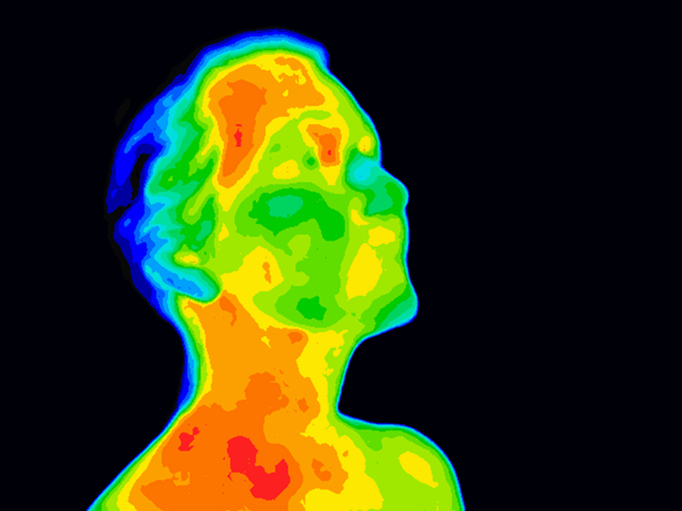
Researchers have identified that variations in facial temperature could indicate high blood pressure, with cooler noses and warmer cheeks serving as potential signs. This discovery arises from findings that link distinct temperatures in various facial regions to chronic diseases like diabetes and hypertension. These subtle thermal differences are invisible to human touch. Still, they can be accurately detected using AI-based analysis of spatial temperature patterns, which requires thermal imaging technology and a data-trained model. This research was detailed in a publication on July 2 in the journal Cell Metabolism, suggesting that with further study, this non-invasive technique could be used by doctors for early disease detection.

Jing-Dong Jackie Han, the study’s corresponding author from Peking University in Beijing, commented on the broader implications of their findings, noting, “Aging is a natural process, but our tool has the potential to promote healthy ageing and help people live disease-free.” The research team had previously utilized 3D facial analysis to predict biological age—an indicator of how well one’s body is ageing and the associated risk of diseases such as cancer and diabetes. Curiosity about whether other facial features like temperature could also indicate health status led to this new avenue of research.

The team analyzed the facial temperatures of over 2,800 Chinese participants ranging from 21 to 88 years old. The data was then used to train AI models that predict a person’s ‘thermal age.’ Key facial regions were identified where temperatures correlated significantly with age and health status, including the nose, eyes, and cheeks. It was found that the temperature of the nose decreases with age more rapidly than other facial areas, suggesting that individuals with warmer noses tend to have a younger thermal age, while temperatures around the eyes generally increase with age.

Furthermore, the study revealed that individuals with metabolic disorders such as diabetes and fatty liver disease experienced faster thermal ageing, often showing higher temperatures in the eye area compared to healthy individuals of the same age. People with elevated blood pressure also exhibited higher temperatures in the cheek areas. The research team attributed these increases in temperature mainly to a rise in cellular activities related to inflammation, including repairing damaged DNA and fighting infections, which heat specific facial regions.

In an exciting twist, the researchers explored whether physical activity could influence thermal age. They instructed 23 participants to jump rope at least 800 times daily for two weeks. To their surprise, participants reduced their thermal age by five years after the exercise regimen, suggesting a profound potential benefit of regular physical activity on one’s thermal and biological ageing.

Looking ahead, Han and her team are keen to investigate whether thermal facial imaging could predict other diseases, such as sleep disorders or cardiovascular issues. “We hope to apply thermal facial imaging in clinical settings, as it holds significant potential for early disease diagnosis and intervention,” Han explains. This advancement in medical imaging, combined with AI technology, offers a promising new frontier in proactively managing health and disease.

More information: Zhengqing Yu et al, Thermal facial image analyses reveal quantitative hallmarks of aging and metabolic diseases, Cell Metabolism. DOI: 10.1016/j.cmet.2024.05.012

Journal information: Cell Metabolism Provided by Cell Press

Cardiac Health May Be the Leading Risk Factor for Future Dementia Incidence

A new study led by researchers from UCL suggests that dementia risk factors linked to cardiovascular health may have become more prominent over time compared to other factors like smoking or lower educational attainment. The research, published in The Lancet Public Health, examines shifts in the prevalence of dementia risk factors and their potential implications for future dementia rates.

Currently, approximately 944,000 individuals are living with dementia in the UK, with 52% of the population, or 34.5 million people, knowing someone diagnosed with the disease. Dementia remains a leading cause of death in the UK, especially among women, where it has been the top cause of death since 2011.

The study underscores a growing focus on modifiable risk factors, which, if eliminated, could theoretically prevent around 40% of dementia cases, according to UCL-led research. The researchers reviewed 27 papers, incorporating global data from 1947 to 2015, with the most recent study published in 2020. They assessed the data for dementia risk factors from each study and calculated the proportion of dementia cases attributable to each factor over time.

Dementia typically arises from a mix of genetic and environmental factors, including hypertension, obesity, diabetes, educational level, and smoking habits. The findings indicated that lower educational levels and smoking rates have declined over time, correlating with a decrease in dementia rates. Conversely, obesity and diabetes rates have climbed, paralleling an increase in their contribution to dementia risk.

Hypertension remains a significant dementia risk factor, although proactive management of this condition has also improved over time. Dr Naaheed Mukadam, the lead author from UCL Psychiatry, noted that cardiovascular risk factors have increasingly influenced dementia risk, warranting more focused intervention for future prevention efforts.

The study also highlights societal shifts—increased educational attainment in wealthier nations and reduced smoking rates in Europe and the USA, driven by societal changes and higher costs, have rendered these factors less significant in dementia risk. These trends suggest that broad interventions at the population level could markedly affect the prevalence of dementia risk factors, and governments should consider implementing global educational policies and smoking restrictions to mitigate these risks.

More information: Naaheed Mukadam et al, Changes in prevalence and incidence of dementia and risk factors for dementia: an analysis from cohort studies, The Lancet Public Health. DOI: 10.1016/S2468-2667(24)00120-8

Journal information: The Lancet Public Health Provided by University College London

Potential breakthrough treatment may reverse autoimmune-related hair loss

Researchers at MIT, Brigham and Women’s Hospital, and Harvard Medical School have made significant strides in developing a promising new treatment for alopecia areata. This autoimmune condition causes hair loss, affecting individuals of all ages, including children. The innovative solution devised by the team is a microneedle patch, a potential game-changer that, when painlessly applied to the scalp, delivers drugs that rebalance the immune response directly at the site of the autoimmune activity. This localized treatment has the potential to revolutionize not only alopecia areata but also other autoimmune skin disorders such as vitiligo, atopic dermatitis, and psoriasis.

In their study, which was conducted using mouse models, the researchers observed that the treated mice exhibited hair regrowth and a dramatic reduction in inflammation at the application sites, with no adverse effects on the immune system elsewhere in the body. These promising results highlight the patch’s ability to deliver targeted therapy without the broader impacts typically associated with systemic immune suppression. The study, led by senior authors Natalie Artzi and Jamil R. Azzi, affiliated with MIT, Harvard Medical School, and Brigham and Women’s Hospital, has been published in Advanced Materials. Nour Younis and Nuria Puigmal, both postdocs at Brigham and Women’s Hospital, are the lead authors of this groundbreaking paper.

Alopecia areata affects over 6 million Americans and is characterized by the body’s T cells attacking the hair follicles, leading to hair loss. The current standard treatment involves painful injections of immunosuppressant steroids, which many patients find intolerable. Alternative therapies, which include oral immunosuppressants, broadly suppress the immune system, leading to potential side effects such as increased risk of infections, cardiovascular diseases, and cancer. Artzi highlights the drawbacks of such systemic treatments, noting their tendency to offer only temporary relief from inflammation while increasing susceptibility to other health issues.

The genesis of this innovative microneedle patch technology came from a serendipitous conversation between Artzi and Azzi at a meeting in Washington. Their subsequent collaboration has been dedicated to developing this technology, initially reported in 2021 for preventing skin transplant rejection and now refined for treating autoimmune skin disorders. Azzi points out the untapped potential of targeted drug delivery to the skin, emphasizing the advantages of local treatment over traditional systemic approaches.

The microneedle patches are made from biocompatible materials like hyaluronic acid and polyethylene glycol (PEG), designed to penetrate the tough outer layer of the epidermis. Artzi explains that this formulation allows for effective skin penetration and provides flexibility in drug incorporation. In this study, the patches were loaded with cytokines IL-2 and CCL-22, which promote the recruitment and proliferation of regulatory T cells. These cells are crucial in reducing inflammation and teaching the immune system to recognize hair follicles as non-foreign, thereby preventing further attacks.

Moreover, the design of the microneedle patches enables them to collect samples following drug release, which can be used to monitor the treatment’s progress. This feature is invaluable in future clinical trials, allowing for detailed treatment efficacy and immune response monitoring. The patches swell to absorb interstitial fluid containing biomolecules and immune cells, providing a novel method for non-invasive monitoring.

As the research team continues to develop this technology to commercialize it for broader use, they are exploring its applications for alopecia and other autoimmune skin diseases. This approach could significantly advance in treating dermatological and autoimmune disorders, offering a new, effective way to manage conditions with limited treatment options.

More information: Nour Younis et al, Microneedle-Mediated Delivery of Immunomodulators Restores Immune Privilege in Hair Follicles and Reverses Immune-Mediated Alopecia, Advanced Materials. DOI: 10.1002/adma.202312088

Journal information: Advanced Materials Provided by Massachusetts Institute of Technology

Phone-Based Psychological Support Proven Effective Against Loneliness and Depression, Major Study Finds

A major new study led by a team from the University of York, Hull York Medical School, and Tees, Esk and Wear Valleys NHS Foundation Trust has shown significant reductions in depression levels, surpassing those seen with antidepressants. Participants experienced a 21% decrease in emotional loneliness over three months, with sustained benefits even after the intervention ended. This underscores the lasting impact of the treatment and brings hope for the future.

The Behavioural Activation in Social Isolation trial (BASIL+ trial), initiated shortly after the outbreak of the 2020 pandemic, is the largest trial to address and measure loneliness precisely. Published in The Lancet (Healthy Longevity), the study marks a significant progression in the evidence base for preventing loneliness.

The trial targeted individuals over 65 with multiple long-term conditions who were at high risk of loneliness and depression due to COVID-19 shielding measures. Supported by a £2.6M grant from the National Institute for Health and Care Research (NIHR), it was the only mental health trial given priority by the NHS under its Urgent Public Health programme during the pandemic, involving hundreds of older adults across 26 UK sites.

As political and health leaders increasingly recognize the critical issue of loneliness, the World Health Organization has declared it a ‘Global Health concern’ and initiated an international commission to address it. The findings from the BASIL+ trial are expected to contribute significantly to this global effort. The trial’s impact is underscored by its scope and timing, occurring as the Jo Cox Commission highlights that 9 million people in the UK suffer from loneliness, prompting a governmental strategy to tackle the issue, including a ministerial appointment.

The study was co-led by Professor Simon Gilbody and Professor David Ekers, who noted the personal connection many team members had to the issue. They shared stories of their older relatives who faced isolation during the lockdown, which fueled their passion for this research. Their empathy and personal experiences informed the trial’s approach, which has been validated in this large-scale study. Professor Ekers expressed enthusiasm about the UK’s leadership in vaccine development and mental health advancements during the pandemic, enhancing understanding of effective interventions for loneliness based on lessons from this challenging period.

More information: Simon Gilbody et al, Behavioural activation to mitigate the psychological impacts of COVID-19 restrictions on older people in England and Wales (BASIL+): a pragmatic randomised controlled trial, The Lancet Healthy Longevity. DOI: 10.1016/S2666-7568(23)00238-6

Journal information: The Lancet Healthy Longevity Provided by University of York

Study Reveals Impact of Social Media on College Students’ Mental Health Amid Pandemic

The COVID-19 pandemic profoundly impacted the mental well-being of college students, significantly increasing conditions like anxiety and major depression among young adults aged 18-25 compared to pre-pandemic levels. This surge in mental health issues prompted researchers at the University of North Carolina at Chapel Hill to investigate a potential exacerbating factor: the use of social media. Recognizing the growing prevalence of social media among students, concerns have already been raised by the US Surgeon General regarding its potential risks to the mental health of young people.

Economist Jane Cooley Fruehwirth and her team tackled the complex questions surrounding social media’s role in these mental health trends. They collected longitudinal survey data from first-year students at a large public research university before and during the pandemic. This allowed them to observe changes in social media habits alongside other factors such as social isolation, anxiety and depression symptoms, and lifestyle habits, including sleep, exercise, and social interactions.

The findings of the study were quite revealing. While an initial increase in social media usage at the start of the pandemic did not significantly impact students’ mental health, a continued increase 18 months into the pandemic coincided with a negative shift in mental health outcomes. Students who increased their social media usage by an hour daily after 18 months were notably more prone to depression and anxiety. This correlation became more pronounced as students returned to campus life, suggesting that increased social media use may subtract from time spent on beneficial activities like exercise and exacerbate stress from peer interactions.

Interestingly, the adverse effects of increased social media use were most severe among socially isolated students. These students were not using social media to foster connections but engaging with it more harmfully. This observation led Fruehwirth to note that while some students use social media without detriment, others do not, and distinguishing between these behaviours was a vital focus of the study.

Fruehwirth emphasized the importance of resilience and social support in protecting students from social media’s negative consequences. She pointed out that the narrative isn’t that social media is inherently bad but that its impact can vary significantly among individuals based on their usage patterns and social contexts.

The research also highlighted the significant role that college environments can play in reducing feelings of isolation, with about one in five students feeling isolated on campus. This suggests that factors beyond social media contribute to student isolation, and universities could actively work to reduce this by enhancing physical and social spaces, fostering connections through clubs, and establishing peer support networks to build resilience among students. These measures could mitigate the negative impacts of social media and promote a healthier, more connected student community.

More information: Jane Cooley Fruehwirth et al, The effect of social media use on mental health of college students during the pandemic, Health Economics. DOI: 10.1002/hec.4871

Journal information: Health Economics Provided by University of North Carolina at Chapel Hill