Thursday, 2 Apr 2026
  • My Feed
  • My Saves
  • History
  • Blog
Living Well Study
  • Blog
  • Ageing Well
  • Brain Health
  • Healthy Diets
  • Physical Wellness
  • Wellness
  • 🔥
  • Wellness
  • older adults
  • Living Well
  • Brain Health
  • public health
  • dementia
  • Ageing Well
  • physical exercise
  • alzheimer disease
  • mental health
Font ResizerAa
Living Well StudyLiving Well Study
  • My Saves
  • My Feed
  • History
Search
  • Pages
    • Home
    • Search Page
  • Personalized
    • Blog
    • My Feed
    • My Saves
    • History
  • Categories
    • Ageing Well
    • Brain Health
    • Healthy Diets
    • Mental Wellness
    • Physical Wellness
    • Wellness
Have an existing account? Sign In
Follow US
© 2022 Foxiz News Network. Ruby Design Company. All Rights Reserved.
Living Well Study > Blog > Ageing Well > Decoding Patterns of Illness in Elderly Initiating Long-Term Care in Japan and Their Prospective Health Results
Ageing Well

Decoding Patterns of Illness in Elderly Initiating Long-Term Care in Japan and Their Prospective Health Results

support
Share
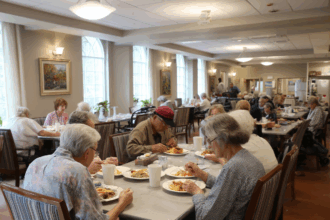
Older adult. Photo by Claudia Love on Unsplash.
SHARE

With the ageing population on the rise, the need to improve the quality and efficiency of healthcare for older adults has never been more pressing. This demographic is incredibly diverse, often dealing with a multitude of diseases. Designing effective intervention strategies for such a varied group is a significant challenge. To address this, researchers utilised unsupervised machine learning techniques to categorise individuals aged 65 and older who had recently entered long-term care. The study, conducted in Tsukuba City, Ibaraki Prefecture, and Sammu City, Chiba Prefecture, focused on the relationship between these classifications (referred to as ‘clinical subtypes’) and their subsequent health outcomes.

Six clinical subtypes were identified in Tsukuba City: i. musculoskeletal and sensory disorders, ii. cardiac disorders, iii. neurological disorders, iv. respiratory disorders and cancers, v. Insulin-dependent diabetes, and vi. other conditions. This classification system was similarly validated when the data from Sammu City were analysed.

Regarding health outcomes, individuals with cardiac diseases, respiratory diseases/cancers, and insulin-dependent diabetes showed a higher risk of mortality compared to those with musculoskeletal and sensory disorders. Additionally, those with cardiac diseases, respiratory diseases/cancers, and other conditions experienced an increase in the severity of care needs.

The implications of this research extend beyond the individuals in need of care to their families and the healthcare staff involved. By developing targeted interventions for each identified clinical subtype, this research could significantly influence healthcare policies and practices, leading to more effective and personalised care for older adults in long-term care.

More information: Yuji Ito et al, Clinical subtypes of older adults starting long-term care in Japan and their association with prognoses: a data-driven cluster analysis, Scientific Reports. DOI: 10.1038/s41598-024-65699-6

Journal information: Scientific Reports Provided by University of Tsukuba

TAGGED:geriatricsmachine learningolder adultsstatistical clustering
Share This Article
Email Copy Link Print
Previous Article Unlocking the Secret to Healthier Potato Crisps
Next Article New Study Finds Over 25% of ‘Healthy’ Individuals Over 60 Suffer from Heart Valve Disease
Leave a Comment

Leave a Reply Cancel reply

Your email address will not be published. Required fields are marked *

Recent Posts

  • Experts fine-tune genetic maps to trace DNA influences on human traits and disease susceptibility
  • Fall Prevention Clinics: A Smart Investment in Older Adult Health
  • USC research shows early Alzheimer’s brain markers vary across diverse populations
  • Researchers find gut health supplement may help relieve arthritis pain
  • Outages Drive Rise in Emergency Hospital Visits Among Elderly Populations

Tags

adolescents adverse effects ageing populations aging populations air pollution alzheimer disease amyloids anxiety artificial intelligence atopic dermatitis behavioral psychology biomarkers blood pressure body mass index brain cancer cancer research cardiology cardiovascular disease cardiovascular disorders caregivers children climate change effects clinical research coffee cognition cognitive development cognitive disorders cognitive function cognitive neuroscience cohort studies COVID-19 dementia depression diabetes diets discovery research disease control disease intervention disease prevention diseases and disorders environmental health epidemiology foods food science gender studies geriatrics gerontology gut microbiota health and medicine health care health care costs health care delivery heart disease heart failure home care human brain human health hypertension inflammation insomnia life expectancy life sciences longitudinal studies memory disorders menopause mental health metabolic disorders metabolism mortality rates neurodegenerative diseases neurological disorders neurology neuroscience nursing homes nutrients nutrition obesity older adults parkinsons disease physical exercise population studies preventive medicine psychiatric disorders psychological science psychological stress public health research impact risk assessment risk factors risk reduction skin sleep sleep apnea sleep disorders social interaction social research socioeconomics type 2 diabetes weight loss
April 2026
S M T W T F S
 1234
567891011
12131415161718
19202122232425
2627282930  
« Mar    

This website is for information purpose only and is in no way intended to replace the advice, professional medical care, diagnosis or treatment of a doctor, therapist, dietician or nutritionist.

About | Contact | Cookie Policy | Digital Millennium Copyright Act Notice | Disclaimer | Privacy Policy | Terms of Service

You Might Also Like

Brain Health

Maintaining a Healthy Lifestyle Could Mitigate Brain Ageing Linked to Diabetes

By support
Ageing Well

Scientists uncover muscle ‘command hub’ – potential breakthrough for improved healing in older adults

By support
Living Well

Profound Decline After Long-Term Care Admission: Outcomes Some Deem ‘Worse Than Death’

By support
Wellness

Guided Physical Therapy Enhances Recovery from Hip Fractures in Elderly Women

By support
Living Well Study
Categories
  • Ageing Well
  • Brain Health
  • Healthy Diets
  • Mental Wellness
  • Physical Wellness
  • Wellness
LivingWellStudy
  • About
  • Contact
  • Cookie Policy
  • Digital Millennium Copyright Act Notice
  • Disclaimer
  • Privacy Policy
  • Terms of Service
Welcome Back!

Sign in to your account

Username or Email Address
Password

Lost your password?