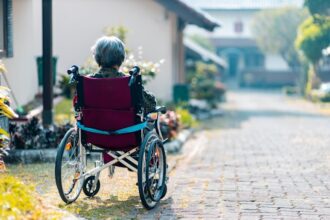


A recent study by Duke-NUS Medical School has highlighted the widespread use of physical restraints among caregivers of older adults with advanced dementia living at home. Nearly half (47%) of surveyed caregivers reported using physical restraints on family members with dementia, revealing significant gaps in support and resources. This practice is concerning as it can negatively impact the physical and psychological health of older adults, potentially leading to depression, stress, incontinence, and cognitive decline.
In Singapore, where the elderly population is rapidly growing, with projections suggesting they will make up nearly a quarter of the population by 2030, dementia prevalence is also expected to rise. Despite physical restraints being prohibited mainly in nursing homes in other countries, their use in home settings for dementia care has not been extensively studied until now.
Assistant Professor Chetna Malhotra from Duke-NUS highlighted the unique challenges in caring for older adults with severe dementia, particularly regarding the use of physical restraints. Common restraints reported in the study included belts, locked chairs, hand mittens, and ankle or wrist ties, primarily used for safety reasons such as fall prevention and managing agitation.
The study, involving 215 family caregivers, underscored that emotional support from friends reduced the likelihood of restraint use, whereas caregivers experiencing higher psychological distress or juggling multiple caregiving roles were more inclined to resort to restraints. These findings underline the need for better support systems and alternative care approaches to ensure compassionate and effective dementia care at home.
Dr Ellie Bostwick Andres, the study’s first author, highlighted the pressures caregivers face. They often view restraints as necessary for safety without fully understanding their detrimental effects on the quality of life for those with dementia. The research urges a shift towards supportive care strategies that address the complex needs of older adults with dementia while minimising the use of restrictive practices.
Professor Patrick Tan, Senior Vice-Dean for Research at Duke-NUS, emphasised the study’s implications for Singapore’s ageing population, advocating for policies that promote more compassionate and responsive dementia care approaches at home. This research raises awareness and calls for systemic changes to improve outcomes for older adults and their caregivers in Singapore and beyond.
More information: Ellie Bostwick Andres et al, Caregiver-reported use of physical restraints among community-dwelling older adults with severe dementia in Singapore, Journal of the American Geriatrics Society. DOI: 10.1111/jgs.18797
Journal information: Journal of the American Geriatrics Society Provided by Duke-NUS Medical School