Thursday, 2 Apr 2026
  • My Feed
  • My Saves
  • History
  • Blog
Living Well Study
  • Blog
  • Ageing Well
  • Brain Health
  • Healthy Diets
  • Physical Wellness
  • Wellness
  • 🔥
  • Wellness
  • older adults
  • Living Well
  • Brain Health
  • public health
  • dementia
  • Ageing Well
  • physical exercise
  • alzheimer disease
  • mental health
Font ResizerAa
Living Well StudyLiving Well Study
  • My Saves
  • My Feed
  • History
Search
  • Pages
    • Home
    • Search Page
  • Personalized
    • Blog
    • My Feed
    • My Saves
    • History
  • Categories
    • Ageing Well
    • Brain Health
    • Healthy Diets
    • Mental Wellness
    • Physical Wellness
    • Wellness
Have an existing account? Sign In
Follow US
© 2022 Foxiz News Network. Ruby Design Company. All Rights Reserved.
Living Well Study > Blog > Ageing Well > Improving Detection of Home Falls Among Older Adults: Researchers Make Breakthrough
Ageing Well

Improving Detection of Home Falls Among Older Adults: Researchers Make Breakthrough

support
Share
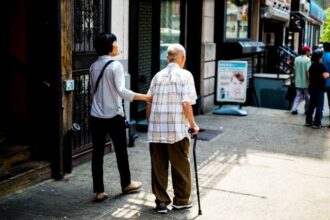
Elderly Man in a Denim Shirt Walking with a Walking Stick. Photo by Mehmet Turgut Kirkgoz : https://www.pexels.com/photo/elderly-man-in-a-denim-shirt-walking-with-a-walking-stick-11688380/
SHARE

Recent research from Binghamton University, State University of New York, focuses on enhancing response times through a human action recognition (HAR) algorithm. This algorithm uses local computing devices to analyse sensor data and detect unusual movements without needing external processing centres. Developed by Professor Yu Chen and PhD student Han Sun from the Thomas J. Watson College of Engineering and Applied Science’s Department of Electrical and Computer Engineering, the Rapid Response Elderly Safety Monitoring (RESAM) system leverages advancements in edge computing.

Published in the IEEE Transactions on Neural Systems and Rehabilitation Engineering, their study demonstrates that RESAM achieves 99% accuracy with a response time of just 1.22 seconds when deployed on standard devices like smartphones, smartwatches, laptops, or desktop computers. This places RESAM among the most precise methods available today for detecting falls among older adults.

Chen emphasises the significance of this research for an often-overlooked demographic: senior citizens who may lack the resources to voice their technological needs. He contrasts typical high-tech innovations with the practical benefits of RESAM, which utilises familiar devices instead of requiring a complete “smart home” setup, empowering older adults without adopting new technology.

To address privacy concerns, RESAM employs a privacy-preserving approach by reducing monitored images to skeletal representations. This technique enables the system to analyse critical body points such as arms, legs, and torso to detect falls or other incidents that could lead to injuries while respecting users’ privacy preferences.

Recognising that bathrooms pose a high risk for falls but are sensitive areas for surveillance, Chen highlights the reluctance towards camera-based monitoring in such private spaces. Instead, he envisions RESAM as a foundational component of a broader initiative termed “Happy Home,” which integrates thermal or infrared cameras and additional sensors to remotely assess various aspects of a person’s environment and well-being.

Looking ahead, Chen and Associate Professor Shiqi Zhang from the Department of Computer Science explore expanding RESAM to include robotic companions, such as a robot dog. This “pet” could accompany individuals through daily routines, offering personalised monitoring and assistance. Zhang’s earlier work demonstrated how a robot dog could guide visually impaired individuals, underscoring the potential for interactive and adaptive monitoring systems in home environments.

Chen envisions these advancements not only as technical innovations but as supportive companions that enhance the safety and independence of older adults. Integrating intelligent sensors and robotic assistants into daily life, the “Happy Home” concept aims to proactively monitor health indicators and predict potential issues before they escalate, promoting a safer and more supportive living environment for older adults.

More information: Han Sun et al, A Rapid Response System for Elderly Safety Monitoring Using Progressive Hierarchical Action Recognition, IEEE Transactions on Neural Systems and Rehabilitation Engineering. DOI: 10.1109/TNSRE.2024.3409197

Journal information: IEEE Transactions on Neural Systems and Rehabilitation Engineering Provided by Binghamton University


TAGGED:applied sciences and engineeringelectrical engineeringolder adultssensorssystems engineering
Share This Article
Email Copy Link Print
Previous Article After a Quarter Century, Researchers Identify Genetic Basis of Rare Neurological Disorder
Next Article Embracing a Healthy Lifestyle Could Mitigate Life-Shortening Gene Effects by Over 60%
Leave a Comment

Leave a Reply Cancel reply

Your email address will not be published. Required fields are marked *

Recent Posts

  • Experts fine-tune genetic maps to trace DNA influences on human traits and disease susceptibility
  • Fall Prevention Clinics: A Smart Investment in Older Adult Health
  • USC research shows early Alzheimer’s brain markers vary across diverse populations
  • Researchers find gut health supplement may help relieve arthritis pain
  • Outages Drive Rise in Emergency Hospital Visits Among Elderly Populations

Tags

adolescents adverse effects ageing populations aging populations air pollution alzheimer disease amyloids anxiety artificial intelligence atopic dermatitis behavioral psychology biomarkers blood pressure body mass index brain cancer cancer research cardiology cardiovascular disease cardiovascular disorders caregivers children climate change effects clinical research coffee cognition cognitive development cognitive disorders cognitive function cognitive neuroscience cohort studies COVID-19 dementia depression diabetes diets discovery research disease control disease intervention disease prevention diseases and disorders environmental health epidemiology foods food science gender studies geriatrics gerontology gut microbiota health and medicine health care health care costs health care delivery heart disease heart failure home care human brain human health hypertension inflammation insomnia life expectancy life sciences longitudinal studies memory disorders menopause mental health metabolic disorders metabolism mortality rates neurodegenerative diseases neurological disorders neurology neuroscience nursing homes nutrients nutrition obesity older adults parkinsons disease physical exercise population studies preventive medicine psychiatric disorders psychological science psychological stress public health research impact risk assessment risk factors risk reduction skin sleep sleep apnea sleep disorders social interaction social research socioeconomics type 2 diabetes weight loss
April 2026
S M T W T F S
 1234
567891011
12131415161718
19202122232425
2627282930  
« Mar    

This website is for information purpose only and is in no way intended to replace the advice, professional medical care, diagnosis or treatment of a doctor, therapist, dietician or nutritionist.

About | Contact | Cookie Policy | Digital Millennium Copyright Act Notice | Disclaimer | Privacy Policy | Terms of Service

You Might Also Like

Ageing Well

The presence of particular lipids signals tissue ageing, which can be mitigated through regular exercise

By support
Ageing Well

Marital Status Significantly Linked to Improved Health and Well-being Among Ageing Men

By support
Living Well

Research highlights limits of lecture-based learning for older adults

By support
Ageing Well

Forecasting Ahead: Simple Tools to Assess Risks of Falling

By support
Living Well Study
Categories
  • Ageing Well
  • Brain Health
  • Healthy Diets
  • Mental Wellness
  • Physical Wellness
  • Wellness
LivingWellStudy
  • About
  • Contact
  • Cookie Policy
  • Digital Millennium Copyright Act Notice
  • Disclaimer
  • Privacy Policy
  • Terms of Service
Welcome Back!

Sign in to your account

Username or Email Address
Password

Lost your password?