
Thursday, 2 Apr 2026
  • My Feed
  • My Saves
  • History
  • Blog
Living Well Study
  • Blog
  • Ageing Well
  • Brain Health
  • Healthy Diets
  • Physical Wellness
  • Wellness
  • 🔥
  • Wellness
  • older adults
  • Living Well
  • Brain Health
  • public health
  • dementia
  • Ageing Well
  • physical exercise
  • alzheimer disease
  • mental health
Font ResizerAa
Living Well StudyLiving Well Study
  • My Saves
  • My Feed
  • History
Search
  • Pages
    • Home
    • Search Page
  • Personalized
    • Blog
    • My Feed
    • My Saves
    • History
  • Categories
    • Ageing Well
    • Brain Health
    • Healthy Diets
    • Mental Wellness
    • Physical Wellness
    • Wellness
Have an existing account? Sign In
Follow US
© 2022 Foxiz News Network. Ruby Design Company. All Rights Reserved.
Living Well Study > Blog > Wellness > Surgical Intervention Enhances Quality of Life in Patients with Acoustic Neuroma: Study Findings
Wellness

Surgical Intervention Enhances Quality of Life in Patients with Acoustic Neuroma: Study Findings

support
Share
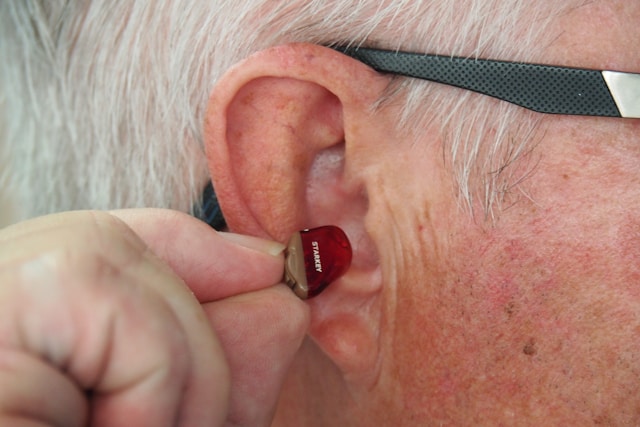
Photo by Mark Paton on Unsplash.
SHARE

Researchers at the University of California, San Diego School of Medicine have discovered that employing an innovative surgical technique to remove acoustic neuromas and slow-growing benign brain tumours enhances hearing preservation and quality of life for patients, alongside excellent facial nerve outcomes.

Published in the May 21, 2024, online edition of Otology & Neurotology, the study highlights significant improvements in patient outcomes following the surgical removal of acoustic neuromas using the middle fossa craniotomy approach. This method involves accessing the area above the inner ear and internal auditory canal, which is crucial for preserving hearing and overall well-being.

Key findings from the research, involving 71 participants, indicate that 68% of patients retained their hearing, with 94% achieving excellent facial nerve function at the one-year post-operative mark. Dr. Rick Friedman, MD, PhD, a professor at UC San Diego School of Medicine and neurotologist at UC San Diego Health, emphasised the transformative impact of preserving hearing, which directly influences patients’ quality of life.

Acoustic neuromas, or vestibular schwannomas, are tumours that develop on the nerve connecting the ear to the brain. Symptoms include tinnitus, hearing loss, dizziness, and balance issues, and if untreated, they can potentially lead to severe complications.

The middle fossa craniotomy approach is specifically tailored for smaller tumours, up to approximately 1.7 centimetres in size, confined to the internal auditory canal. This precise surgical technique involves meticulous tumour dissection while safeguarding surrounding brain structures and the inner ear to preserve hearing.

Julie Sifford, a patient from Las Vegas, highlighted the emotional and physical toll of living with an acoustic neuroma. After experiencing symptoms such as numbness, memory loss, and tinnitus, she sought medical attention and was diagnosed with the tumour in early 2023. Following extensive research and consultation with specialists at UC San Diego Health, she opted for the middle fossa craniotomy, prioritising the preservation of her hearing despite the inherent risks.

Dr. Marc Schwartz, MD, co-director of the acoustic neuroma program at UC San Diego Health, underscored the institution’s status as a Centre of Excellence for treating these tumours. The centre offers advanced surgical techniques and achieves superior patient outcomes. The centre’s multidisciplinary approach ensures comprehensive care, with many patients travelling internationally for treatment.

The study’s outcomes reinforce the importance of tailored treatment approaches and informed decision-making in managing acoustic neuromas. By prioritising patient-centric care and advancing surgical techniques, researchers aim to improve outcomes further and enhance the quality of life for patients globally.

More information: Jiramongkolchai, Pawina et al, Quality of Life for Patients with Sporadic Small Vestibular Schwannomas Following Middle Fossa Craniotomy, Otology & Neurotology. DOI: 10.1097/MAO.0000000000004202

Journal information: Otology & Neurotology Provided by University of California San Diego

TAGGED:auditory perceptionbrain tumorshearing lossinner earnerve growthneurosurgeryotolaryngologysurgical procedurestumor growth
Share This Article
Email Copy Link Print
Previous Article Projected Population Shifts and Risk Factors Expected to Triple U.S. Cardiovascular Disease Costs by 2050
Next Article Researchers Recommend Refrigerating Lettuce to Minimize E. coli Contamination Risk
Leave a Comment

Leave a Reply Cancel reply

Your email address will not be published. Required fields are marked *

Recent Posts

  • Experts fine-tune genetic maps to trace DNA influences on human traits and disease susceptibility
  • Fall Prevention Clinics: A Smart Investment in Older Adult Health
  • USC research shows early Alzheimer’s brain markers vary across diverse populations
  • Researchers find gut health supplement may help relieve arthritis pain
  • Outages Drive Rise in Emergency Hospital Visits Among Elderly Populations

Tags

adolescents adverse effects ageing populations aging populations air pollution alzheimer disease amyloids anxiety artificial intelligence atopic dermatitis behavioral psychology biomarkers blood pressure body mass index brain cancer cancer research cardiology cardiovascular disease cardiovascular disorders caregivers children climate change effects clinical research coffee cognition cognitive development cognitive disorders cognitive function cognitive neuroscience cohort studies COVID-19 dementia depression diabetes diets discovery research disease control disease intervention disease prevention diseases and disorders environmental health epidemiology foods food science gender studies geriatrics gerontology gut microbiota health and medicine health care health care costs health care delivery heart disease heart failure home care human brain human health hypertension inflammation insomnia life expectancy life sciences longitudinal studies memory disorders menopause mental health metabolic disorders metabolism mortality rates neurodegenerative diseases neurological disorders neurology neuroscience nursing homes nutrients nutrition obesity older adults parkinsons disease physical exercise population studies preventive medicine psychiatric disorders psychological science psychological stress public health research impact risk assessment risk factors risk reduction skin sleep sleep apnea sleep disorders social interaction social research socioeconomics type 2 diabetes weight loss
April 2026
S M T W T F S
 1234
567891011
12131415161718
19202122232425
2627282930  
« Mar    

This website is for information purpose only and is in no way intended to replace the advice, professional medical care, diagnosis or treatment of a doctor, therapist, dietician or nutritionist.

About | Contact | Cookie Policy | Digital Millennium Copyright Act Notice | Disclaimer | Privacy Policy | Terms of Service

You Might Also Like

Wellness

Excessive Intake of Ultra-Processed Foods Associated with Hastened Biological Ageing

By support
Wellness

Assessing Unhealthy Alcohol Consumption Before It’s Too Late

By support
Wellness

Keep moving, live longer: Light activity associated with improved survival in diabetes, heart and kidney disease

By support
Wellness

Consistent sleep patterns linked to better recovery outcomes in heart failure, researchers report

By support
Living Well Study
Categories
  • Ageing Well
  • Brain Health
  • Healthy Diets
  • Mental Wellness
  • Physical Wellness
  • Wellness
LivingWellStudy
  • About
  • Contact
  • Cookie Policy
  • Digital Millennium Copyright Act Notice
  • Disclaimer
  • Privacy Policy
  • Terms of Service
Welcome Back!

Sign in to your account

Username or Email Address
Password

Lost your password?