Thursday, 2 Apr 2026
  • My Feed
  • My Saves
  • History
  • Blog
Living Well Study
  • Blog
  • Ageing Well
  • Brain Health
  • Healthy Diets
  • Physical Wellness
  • Wellness
  • 🔥
  • Wellness
  • older adults
  • Living Well
  • Brain Health
  • public health
  • dementia
  • Ageing Well
  • physical exercise
  • alzheimer disease
  • mental health
Font ResizerAa
Living Well StudyLiving Well Study
  • My Saves
  • My Feed
  • History
Search
  • Pages
    • Home
    • Search Page
  • Personalized
    • Blog
    • My Feed
    • My Saves
    • History
  • Categories
    • Ageing Well
    • Brain Health
    • Healthy Diets
    • Mental Wellness
    • Physical Wellness
    • Wellness
Have an existing account? Sign In
Follow US
© 2022 Foxiz News Network. Ruby Design Company. All Rights Reserved.
Living Well Study > Blog > Technology > Virtual Reality May Aid Stroke Survivors in Restoring Mobility
Technology

Virtual Reality May Aid Stroke Survivors in Restoring Mobility

support
Share
Photo by Mikhail Nilov: https://www.pexels.com/photo/healthy-man-couple-love-6973087/
SHARE

A newly updated Cochrane review has concluded that virtual reality (VR) used in conjunction with conventional stroke rehabilitation may support patients in regaining arm movement. The findings suggest that VR can be a valuable adjunct to standard therapy by enhancing the amount of therapeutic activity undertaken. Since greater therapy intensity is associated with better recovery outcomes, VR may offer an accessible and engaging means of supplementing usual care, particularly in settings where clinician time is limited.

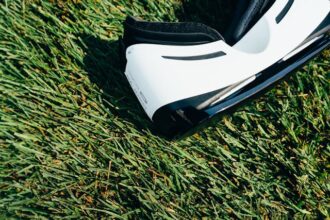
This latest review, published today, is the fourth update of a Cochrane analysis released initially in 2011. It now includes results from 190 trials involving 7,188 participants, with 119 new studies added since the last update in 2017. The authors examined a wide array of VR interventions, ranging from basic screen-based games using commercial consoles to fully immersive, head-mounted systems explicitly developed for rehabilitation purposes. The breadth of technologies assessed reflects the increasing interest in digital solutions for neurological recovery.

The international review team, comprising researchers from Australia, Canada, and the United States, found that VR may result in modest improvements in upper limb function and related activities when compared to conventional therapy alone. However, the most notable gains were observed when VR was used in addition to standard care, effectively increasing overall therapy time. These improvements in arm function suggest that VR may serve as a valuable tool to enhance traditional rehabilitation without significantly increasing costs or placing extra demands on clinical staff.

Lead author Professor Kate Laver of Flinders University emphasised the importance of therapy duration in stroke recovery, stating that “spending more time in therapy is known to improve outcomes after stroke.” She explained that virtual reality offers a relatively low-cost, motivating platform through which patients can engage in additional practice, often independently. This added autonomy could be particularly valuable for patients undergoing long-term rehabilitation or those with limited access to one-on-one therapy sessions.

Beyond arm function, the review also found that VR may contribute to improvements in balance and reductions in activity limitations, although the evidence for these outcomes was less robust. Effects on mobility, participation in everyday activities, and quality of life were uncertain due to limited or low-certainty data. Furthermore, many of the included studies were small and used off-the-shelf gaming technologies. Few trials assessed immersive VR systems, and their impact remains largely unexplored. Most VR applications studied focused narrowly on motor function rather than broader, real-life functional skills such as dressing, shopping, or meal preparation.

Professor Laver noted the untapped potential of VR to simulate complex, real-world environments—such as navigating busy streets or shopping in supermarkets—which would allow patients to practise activities that might be unsafe to attempt in reality. Yet, the research to date has primarily relied on basic or generic gaming platforms. The review concludes by calling for more ambitious and rigorously designed trials that focus on immersive and function-specific VR interventions. These future studies could help determine how best to integrate virtual reality into stroke rehabilitation, ensuring it not only supports motor recovery but also enhances overall independence and quality of life for survivors.

More information: Kate Laver et al, Virtual reality for stroke rehabilitation, Cochrane Database of Systematic Reviews. DOI: 10.1002/14651858.CD008349.pub5

Journal information: Cochrane Database of Systematic Reviews Provided by Cochrane

TAGGED:computer simulationhealth carerehabilitation centersvirtual reality
Share This Article
Email Copy Link Print
Previous Article Association Between Excessive Daytime Sleepiness and Mortality Among Middle-Aged Women
Next Article Associations Between Gut Microbiota, Food Insecurity, and Cognitive Decline Risk in Adults
Leave a Comment

Leave a Reply Cancel reply

Your email address will not be published. Required fields are marked *

Recent Posts

  • Experts fine-tune genetic maps to trace DNA influences on human traits and disease susceptibility
  • Fall Prevention Clinics: A Smart Investment in Older Adult Health
  • USC research shows early Alzheimer’s brain markers vary across diverse populations
  • Researchers find gut health supplement may help relieve arthritis pain
  • Outages Drive Rise in Emergency Hospital Visits Among Elderly Populations

Tags

adolescents adverse effects ageing populations aging populations air pollution alzheimer disease amyloids anxiety artificial intelligence atopic dermatitis behavioral psychology biomarkers blood pressure body mass index brain cancer cancer research cardiology cardiovascular disease cardiovascular disorders caregivers children climate change effects clinical research coffee cognition cognitive development cognitive disorders cognitive function cognitive neuroscience cohort studies COVID-19 dementia depression diabetes diets discovery research disease control disease intervention disease prevention diseases and disorders environmental health epidemiology foods food science gender studies geriatrics gerontology gut microbiota health and medicine health care health care costs health care delivery heart disease heart failure home care human brain human health hypertension inflammation insomnia life expectancy life sciences longitudinal studies memory disorders menopause mental health metabolic disorders metabolism mortality rates neurodegenerative diseases neurological disorders neurology neuroscience nursing homes nutrients nutrition obesity older adults parkinsons disease physical exercise population studies preventive medicine psychiatric disorders psychological science psychological stress public health research impact risk assessment risk factors risk reduction skin sleep sleep apnea sleep disorders social interaction social research socioeconomics type 2 diabetes weight loss
April 2026
S M T W T F S
 1234
567891011
12131415161718
19202122232425
2627282930  
« Mar    

This website is for information purpose only and is in no way intended to replace the advice, professional medical care, diagnosis or treatment of a doctor, therapist, dietician or nutritionist.

About | Contact | Cookie Policy | Digital Millennium Copyright Act Notice | Disclaimer | Privacy Policy | Terms of Service

You Might Also Like

Technology

A Mobile App for Early Detection of Heart Attacks and Strokes: A Life-Saving Innovation

By support
Wellness

Medicare is covering message-based e-visits. Are older adults utilising this service?

By support
Technology

Nature-themed virtual reality enhances emotional health in older adults with dementia

By support
Technology

Scientists develop ‘metabolic clock’ to spot early indicators of disease and accelerated ageing

By support
Living Well Study
Categories
  • Ageing Well
  • Brain Health
  • Healthy Diets
  • Mental Wellness
  • Physical Wellness
  • Wellness
LivingWellStudy
  • About
  • Contact
  • Cookie Policy
  • Digital Millennium Copyright Act Notice
  • Disclaimer
  • Privacy Policy
  • Terms of Service
Welcome Back!

Sign in to your account

Username or Email Address
Password

Lost your password?