
Thursday, 2 Apr 2026
  • My Feed
  • My Saves
  • History
  • Blog
Living Well Study
  • Blog
  • Ageing Well
  • Brain Health
  • Healthy Diets
  • Physical Wellness
  • Wellness
  • 🔥
  • Wellness
  • older adults
  • Living Well
  • Brain Health
  • public health
  • dementia
  • Ageing Well
  • physical exercise
  • alzheimer disease
  • mental health
Font ResizerAa
Living Well StudyLiving Well Study
  • My Saves
  • My Feed
  • History
Search
  • Pages
    • Home
    • Search Page
  • Personalized
    • Blog
    • My Feed
    • My Saves
    • History
  • Categories
    • Ageing Well
    • Brain Health
    • Healthy Diets
    • Mental Wellness
    • Physical Wellness
    • Wellness
Have an existing account? Sign In
Follow US
© 2022 Foxiz News Network. Ruby Design Company. All Rights Reserved.
Living Well Study > Blog > Public Health > Women Can Experience Heart Attacks Even With Less Plaque Than Men
Public Health

Women Can Experience Heart Attacks Even With Less Plaque Than Men

support
Share
heart attack
SHARE

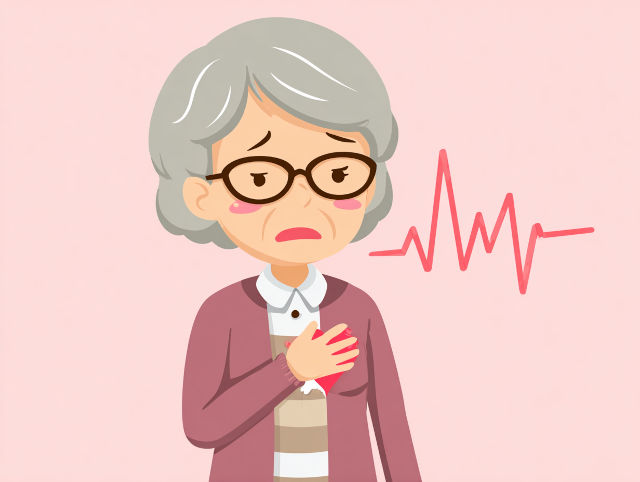
Women may have less artery-clogging plaque than men, yet this does not necessarily shield them from heart disease, according to new research published in Circulation: Cardiovascular Imaging, a journal of the American Heart Association. The findings challenge a long-held assumption that lower plaque levels automatically translate into lower cardiovascular risk. Instead, the study suggests that women can face comparable dangers even when the buildup within their arteries appears less severe.

Heart disease remains the leading cause of illness and death both in the United States and globally. Data from the American Heart Association’s 2026 Heart Disease and Stroke Statistics highlight the scale of the issue, affecting millions of people each year. Previous research has consistently shown that women tend to have a lower prevalence of arterial plaque than men, which has often been interpreted as a protective factor. However, the new study indicates that this difference may not provide the level of protection once believed.

To better understand how plaque levels relate to heart risk, researchers analysed health data from more than 4,200 adults, with women making up over half of the participants. All individuals had stable chest pain but no prior diagnosis of coronary artery disease. Participants were randomly assigned to undergo coronary computed tomography angiography, an imaging technique that uses X-rays to examine the heart and blood vessels. They were then monitored for approximately two years to track outcomes such as heart attacks, hospitalisations, or death.

The study revealed clear differences in plaque presence between men and women. About 55% of women had plaque in their coronary arteries compared to 75% of men. In addition, women had significantly lower volumes of plaque overall, with a median measurement of 78 mm³ versus 156 mm³ in men. Despite these differences, the likelihood of serious outcomes remained similar. Rates of death, non-fatal heart attack, or hospital admission for chest pain were 2.3% in women and 3.4% in men, indicating that lower plaque levels did not correspond to markedly lower risk.

Researchers also found that women began to face increased cardiovascular risk at lower plaque thresholds than men. For total plaque burden, women’s risk started to rise at around 20%, whereas men’s risk increased at approximately 28%. As plaque levels grew, the associated risk escalated more sharply in women. One possible explanation is that women typically have smaller coronary arteries, meaning even modest plaque accumulation can have a greater impact on blood flow and overall heart health.

Experts say the findings highlight important biological differences in how cardiovascular disease develops and affects men and women. These differences can influence everything from risk factors and symptoms to treatment outcomes. The study underscores the need for more tailored approaches to assessing and managing heart disease in women, as traditional definitions of “high risk” may underestimate their vulnerability. With cardiovascular disease accounting for 433,254 deaths among females of all ages—nearly half of all cardiovascular-related deaths—the research adds to growing evidence that improved awareness and targeted care are essential for reducing its impact.

More information: Jan Brendel et al, Risk in Women Emerges at Lower Coronary Plaque Burden Than in Men: PROMISE Trial, Circulation Cardiovascular Imaging. DOI: 10.1161/CIRCIMAGING.125.019011

Journal information: Circulation Cardiovascular Imaging Provided by American Heart Association

TAGGED:cardiovascular disorderscoronary artery diseaseheart disease
Share This Article
Email Copy Link Print
Previous Article Clinical pilot study shows potential of low-dose lithium in slowing verbal memory loss
Next Article Science Reveals Why Full Doesn’t Mean Finished When It Comes to Food
Leave a Comment

Leave a Reply Cancel reply

Your email address will not be published. Required fields are marked *

Recent Posts

  • Experts fine-tune genetic maps to trace DNA influences on human traits and disease susceptibility
  • Fall Prevention Clinics: A Smart Investment in Older Adult Health
  • USC research shows early Alzheimer’s brain markers vary across diverse populations
  • Researchers find gut health supplement may help relieve arthritis pain
  • Outages Drive Rise in Emergency Hospital Visits Among Elderly Populations

Tags

adolescents adverse effects ageing populations aging populations air pollution alzheimer disease amyloids anxiety artificial intelligence atopic dermatitis behavioral psychology biomarkers blood pressure body mass index brain cancer cancer research cardiology cardiovascular disease cardiovascular disorders caregivers children climate change effects clinical research coffee cognition cognitive development cognitive disorders cognitive function cognitive neuroscience cohort studies COVID-19 dementia depression diabetes diets discovery research disease control disease intervention disease prevention diseases and disorders environmental health epidemiology foods food science gender studies geriatrics gerontology gut microbiota health and medicine health care health care costs health care delivery heart disease heart failure home care human brain human health hypertension inflammation insomnia life expectancy life sciences longitudinal studies memory disorders menopause mental health metabolic disorders metabolism mortality rates neurodegenerative diseases neurological disorders neurology neuroscience nursing homes nutrients nutrition obesity older adults parkinsons disease physical exercise population studies preventive medicine psychiatric disorders psychological science psychological stress public health research impact risk assessment risk factors risk reduction skin sleep sleep apnea sleep disorders social interaction social research socioeconomics type 2 diabetes weight loss
April 2026
S M T W T F S
 1234
567891011
12131415161718
19202122232425
2627282930  
« Mar    

This website is for information purpose only and is in no way intended to replace the advice, professional medical care, diagnosis or treatment of a doctor, therapist, dietician or nutritionist.

About | Contact | Cookie Policy | Digital Millennium Copyright Act Notice | Disclaimer | Privacy Policy | Terms of Service

You Might Also Like

Public Health

Living with food and financial insecurity may age the heart faster than recognised clinical risk factors

By support
Wellness

Cleveland Clinic Research Associates Sugar Substitute with Higher Heart Attack and Stroke Risk

By support
Healthy Diets

Cleveland Clinic study finds connection between elevated niacin levels and heart disease

By support
Public Health

Research Isolates Population Ageing as the Dominant Influence on Musculoskeletal Health Trends

By support
Living Well Study
Categories
  • Ageing Well
  • Brain Health
  • Healthy Diets
  • Mental Wellness
  • Physical Wellness
  • Wellness
LivingWellStudy
  • About
  • Contact
  • Cookie Policy
  • Digital Millennium Copyright Act Notice
  • Disclaimer
  • Privacy Policy
  • Terms of Service
Welcome Back!

Sign in to your account

Username or Email Address
Password

Lost your password?