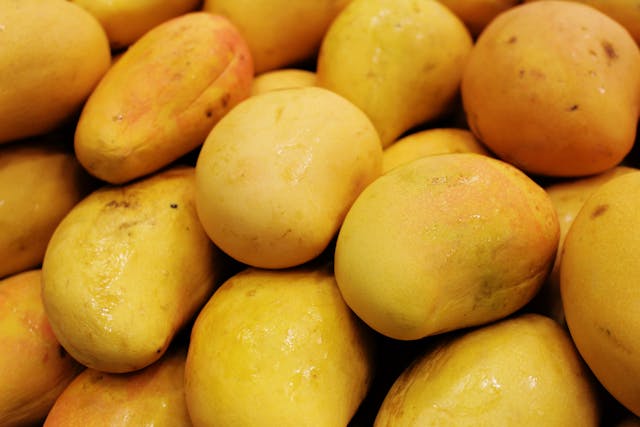
Women in the stages of conception, pregnancy, or lactation often possess distinctive nutritional requirements that are frequently unaddressed by their current dietary choices. A recent study, unveiled in Nutrients, reveals a significant discovery: the inclusion of mangoes in the diets of women of childbearing age (WCA) leads to notable enhancements in both overall dietary quality and the intake of essential nutrients crucial for a healthy pregnancy. These vital nutrients, typically under-consumed by 10 – 30% in the diets of pregnant women, experience a significant upsurge when mangoes are integrated into their diets. This knowledge empowers women to make informed dietary choices that can potentially benefit their health and the health of their unborn children.
“Pregnant women are susceptible to various health conditions, such as gestational diabetes and hypertension, which endanger both their own health and that of the unborn baby,” explains study co-author Kristin Fulgoni. “Diet plays a pivotal role in preventive strategies, and mangoes are a nutritious fruit that provides many of the nutrients associated with reducing the risk of pregnancy-related ailments—including fibre, folate, magnesium, potassium, and vitamin E.”
The study drew upon data from 16,744 women aged 15-44 who participated in the National Health and Nutrition Examination Survey (NHANES) spanning from 1988-1994 to 1999-2018. Utilising the Healthy Eating Index (HEI), a validated metric of dietary quality, the investigation assessed how closely participants adhered to recommendations from the 2020 Dietary Guidelines for Americans (DGA).
In comparison to diets devoid of mangoes, HEI scores were 16% higher among WCA who incorporated mangoes into their dietary regimen. This heightened dietary quality, a reassuring indicator of improved health, can be partly attributed to disparities in nutrient intake between the groups. When WCA included mangoes in their diets, they exhibited significantly elevated consumption of beneficial nutrients and reduced intake of undesirable ones.
The study also encompassed an additional cohort of older Americans aged 60 years and above—another demographic necessitating special nutritional attention. Contrasts between mango consumers and non-consumers revealed a 13% higher HEI score among mango eaters, along with increased intakes of fibre and vitamin C and decreased intakes of cholesterol, niacin, phosphorus, protein, riboflavin, saturated fat, and vitamin B12. Researchers inferred that older mango consumers exhibited a higher proportion of individuals identifying as vegetarian or vegan. This could elucidate the lower nutrient intakes, as many of these nutrients are typically more abundant in animal products.
“These findings contribute to an expanding body of research demonstrating the positive effects of incorporating mangoes into diverse diets,” notes Leonardo Ortega, PhD, Research Director at the National Mango Board. “As a culturally significant food intertwined with the heritage of more than a quarter of Americans, mangoes can serve as a crucial conduit to enhance nutritional equity and the quality of diet and nutrition across our multicultural nation.”
Food and nutrient intakes were ascertained based on two 24-hour dietary recalls utilising dietary components from NHANES and What We Eat in America surveys. The initial recall was conducted in person, with most participants completing the second recall via telephone. Mango consumers were defined as individuals reporting any quantity of raw mango consumption in either the first or second recall. Nutrient intakes were derived from both interviews and habitual intake was determined using the National Cancer Institute method. Dietary quality was evaluated using HEI-2020, which assigns a maximum score of 100 based on 13 subcomponents, each reflecting a food or nutrient group spotlighted in the 2020 DGA.
Study strengths encompassed utilising multiple NHANES cycles, resulting in a larger sample size of mango consumers. Nonetheless, limitations persisted, including the observational nature of NHANES analysis, which precludes assessments of causal relationships, reliance on dietary recalls, and the relatively modest percentage of the U.S. population that incorporates mangoes into their diets.
More information: Kristin Fulgoni et al, Mango Consumption Was Associated with Higher Nutrient Intake and Diet Quality in Women of Childbearing Age and Older Adults, Nutrients. DOI: 10.3390/nu16020303
Journal information: Nutrients Provided by Wild Hive