Daily Archives: 27 June 2024

Early-Onset Diabetes Linked to Higher Risk of Neurodegenerative Conditions in Later Life

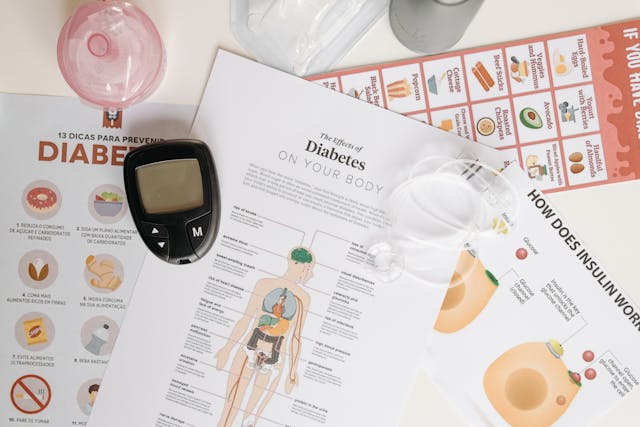
A recent investigation by researchers at the Lifecourse Epidemiology of Adiposity and Diabetes (LEAD) Center at the University of Colorado Anschutz Medical Campus reveals troubling findings regarding young people diagnosed with diabetes. Published in the journal Endocrines, the study highlights that individuals diagnosed with diabetes during childhood or adolescence, whether type 1 or type 2, may face a substantially increased risk of developing Alzheimer’s disease (AD) later in life.

Lead author Allison Shapiro, PhD, MPH, assistant professor of paediatrics and endocrinology at the University of Colorado School of Medicine, underscores the study’s findings. She notes that early indicators of neurodegeneration and AD pathology were detected through specific blood biomarkers in young adults with youth-onset diabetes. These preliminary results suggest a potential trajectory towards early-onset AD among individuals diagnosed with diabetes in their youth.

Traditionally, research linking AD and diabetes has concentrated on older adults aged 40 and above, where diabetes is known to correlate with a heightened risk of dementia and possibly AD. However, this study represents a departure by examining this association within a much younger demographic.

The study involved approximately 80 participants, including individuals with type 1 diabetes, type 2 diabetes, and those without diabetes. Participants with youth-onset diabetes were drawn from the SEARCH for Diabetes in Youth Study, a national registry and cohort study. Researchers utilised blood biomarkers and PET scans to investigate signs of neurodegenerative disease in these young adults.

Significantly, the study detected elevated levels of amyloid proteins, characteristic of AD, in the brains of young people with youth-onset diabetes. This finding underscores the potential for early brain changes associated with AD in individuals affected by diabetes from a young age.

The findings are particularly concerning in light of the rising prevalence of obesity and subsequent diabetes among young people in the United States. Shapiro emphasises that around 20% of young Americans are now obese, contributing to increased rates of diabetes and associated inflammation, which are implicated in a range of diseases, including AD.

Shapiro warns that the healthcare landscape may soon confront a surge in ageing-related diseases among younger demographics due to these trends. Despite AD traditionally being viewed as a disease of later life, Shapiro stresses that early life factors, including diabetes, may exert a significant influence on AD development.

Looking ahead, Shapiro and her colleagues at the LEAD Center and the University of Colorado Alzheimer’s and Cognition Center advocate for continued research funding to monitor these individuals as they age. Shapiro argues that longitudinal studies are crucial to deepening understanding of the risks and underlying mechanisms involved, offering insights for clinicians managing patients with youth-onset diabetes.

She also advocates incorporating cognitive testing into clinical care protocols for young people with diabetes, paralleling the approach already established for older adults. This proactive approach, Shapiro suggests, could enhance early detection and intervention strategies, potentially mitigating the cognitive impacts associated with youth-onset diabetes.

The study underscores the urgent need for heightened awareness and proactive healthcare strategies to address the potential long-term neurological implications of youth-onset diabetes, particularly AD.

More information: Allison L. B. Shapiro et al, Biomarkers of Neurodegeneration and Alzheimer’s Disease Neuropathology in Adolescents and Young Adults with Youth-Onset Type 1 or Type 2 Diabetes: A Proof-of-Concept Study, Endocrines. DOI: 10.3390/endocrines5020014

Journal information: Endocrines Provided by University of Colorado Anschutz Medical Campus

Lack of Improvement by Donepezil in Chemotherapy-Related Cognitive Impairment

Many breast cancer survivors experience cancer-related cognitive impairment following chemotherapy, with varying rates and severity. To explore potential treatments for this condition, researchers from Wake Forest University School of Medicine conducted a Phase III randomized, placebo-controlled trial focusing on donepezil, a medication commonly used to enhance cognition in Alzheimer’s patients.

The study, published in the Journal of Clinical Oncology, enrolled 276 breast cancer survivors from community oncology practices affiliated with the National Cancer Institute Community Oncology Research Program (NCORP). These participants had undergone at least four cycles of adjuvant chemotherapy and reported cognitive impairment and memory issues persisting from one to five years after completing chemotherapy. Recruitment took place between July 2017 and July 2021.

Participants were randomly assigned to receive either 5-10 mg of donepezil daily for 24 weeks or a placebo. Cognitive assessments were conducted before treatment initiation, at 12 weeks, and the end of the treatment period.

Lead author Stephen R. Rapp, Ph. D., a professor of psychiatry and behavioural medicine at Wake Forest University School of Medicine, revealed that the study did not find significant improvements in memory, other cognitive functions, or subjective functioning among those who received donepezil compared to those who received the placebo.

“While our findings do not support the use of donepezil for improving cancer-related cognitive impairment in breast cancer survivors post-chemotherapy, further research is essential,” commented Glenn Lesser, M.D., deputy director of the Atrium Health Wake Forest Baptist Comprehensive Cancer Center and senior author of the study. He emphasized the need for additional trials exploring different timing of medication administration, alternative medications or combinations thereof, and non-pharmacological interventions.

The Wake Forest NCORP Research Base at Atrium Health Wake Forest Baptist’s National Cancer Institute-designated Comprehensive Cancer Center played a pivotal role in this national effort. It is one of seven funded NCORP Research Program bases in the United States. This collaborative approach underscores the importance of community-based research in addressing the challenges faced by cancer survivors.

While donepezil did not demonstrate efficacy in improving cognitive function in breast cancer survivors with chemotherapy-related cognitive impairment in this trial, ongoing research efforts hold promise for identifying effective interventions to alleviate this challenging condition.

More information: Stephen R. Rapp et al, Phase III Randomized, Placebo-Controlled Clinical Trial of Donepezil for Treatment of Cognitive Impairment in Breast Cancer Survivors After Adjuvant Chemotherapy (WF-97116), Journal of Clinical Oncology. DOI: 10.1200/JCO.23.01100

Journal information: Journal of Clinical Oncology Provided by Atrium Health Wake Forest Baptist

Fans Alone Won’t Defeat the Heat!

As climate change intensifies the frequency and severity of heat waves, the search for safe and accessible cooling methods, especially for vulnerable populations like older adults, becomes increasingly urgent. While fans are often recommended as cost-effective and simple solutions, this study suggests their cooling benefits might be overestimated.

The research, led by post-doctoral fellow Robert Meade at the Human and Environmental Physiology Research Unit under the direction of Dr. Glen Kenny, a professor of physiology at the Faculty of Health Sciences, provides critical insights. Meade explains, “Fans do improve sweat evaporation, but this effect is not strong enough to significantly lower the body’s internal temperature in very hot conditions (above 33-35°C). In older adults, who may have a diminished ability to sweat, fans offer even less cooling benefit. In fact, even for younger adults, fans deliver only a small fraction of the cooling power that air conditioning provides.”

The study underscores the critical role of health organisations in advising against fan reliance during extreme heat, particularly for older adults and those at higher risk of heat stroke and other heat-related health issues. Instead, the focus should be increasing access to alternative cooling solutions, such as air conditioning, and exploring ways to make these options more accessible and environmentally sustainable.

Using “human heat balance” modelling techniques developed in 2015, the research team extended these models to estimate core temperature under various conditions. This approach allowed them to compare the expected effects of fan use across a wide range of scenarios. Meade notes, “Results from the 116,640 alternative models we produced in sensitivity analyses indicated that fans likely do not significantly reduce core temperature in high heat or match the cooling effectiveness of air conditioning. Comparisons with more advanced modelling techniques and laboratory heat wave simulations supported this conclusion.”

While fans can provide air circulation and may be effective in moderate temperatures, they are insufficient in extreme heat. Public health authorities have an essential role in this context. Meade emphasises, “Maintaining a cool indoor temperature is vital for vulnerable individuals, but strategies like air conditioning can be costly and environmentally damaging. It is crucial to improve the accessibility and sustainability of air conditioning and other forms of ambient cooling to protect those in need. Fans can still play a role in cooling at lower temperatures, reducing the need to set air conditioners to very low temperatures. However, in extreme heat, a fan alone is insufficient.”

This study underscores the need for more robust cooling strategies and highlights the limitations of fans in combating extreme heat, urging a shift towards more effective and sustainable solutions.

More information: Robert D Meade et al, A critical review of the effectiveness of electric fans as a personal cooling intervention in hot weather and heatwaves, The Lancet Planetary Health. DOI: 10.1016/S2542-5196(24)00030-5

Journal information: The Lancet Planetary Health Provided by University of Ottawa

Link Between Thiamine Intake and Mental Sharpness: Understanding the J-shaped Curve

Recent research published in the open-access journal General Psychiatry indicates a notable relationship between dietary thiamine (vitamin B1) and cognitive function among cognitively healthy older adults. Based on data from the China Health and Nutrition Survey involving 3,106 participants aged 55 and above, the study reveals a distinctive J-shaped curve in thiamine intake and its impact on mental acuity.

The study’s key findings underscore a critical threshold of 0.68 mg of thiamine per day. Below this level, there is minimal impact on cognitive function, while exceeding it is significantly associated with cognitive decline. The optimal range for maintaining cognitive function was found to be between 0.6 and less than 1 mg of thiamine per day.

Thiamine, an essential water-soluble vitamin crucial for energy metabolism and brain neurotransmitter activity, is commonly found in whole grains, fortified cereals, legumes, liver, and salmon. The study utilised detailed dietary data collected over several survey rounds, supplemented by 24-hour dietary recalls, to analyse nutrient intake using Chinese food composition tables.

Participants underwent cognitive assessments over six years, including tests for verbal memory, attention, and numerical fluency. The results demonstrated that higher thiamine intake above the optimal range was associated with a notable decline in cognitive scores over five years. Specifically, a 1 mg/day increase in thiamine intake correlated with a significant decrease in global cognitive and composite scores.

Interestingly, subgroup analyses revealed that these associations were more pronounced among individuals who were obese or had high blood pressure. However, further analysis indicated that smoking and high blood pressure did not significantly modify the observed effects.

The study divided thiamine intake into several levels to explore the broader implications. The lowest risk for cognitive decline was associated with an intake range of 0.6 to less than 1 mg/day. These patterns persisted even after adjusting for the intake of other B vitamins and dietary factors.

Despite these compelling findings, the study authors caution that their research is observational, meaning it cannot establish causation. They also acknowledge limitations, such as the reliance on 24-hour dietary recalls, which may not capture long-term dietary habits accurately. Additionally, the study focused exclusively on older adults in China, potentially limiting its generalisability to other populations.

The researchers propose that thiamine deficiency could disrupt neuronal energy supply and acetylcholine signalling in the brain, contributing to cognitive impairment. They stress the importance of further research to validate these findings and emphasise the significance of maintaining optimal thiamine intake to support mental health in older populations. This call for further research is particularly important given the study’s limitations and the potential for future work in this area.

While the study provides valuable insights into the relationship between thiamine intake and cognitive function, it also underscores the need for more research. This research is crucial to establish definitive dietary guidelines that can help mitigate cognitive decline in ageing populations worldwide, a significant concern for healthcare professionals and researchers.

More information: Chengzhang Liu et al, J-shaped association between dietary thiamine intake and the risk of cognitive decline in cognitively healthy, older Chinese individuals, General Psychiatry. DOI: 10.1136/gpsych-2023-101311

Journal information: General Psychiatry Provided by BMJ Group