
Daily Archives: 3 June 2024

Engaging in physical activity amidst natural surroundings contributes significantly to disease prevention, encompassing ailments such as depression and type 2 diabetes

The research conducted by the esteemed University of Exeter has brought to light a significant discovery-the profound impact of physical activity in natural environments on disease prevention. This practice has the potential to avert nearly 13,000 cases of non-communicable diseases annually in England, thereby slashing treatment costs by over £100 million. These findings are particularly significant given the World Health Organization’s (WHO) assertion that the majority of global mortality stems from non-communicable diseases, encompassing heart disease, stroke, cancer, diabetes, and chronic lung disease. Characterised by their non-transmissible nature, these chronic diseases are on the rise worldwide.

The detrimental consequences of physical inactivity are evident across a spectrum of non-communicable diseases, spanning cardiovascular ailments, type-2 diabetes, cancers, and mental health disorders. According to the WHO’s Global Status Report on Physical Activity 2022, should current physical activity levels persist, an estimated 500 million new cases of such diseases will emerge globally between 2020 and 2030. However, by investing in nature-based physical activity, we have the potential to significantly reduce these numbers, thereby incurring annual treatment costs that are much lower than the projected £21 billion.

Natural settings serve as conducive spaces for recreational physical activity, with the research spotlighting areas like beaches, coastlines, countryside, and urban green spaces such as parks. Drawing on data including a comprehensive cross-sectional survey of the English populace, researchers at the University of Exeter gauged the preventive impact of nature-based recreational physical activity on six prevalent non-communicable diseases: major depressive disorder, type 2 diabetes, ischaemic heart disease, ischaemic stroke, colon cancer, and breast cancer.

Dr James Grellier from the University of Exeter Medical School discusses the findings published in Environment International. He underscores the significance of their assessment, noting its national scope and the likelihood of underestimating nature-based physical activity’s actual disease-preventive value. While focusing on common non-communicable diseases, he highlights the potential preventive benefits for less prevalent conditions. He underscores the prolonged impact of chronic diseases, amplifying the overall value of physical activity in disease prevention.

Addressing the imperative to elevate population levels of physical activity, public health institutions globally prioritise this as a strategic goal. To sustain good health, the WHO prescribes a weekly regimen of 150 to 300 minutes of moderate-intensity aerobic physical activity for adults aged 18 to 64 or 75 to 150 minutes of vigorous-intensity aerobic activity. However, data indicates that 27.5 per cent of adults globally need to meet these recommendations.

In 2019, approximately 22 million adults in England frequented natural environments every week. Leveraging reported rates of nature-based physical activity, Exeter researchers estimate that this engagement thwarted 12,763 cases of non-communicable diseases, yielding substantial annual healthcare savings. Researchers computed the incident cases of prevented diseases and the associated healthcare savings by utilising data from the Monitor of Engagement with the Natural Environment survey to gauge the volume of nature-based recreational physical activity among English adults.

Dr James Grellier emphasises the accessibility and informality of nature-based physical activity, particularly for individuals who may not have access to or feel inclined towards organised sports or fitness pursuits. This underscores the fact that everyone, regardless of their circumstances, can engage in physical activity and reap its benefits. He advocates for investment in natural spaces such as parks, contending that such initiatives can facilitate increased physical activity among local populations. Ultimately, these efforts align with broader strategies to combat physical inactivity and promote public health.

More information: James Grellier et al, Valuing the health benefits of nature-based recreational physical activity in England, Environment International. DOI: 10.1016/j.envint.2024.108667

Journal information: Environment International Provided by University of Exeter
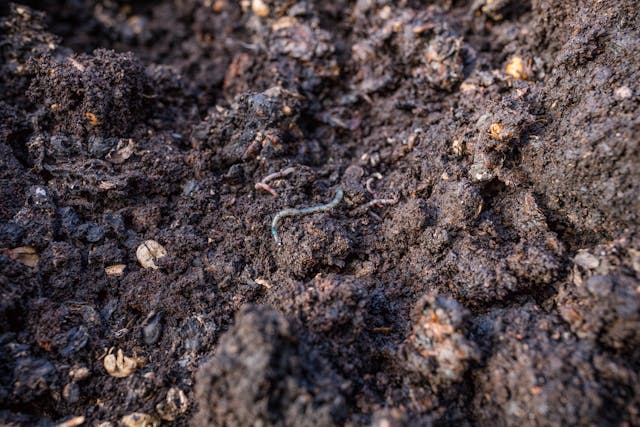
Tiny worms have adapted to survive the extreme radiation levels in the Chernobyl exclusion zone

The Chornobyl nuclear disaster of 1986 stands as one of the most catastrophic events in human history, casting a shadow of devastation over the surrounding landscape that endures nearly four decades later. Evacuations were swift for humans, but the flora and fauna persisted amidst the lingering radiation, painting a haunting portrait of resilience amidst adversity.

A groundbreaking study led by researchers from New York University has shed light on the enduring legacy of chronic radiation exposure from Chornobyl on the region’s microscopic inhabitants. Contrary to expectations, the genomes of microscopic worms dwelling in the irradiated soil have not shown significant damage, sparking intrigue and cautionary tales alike. While this revelation does not imply safety within the region, it hints at these organisms’ remarkable adaptability and resilience in the face of extreme environmental pressures.

In recent years, scientific inquiry into the effects of chronic radiation on wildlife within the Chornobyl Exclusion Zone has intensified. The discovery of physical and genetic disparities among animals residing in this isolated pocket of Ukraine has spurred contemplation regarding the intricate interplay between radiation and DNA integrity. Sophia Tintori, a postdoctoral associate at NYU’s Department of Biology and the study’s lead author, underscores the profound uncertainties surrounding the disaster’s impact on local ecosystems. The selection pressures imposed by the sudden environmental upheaval raise profound questions regarding the evolutionary responses of various species to ionising radiation.

To unravel this biological problem, Tintori and her team turned their attention to nematodes, diminutive worms renowned for their simplicity of genome and rapid reproductive cycles. Matthew Rockman, a professor of biology at NYU and the senior author of the study, extols the virtues of nematodes as invaluable tools for elucidating fundamental biological processes. Their ubiquity and rapid life cycles render them ideal candidates for probing evolutionary dynamics in the wake of ecological disruption.

The allure of the Chornobyl Exclusion Zone, teeming with unexpected vitality amidst desolation, beckoned the researchers on an expedition fraught with both peril and scientific promise. Equipped with Geiger counters to gauge radiation levels and clad in protective gear, they embarked on a quest to collect nematode specimens from various locales within the irradiated landscape. From the verdant foliage to decaying organic matter, samples were meticulously gathered, representing a spectrum of radiation exposure ranging from nominal levels akin to urban environments to perilously elevated doses reminiscent of outer space.

The subsequent analysis unfolded within the confines of a makeshift field laboratory in the heart of Chornobyl, where hundreds of nematodes were meticulously extracted from their terrestrial confines. These specimens were then transported to a temporary sanctuary in Kyiv, where painstaking efforts ensued to isolate and cultivate distinct worm populations. Amidst the microscope’s gaze, the intricate tapestry of nematode life in Chornobyl unfurled, offering glimpses into the mysteries of adaptation and survival in a radioactive crucible.

Upon their return to NYU’s laboratories, the researchers embarked on a meticulous interrogation of the nematode genomes, seeking elusive traces of radiation-induced genetic aberrations. Despite exhaustive analyses employing diverse methodologies, the anticipated signature of radiation damage remained conspicuously absent. Tintori, while acknowledging the limitations of their findings, underscores the astonishing resilience of nematodes in the face of extreme adversity. The enigmatic absence of radiation-induced genetic lesions prompts speculation regarding the intrinsic defences harboured by these diminutive organisms against genomic assaults.

Undeterred by this scientific impasse, the researchers devised innovative experiments to probe the mechanisms underpinning the nematodes’ apparent resilience to DNA damage. By scrutinising the growth dynamics of distinct worm lineages and subjecting them to various genotoxic insults, they sought to unravel the intricacies of DNA repair mechanisms in real time. While discernible differences in sensitivity to DNA damage were observed among nematode lineages, these variations did not correlate with the ambient radiation levels at their respective collection sites. This intriguing revelation challenges conventional assumptions regarding the adaptive responses of organisms to chronic radiation exposure, underscoring the complexity of evolutionary dynamics in irradiated environments.

The implications of these findings extend far beyond the realm of nematode biology, offering compelling, tantalising insights into the intricacies of DNA repair mechanisms and natural variation in higher organisms, including humans. Tintori envisions leveraging the resilience of nematode strains to elucidate the nuanced interplay between genetic predispositions and environmental carcinogens in shaping cancer susceptibility. By dissecting the characteristic responses of individual organisms to DNA-damaging agents, researchers aspire to unravel the intricate tapestry of cancer risk factors, paving the way for personalised interventions and targeted therapies.

In essence, the humble nematodes of Chornobyl serve as unwitting sentinels of resilience amidst adversity, offering profound lessons in adaptation and survival in the face of ecological upheaval. As humanity grapples with the enduring legacy of nuclear disasters, their plight serves as a poignant reminder of the resilience encoded within the very fabric of life itself. Through the lens of scientific inquiry, we glimpse the intricate dance of evolution unfolding amidst the wreckage of human folly, heralding a future illuminated by the resilience of life in all its myriad forms.

More information: Sophia C. Tintori et al, Environmental radiation exposure at Chornobyl has not systematically affected the genomes or chemical mutagen tolerance phenotypes of local worms, Proceedings of the National Academy of Sciences. DOI: 10.1073/pnas.2314793121

Journal information: Proceedings of the National Academy of Sciences Provided by New York University