
Daily Archives: 15 June 2024

Scientists Introduce Groundbreaking Method to Address Age-Related Vision Decline

Cirrus Therapeutics, University of Bristol, and London’s Global University Institute of Ophthalmology Unveil Groundbreaking Treatment for Age-Related Macular Degeneration (AMD)

In a landmark study featured on the cover of Science Translational Medicine, researchers have identified a revolutionary treatment for age-related macular degeneration (AMD), the primary cause of vision loss in older adults worldwide.

AMD can profoundly impact vision, initially causing blurred vision or a central black spot that can progress to complete central vision loss. Currently affecting approximately 200 million people globally, this number is expected to reach 288 million by 2040 due to ageing populations and environmental factors. The exact causes of AMD are complex, involving a combination of ageing, lifestyle, and environmental factors.

The team’s breakthrough involves boosting levels of a specific protein, IRAK-M, in retinal cells, which has shown significant promise in protecting against retinal degeneration associated with AMD. Dr Andrew Dick, Head of the Academic Unit of Ophthalmology at the University of Bristol and Director of UCL Institute of Ophthalmology, as well as co-founder and Chief Scientific Advisor of Cirrus Therapeutics, described this discovery as a pathway-agnostic approach to AMD treatment, offering a comprehensive therapeutic option for millions suffering from this debilitating condition.

Dr Jian Liu, lead author and senior research scientist at the University of Bristol’s Academic Unit of Ophthalmology, highlighted the age-related decline of IRAK-M levels as a critical marker in AMD progression, signalling a potential avenue for early diagnosis and intervention.

This innovative approach marks a departure from traditional treatments that target single pathways in AMD pathophysiology. Dr Ying Kai Chan, co-founder and Chief Executive Officer of Cirrus Therapeutics emphasised that their novel method addresses multiple AMD pathways and represents the most compelling and evidence-based strategy available today.

Cirrus Therapeutics, which emerged from the University of Bristol to focus on therapies stemming from this discovery, is poised to advance treatments for AMD.

More information: Jian Liu et al, Replenishing IRAK-M expression in retinal pigment epithelium attenuates outer retinal degeneration, Science Translational Medicine. DOI: 10.1126/scitranslmed.adi4125

Journal information: Science Translational Medicine Provided by Thinkubator Media
UBC’s New Oral Insulin Drops Provide Relief for Diabetes Patients

Diabetes prevalence continues to rise, affecting approximately 11.7 million Canadians living with diabetes or at risk of developing it. At the University of British Columbia (UBC), researchers have pioneered a groundbreaking method of drug delivery aimed at transforming how diabetes patients manage their condition and maintain overall health.

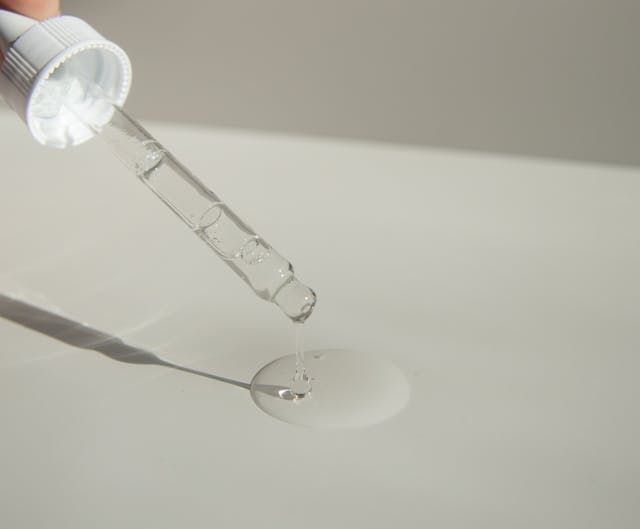
Led by Dr. Shyh-Dar Li at the Li Lab, the team has developed oral insulin drops as a pain-free alternative to conventional insulin injections. Administered under the tongue, these drops are designed for rapid and efficient absorption into the body. This innovation holds significant promise in alleviating the burden of frequent injections for diabetes patients.

A formulation combining insulin with a novel cell-penetrating peptide (CPP) derived from fish byproducts is central to this advancement. This peptide plays a crucial role in facilitating the transport of insulin across biological barriers and into the bloodstream intact. Unlike oral insulin in pill form, which can be degraded in the stomach, the peptide-guided delivery system ensures insulin’s swift availability in the bloodstream.

Dr. Li, a professor in UBC’s faculty of pharmaceutical sciences, explains the importance of the CPP: “Insulin is a complex molecule that faces challenges in oral delivery due to its vulnerability and size. The CPP acts as a guide, creating pathways that allow insulin to navigate through barriers and reach its target effectively.” Pre-clinical studies have demonstrated that insulin combined with the CPP achieves efficient bloodstream delivery, compared to insulin alone, which remains localised in the oral cavity.

Recent publications in the Journal of Controlled Release highlight two versions of the CPP, marking significant progress towards commercialisation. In collaboration with various partners, the UBC team is actively seeking more partnerships to license this technology, aiming to bring this needle-free insulin delivery method to market.

For individuals without diabetes, insulin is naturally secreted by the pancreas to regulate blood glucose levels after meals. In contrast, diabetes patients lack sufficient insulin production and must supplement it externally. Failure to control glucose levels can lead to severe complications such as eye, kidney, and nerve damage, underscoring the critical need for effective insulin delivery methods.

Traditional insulin administration via injections remains the fastest way to introduce insulin into the bloodstream. However, this necessitates multiple injections daily, posing challenges to patients’ quality of life and adherence to treatment regimens. Over time, inconsistent insulin administration can lead to debilitating consequences, including limb amputations.

Reflecting on the team’s journey towards needle-free alternatives over the past three years, Dr Li notes: “We explored nasal sprays before settling on oral drops for their simplicity and convenience. Our goal is to offer diabetes patients a new option that enhances medication adherence and helps regulate blood glucose levels for long-term health.”

While an inhalable insulin product, Exubera, briefly entered the market in 2006 before withdrawal, Dr. Li aims to achieve rapid, pain-free insulin delivery without significant side effects. This needle-free technology reduces the risk of cross-contamination and needle-related infections and addresses concerns surrounding the safe disposal of contaminated needles.

UBC’s development of oral insulin drops represents a significant advancement in diabetes care, offering hope for improved management and enhanced quality of life for millions of patients globally. As research continues and partnerships evolve, the prospect of bringing this innovation to fruition not only underscores its potential to redefine diabetes treatment paradigms but also ignites a sense of excitement about the future of diabetes care, making it easier and safer for patients to manage their health effectively.

More information: Jiamin Wu et al, Systemic delivery of proteins using novel peptides via the sublingual route, Journal of Controlled Release. DOI: 10.1016/j.jconrel.2024.02.042

Journal information: Journal of Controlled Release Provided by The University of British Columbia