
Daily Archives: 30 June 2024

Investigation into the Influence of Summer Heat on Hospital Admissions in Spain

A team from the Barcelona Institute for Global Health, supported by the “la Caixa” Foundation and the French National Institute of Health and Medical Research (Inserm), has analysed the impact of high summer temperatures on hospital admissions in Spain over a decade. Published in Environmental Health Perspectives, their research spans data from over 11.2 million emergency hospital admissions between 2006 and 2019 across 48 provinces in mainland Spain and the Balearic Islands, sourced from the Spanish National Institute of Statistics. The study focused on daily mean temperatures, relative humidity, and concentrations of air pollutants (PM2.5, PM10, NO2, and O3), examining their correlations with various causes of hospitalisation during the summer months (June to September) and by province.

The findings highlight that metabolic disorders and obesity, renal failure, urinary tract infections, sepsis, urolithiasis, and drug poisoning were among the health issues most significantly impacted by high temperatures. The statistical analysis confirmed a widespread increase in cause-specific hospitalisations due to elevated temperatures. Vulnerability varied across age groups, with infants under one year and adults over 85 exhibiting the highest risk of hospital admission. Sex-specific differences also emerged, with men showing a heightened risk of hospitalisation for injuries during hotter days. In contrast, women faced increased risks related to parasitic, endocrine, metabolic, respiratory, or urinary diseases.

According to Hicham Achebak, a researcher at INSERM and ISGlobal and recipient of a Marie Sklodowska-Curie postdoctoral fellowship, the mechanisms through which heat triggers adverse health outcomes remain unclear but are linked to the body’s thermoregulation processes. “Under conditions of heat stress, the body initiates cutaneous vasodilation and sweat production to dissipate heat, which can affect individuals differently based on age, sex, or underlying health conditions,” Achebak explains. He notes that women, for instance, tend to have a higher temperature threshold for activating sweating mechanisms, rendering them more susceptible to heat-related effects.

The study underscores that individuals with obesity are particularly vulnerable to heat-related health issues due to less efficient heat loss responses, exacerbated by body fat acting as an insulator. Moreover, while relative humidity did not significantly influence the heat-related hospitalisation risk across most conditions, lower humidity amplified the risk of acute bronchiolitis. Air pollution and exceptionally high levels of PM2.5 and NO2 intensified the risks of hospitalisation for metabolic disorders, obesity, and diabetes, highlighting the multifaceted impact of environmental factors on health outcomes during high-temperature periods.

Joan Ballester Claramunt, an ISGlobal researcher and senior author of the study, emphasises the nuanced effects of heat waves, noting that while they marginally increased hospitalisation risks for certain diseases like non-respiratory infectious diseases, endocrine and metabolic disorders, and nervous system diseases, the study suggests that current Heat-Health Early Warning Systems should be activated not only during heat waves but also during periods of sustained extreme temperatures.

The study provides critical insights into how summer heat influences hospital admissions in Spain, revealing differential impacts across demographics and health conditions and emphasising the importance of tailored public health strategies to mitigate the health risks associated with rising temperatures.

More information: Hicham Achebak et al, Heat Exposure and Cause-Specific Hospital Admissions in Spain: A Nationwide Cross-Sectional Study, Environmental Health Perspectives. DOI: 10.1289/EHP13254

Journal information: Environmental Health Perspectives Provided by Barcelona Institute for Global Health – ISGLOBAL
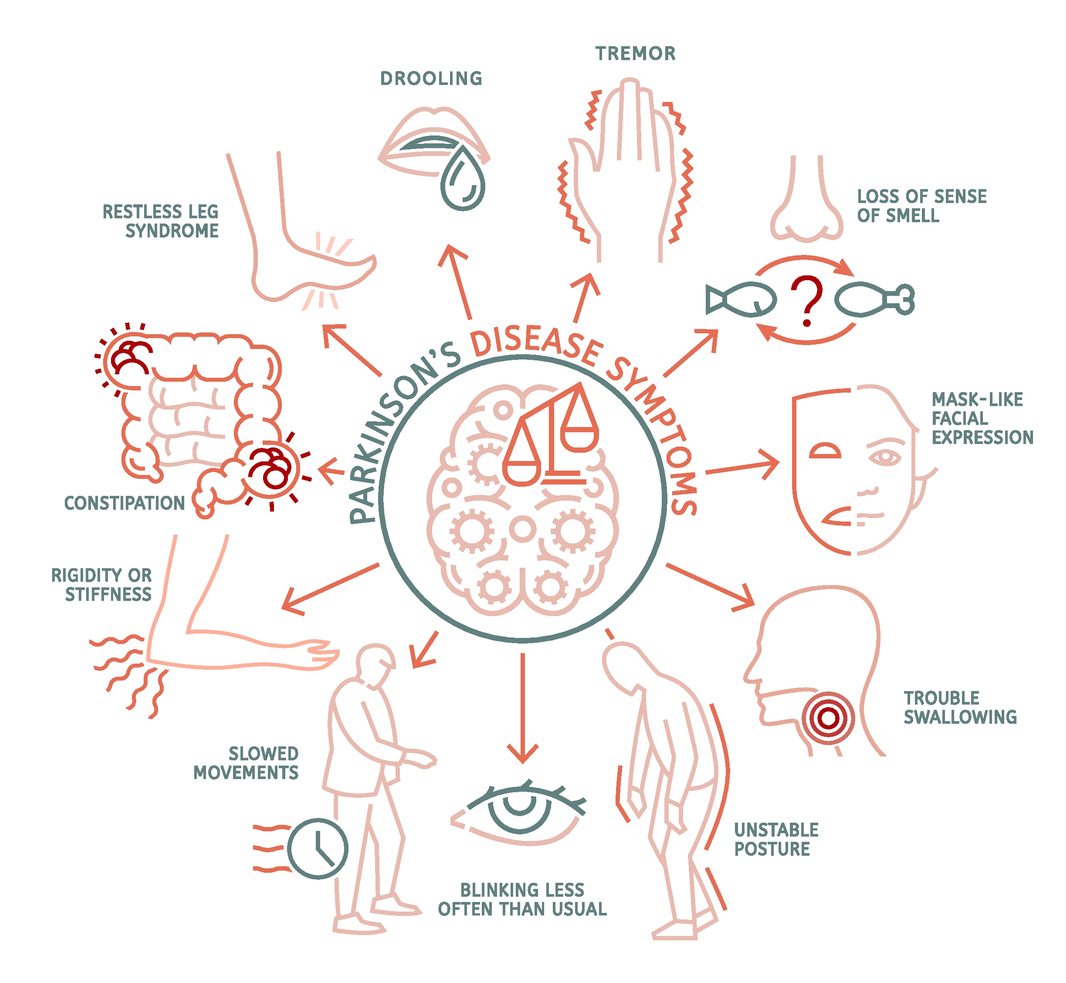

Exploring B Vitamin Therapy for Managing the Gut-Brain Axis in Parkinson’s Disease

A recent study led by Nagoya University Graduate School of Medicine in Japan has revealed a significant link between gut microbiota and Parkinson’s disease (PD). Researchers found that individuals with PD show a reduction in gut bacteria responsible for synthesising essential B vitamins B2 (riboflavin) and B7 (biotin). This deficiency is also associated with lower levels of compounds crucial for maintaining the intestinal barrier integrity, which normally prevents toxins from entering the bloodstream and causing inflammation observed in PD. Published in npj Parkinson’s Disease, these findings not only suggest a significant breakthrough in our understanding of PD but also inspire hope by proposing that treatment with B vitamins could potentially alleviate PD symptoms.

Parkinson’s disease is characterised by debilitating physical symptoms such as tremors, slow movement, stiffness, and balance issues, significantly impairing daily activities and mobility. Although the prevalence of PD varies among populations, it affects approximately 1-2% of individuals aged 55 years and older globally.

The gut microbiota, comprising microorganisms that inhabit the digestive tract, play pivotal roles in various physiological processes. Under optimal conditions, these microorganisms produce short-chain fatty acids (SCFAs) and polyamines, which are crucial for maintaining intestinal barrier integrity. Disruption of this barrier allows toxins to enter the bloodstream, potentially leading to inflammation in the brain and affecting neurotransmission critical for mental health.

To delve deeper into the gut microbial characteristics of PD patients, Hiroshi Nishiwaki and Jun Ueyama from Nagoya University Graduate School of Medicine conducted a comprehensive analysis using stool samples from PD patients across Japan, the United States, Germany, China, and Taiwan. They employed shotgun sequencing, a technique that sequences all genetic material within a sample, providing detailed insights into the microbial community and genetic composition.

Their analysis revealed a notable decrease in bacterial genes responsible for synthesising riboflavin (vitamin B2) and biotin (vitamin B7) among PD patients. These vitamins, derived from dietary sources and gut microbiota, possess anti-inflammatory properties that may counteract the neuroinflammation observed in PD. B vitamins are integral to metabolic processes influencing the production and function of SCFAs and polyamines, essential for maintaining intestinal barrier integrity. Examination of faecal metabolites further confirmed reductions in these compounds in PD patients.

These findings propose a potential mechanism underlying PD progression. According to Nishiwaki, deficiencies in polyamines and SCFAs may lead to thinning of the intestinal mucus layer and increased permeability, which is observed in PD patients. This heightened permeability exposes nerves to toxins, contributing to abnormal aggregation of alpha-synuclein, activating immune cells in the brain, and fostering long-term inflammation.

Nishiwaki suggests that supplementation therapy targeting riboflavin and biotin holds promise as a therapeutic approach to alleviate PD symptoms and slow disease progression. The study underscores the importance of understanding the intricate interplay between gut microbiota, metabolic pathways, and neurodegeneration. Importantly, it highlights the potential of personalised therapy tailored to individual microbiome profiles, which could empower individuals to take control of their health and potentially delay the onset and progression of PD symptoms.

This study represents a significant step towards unravelling the complex relationship between gut microbiota, metabolic pathways, and neurodegenerative diseases like Parkinson’s. It paves the way for targeted interventions that could enhance patient outcomes and quality of life through innovative nutritional therapies.

More information: Hiroshi Nishiwaki et al, Meta-analysis of shotgun sequencing of gut microbiota in Parkinson’s disease, npj Parkinson s Disease. DOI: 10.1038/s41531-024-00724-z

Journal information: npj Parkinson s Disease Provided by Nagoya University

Chronic hypertension prevalence doubled during pregnancy in the U.S. from 2007 to 2021

The incidence of chronic hypertension in pregnancy in the United States doubled between 2007 and 2021, yet only around 60% of those affected received treatment with antihypertensive drugs, according to a study supported by the National Institutes of Health (NIH). Published in the journal Hypertension, the study analysed data from nearly 2 million pregnancies and attributed the rise to increasing maternal age, rising obesity rates, and other demographic shifts.

Lead researcher Stephanie Leonard, PhD, an epidemiologist at Stanford University School of Medicine, highlighted the critical implications of these findings, particularly concerning the high maternal mortality rates associated with chronic hypertension during pregnancy. Despite effective treatment options, the study underscored significant gaps in managing this severe condition.

Chronic hypertension during pregnancy is characterised by sustained high blood pressure (140/90 mm Hg or higher) either before pregnancy or within the first 20 weeks of gestation. It poses considerable risks to both maternal and foetal health, including organ damage, increased likelihood of preterm birth, and low birth weight. Untreated chronic hypertension can also lead to fatal complications if left undetected.

The study’s findings hold particular relevance for Black, American Indian, and Alaska Native populations, who experience disproportionately high rates of adverse maternal health outcomes and pregnancy-related deaths. Candice A. Price, Ph.D., a program director at NHLBI focusing on women’s health research, emphasised the urgent need to address these disparities and improve detection and treatment strategies, especially among high-risk groups.

Using a comprehensive dataset of U.S. commercial insurance claims spanning from 2007 to 2021, researchers observed a more than twofold increase in chronic hypertension prevalence among pregnant individuals, rising from 1.8% in 2008 to 3.7% in 2021. Despite this increase, the percentage of those receiving antihypertensive medications remained relatively stagnant, increasing only from 58% to 60% over the study period.

While the exact reasons behind the surge in chronic hypertension were not the primary focus of the study, Leonard noted that trends mirrored broader hypertension patterns observed in the general adult population and in previous studies covering different time frames. Factors such as advanced maternal age at childbirth and escalating obesity rates were identified as potential contributors to this trend.

The study also evaluated the impact of updated hypertension guidelines introduced by the American College of Cardiology and the American Heart Association in 2017, which lowered the diagnostic thresholds for hypertension in adults. However, the researchers found no immediate association between these guidelines and the observed trends during the 2008-2021 period studied. Leonard suggested that future analyses reveal the influence of the guidelines in subsequent years.

To effectively manage hypertension during pregnancy, experts recommend regular blood pressure monitoring, adherence to prescribed medications, and frequent consultations with healthcare providers. These measures are crucial for minimising the risks associated with chronic hypertension and ensuring optimal maternal and foetal outcomes.

While chronic hypertension prevalence in pregnancy has risen significantly in recent years, there remains a pressing need for enhanced detection, treatment, and management strategies to mitigate its adverse effects on maternal health. Addressing these challenges comprehensively is essential for reducing maternal mortality rates and improving overall pregnancy outcomes in the United States.

More information: Stephanie A. Leonard et al, Chronic Hypertension During Pregnancy: Prevalence and Treatment in the United States, 2008–2021, Hypertension. DOI: 10.1161/HYPERTENSIONAHA.124.22731

Journal information: Hypertension Provided by National Heart Lung & Blood Institute

Cranberry Extracts Enhance Microbiota Health and Combat Cardiometabolic Diseases

Cranberry extracts have shown promising effects in improving intestinal microbiota and preventing chronic diseases such as diabetes and cardiovascular diseases, according to a study by Université Laval and the Institute of Nutrition and Functional Foods (INAF). Led by Yves Desjardins, professor at the Faculty of Agriculture and Food Sciences, the research highlighted significant benefits observed after just four days of cranberry extract consumption.

Known for their high polyphenol content, particularly tannins, cranberries are also rich in oligosaccharides, tiny fibres believed to contribute to their bioactivity. The study demonstrated that these compounds in cranberry extract could stimulate the genus Bifidobacterium, which is known to reduce the risk of metabolic diseases. Jacob Lessard-Lord, a postdoctoral fellow at INAF, noted that cranberry extract effectively boosted these beneficial bacteria even at a dosage nearly 20 times lower than typical dietary fibre intake.

Furthermore, cranberry extracts enhanced the presence of Akkermansia muciniphila, a bacterium crucial for intestinal mucosa health. This enhancement is significant as it helps reduce inflammation and strengthens the intestinal barrier, which protects against the harmful effects of a Western diet. Yves Desjardins explained that a compromised intestinal barrier allows harmful substances like lipopolysaccharides (LPS) from gut bacteria to enter the body, leading to chronic inflammation and metabolic diseases like diabetes and cardiovascular diseases.

The study involved approximately forty participants from INAF who consumed a cranberry supplement twice daily, equivalent to 60 grams of fresh cranberries. Plasma, urine, and stool samples collected before and after the four-day trial indicated positive effects on the participants’ microbiota and inflammatory markers. The initial success in human trials followed promising results in the SHIME in vitro system, which models various regions of the intestine.

Looking ahead, the research team aims to investigate the long-term effects of cranberry extracts and explore individual variations in microbiota response. Jacob Lessard-Lord expressed optimism about the immediate benefits observed and looks forward to further understanding how different microbiota signatures interact with cranberry extracts.

Incorporating cranberry extracts into a balanced diet has the potential to modify inflammatory pathways and improve the prognosis of chronic diseases. By stimulating beneficial bacteria like Akkermansia muciniphila and Bifidobacterium, cranberry extracts promote a healthier gut microbiota environment. Thus, they offer a promising avenue for enhancing intestinal barrier function and mitigating the risks associated with metabolic diseases. Future research will shed light on personalised responses to these extracts, paving the way for targeted dietary disease prevention and management interventions.

More information: Jacob Lessard-Lord et al, Short term supplementation with cranberry extract modulates gut microbiota in human and displays a bifidogenic effect, npj Biofilms and Microbiomes. DOI: 10.1038/s41522-024-00493-w

Journal information: npj Biofilms and Microbiomes Provided by Laval University