
Daily Archives: 24 June 2024

Early Management of Blood Pressure in Acute Stroke: Balancing Benefits and Risks

New research highlighted at the 10th European Stroke Organisation Conference in Basel, Switzerland and concurrently published in the New England Journal of Medicine underscores the importance of early stroke type identification in maximising the benefits of immediate in-ambulance blood pressure reduction for suspected acute stroke patients. Professor Craig Anderson, Director of Global Brain Health at The George Institute for Global Health and lead researcher, emphasised the potential of this study to pave the way for improved outcomes, particularly in the context of the most severe stroke cases.

“Our findings demonstrate significant advantages in administering early blood pressure-lowering treatment to patients with intracerebral haemorrhage during ambulance transit. However, for patients ultimately diagnosed with ischaemic stroke, this intervention appeared to exacerbate outcomes. Hence, accurate early diagnosis is pivotal in harnessing the benefits of very early blood pressure management,” Professor Anderson explained.

The Intensive Ambulance-Delivered Blood Pressure Reduction in Hyper-Acute Stroke Trial (INTERACT4) study encompassed a multicentre, randomised, open-label, blinded-outcome investigation conducted across numerous ambulance services in China. Over 2,400 patients with suspected acute stroke and elevated systolic blood pressure (≥150mmHg), assessed within two hours of symptom onset, were randomly assigned to either immediate pre-hospital blood pressure reduction (target 130-140mmHg) or standard in-hospital blood pressure management.

Notably, the group receiving pre-hospital blood pressure reduction for haemorrhagic stroke showed a 30% reduction in the likelihood of poor functional outcomes compared to those managed conventionally upon hospital arrival. Conversely, patients diagnosed with cerebral ischaemia experienced a 30% higher likelihood of poor functional outcomes with early blood pressure-lowering treatment. Overall, the intervention’s impact on functional outcomes balanced across all stroke types, with similar rates of serious adverse events observed between groups.

Ischaemic strokes, responsible for approximately 80% of all strokes worldwide, result from a blockage in a blood vessel, leading to restricted blood flow and subsequent neurological impairment. On the other hand, intracerebral haemorrhage (ICH), accounting for more than a quarter of stroke cases, involves bleeding within the brain tissue and is particularly lethal, especially in regions like China, where the study was conducted.

“All acute stroke treatments hinge heavily on time sensitivity – brain cells rapidly deteriorate without oxygen. However, determining the optimal treatment approach before identifying the stroke type remains challenging without advanced brain imaging,” Professor Anderson remarked. “While our results do not advocate for in-ambulance blood pressure management for all suspected acute stroke patients, the advent of mobile stroke units equipped with CT scanners and diagnostic tools holds promise for early identification of ischaemic stroke and timely administration of clot-dissolving therapies,” Professor Anderson added. “In the interim, swift diagnosis and prompt action upon arrival at the emergency department remain critical to preserving brain function during acute stroke management.”

More information: Gang Li et al, Intensive Ambulance-Delivered Blood-Pressure Reduction in Hyperacute Stroke, New England Journal of Medicine. DOI: 10.1056/NEJMoa2314741

Journal information: New England Journal of Medicine Provided by The George Institute for Global Health
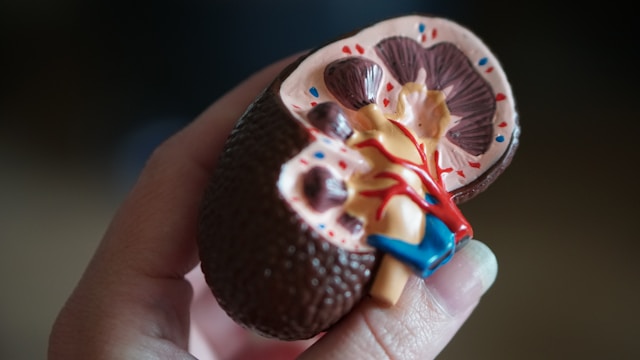

Study at the University of Cincinnati Utilises Health Metrics to Forecast Kidney Function Recovery

Researchers at the University of Cincinnati College of Medicine have pioneered a groundbreaking predictive model. Using key health indicators, this model forecasts a recovery in patients experiencing kidney failure due to acute kidney injury (AKI). AKI, a significant contributor to end-stage kidney disease (ESKD), ranges from mild kidney function loss to complete failure. Approximately one-third of AKI patients recover kidney function.

Published in the Clinical Kidney Journal, the study analysed health outcomes from 22,922 patients in the U.S. Renal Data System (2005-2014) to predict kidney recovery within 90 days and 12 months after dialysis initiation for AKI-related kidney failure. Lead author Dr Silvi Shah, from UC’s Division of Nephrology, highlighted that patient factors like age, race, body mass index, and medical history (including conditions like heart failure, cancer, and functional status) were crucial in developing their logistic regression model.

Dr. Shah noted that certain factors, such as a history of heart failure, lower body mass index, amputation, and poor functional status, significantly correlated with lower chances of kidney recovery. The study found that 24% and 34% of patients recovered kidney function within 90 days and 12 months, respectively.

The scoring model, a practical tool, aims to assist clinical staff in dialysis units. It quickly assesses patient recovery prospects based on readily available medical history data. According to Dr Charuhas Thakar, a senior author and former division chief of nephrology at the University of Cincinnati, the model categorises patients into high, medium, or low recovery likelihood categories. This categorisation guides personalised treatment plans and resource allocation, empowering healthcare providers with a more targeted approach.

Dr. Thakar emphasised the model’s potential to significantly improve care for AKI patients. It ensures those likely to recover receive focused monitoring while enabling long-term planning, including transplantation, for those less likely to regain kidney function. This potential for improved patient outcomes is a beacon of hope in the field of nephrology.

Dr. Shah underscored the model’s role in risk prediction and patient counselling, noting that individuals with higher scores had a 57% chance of kidney recovery within 90 days. The study, leveraging the extensive U.S. Renal Data System dataset, provided inclusive insights across demographics, enhancing its applicability and individualised patient care strategies.

The research enhances clinical decision-making in dialysis settings, offering healthcare providers and patients valuable insights into recovery expectations and tailored treatment approaches based on predictive risk scores.

More information: Silvi Shah et al, A clinical score to predict recovery in end-stage kidney disease due to acute kidney injury, Clinical Kidney Journal. DOI: 10.1093/ckj/sfae085

Journal information: Clinical Kidney Journal Provided by University of Cincinnati

Treatment Responsiveness and Prolonged Survival in Older Adults with Aggressive Blood Cancer

A study published in Blood Neoplasia indicates that standard treatment for acute myeloid leukemia (AML) in adults over 80 is safe and effective, offering potential for extended survival. Approximately 25% of patients experienced prolonged survival, a significant finding given the aggressive nature of AML. The treatment protocol, known as VEN-HMA (venetoclax combined with a hypomethylating agent), is standard for older adults with AML who cannot undergo intensive chemotherapy due to its immunosuppressive effects and associated risks. This demographic, often at advanced ages, may otherwise be directed towards palliative care.

Dr. Justin Watts, a hematologist at the University of Miami Sylvester Comprehensive Cancer Center, underscores the study’s implications. He highlights that despite challenges, many elderly AML patients benefit from VEN-HMA, challenging assumptions about treatment eligibility based on age alone. The research, spanning data from 154 patients aged 80 to 92 across US and Italian medical institutions, focused on survival rates and treatment responses among octogenarians and nonagenarians receiving VEN-HMA.

Initial findings revealed that 67% of patients started treatment with the standard VEN-HMA regimen, while subsequent adjustments were common, underscoring the need for personalised dosing. Despite concerns about myelosuppression, where bone marrow activity declines, impacting blood cell production and immune function, the study highlighted varied responses and survival outcomes. For those responding to treatment, median survival extended beyond eight months, with some achieving over a year.

Treatment responses varied based on genetic markers, with mutations in TP53 associated with poorer outcomes and those in NPM1 showing favourable survival trends. The study also emphasised the importance of adjusting VEN-HMA dosages to minimise adverse effects while maintaining therapeutic benefits, which is crucial in older patients susceptible to treatment-related complications.

Challenges remain, including the study’s retrospective nature and the need for more extended follow-up periods to validate findings comprehensively. Researchers aim to refine treatment protocols, exploring optimal dosing and scheduling to improve outcomes and quality of life for elderly AML patients. Future investigations will delve into factors like minimal residual disease and molecular subtypes to effectively tailor treatment strategies.

This study underscores evolving paradigms in AML management, advocating for nuanced approaches that consider age-related vulnerabilities and treatment efficacy. It encourages healthcare providers to explore comprehensive treatment options for elderly patients, refraining from restrictive assumptions that might limit therapeutic opportunities.

More information: Ellen Madarang et al, Venetoclax and hypomethylating agents in octogenarians and nonagenarians with acute myeloid leukemia, Blood Neoplasia. DOI: 10.1016/j.bneo.2024.100016

Journal information: Blood Neoplasia Provided by American Society of Hematology

Recommendation on interventions for preventing falls in older adults residing in the community

The U.S. Preventive Services Task Force (USPSTF) strongly advocates exercise interventions as a primary measure to prevent falls among community-dwelling adults aged 65 years and older with an elevated risk of falling. Additionally, the USPSTF suggests that clinicians tailor the decision to provide multifactorial interventions for fall prevention to this same demographic group. The recommendation underscores the importance of considering individual circumstances, including the frequency of prior falls, the presence of concurrent medical conditions, and the patient’s values and preferences when evaluating the appropriateness of such interventions.

Existing evidence highlights that while multifactorial interventions for fall prevention offer some benefits, the overall net benefit remains modest. Therefore, patients, as active participants in their healthcare, and healthcare providers should carefully weigh the potential advantages and drawbacks before opting for these interventions. Factors such as the severity and frequency of previous falls, chronic health conditions, and the patient’s unique preferences should guide decisions about implementing multifactorial fall prevention strategies.

Falls represent a significant public health concern among older adults in the United States, contributing significantly to injury-related morbidity and mortality. Given this impact, the USPSTF continuously evaluates and updates its recommendations regarding the effectiveness of preventive healthcare services. This latest recommendation, replacing the 2018 guideline, reflects the Task Force’s ongoing commitment to enhancing the quality of preventive care for older adults at risk of falls.

More information: Wanda K. Nicholson et al, Interventions to Prevent Falls in Community-Dwelling Older Adults, JAMA. DOI: 10.1001/jama.2024.8481

Journal information: JAMA Provided by JAMA Network