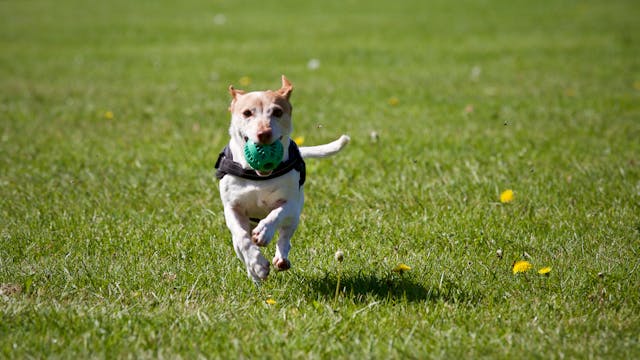
Ethologists from Eötvös Loránd University (ELTE) embarked on a research project to investigate the impact of various therapeutic modalities on the wellbeing of elderly dogs, averaging ten years of age. The study explored the effects of cognitive, physical, and combined therapies over three months. The findings revealed that each form of treatment influenced the dogs’ behaviour in distinct ways. Physical therapy enhanced sociability and agility among the dogs, whereas cognitive exercises, such as puzzle games, heightened their inclination towards new experiences. Notably, the improvements were more significant in relatively younger dogs, approximately eight years old, suggesting an age-related differential response to the therapies.
As the global demographic shifts towards an ageing population, particularly pronounced in Europe, addressing the challenges associated with increasing older adults becomes not just important, but urgent. Projections indicate that by 2050, about 30% of the population will be over 65, with a significant fraction likely to develop dementia. In response to these trends, there is a growing emphasis on fostering a culture of healthy ageing, which includes promoting physical and mental fitness to extend the quality of life and reduce reliance on medications.
Behavioural interventions like those tested on dogs offer insights into non-pharmacological approaches to maintain cognitive and physical health in old age. The ELTE study specifically assessed the efficacy of different therapies in enhancing cognitive functions among older dogs, who age similarly to humans but at an accelerated rate. This research serves as a proxy to understand potentially effective interventions in humans. According to prevailing research, combining cognitive and physical therapies yields the most comprehensive benefits in humans, improving targeted cognitive areas and enhancing overall physiological wellness.
The study conducted by the Department of Ethology at ELTE was pioneering in its approach by focusing not only on traditional cognitive therapies but also incorporating physical therapy—a less explored area in canine research. The researchers initiated a twelve-week “Complex Experience Program” for dogs aged eight and older to determine the most effective therapy. This program included a variety of cognitive challenges and physical exercises designed to improve balance and coordination, culminating in behavioural assessments to gauge the impact of these interventions.
One hundred nine dogs participated in the program, although 25 were excluded after failing to meet health criteria. This exclusion underscores the researchers’ intent to include only healthy dogs to ensure that any changes observed were due to the therapies rather than underlying health issues. The participants were divided into groups receiving cognitive tasks, physical therapy, a combination of both, or no therapy (control group).
The outcomes highlighted several benefits. Dogs undergoing physical and combined therapy demonstrated enhanced sociability and adaptability. Those engaged in cognitive and combined therapies showed increased curiosity and environmental engagement. Interestingly, younger dogs displayed more pronounced improvements, aligning with findings in human studies where age can influence the responsiveness to cognitive interventions.
The insights from this study have practical implications. Firstly, they confirm that even minimal engagement in targeted therapies can significantly enhance cognitive functions in older dogs. Secondly, the enjoyment and rejuvenation seen in the dogs—and by extension, their owners—highlight the emotional and social benefits of such interventions. Lastly, these findings advocate for integrating regular physical and cognitive activities into daily routines to promote longevity and overall well-being, echoing the broader narrative of proactive ageing strategies for both pets and their human counterparts.
In conclusion, ELTE’s research offers valuable lessons on the utility of behavioural therapies in managing ageing, both for canines and potentially for humans. It highlights the importance of early and sustained engagement in therapeutic activities to mitigate the effects of ageing, improve quality of life, and strengthen interpersonal and pet-owner bonds. This holistic approach to ageing is increasingly relevant as we face an ageing global population with inherent health and social challenges.
More information: Zsófia Bognár et al, The behavioural effect of short-term cognitive and physical intervention therapies in old dogs, GeroScience. DOI: 10.1007/s11357-024-01122-2
Journal information: GeroScience Provided by Eötvös Loránd University