Daily Archives: 10 June 2024

Research indicates that natural compounds found in soy and other plants decrease the recurrence of breast cancer and enhance survival rates

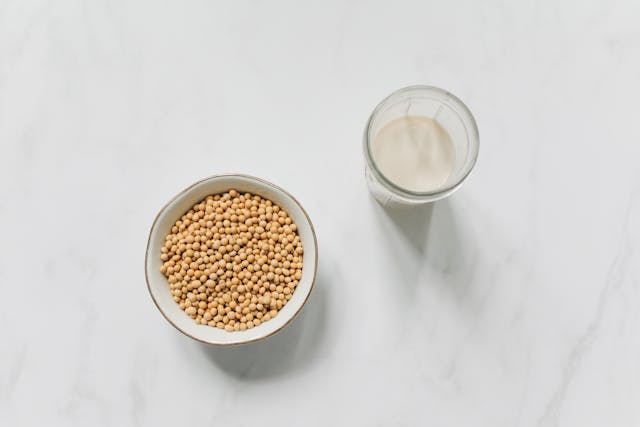
Isoflavones from soy and other plant-derived compounds might significantly reduce the likelihood of breast cancer recurrence or death, suggesting a new meta-analysis co-led by researchers from the Johns Hopkins Kimmel Cancer Center. The findings were detailed in the January 10 publication of the journal JNCI Cancer Spectrum.

A team of researchers from Australia, Denmark, England, Norway, and the U.S. examined 22 observational studies examining the effects of dietary intake of soybeans, lignans (found in various plants, including seeds and nuts), vegetables from the cabbage family, and green tea. These studies focused on how phytonutrients from these sources affect the recurrence of breast cancer and overall mortality. The analysis included different studies focusing on these dietary components, including 11 on soy isoflavones, three on cruciferous vegetables, two on green tea, three on lignans, and three on enterolactone, a by-product formed when lignans are metabolised in the gut.

The analysis highlighted that soy isoflavones are linked to a 26% decrease in the risk of breast cancer recurrence. This finding came from a subset of six studies involving 11,837 women, particularly noticeable among post-menopausal survivors. The most substantial reduction in risk was observed at an intake of 60 milligrams per day, equivalent to two to three servings daily. Although soy consumption also showed a decrease in mortality risk by 12%, this finding was not statistically significant and was primarily observed at lower doses of 20-40 mg per day.

Another notable discovery from this meta-analysis was regarding enterolactone, a compound derived from the digestion of lignans, which are abundant in many plants, including flaxseeds, cashew nuts, broccoli, and brussels sprouts. Enterolactone was associated with a 28% lower risk of breast cancer-specific mortality and a 31% reduction in mortality from all causes, with a 35% decrease in all-cause mortality expressly noted in post-menopausal women. Due to individual differences in gut microbiomes, which affect the metabolism of lignans, it is challenging to determine an effective dietary dose of lignans based on these outcomes.

Lead author Diana van Die, PhD, from the NICM Health Research Institute at Western Sydney University in Australia, stated that these findings were classified as ‘probable,’ indicating robust research evidence supporting their validity.

The review also uncovered some suggestive results, such as the potential impact of green tea consumption on reducing the risk of breast cancer recurrence by 44% in women diagnosed with stage I or II breast cancer, mainly from consuming three to five cups daily. Moreover, pre-diagnosis intake of lignans showed a non-significant 34% reduction in cancer-specific mortality and a 19% decrease in mortality from all causes among post-menopausal women. However, an increased risk of mortality was suggested in pre-menopausal women. These effects appear to depend on the hormonal environment and require further investigation.

The role of cruciferous vegetables in influencing breast cancer outcomes was less clear, possibly affected by the generally low intake levels in the studies reviewed.

The investigators also explored whether the timing of consuming these foods and phytonutrients, either before or after a breast cancer diagnosis, influenced the outcomes. However, the evidence was inconclusive. Notably, all studies on green tea and lignans assessed intake before diagnosis, whereas soy studies considered pre- and post-diagnosis intake.

Senior study author Channing Paller, M.D., emphasised the importance of not viewing these foods and phytonutrients as alternatives to conventional medical or surgical treatment for breast cancer. The research underlines the need for more in-depth studies to ascertain the most effective dosages of these compounds and whether their benefits are comparable when initiated post-diagnosis, as opposed to being part of a lifelong dietary practice.

This area of research continues to evolve, emphasising understanding how best to incorporate these natural compounds into dietary practices for those diagnosed with breast cancer and determining their exact role and efficacy in cancer prevention and treatment.

More information: M Diana van Die et al, Phytonutrients and outcomes following breast cancer: a systematic review and meta-analysis of observational studies, JNCI Cancer Spectrum. DOI: 10.1093/jncics/pkad104

Journal information: JNCI Cancer Spectrum Provided by Johns Hopkins Medicine
Study suggests that fish fed to farmed salmon could also be included in our diet

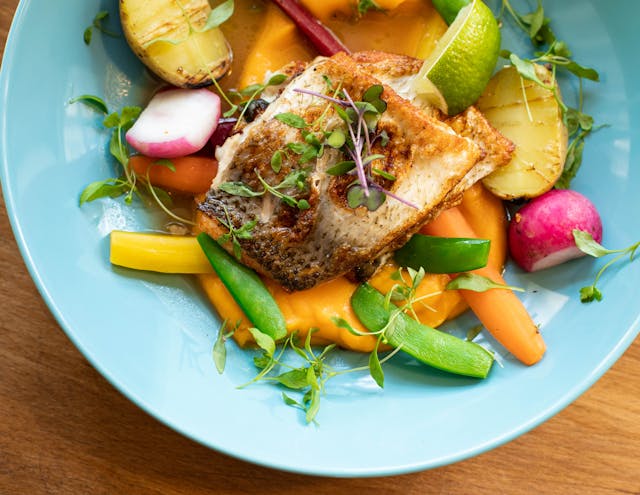
Public awareness campaigns are promoting the consumption of wild fish like mackerel, anchovies, and herring, which are commonly used in the diets of farmed salmon. These oily fish are packed with vital nutrients, including calcium, B12, and omega-3, but they are partially lost when we consume only the salmon fillet.

Research indicates that farming salmon results in a net loss of essential nutrients. By incorporating more of these wild ‘feed’ species directly into our diets, we could boost our health and alleviate the pressure on the finite marine resources used in aquaculture.

The study delved into how nutrients are transferred from wild fish consumed as feed to the farmed salmon. The salmon fillets were discovered to have reduced levels of six out of nine essential nutrients—calcium, iodine, iron, omega-3, vitamin B12, and vitamin A. However, there were increased amounts of selenium and zinc in the farmed salmon. Interestingly, the wild ‘feed’ fish met dietary nutrient recommendations in smaller portions than farmed Atlantic salmon, particularly for omega-3 fatty acids, crucial for reducing cardiovascular diseases and stroke risks.

Dr David Willer from the Zoology Department at the University of Cambridge highlighted the superior micronutrient density and variety found in most species of wild fish used as feed compared to farmed salmon fillets. He advocates consuming a broader array of wild fish species, such as sardines, mackerel, and anchovies, to enhance nutrient intake directly from our diets.

The study revealed concerning statistics about nutrient deficiencies in the UK population, noting that 71% of adults lack sufficient vitamin D during winter, with teenage girls and women frequently showing deficits in iodine, selenium, and iron. Despite these deficiencies, salmon consumption is relatively high compared to mackerel, anchovies, and herring. Dr Willer suggests that minor dietary adjustments could significantly address these deficiencies and improve human and planetary well-being.

The research team proposed directly consuming a third of the current wild-feed fish as food would optimise nutrient extraction from marine resources. Dr James Robinson of Lancaster University prioritised nutritious seafood for human consumption to enhance dietary health and ocean sustainability.

According to a team of scientists from institutions including the University of Cambridge, Lancaster University, the University of Stirling, and the University of Aberdeen, this approach could be a pivotal solution to global nutrient deficiencies. The findings were published in the journal Nature Food.

In their analysis, the scientists compared the nutrient content of whole wild fish used in Norwegian salmon feed pellets to that of the resultant farmed salmon fillets. They focused on nine essential nutrients concentrated in seafood—iodine, calcium, iron, vitamin B12, vitamin A, omega-3 (EPA + DHA), vitamin D, zinc, and selenium.

The study encompassed wild fish, such as Pacific and Peruvian anchoveta, Atlantic herring, mackerel, sprat, and blue whiting. It was found that these species, often marketed as seafood, provided equal or greater nutrient concentrations than salmon fillets. For instance, calcium levels were more than five times higher in wild-feed fish fillets than in salmon, with similarly significant disparities in iodine and iron content.

Dr Richard Newton of the Institute of Aquaculture at the University of Stirling pointed out the inefficiencies in nutrient retention within the salmon farming industry, suggesting improvements through strategic feed ingredient use, including fishery by-products and sustainably sourced industrial-grade fish like sand eels.

The research team advocates adopting a nutrient retention metric alongside the current Fish In Fish Out (FIFO) ratios used in the industry, which could enhance efficiency and reduce the ecological impact on fish stocks harvested for human consumption. They envision an industry expansion that does not compromise our oceans’ health and promotes a wider variety of affordable and nutritious fish-based products for direct human consumption.

More information: David F. Willer et al, Wild fish consumption can balance nutrient retention in farmed fish, Nature Food. DOI: 10.1038/s43016-024-00932-z

Journal information: Nature Food Provided by University of Cambridge