Wednesday, 21 Jan 2026
  • My Feed
  • My Saves
  • History
  • Blog
Living Well Study
  • Blog
  • Ageing Well
  • Brain Health
  • Healthy Diets
  • Physical Wellness
  • Wellness
  • 🔥
  • Wellness
  • older adults
  • Living Well
  • Brain Health
  • public health
  • dementia
  • Ageing Well
  • mental health
  • physical exercise
  • alzheimer disease
Font ResizerAa
Living Well StudyLiving Well Study
  • My Saves
  • My Feed
  • History
Search
  • Pages
    • Home
    • Search Page
  • Personalized
    • Blog
    • My Feed
    • My Saves
    • History
  • Categories
    • Ageing Well
    • Brain Health
    • Healthy Diets
    • Mental Wellness
    • Physical Wellness
    • Wellness
Have an existing account? Sign In
Follow US
© 2022 Foxiz News Network. Ruby Design Company. All Rights Reserved.
Living Well Study > Blog > Wellness > Rural pharmacists play a crucial role in home-based palliative care
Wellness

Rural pharmacists play a crucial role in home-based palliative care

support
Share
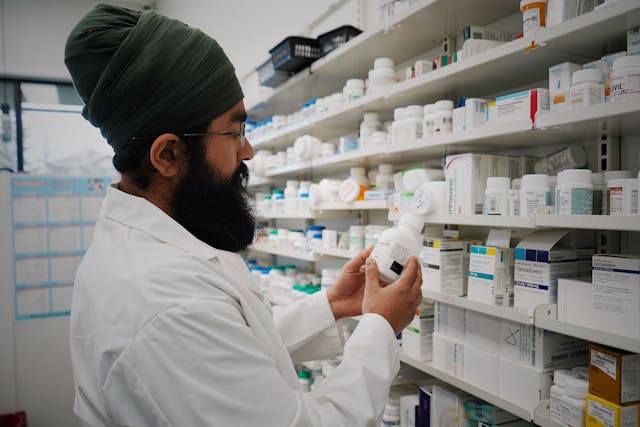
Pharmacist in front of Shelves with Medicines. Photo by World Sikh Organization of Canada: https://www.pexels.com/photo/pharmacist-in-front-of-shelves-with-medicines-14797855/
SHARE

According to new findings, pharmacists are increasingly acknowledged for their essential contributions to supporting patients receiving home-based palliative care in rural areas. This research indicates that these professionals empower patients to remain at home and deliver considerable comfort and reassurance to patients, their caregivers, and their families.

The research, conducted by the University of South Australia with the support of the Pharmaceutical Society of Australia, demonstrates that pharmacists specializing in home palliative care significantly improve medication management, enhance communication between patients and their healthcare teams, and reduce the need for general practitioner visits.

The study focuses on the real-world influence of home palliative care pharmacists in rural South Australia. It evaluates the efficacy of this care model through the lens of healthcare professionals.

Globally, approximately 56.8 million people, including 25.7 million in their final year of life, require palliative care. However, only about 14% of those in need receive these services. As the population ages, the demand for palliative care is rising worldwide.

Tash Downing, the lead researcher and pharmacist, points out that although pharmacists are not traditionally seen as part of home palliative care teams, they hold an invaluable position.

“Many patients in palliative care express a preference for being at home, where they feel most comfortable and close to their loved ones. Nevertheless, home-based care presents numerous challenges, particularly in managing medications,” explains Downing.

Effective medication management can alleviate symptoms and enhance quality of life, but it often burdens patients, caregivers, and other medical professionals.

“Our findings suggest that incorporating a pharmacist into the rural palliative care team can mitigate workforce shortages in these areas and elevate the standard of available care for rural patients,” Downing adds.

Crucially, having a local pharmacist allows patients to make more informed choices about their care. They benefit from trusted, regional coordination of prescriptions and medications, reduced need for travel to appointments, and lower levels of distress.

Health professionals participating in the study also noted that the presence of a home palliative care pharmacist improved communication with the treating team, lightened the workload for other health professionals, and lessened the care disparity between rural and urban patients.

The pilot program, launched by the Pharmaceutical Society of Australia and funded by the South Australian Department for Health and Wellbeing, facilitated a pharmacist to deliver home-based care services in regional South Australia. This study assessed the care model by exploring the experiences of healthcare professionals who had worked with the palliative care patients involved in this initiative.

Dr. Gemma Skaczkowski, a co-researcher from the Department of Rural Health at the University of South Australia, remarks that this rural model of palliative care has been exceedingly effective in the areas participating in the pilot.

“By delineating the benefits and challenges of the pharmacist’s role as perceived by other healthcare professionals, we aim to draw more attention to the necessity of such a care model in rural settings and, ultimately, to enhance the palliative experience for patients, irrespective of their location,” says Dr Skaczkowski.

She emphasizes that further efforts are needed to explore sustainable funding for this model and to determine the best practices for broader implementation.

More information: Natasha J. Downing et al, A qualitative exploration of the role of a palliative care pharmacist providing home-based care in the rural setting, from the perspective of health care professionals, Australian Journal of Rural Health. DOI: 10.1111/ajr.13115

Journal information: Australian Journal of Rural Health Provided by University of South Australia

TAGGED:home carepharmaceuticalsk gerontologypublic healthrural populationssocial research
Share This Article
Email Copy Link Print
Previous Article A study has evaluated the potential risk of mutations arising from the lingering radiation following the Fukushima nuclear disaster
Next Article Utilising health records to anticipate patients’ susceptibility to falling
Leave a Comment

Leave a Reply Cancel reply

Your email address will not be published. Required fields are marked *

Recent Posts

  • Concerns grow over faster ageing and dementia risk in survivors of childhood and young adult cancers
  • Researchers uncover links between infection and ageing through cellular senescence mechanisms
  • Study finds possible connection between brain injuries and suicide risk
  • Nearly 1.6 Million Adults in the UK Turned to Weight Loss Drugs Last Year
  • Targeting senescent brain cells may offer new ways to ease epilepsy symptoms

Tags

adolescents adverse effects ageing populations aging populations air pollution alzheimer disease amyloids anxiety artificial intelligence atopic dermatitis behavioral psychology biomarkers blood pressure body mass index brain cancer cancer research cardiology cardiovascular disease cardiovascular disorders caregivers children climate change effects clinical research coffee cognitive development cognitive disorders cognitive function cognitive neuroscience cohort studies COVID-19 dementia depression diabetes diets discovery research disease control disease intervention disease prevention diseases and disorders environmental health epidemiology foods food science gender studies geriatrics gerontology gut microbiota health and medicine health care health care costs health care delivery heart disease heart failure home care human brain human health hypertension inflammation insomnia life expectancy life sciences longitudinal studies memory disorders menopause mental health metabolic disorders metabolism mortality rates neurodegenerative diseases neurological disorders neurology neuroscience nursing homes nutrients nutrition obesity older adults parkinsons disease physical exercise population studies preventive medicine psychiatric disorders psychological science psychological stress public health research impact risk assessment risk factors risk reduction skin sleep sleep apnea sleep disorders social interaction social research socioeconomics stress management type 2 diabetes weight loss
January 2026
S M T W T F S
 123
45678910
11121314151617
18192021222324
25262728293031
« Dec    

This website is for information purpose only and is in no way intended to replace the advice, professional medical care, diagnosis or treatment of a doctor, therapist, dietician or nutritionist.

About | Contact | Cookie Policy | Digital Millennium Copyright Act Notice | Disclaimer | Privacy Policy | Terms of Service

You Might Also Like

Wellness

New Research Offers Hope for Enhancing Speech Recovery Following Stroke

By support
Wellness

Beyond Toxicity: Lactate Emerges as a Major Body Fuel Post Carbohydrate Consumption

By support
Wellness

Predicting Long-Term Care Needs in Older Adults Through Body Composition Analysis

By support
Wellness

Listening to calming words while you sleep can decelerate your heartbeat

By support
Living Well Study
Categories
  • Ageing Well
  • Brain Health
  • Healthy Diets
  • Mental Wellness
  • Physical Wellness
  • Wellness
LivingWellStudy
  • About
  • Contact
  • Cookie Policy
  • Digital Millennium Copyright Act Notice
  • Disclaimer
  • Privacy Policy
  • Terms of Service
Welcome Back!

Sign in to your account

Username or Email Address
Password

Lost your password?