
Wednesday, 21 Jan 2026
  • My Feed
  • My Saves
  • History
  • Blog
Living Well Study
  • Blog
  • Ageing Well
  • Brain Health
  • Healthy Diets
  • Physical Wellness
  • Wellness
  • 🔥
  • Wellness
  • older adults
  • Living Well
  • Brain Health
  • public health
  • dementia
  • Ageing Well
  • mental health
  • physical exercise
  • alzheimer disease
Font ResizerAa
Living Well StudyLiving Well Study
  • My Saves
  • My Feed
  • History
Search
  • Pages
    • Home
    • Search Page
  • Personalized
    • Blog
    • My Feed
    • My Saves
    • History
  • Categories
    • Ageing Well
    • Brain Health
    • Healthy Diets
    • Mental Wellness
    • Physical Wellness
    • Wellness
Have an existing account? Sign In
Follow US
© 2022 Foxiz News Network. Ruby Design Company. All Rights Reserved.
Living Well Study > Blog > Living Well > Enhanced Walking Ability in Peripheral Artery Disease Patients with Over-the-Counter Supplement
Living Well

Enhanced Walking Ability in Peripheral Artery Disease Patients with Over-the-Counter Supplement

support
Share
Products containing Vitamin B3, Niacin. Image by Olekcii Mach via iStock.
SHARE

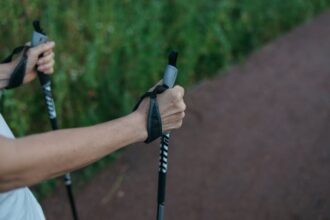
The over-the-counter supplement nicotinamide riboside, a type of vitamin B3, demonstrated significant improvement in walking endurance for patients with peripheral artery disease (PAD), a chronic condition of the legs with limited effective treatments. A preliminary, randomised, double-blind clinical trial by scientists from Northwestern University and the University of Florida revealed that participants who took nicotinamide riboside daily for six months increased their timed walking distance by more than 57 feet compared to those on a placebo. In contrast, participants on the placebo experienced a decline in walking speed, consistent with the progressive nature of PAD affecting walking performance.

“This study suggests nicotinamide riboside could be beneficial for these patients,” noted Christiaan Leeuwenburgh, PhD, a senior author of the trial report and a professor at the University of Florida specialising in physiology and ageing. The collaboration with Mary M. McDermott, M.D., a professor at Northwestern University and an expert in PAD, involved a comprehensive team effort, and their findings were published in the journal Nature Communications on June 13.

Ninety participants, with an average age of 71 and diagnosed with PAD, were recruited for the study to evaluate the effects of nicotinamide riboside. While the supplement has gained popularity in anti-ageing treatments, with U.S. sales exceeding $60 million in 2022, its benefits have been poorly supported by evidence in healthy individuals. Nicotinamide riboside is a precursor to NAD, an essential compound in energy production, enhanced blood flow, and DNA repair processes within the body.

Given that PAD hampers energy generation in muscle cells, McDermott and Leeuwenburgh hypothesised that nicotinamide riboside’s capacity to boost energy production could alleviate walking difficulties associated with the disease. The results supported their hypothesis, demonstrating that participants who adhered to the supplement regimen saw an average increase of 23 feet in their six-minute walking test over six months, while those on placebo experienced a decline of 34 feet. Participants who consistently took at least 75% of the prescribed nicotinamide riboside pills achieved even more significant improvements, adding over 100 feet to their walking distance compared to placebo recipients.

PAD affects more than 8.5 million Americans aged 40 and older, primarily due to arterial fatty deposits compounded by conditions like diabetes and smoking, leading to reduced blood flow to the legs and resultant pain during walking. While supervised walking exercise is the primary therapy for PAD, access to such programmes remains limited for most patients.

Looking ahead, Leeuwenburgh aims to expand their research with more extensive trials focused on PAD patients and to investigate nicotinamide riboside’s impact on walking performance in healthy older adults. “Before recommending nicotinamide riboside for healthy individuals, we must first test its effects in this population,” he emphasised, highlighting the need for further exploration into its broader potential benefits beyond disease-specific contexts.

More information: Mary M. McDermott et al, Nicotinamide riboside for peripheral artery disease: the NICE randomized clinical trial, Nature Communications. DOI: 10.1038/s41467-024-49092-5

Journal information: Nature Communications Provided by University of Florida
TAGGED:anti-ageingarteriesclinical researchmuscle diseasesnicotinamidesphysical exercisevascular diseasesvitamin B3
Share This Article
Email Copy Link Print
Previous Article AI-Powered Portable Thermal Imaging for Breast Cancer Pre-Screening
Next Article Study Reveals Accelerated Ageing of Specific Brain Cells Linked to Alzheimer’s Disease
Leave a Comment

Leave a Reply Cancel reply

Your email address will not be published. Required fields are marked *

Recent Posts

  • Researchers uncover links between infection and ageing through cellular senescence mechanisms
  • Study finds possible connection between brain injuries and suicide risk
  • Nearly 1.6 Million Adults in the UK Turned to Weight Loss Drugs Last Year
  • Targeting senescent brain cells may offer new ways to ease epilepsy symptoms
  • Do circadian rhythms play a role in dementia risk?

Tags

adolescents adverse effects ageing populations aging populations air pollution alzheimer disease amyloids anxiety artificial intelligence atopic dermatitis behavioral psychology biomarkers blood pressure body mass index brain cancer cancer research cardiology cardiovascular disease cardiovascular disorders caregivers children climate change effects clinical research coffee cognitive development cognitive disorders cognitive function cognitive neuroscience cohort studies COVID-19 dementia depression diabetes diets discovery research disease control disease intervention disease prevention diseases and disorders environmental health epidemiology foods food science gender studies geriatrics gerontology gut microbiota health and medicine health care health care costs health care delivery heart disease heart failure home care human brain human health hypertension inflammation insomnia life expectancy life sciences longitudinal studies memory disorders menopause mental health metabolic disorders metabolism mortality rates neurodegenerative diseases neurological disorders neurology neuroscience nursing homes nutrients nutrition obesity older adults parkinsons disease physical exercise population studies preventive medicine psychiatric disorders psychological science psychological stress public health research impact risk assessment risk factors risk reduction skin sleep sleep apnea sleep disorders social interaction social research socioeconomics stress management type 2 diabetes weight loss
January 2026
S M T W T F S
 123
45678910
11121314151617
18192021222324
25262728293031
« Dec    

This website is for information purpose only and is in no way intended to replace the advice, professional medical care, diagnosis or treatment of a doctor, therapist, dietician or nutritionist.

About | Contact | Cookie Policy | Digital Millennium Copyright Act Notice | Disclaimer | Privacy Policy | Terms of Service

You Might Also Like

Living Well

Selenium diminishes the adverse health impacts of mixtures of environmental pollutants

By support
Living Well

Constructing a Framework for Metabolic Health: From Mice to Humans

By support
Living Well

The Real Priorities of Older People Might Surprise You

By support
Brain Health

Maintaining a Healthy Lifestyle Could Mitigate Brain Ageing Linked to Diabetes

By support
Living Well Study
Categories
  • Ageing Well
  • Brain Health
  • Healthy Diets
  • Mental Wellness
  • Physical Wellness
  • Wellness
LivingWellStudy
  • About
  • Contact
  • Cookie Policy
  • Digital Millennium Copyright Act Notice
  • Disclaimer
  • Privacy Policy
  • Terms of Service
Welcome Back!

Sign in to your account

Username or Email Address
Password

Lost your password?