Wednesday, 21 Jan 2026
  • My Feed
  • My Saves
  • History
  • Blog
Living Well Study
  • Blog
  • Ageing Well
  • Brain Health
  • Healthy Diets
  • Physical Wellness
  • Wellness
  • 🔥
  • Wellness
  • older adults
  • Living Well
  • Brain Health
  • public health
  • dementia
  • Ageing Well
  • mental health
  • physical exercise
  • alzheimer disease
Font ResizerAa
Living Well StudyLiving Well Study
  • My Saves
  • My Feed
  • History
Search
  • Pages
    • Home
    • Search Page
  • Personalized
    • Blog
    • My Feed
    • My Saves
    • History
  • Categories
    • Ageing Well
    • Brain Health
    • Healthy Diets
    • Mental Wellness
    • Physical Wellness
    • Wellness
Have an existing account? Sign In
Follow US
© 2022 Foxiz News Network. Ruby Design Company. All Rights Reserved.
Living Well Study > Blog > Wellness > Enhancing Senior Independence: Customized Support for Wearable Technology
Wellness

Enhancing Senior Independence: Customized Support for Wearable Technology

support
Share
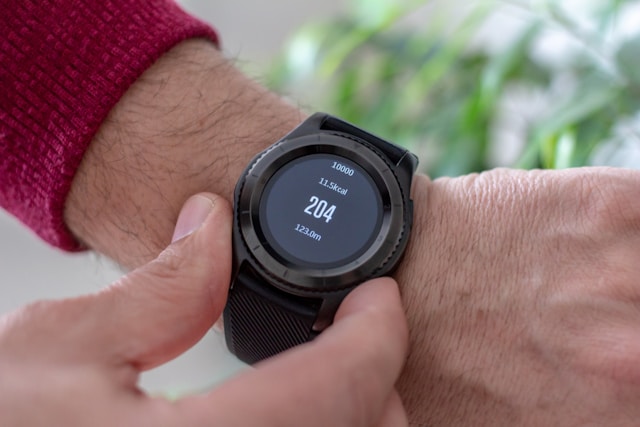
Sports watch - measures the pulse, steps, pace and quality of sleep. Photo by Artur Łuczka on Unsplash.
SHARE

A recent study published in the Journal of Medical Internet Research by JMIR Publications has unveiled that community-dwelling older adults are more inclined to persist in using wearable monitoring devices (WMDs), such as trackers, pedometers, and smartwatches when supported by healthcare professionals or their peers.

The research, conducted by a team from The Hong Kong Polytechnic University under the leadership of Dr Arkers Kwan Ching Wong, analysed data from three randomised controlled trials involving over 150 older adults. The findings revealed that interventions that heightened monitoring awareness and incorporated collaborative goal-setting and feedback mechanisms, notably the SystemCHANGE approach, significantly boosted adherence to WMDs.

Wearable monitoring devices, with their potential to provide crucial health insights, are a significant tool in the care of older adults. However, their sustained use poses challenges, especially for older adults who might struggle with technological intricacies or fail to perceive their benefits. This study emphasises the critical role of personalised support in helping older adults navigate these hurdles and integrate WMDs into their daily lives, thereby optimising the health advantages these devices offer.

Dr. Wong highlighted the essential role of healthcare professionals in promoting the adoption of wearable technologies among older adults. He pointed out that by collaborating with healthcare professionals to establish precise, achievable goals regarding the use of wearables, older adults are more likely to realise the long-term benefits of these technologies. The study suggests that future research should focus on creating and evaluating interventions that prioritise awareness and collaborative goal-setting, offering hope for further improving adherence rates among this demographic.

More information: Colette Sze Wing Chan et al, Effects of Peer- or Professional-Led Support in Enhancing Adherence to Wearable Monitoring Devices Among Community-Dwelling Older Adults: Systematic Review of Randomized Controlled Trials, Journal of Medical Internet Research. DOI: 10.2196/53607

Journal information: Journal of Medical Internet Research Provided by JMIR Publications

TAGGED:ageing populationsgerontologymedical technologywearable devices
Share This Article
Email Copy Link Print
Previous Article Research Reveals Older Adults with Sleep Apnea Face Increased Hospitalization Risk
Next Article A Prolonged Ketogenic Diet Leads to the Accumulation of Senescent Cells in Healthy Tissues, Reveals a Study by UT Health San Antonio
Leave a Comment

Leave a Reply Cancel reply

Your email address will not be published. Required fields are marked *

Recent Posts

  • Concerns grow over faster ageing and dementia risk in survivors of childhood and young adult cancers
  • Researchers uncover links between infection and ageing through cellular senescence mechanisms
  • Study finds possible connection between brain injuries and suicide risk
  • Nearly 1.6 Million Adults in the UK Turned to Weight Loss Drugs Last Year
  • Targeting senescent brain cells may offer new ways to ease epilepsy symptoms

Tags

adolescents adverse effects ageing populations aging populations air pollution alzheimer disease amyloids anxiety artificial intelligence atopic dermatitis behavioral psychology biomarkers blood pressure body mass index brain cancer cancer research cardiology cardiovascular disease cardiovascular disorders caregivers children climate change effects clinical research coffee cognitive development cognitive disorders cognitive function cognitive neuroscience cohort studies COVID-19 dementia depression diabetes diets discovery research disease control disease intervention disease prevention diseases and disorders environmental health epidemiology foods food science gender studies geriatrics gerontology gut microbiota health and medicine health care health care costs health care delivery heart disease heart failure home care human brain human health hypertension inflammation insomnia life expectancy life sciences longitudinal studies memory disorders menopause mental health metabolic disorders metabolism mortality rates neurodegenerative diseases neurological disorders neurology neuroscience nursing homes nutrients nutrition obesity older adults parkinsons disease physical exercise population studies preventive medicine psychiatric disorders psychological science psychological stress public health research impact risk assessment risk factors risk reduction skin sleep sleep apnea sleep disorders social interaction social research socioeconomics stress management type 2 diabetes weight loss
January 2026
S M T W T F S
 123
45678910
11121314151617
18192021222324
25262728293031
« Dec    

This website is for information purpose only and is in no way intended to replace the advice, professional medical care, diagnosis or treatment of a doctor, therapist, dietician or nutritionist.

About | Contact | Cookie Policy | Digital Millennium Copyright Act Notice | Disclaimer | Privacy Policy | Terms of Service

You Might Also Like

Wellness

Nutritional Therapy Outperforms Medication in Managing Irritable Bowel Syndrome

By support
Wellness

Disruption of Blood Flow and Vessel Wall Damage in Aortic Dilation

By support
Public Health

Rising Heat Waves Endanger the Health of Older Adults

By support
Wellness

Innovative drug could help patients with stubborn blood pressure

By support
Living Well Study
Categories
  • Ageing Well
  • Brain Health
  • Healthy Diets
  • Mental Wellness
  • Physical Wellness
  • Wellness
LivingWellStudy
  • About
  • Contact
  • Cookie Policy
  • Digital Millennium Copyright Act Notice
  • Disclaimer
  • Privacy Policy
  • Terms of Service
Welcome Back!

Sign in to your account

Username or Email Address
Password

Lost your password?