Tuesday, 20 Jan 2026
  • My Feed
  • My Saves
  • History
  • Blog
Living Well Study
  • Blog
  • Ageing Well
  • Brain Health
  • Healthy Diets
  • Physical Wellness
  • Wellness
  • 🔥
  • Wellness
  • older adults
  • Living Well
  • Brain Health
  • public health
  • dementia
  • Ageing Well
  • mental health
  • physical exercise
  • alzheimer disease
Font ResizerAa
Living Well StudyLiving Well Study
  • My Saves
  • My Feed
  • History
Search
  • Pages
    • Home
    • Search Page
  • Personalized
    • Blog
    • My Feed
    • My Saves
    • History
  • Categories
    • Ageing Well
    • Brain Health
    • Healthy Diets
    • Mental Wellness
    • Physical Wellness
    • Wellness
Have an existing account? Sign In
Follow US
© 2022 Foxiz News Network. Ruby Design Company. All Rights Reserved.
Living Well Study > Blog > Wellness > Study finds possible connection between brain injuries and suicide risk
Wellness

Study finds possible connection between brain injuries and suicide risk

support
Share
head injury
SHARE

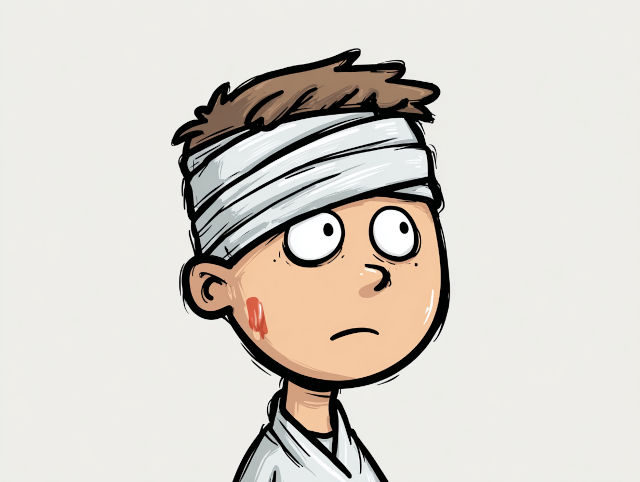
Adults who sustain a head injury face a markedly increased risk of attempting suicide compared with those who have not experienced such injuries, according to a major new study conducted in the UK. The research provides some of the most comprehensive evidence to date that head injuries are associated not only with physical harm, but also with longer-term psychological vulnerability.

The study, published in Neurology, the medical journal of the American Academy of Neurology, was led by researchers at the University of Birmingham. It represents the first population-wide investigation to examine suicide risk across all forms of head injury in the general adult population, rather than focusing narrowly on traumatic brain injuries within military, sporting, or hospital-based groups. By taking this broader approach, the researchers aimed to capture risks that may previously have been underestimated or overlooked.

To achieve this, the team carried out an extensive population-based matched cohort study using nationally representative electronic primary healthcare records from more than 1.8 million adults. These records were linked with Hospital Episode Statistics and data from the Office for National Statistics, allowing the researchers to follow participants’ health outcomes over a period of up to 20 years. This extended follow-up and extensive data linkage provided a robust foundation for analysing patterns of suicide attempts following head injury.

The findings showed that adults with a history of head injury were 21 per cent more likely to attempt suicide than those without such injuries, even after accounting for factors such as age, sex, socioeconomic deprivation, and previous mental health conditions. In practical terms, the incidence rate of suicide attempts was 2.4 per 1,000 person-years among people with head injuries, compared with 1.6 per 1,000 person-years in the matched control group. While the absolute increase in risk was modest, the consistency of the association across a huge population highlights its clinical and public health significance.

Notably, the elevated risk was observed across all subgroups studied, including individuals with no recorded history of mental health conditions. This suggests that head injuries themselves may contribute to psychological distress or vulnerability, independent of pre-existing mental illness. The researchers also found that the risk of suicide attempts was highest during the first 12 months following a head injury, indicating a critical period during which individuals may be particularly in need of monitoring and support.

Professor Nicola Adderley, Professor of Epidemiology and Real-World Evidence at the University of Birmingham and a lead author of the study, emphasised that the consequences of head injuries extend beyond immediate physical symptoms. She noted that such injuries can have profound psychological effects. She argued that suicide risk assessments should be considered for anyone who has recently sustained a head injury, regardless of their prior mental health history, to improve patient safety and outcomes.

Although suicide attempts were more frequent among people with head injuries, the study did not identify a significant increase in deaths by suicide once other competing risks were taken into account. This finding suggests that head injuries may be associated with a higher likelihood of non-fatal attempts rather than an increase in suicide mortality. Nonetheless, given that nearly 6,000 deaths each year in the UK are attributed to suicide and that attempts are far more common, the implications remain serious.

The authors argue that their findings have clear implications for both clinical practice and health policy. They call for routine suicide risk screening in primary and secondary care for patients with head injuries, enhanced mental health support during the first year after injury, and greater public awareness to help families and caregivers recognise warning signs. Further research is also needed to develop and test targeted suicide prevention strategies for people with head injuries, particularly during this high-risk early period.

More information: Tiffany E. Gooden et al, The Risk of Suicide Attempts After Head Injury
A Matched UK Population–Based Cohort Study, Neurology. DOI: 10.1212/WNL.0000000000214474

Journal information: Neurology Provided by University of Birmingham

TAGGED:brain injuriesclinical psychologyhead concussions
Share This Article
Email Copy Link Print
Previous Article Nearly 1.6 Million Adults in the UK Turned to Weight Loss Drugs Last Year
Next Article Researchers uncover links between infection and ageing through cellular senescence mechanisms
Leave a Comment

Leave a Reply Cancel reply

Your email address will not be published. Required fields are marked *

Recent Posts

  • Researchers uncover links between infection and ageing through cellular senescence mechanisms
  • Study finds possible connection between brain injuries and suicide risk
  • Nearly 1.6 Million Adults in the UK Turned to Weight Loss Drugs Last Year
  • Targeting senescent brain cells may offer new ways to ease epilepsy symptoms
  • Do circadian rhythms play a role in dementia risk?

Tags

adolescents adverse effects ageing populations aging populations air pollution alzheimer disease amyloids anxiety artificial intelligence atopic dermatitis behavioral psychology biomarkers blood pressure body mass index brain cancer cancer research cardiology cardiovascular disease cardiovascular disorders caregivers children climate change effects clinical research coffee cognitive development cognitive disorders cognitive function cognitive neuroscience cohort studies COVID-19 dementia depression diabetes diets discovery research disease control disease intervention disease prevention diseases and disorders environmental health epidemiology foods food science gender studies geriatrics gerontology gut microbiota health and medicine health care health care costs health care delivery heart disease heart failure home care human brain human health hypertension inflammation insomnia life expectancy life sciences longitudinal studies memory disorders menopause mental health metabolic disorders metabolism mortality rates neurodegenerative diseases neurological disorders neurology neuroscience nursing homes nutrients nutrition obesity older adults parkinsons disease physical exercise population studies preventive medicine psychiatric disorders psychological science psychological stress public health research impact risk assessment risk factors risk reduction skin sleep sleep apnea sleep disorders social interaction social research socioeconomics stress management type 2 diabetes weight loss
January 2026
S M T W T F S
 123
45678910
11121314151617
18192021222324
25262728293031
« Dec    

This website is for information purpose only and is in no way intended to replace the advice, professional medical care, diagnosis or treatment of a doctor, therapist, dietician or nutritionist.

About | Contact | Cookie Policy | Digital Millennium Copyright Act Notice | Disclaimer | Privacy Policy | Terms of Service

You Might Also Like

Wellness

Immersive VR with Scent: A Novel Approach to Cognitive Health

By support
Wellness

Strong ‘Family’ Connections Are Essential for the Wellbeing of Care Home Staff and Residents

By support
Wellness

Australians surpass their counterparts in affluent English-speaking nations by 1-4 years in lifespan

By support
Wellness

Exploring Pathways to Environmental Restoration: Sustainable Strategies for Cesium Removal from Radioactive Wastewater

By support
Living Well Study
Categories
  • Ageing Well
  • Brain Health
  • Healthy Diets
  • Mental Wellness
  • Physical Wellness
  • Wellness
LivingWellStudy
  • About
  • Contact
  • Cookie Policy
  • Digital Millennium Copyright Act Notice
  • Disclaimer
  • Privacy Policy
  • Terms of Service
Welcome Back!

Sign in to your account

Username or Email Address
Password

Lost your password?