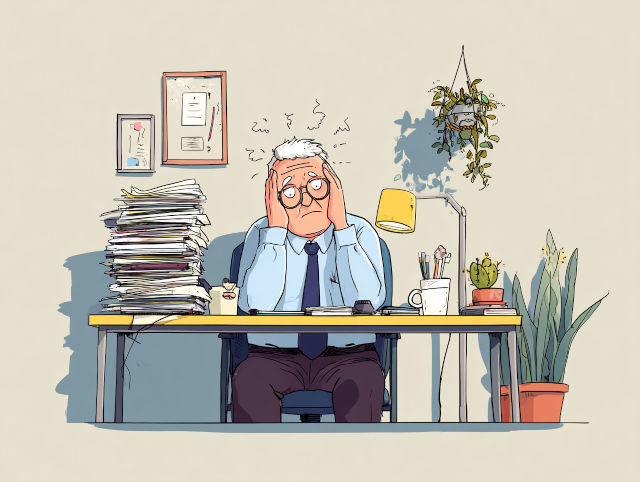
Stress is a constant companion in the oncologist’s office. It emerges at diagnosis, intensifies throughout treatment, and often lingers even after therapy has formally ended. Patients experience it while making difficult treatment decisions, waiting for test results, coping with fears of recurrence, and adjusting to changes in daily life. Research increasingly shows that chronic stress is not merely an emotional burden but can activate biological processes that may promote disease progression while weakening the body’s natural defences.
This perspective is drawn from a systematic review conducted by researchers at Wroclaw Medical University and published in 2026 in the International Journal of Molecular Sciences. The review examined evidence across four types of cancer—breast, prostate, pancreatic, and ovarian—organising findings in relation to five-year survival rates. By synthesising existing studies, the authors sought to understand better how prolonged stress interacts with cancer biology and patient outcomes.
From a biological standpoint, chronic stress represents a sustained strain on the body’s adaptive systems. Unlike a short-term response to an acute challenge, it reflects a prolonged state in which stress-response mechanisms remain continuously activated over weeks or months. In oncology, stress is rarely limited to feelings of anxiety or sadness. It often encompasses social pressures, disruptions to professional life, family responsibilities, and deeper existential concerns. For many patients, a cancer diagnosis requires a profound re-evaluation of identity, life plans, and personal control, all of which contribute to a persistent stress burden.
The review outlines interconnected biological pathways that may link chronic stress to cancer progression. One key mechanism involves prolonged activation of the hypothalamic-pituitary-adrenal axis and the sympathetic nervous system, resulting in elevated levels of cortisol, adrenaline, and noradrenaline. This sustained “alarm state” can promote inflammation while suppressing immune function. Stress hormones also influence immune surveillance, potentially reducing the body’s ability to detect and eliminate cancer cells. At the tissue level, these changes may affect tumour growth, angiogenesis, and the ability of cancer cells to migrate or resist treatment. However, the authors emphasise that while these mechanisms are biologically plausible, it remains challenging to isolate the specific effects of stress in clinical settings, where many overlapping factors are at play.
Importantly, the impact of chronic stress appears to vary across different cancers. In cancers with relatively higher survival rates, such as breast and prostate cancer, stress often manifests as prolonged uncertainty. Patients may live with the disease for years, managing ongoing fears of recurrence and the long-term consequences of treatment. In these cases, biological pathways involving stress hormones have been linked in preclinical studies to processes such as metastasis and treatment response. In contrast, cancers with poorer prognoses, such as pancreatic and ovarian cancer, are more frequently associated with severe psychological distress and depression. In some instances, these symptoms may even precede diagnosis, suggesting a deeper biological interplay involving inflammation and cytokine activity, including elevated levels of markers such as interleukin-6.
The review also highlights the role of psychotherapy as more than emotional support. Psychological interventions have been shown to reduce anxiety and depression, improve quality of life, and influence biological markers associated with stress and inflammation. Nevertheless, the researchers caution against assuming a direct link between psychotherapy and improved survival outcomes. While measurable biological changes have been observed, current evidence does not allow for definitive conclusions about mortality. Furthermore, the benefits of psychological support may diminish over time, underscoring the importance of sustained, rather than short-term, interventions.
Overall, the authors stress that chronic stress should not be viewed as a personal failing but as a clinically relevant factor intertwined with biological processes. Like pain, nutrition, or sleep disturbances, it represents an aspect of patient care that warrants systematic attention. They advocate for integrating psycho-oncology into standard cancer care, including routine screening for distress, timely access to support services, and resources for caregivers. Expanding digital health interventions and ensuring continuity of psychological care are also identified as priorities. In this view, addressing chronic stress is not an optional addition but a necessary component of comprehensive oncology care.
More information: Katarzyna Herbetko et al, The Impact of Chronic Stress on Treatment Outcomes of Cancer Patients with Divergent Survival Rates: A Systematic Review, International Journal of Molecular Sciences. DOI: 10.3390/ijms27020686
Journal information: International Journal of Molecular Sciences Provided by Wroclaw Medical University