Monday, 11 May 2026
  • My Feed
  • My Saves
  • History
  • Blog
Living Well Study
  • Blog
  • Ageing Well
  • Brain Health
  • Healthy Diets
  • Physical Wellness
  • Wellness
  • 🔥
  • Wellness
  • older adults
  • Living Well
  • Brain Health
  • dementia
  • public health
  • Ageing Well
  • alzheimer disease
  • physical exercise
  • mental health
Font ResizerAa
Living Well StudyLiving Well Study
  • My Saves
  • My Feed
  • History
Search
  • Pages
    • Home
    • Search Page
  • Personalized
    • Blog
    • My Feed
    • My Saves
    • History
  • Categories
    • Ageing Well
    • Brain Health
    • Healthy Diets
    • Mental Wellness
    • Physical Wellness
    • Wellness
Have an existing account? Sign In
Follow US
© 2022 Foxiz News Network. Ruby Design Company. All Rights Reserved.
Living Well Study > Blog > Health and Medicine > Falling Temperatures Drive Up Heart-Related Mortality Rates
Health and Medicine

Falling Temperatures Drive Up Heart-Related Mortality Rates

support
Share
older adult, extreme cold
SHARE

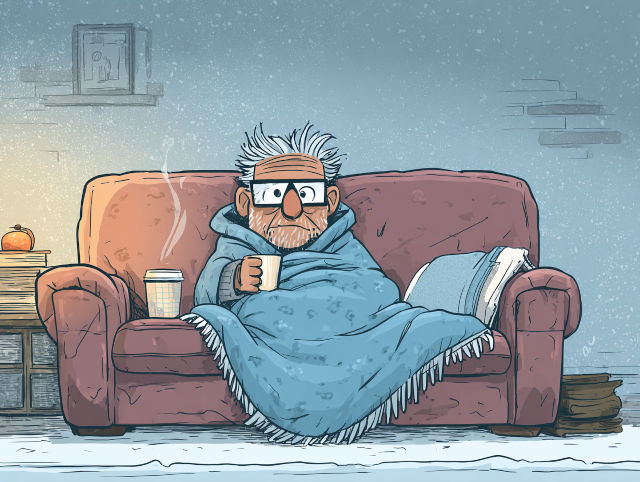
Following one of the coldest winters in recent memory across large parts of the country, new research is drawing attention to a frequently underestimated consequence of low temperatures: a marked rise in cardiovascular deaths. Months characterised by colder weather are associated with significantly higher rates of fatalities from heart attacks, strokes and coronary artery disease compared with milder periods. The study, presented at the American College of Cardiology’s Annual Scientific Session (ACC.26), also found that higher temperatures correspond with increased cardiovascular deaths. However, the effect is considerably less pronounced than that observed in colder conditions.

While earlier studies have established links between extreme temperatures and cardiovascular mortality, much of that research has either focused on populations outside the United States or examined only limited regions within it. For instance, prior work published in the Journal of the American College of Cardiology highlighted an elevated risk of heart attacks during cold weather exposure. The latest study expands on this by offering a far more comprehensive analysis, covering a wide geographic and demographic range across the United States, thereby providing a clearer picture of how temperature variations influence cardiovascular outcomes at scale.

According to the study’s lead author, Pedro Rafael Vieira De Oliveira Salerno, a resident physician at NYC Health + Hospitals/Elmhurst and the Icahn School of Medicine at Mount Sinai, the findings represent a significant advancement in understanding the national burden of temperature-related deaths. For the first time, researchers have been able to quantify the impact of cold weather across most of the United States, revealing that the number of excess deaths linked to lower temperatures is substantial and cannot be overlooked in public health discussions.

The research team analysed monthly temperature data alongside total cardiovascular deaths across 819 locations, representing approximately 80% of the U.S. population aged over 25. Spanning the years 2000 to 2020, the analysis identified an optimal temperature—around 23°C—at which cardiovascular death rates were lowest. Mortality rates increased progressively as temperatures moved either below or above this benchmark, illustrating a clear relationship between environmental conditions and cardiovascular risk.

The pattern observed followed an uneven U-shaped curve, with both extreme cold and extreme heat contributing to higher mortality. However, the increase in deaths was significantly steeper during colder periods. Researchers estimated that cold weather was responsible for approximately 40,000 excess cardiovascular deaths annually, accounting for about 6.3% of such deaths, and totalling around 800,000 over two decades. In contrast, heat-related excess deaths were far fewer, estimated at 2,000 per year, or 40,000 over the same period. Physiologically, cold exposure can trigger inflammatory responses and cause blood vessels to constrict, increasing the likelihood of serious cardiovascular events, particularly among older adults and individuals with chronic conditions.

The findings carry important implications for public health planning, especially in the context of climate change. As chronic illnesses such as diabetes, heart failure and kidney disease become more prevalent, a growing segment of the population may be increasingly vulnerable to temperature extremes. While much attention has been directed towards the dangers of rising heat, the study underscores the need also to address the risks posed by cold weather. Health systems and communities must prepare for seasonal surges in emergency calls and hospital admissions during cold spells, ensuring adequate resources and preventative strategies are in place. Although the study relied on monthly data and population-level analysis, future research aims to examine more granular, real-time associations, including the relationship between temperature fluctuations and emergency medical service activations.

More information: Pedro Rafael Vieira de Oliveira Salerno et al, Cardiovascular disease mortality attributable to monthly non-optimal temperature in the united states: a county-level analysis, American Journal of Preventive Cardiology. DOI: 10.1016/j.ajpc.2026.101514

Journal information: American Journal of Preventive Cardiology Provided by American College of Cardiology

TAGGED:cardiologyclimate change
Share This Article
Email Copy Link Print
Previous Article Ageing and the Breakdown of Proper Cellular Responses
Next Article Hospital-Related Delirium Could Be an Early Warning Sign of Dementia
Leave a Comment

Leave a Reply Cancel reply

Your email address will not be published. Required fields are marked *

Recent Posts

  • Cardiac Structural Impairment Linked to Increased Risk of Long-Term Adverse Health Events and Mortality
  • Hospital-Related Delirium Could Be an Early Warning Sign of Dementia
  • Falling Temperatures Drive Up Heart-Related Mortality Rates
  • Ageing and the Breakdown of Proper Cellular Responses
  • Why Older Adults Face Higher Risks from COVID-19 and Flu

Tags

adolescents adverse effects ageing populations aging populations air pollution alzheimer disease amyloids anxiety artificial intelligence atopic dermatitis behavioral psychology biomarkers blood pressure body mass index brain cancer cancer research cardiology cardiovascular disease cardiovascular disorders caregivers children climate change effects clinical research coffee cognition cognitive development cognitive disorders cognitive function cognitive neuroscience cohort studies COVID-19 dementia depression diabetes diets discovery research disease control disease intervention disease prevention diseases and disorders environmental health epidemiology foods food science gender studies geriatrics gerontology gut microbiota health and medicine health care health care costs health care delivery heart disease heart failure home care human brain human health hypertension inflammation insomnia life expectancy life sciences longitudinal studies memory disorders menopause mental health metabolic disorders metabolism mortality rates neurodegenerative diseases neurological disorders neurology neuroscience nursing homes nutrients nutrition obesity older adults parkinsons disease physical exercise population studies preventive medicine psychiatric disorders psychological science psychological stress public health research impact risk assessment risk factors risk reduction skin sleep sleep apnea sleep disorders social interaction social research socioeconomics type 2 diabetes weight loss
May 2026
S M T W T F S
 12
3456789
10111213141516
17181920212223
24252627282930
31  
« Apr    

This website is for information purpose only and is in no way intended to replace the advice, professional medical care, diagnosis or treatment of a doctor, therapist, dietician or nutritionist.

About | Contact | Cookie Policy | Digital Millennium Copyright Act Notice | Disclaimer | Privacy Policy | Terms of Service

You Might Also Like

Health and Medicine

Workout-triggered protein restores strength to ageing muscles and bones

By support
Health and Medicine

Women experiencing early menopause may face greater risk of dementia, study suggests

By support
Health and Medicine

Cardiac Structural Impairment Linked to Increased Risk of Long-Term Adverse Health Events and Mortality

By support
Health and Medicine

Researchers Find Physical Activity May Restore Brain Health

By support
Living Well Study
Categories
  • Ageing Well
  • Brain Health
  • Healthy Diets
  • Mental Wellness
  • Physical Wellness
  • Wellness
LivingWellStudy
  • About
  • Contact
  • Cookie Policy
  • Digital Millennium Copyright Act Notice
  • Disclaimer
  • Privacy Policy
  • Terms of Service
Welcome Back!

Sign in to your account

Username or Email Address
Password

Lost your password?