Thursday, 2 Apr 2026
  • My Feed
  • My Saves
  • History
  • Blog
Living Well Study
  • Blog
  • Ageing Well
  • Brain Health
  • Healthy Diets
  • Physical Wellness
  • Wellness
  • 🔥
  • Wellness
  • older adults
  • Living Well
  • Brain Health
  • public health
  • dementia
  • Ageing Well
  • physical exercise
  • alzheimer disease
  • mental health
Font ResizerAa
Living Well StudyLiving Well Study
  • My Saves
  • My Feed
  • History
Search
  • Pages
    • Home
    • Search Page
  • Personalized
    • Blog
    • My Feed
    • My Saves
    • History
  • Categories
    • Ageing Well
    • Brain Health
    • Healthy Diets
    • Mental Wellness
    • Physical Wellness
    • Wellness
Have an existing account? Sign In
Follow US
© 2022 Foxiz News Network. Ruby Design Company. All Rights Reserved.
Living Well Study > Blog > Healthy Diets > A Mediterranean diet enhances not only overall health but also fertility
Healthy Diets

A Mediterranean diet enhances not only overall health but also fertility

support
Share
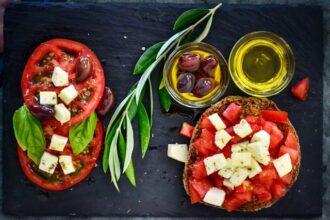
Raw Salmon and ingredients for meal preparation. Photo by David B Townsend on Unsplash.
SHARE

The Mediterranean diet, renowned for its focus on fruits, vegetables, and legumes, has been widely celebrated for its extensive health benefits. Recent studies now indicate that this diet might play a crucial role in enhancing fertility, presenting a non-invasive and cost-effective approach for couples attempting to conceive.

This research, a collaborative effort by Monash University, the University of the Sunshine Coast, and the University of South Australia, reveals that the Mediterranean diet can boost fertility, increase the success rates of assisted reproductive technology (ART), and enhance sperm quality in males.

The study’s core finding is the diet’s anti-inflammatory effects, significantly boosting couples’ likelihood of conception.

Infertility represents a significant global health issue, impacting approximately 48 million couples and 186 million individuals across the globe.

Dr Evangeline Mantzioris, a researcher at UniSA, highlights the importance of preconception nutrition modification as a non-invasive and highly effective method to improve fertility outcomes. She points out the emotional strain couples face when conception does not happen as anticipated. The study explores how an anti-inflammatory diet, like the Mediterranean diet, could positively affect fertility outcomes by examining its influence on factors such as sperm quality, menstrual cycles, and implantation.

The findings reveal that a diet rich in polyunsaturated fats and flavonoids (like those found in leafy greens) and low in red and processed meats can significantly enhance fertility. The Mediterranean diet, predominantly plant-based, includes whole grains, extra virgin olive oil, fruits, vegetables, beans, legumes, nuts, herbs, and spices, as well as moderate amounts of yoghurt, cheese, and lean proteins like fish, chicken, or eggs, with minimal red and processed meat intake.

On the contrary, the Western diet, characterized by high saturated fats, refined carbohydrates, and animal proteins, lacks essential dietary fibre, vitamins, and minerals and is often linked with increased inflammation.

Simon Alesi, a researcher from Monash University, notes the potentially transformative impact understanding the link between anti-inflammatory diets, such as the Mediterranean diet, and fertility could have for individuals looking to start a family. He emphasizes the global recognition of the Mediterranean diet as one of the healthiest, with added benefits for conception and pregnancy being particularly promising.

Adopting a Mediterranean diet represents a non-invasive and economical option that could notably improve fertility issues. While further research is needed, transitioning to this diet enhances overall health. It potentially increases the likelihood of conception, offering hope for couples aspiring to expand their families.

More information: Simon Alesi et al, Anti-Inflammatory Diets in Fertility: An Evidence Review, Nutrients. DOI: 10.3390/nu14193914

Journal information: Nutrients Provided by University of South Australia

TAGGED:dietsinfertilityinflammationolive oilsexual reproduction
Share This Article
Email Copy Link Print
Previous Article The ethical burden, limited resources, and ineffective management lead to the departure of home care workers from their positions
Next Article Exercise applications fail to address the requirements of older adults
Leave a Comment

Leave a Reply Cancel reply

Your email address will not be published. Required fields are marked *

Recent Posts

  • Experts fine-tune genetic maps to trace DNA influences on human traits and disease susceptibility
  • Fall Prevention Clinics: A Smart Investment in Older Adult Health
  • USC research shows early Alzheimer’s brain markers vary across diverse populations
  • Researchers find gut health supplement may help relieve arthritis pain
  • Outages Drive Rise in Emergency Hospital Visits Among Elderly Populations

Tags

adolescents adverse effects ageing populations aging populations air pollution alzheimer disease amyloids anxiety artificial intelligence atopic dermatitis behavioral psychology biomarkers blood pressure body mass index brain cancer cancer research cardiology cardiovascular disease cardiovascular disorders caregivers children climate change effects clinical research coffee cognition cognitive development cognitive disorders cognitive function cognitive neuroscience cohort studies COVID-19 dementia depression diabetes diets discovery research disease control disease intervention disease prevention diseases and disorders environmental health epidemiology foods food science gender studies geriatrics gerontology gut microbiota health and medicine health care health care costs health care delivery heart disease heart failure home care human brain human health hypertension inflammation insomnia life expectancy life sciences longitudinal studies memory disorders menopause mental health metabolic disorders metabolism mortality rates neurodegenerative diseases neurological disorders neurology neuroscience nursing homes nutrients nutrition obesity older adults parkinsons disease physical exercise population studies preventive medicine psychiatric disorders psychological science psychological stress public health research impact risk assessment risk factors risk reduction skin sleep sleep apnea sleep disorders social interaction social research socioeconomics type 2 diabetes weight loss
April 2026
S M T W T F S
 1234
567891011
12131415161718
19202122232425
2627282930  
« Mar    

This website is for information purpose only and is in no way intended to replace the advice, professional medical care, diagnosis or treatment of a doctor, therapist, dietician or nutritionist.

About | Contact | Cookie Policy | Digital Millennium Copyright Act Notice | Disclaimer | Privacy Policy | Terms of Service

You Might Also Like

Brain Health

Mediterranean diet linked to reduced dementia risk

By support
Brain Health

Essential Nutrients Linked to Slower Brain Aging: A Study

By support
Public Health

Ultra-Processed Foods Tied to Elevated Heart and Stroke Risk, FAU Reports

By support
Wellness

Proteins and Fats May Stimulate Insulin Production, Leading to Customized Nutritional Strategies

By support
Living Well Study
Categories
  • Ageing Well
  • Brain Health
  • Healthy Diets
  • Mental Wellness
  • Physical Wellness
  • Wellness
LivingWellStudy
  • About
  • Contact
  • Cookie Policy
  • Digital Millennium Copyright Act Notice
  • Disclaimer
  • Privacy Policy
  • Terms of Service
Welcome Back!

Sign in to your account

Username or Email Address
Password

Lost your password?