
Thursday, 2 Apr 2026
  • My Feed
  • My Saves
  • History
  • Blog
Living Well Study
  • Blog
  • Ageing Well
  • Brain Health
  • Healthy Diets
  • Physical Wellness
  • Wellness
  • 🔥
  • Wellness
  • older adults
  • Living Well
  • Brain Health
  • public health
  • dementia
  • Ageing Well
  • physical exercise
  • alzheimer disease
  • mental health
Font ResizerAa
Living Well StudyLiving Well Study
  • My Saves
  • My Feed
  • History
Search
  • Pages
    • Home
    • Search Page
  • Personalized
    • Blog
    • My Feed
    • My Saves
    • History
  • Categories
    • Ageing Well
    • Brain Health
    • Healthy Diets
    • Mental Wellness
    • Physical Wellness
    • Wellness
Have an existing account? Sign In
Follow US
© 2022 Foxiz News Network. Ruby Design Company. All Rights Reserved.
Living Well Study > Blog > Nature > Basking in the wonders of nature has been demonstrated to decrease inflammation levels
Nature

Basking in the wonders of nature has been demonstrated to decrease inflammation levels

support
Share
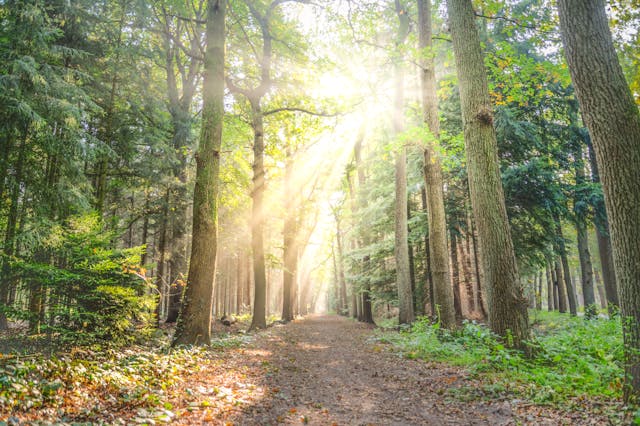
Landscape Photo of Pathway Between Green Leaf Trees. Photo by Skitterphoto: https://www.pexels.com/photo/landscape-photo-of-pathway-between-green-leaf-trees-615348/
SHARE

Fresh findings from Cornell University have illuminated a compelling link between deriving pleasure from nature and a specific biological mechanism – inflammation. Through meticulous investigation, the research unveiled that individuals who frequently positively engage with nature tend to exhibit lower levels of three distinct markers associated with inflammation.

Anthony Ong, a renowned professor of psychology, has underscored the study’s importance in elucidating the biological foundations of nature’s potential health benefits. The research illuminates how such engagement could potentially alleviate diseases linked to chronic inflammation, such as heart disease and diabetes.

The study, which drew data from the second wave of the Midlife in the U.S. (MIDUS) survey, a nationwide health and ageing trend tracker, focused on a cohort of 1,244 participants. This subset, with an average age of 54.5 and comprising 57% women, was surveyed on their frequency of nature exposure and the extent of enjoyment derived from it.

Even after controlling for demographics, health behaviours, medication usage, and overall well-being, Ong’s team observed a consistent association between reduced inflammation levels and frequent positive interactions with nature. This robust finding underscores the potential health benefits of exposure to and enjoyment of nature.

Ong emphasised the synergy between exposure and experience, highlighting that the observed benefits manifest when individuals actively engage with nature and derive pleasure from the experience. He stressed the importance of the quantity and quality of nature engagement in reaping these health rewards.

The research advances our understanding of the physiological effects of natural exposure and underscores the importance of fostering meaningful connections with the natural world for human health and well-being. Supported in part by a grant from the National Institute on Aging, this study represents a significant stride towards comprehending the intricate relationship between nature and human health.

More information: Anthony D. Ong et al, Engagement with nature and proinflammatory biology, Brain Behavior and Immunity. DOI: 10.1016/j.bbi.2024.03.043

Journal information: Brain Behavior and Immunity Provided by Cornell University

TAGGED:behavioral neurosciencechronic inflammationdisease controldisease preventionmental healthpsychiatric disorders
Share This Article
Email Copy Link Print
Previous Article Sedentary behaviour raises the risk of mortality
Next Article A study from NTU Singapore and Duke-NUS finds that older Singaporeans who volunteer perceive an improved quality of life
Leave a Comment

Leave a Reply Cancel reply

Your email address will not be published. Required fields are marked *

Recent Posts

  • Experts fine-tune genetic maps to trace DNA influences on human traits and disease susceptibility
  • Fall Prevention Clinics: A Smart Investment in Older Adult Health
  • USC research shows early Alzheimer’s brain markers vary across diverse populations
  • Researchers find gut health supplement may help relieve arthritis pain
  • Outages Drive Rise in Emergency Hospital Visits Among Elderly Populations

Tags

adolescents adverse effects ageing populations aging populations air pollution alzheimer disease amyloids anxiety artificial intelligence atopic dermatitis behavioral psychology biomarkers blood pressure body mass index brain cancer cancer research cardiology cardiovascular disease cardiovascular disorders caregivers children climate change effects clinical research coffee cognition cognitive development cognitive disorders cognitive function cognitive neuroscience cohort studies COVID-19 dementia depression diabetes diets discovery research disease control disease intervention disease prevention diseases and disorders environmental health epidemiology foods food science gender studies geriatrics gerontology gut microbiota health and medicine health care health care costs health care delivery heart disease heart failure home care human brain human health hypertension inflammation insomnia life expectancy life sciences longitudinal studies memory disorders menopause mental health metabolic disorders metabolism mortality rates neurodegenerative diseases neurological disorders neurology neuroscience nursing homes nutrients nutrition obesity older adults parkinsons disease physical exercise population studies preventive medicine psychiatric disorders psychological science psychological stress public health research impact risk assessment risk factors risk reduction skin sleep sleep apnea sleep disorders social interaction social research socioeconomics type 2 diabetes weight loss
April 2026
S M T W T F S
 1234
567891011
12131415161718
19202122232425
2627282930  
« Mar    

This website is for information purpose only and is in no way intended to replace the advice, professional medical care, diagnosis or treatment of a doctor, therapist, dietician or nutritionist.

About | Contact | Cookie Policy | Digital Millennium Copyright Act Notice | Disclaimer | Privacy Policy | Terms of Service

You Might Also Like

Ageing Well

Face-to-Face Interaction Associated with Reduced Loneliness Among Elderly Adults

By support
Wellness

Therapeutic Interventions Between Children and Parents Offer Biological Healing for Traumatized Youth

By support
Ageing Well

Groundbreaking research shows seniors can bounce back to wellness

By support
Mental Wellness

Study confirms weight training improves symptoms of anxiety and depression in older people

By support
Living Well Study
Categories
  • Ageing Well
  • Brain Health
  • Healthy Diets
  • Mental Wellness
  • Physical Wellness
  • Wellness
LivingWellStudy
  • About
  • Contact
  • Cookie Policy
  • Digital Millennium Copyright Act Notice
  • Disclaimer
  • Privacy Policy
  • Terms of Service
Welcome Back!

Sign in to your account

Username or Email Address
Password

Lost your password?