
Thursday, 2 Apr 2026
  • My Feed
  • My Saves
  • History
  • Blog
Living Well Study
  • Blog
  • Ageing Well
  • Brain Health
  • Healthy Diets
  • Physical Wellness
  • Wellness
  • 🔥
  • Wellness
  • older adults
  • Living Well
  • Brain Health
  • public health
  • dementia
  • Ageing Well
  • physical exercise
  • alzheimer disease
  • mental health
Font ResizerAa
Living Well StudyLiving Well Study
  • My Saves
  • My Feed
  • History
Search
  • Pages
    • Home
    • Search Page
  • Personalized
    • Blog
    • My Feed
    • My Saves
    • History
  • Categories
    • Ageing Well
    • Brain Health
    • Healthy Diets
    • Mental Wellness
    • Physical Wellness
    • Wellness
Have an existing account? Sign In
Follow US
© 2022 Foxiz News Network. Ruby Design Company. All Rights Reserved.
Living Well Study > Blog > Living Well > Exercise and Nutritional Support May Help Reduce Care Dependency in Dementia
Living Well

Exercise and Nutritional Support May Help Reduce Care Dependency in Dementia

support
Share
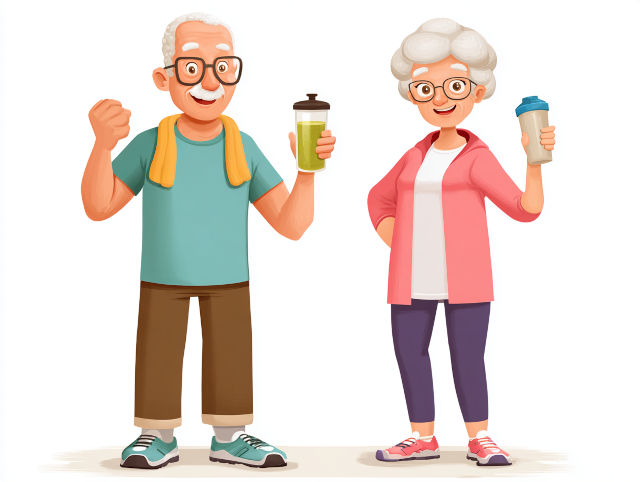
older adults doing exercise and taking nutritional drinks
SHARE

A simple combination of daily physical exercise and protein-rich nutritional drinks may offer meaningful health benefits for people living with dementia. Researchers from Karolinska Institutet report that participants who followed this routine showed improvements in their physical capabilities. After three months, the researchers also observed indications that some individuals were able to manage more everyday tasks independently. The findings were published in the journal Alzheimer’s and Dementia, contributing to growing evidence that relatively straightforward lifestyle interventions can influence health and independence among older adults in care settings.

Older adults who live in residential care facilities frequently face several health challenges, including a higher risk of malnutrition, reduced muscle strength, and increasing frailty. These factors can significantly affect both overall wellbeing and daily functioning. Previous work from the OPEN study has already demonstrated that this programme can improve physical function and support better muscle mass and nutritional status among residents. The latest research builds on those earlier findings by examining whether the same programme also influences the amount of assistance individuals require in their daily routines.

The analysis included 102 residents from eight nursing homes located in the Stockholm region. Participants in the intervention group followed a structured routine for twelve weeks. This routine involved performing short standing exercises several times throughout the day while also consuming one or two protein-enriched nutritional drinks. These drinks were designed to help increase protein intake, which is often insufficient among older adults, particularly those living in care environments where appetite loss or illness can make adequate nutrition difficult to maintain.

Throughout the study period, researchers closely monitored the level of support participants required for routine daily activities. These included personal hygiene, getting dressed, and moving from one place to another within the care facility. Such tasks are commonly used as indicators of functional independence because they reflect how well individuals can manage essential aspects of daily life without assistance. By comparing the intervention group with a control group that did not follow the programme, the researchers aimed to determine whether improvements in physical strength and nutrition translated into practical changes in care needs.

When the research team analysed the results across all residents collectively, they did not observe a clear overall difference between the intervention and control groups. However, a more detailed analysis revealed an interesting pattern once the results were separated according to ward type. Among residents living in dementia units, those who had participated in the exercise and nutrition programme demonstrated improvements in their functional abilities. As a result, they required less time from staff for assistance compared with residents in the control group.

According to Anders Wimo, a researcher at the Department of Neurobiology, Care Sciences and Society at Karolinska Institutet, one possible explanation lies in the physical condition of residents within dementia wards. Some individuals in these units may retain enough physical capacity to respond positively to targeted exercise and nutritional support. When their strength and function improve, they may regain the ability to perform certain tasks independently, which can reduce their reliance on caregivers for everyday activities.

The researchers also note that earlier interviews conducted as part of related sub-studies suggest improved physical function may influence how much help a person needs in various situations. Nevertheless, they emphasise that the current findings should be interpreted cautiously because the analysis was conducted retrospectively as a secondary outcome. Further research is therefore needed, particularly studies designed specifically to measure care time as a primary outcome. Future work should also consider organisational factors, such as staffing levels and workplace routines, which may influence how improvements in residents’ abilities translate into actual changes in care provision.

More information: Anders Wimo et al, Impact of an exercise and nutrition program on caregiver time with residents in institutional care—A secondary analysis, Alzheimer’s & Dementia. DOI: 10.1002/alz.71198

Journal information: Alzheimer’s & Dementia Provided by Karolinska Institutet

TAGGED:nutritionolder adultsphysical exercise
Share This Article
Email Copy Link Print
Previous Article Prenatal Lead Exposure Connected to Lower Cognitive Ability in Adulthood
Next Article New study reveals staffing levels in care homes may help prevent harmful falls
Leave a Comment

Leave a Reply Cancel reply

Your email address will not be published. Required fields are marked *

Recent Posts

  • Experts fine-tune genetic maps to trace DNA influences on human traits and disease susceptibility
  • Fall Prevention Clinics: A Smart Investment in Older Adult Health
  • USC research shows early Alzheimer’s brain markers vary across diverse populations
  • Researchers find gut health supplement may help relieve arthritis pain
  • Outages Drive Rise in Emergency Hospital Visits Among Elderly Populations

Tags

adolescents adverse effects ageing populations aging populations air pollution alzheimer disease amyloids anxiety artificial intelligence atopic dermatitis behavioral psychology biomarkers blood pressure body mass index brain cancer cancer research cardiology cardiovascular disease cardiovascular disorders caregivers children climate change effects clinical research coffee cognition cognitive development cognitive disorders cognitive function cognitive neuroscience cohort studies COVID-19 dementia depression diabetes diets discovery research disease control disease intervention disease prevention diseases and disorders environmental health epidemiology foods food science gender studies geriatrics gerontology gut microbiota health and medicine health care health care costs health care delivery heart disease heart failure home care human brain human health hypertension inflammation insomnia life expectancy life sciences longitudinal studies memory disorders menopause mental health metabolic disorders metabolism mortality rates neurodegenerative diseases neurological disorders neurology neuroscience nursing homes nutrients nutrition obesity older adults parkinsons disease physical exercise population studies preventive medicine psychiatric disorders psychological science psychological stress public health research impact risk assessment risk factors risk reduction skin sleep sleep apnea sleep disorders social interaction social research socioeconomics type 2 diabetes weight loss
April 2026
S M T W T F S
 1234
567891011
12131415161718
19202122232425
2627282930  
« Mar    

This website is for information purpose only and is in no way intended to replace the advice, professional medical care, diagnosis or treatment of a doctor, therapist, dietician or nutritionist.

About | Contact | Cookie Policy | Digital Millennium Copyright Act Notice | Disclaimer | Privacy Policy | Terms of Service

You Might Also Like

Ageing Well

Improving Detection of Home Falls Among Older Adults: Researchers Make Breakthrough

By support
Living Well

Exploring Early Career Work Patterns and Their Long-Term Health Impacts: Beyond the Traditional 9-5

By support
Living Well

Selenium supplementation safeguards against obesity and may prolong lifespan

By support
Living Well

Does attempting to appear younger lessen the amount of ageism faced by older adults?

By support
Living Well Study
Categories
  • Ageing Well
  • Brain Health
  • Healthy Diets
  • Mental Wellness
  • Physical Wellness
  • Wellness
LivingWellStudy
  • About
  • Contact
  • Cookie Policy
  • Digital Millennium Copyright Act Notice
  • Disclaimer
  • Privacy Policy
  • Terms of Service
Welcome Back!

Sign in to your account

Username or Email Address
Password

Lost your password?