Thursday, 2 Apr 2026
  • My Feed
  • My Saves
  • History
  • Blog
Living Well Study
  • Blog
  • Ageing Well
  • Brain Health
  • Healthy Diets
  • Physical Wellness
  • Wellness
  • 🔥
  • Wellness
  • older adults
  • Living Well
  • Brain Health
  • public health
  • dementia
  • Ageing Well
  • physical exercise
  • alzheimer disease
  • mental health
Font ResizerAa
Living Well StudyLiving Well Study
  • My Saves
  • My Feed
  • History
Search
  • Pages
    • Home
    • Search Page
  • Personalized
    • Blog
    • My Feed
    • My Saves
    • History
  • Categories
    • Ageing Well
    • Brain Health
    • Healthy Diets
    • Mental Wellness
    • Physical Wellness
    • Wellness
Have an existing account? Sign In
Follow US
© 2022 Foxiz News Network. Ruby Design Company. All Rights Reserved.
Living Well Study > Blog > Ageing Well > Higher Fall Risk Linked to Dizziness in Elderly Populations
Ageing Well

Higher Fall Risk Linked to Dizziness in Elderly Populations

support
Share
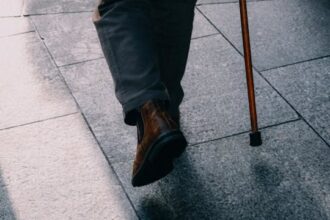
Old Person Walking Near Concrete Building. Photo by Mauricio Artieda: https://www.pexels.com/photo/old-person-walking-near-concrete-building-2179721/
SHARE

Dizziness in older adults, commonly dismissed as a mere symptom of ageing, has been conclusively linked to a significantly increased risk of future falls. A groundbreaking meta-analysis, the first of its kind, has demonstrated a robust correlation between episodes of dizziness and an elevated risk of falling among older adults. Dizziness, which includes sensations like vertigo, imbalance, light-headedness, and disorientation, affects approximately one-third of individuals aged 65 and above. Researchers at Imperial College London have identified dizziness as an independent predictor of fall risk through a comprehensive review and meta-analysis of 29 peer-reviewed studies involving over 103,000 participants. Their findings indicate that elderly individuals who suffer from dizziness are over 60% more likely to fall in the future, with those experiencing dizziness nearly twice as likely to fall multiple times.

Dr Toby Ellmers, from the Centre for Vestibular Neurology at the Department of Brain Sciences at Imperial and the study’s senior author, emphasised the grave implications of these findings. Falls are the leading cause of injury-related deaths among those over 65 and pose a substantial economic burden on healthcare systems. The National Institute for Health and Care Excellence (NICE) reports that falls cost the NHS approximately £2.3 billion annually and account for over 4 million hospital bed days. The impact of falls extends beyond the immediate injuries; they frequently result in hip fractures that severely impair mobility and quality of life, potentially leading to increased institutionalisation and mortality.

The study also highlighted that dizziness should not be considered a normal part of ageing as it often stems from specific, diagnosable, and treatable conditions. Among the most common causes of dizziness in the elderly are Benign Positional Vertigo, where crystals in the inner ear’s balance system become dislodged; orthostatic hypotension, a drop in blood pressure upon standing; and vestibular migraine. These findings underline the importance of proper diagnosis and treatment to prevent the adverse outcomes associated with dizziness.

Dr Ellmers stressed the significance of raising clinician awareness about the risks of dizziness and the need for prompt intervention. He advised that older adults experiencing even non-bothersome dizzy spells should consult their GP to enable early diagnosis and treatment, thus helping to avoid hospital admissions or worse outcomes. This proactive approach could significantly reduce the risk of falls and their severe consequences, emphasising the importance of taking even mild dizziness seriously in older populations.

More information: Yuxiao Li et al, Association between dizziness and future falls and fall-related injuries in older adults: a systematic review and meta-analysis, Age and Ageing. DOI: 10.1093/ageing/afae177

Journal information: Age and Ageing Provided by Imperial College London

TAGGED:older adults
Share This Article
Email Copy Link Print
Previous Article Global Stroke Rates Rise Due to Air Pollution, Heat, and Metabolic Risks; Over 12 Million Cases Annually
Next Article Recent Study Indicates Frequent Mobile Phone Usage May Elevate Cardiovascular Disease Risk in Smokers and Diabetics
Leave a Comment

Leave a Reply Cancel reply

Your email address will not be published. Required fields are marked *

Recent Posts

  • Experts fine-tune genetic maps to trace DNA influences on human traits and disease susceptibility
  • Fall Prevention Clinics: A Smart Investment in Older Adult Health
  • USC research shows early Alzheimer’s brain markers vary across diverse populations
  • Researchers find gut health supplement may help relieve arthritis pain
  • Outages Drive Rise in Emergency Hospital Visits Among Elderly Populations

Tags

adolescents adverse effects ageing populations aging populations air pollution alzheimer disease amyloids anxiety artificial intelligence atopic dermatitis behavioral psychology biomarkers blood pressure body mass index brain cancer cancer research cardiology cardiovascular disease cardiovascular disorders caregivers children climate change effects clinical research coffee cognition cognitive development cognitive disorders cognitive function cognitive neuroscience cohort studies COVID-19 dementia depression diabetes diets discovery research disease control disease intervention disease prevention diseases and disorders environmental health epidemiology foods food science gender studies geriatrics gerontology gut microbiota health and medicine health care health care costs health care delivery heart disease heart failure home care human brain human health hypertension inflammation insomnia life expectancy life sciences longitudinal studies memory disorders menopause mental health metabolic disorders metabolism mortality rates neurodegenerative diseases neurological disorders neurology neuroscience nursing homes nutrients nutrition obesity older adults parkinsons disease physical exercise population studies preventive medicine psychiatric disorders psychological science psychological stress public health research impact risk assessment risk factors risk reduction skin sleep sleep apnea sleep disorders social interaction social research socioeconomics type 2 diabetes weight loss
April 2026
S M T W T F S
 1234
567891011
12131415161718
19202122232425
2627282930  
« Mar    

This website is for information purpose only and is in no way intended to replace the advice, professional medical care, diagnosis or treatment of a doctor, therapist, dietician or nutritionist.

About | Contact | Cookie Policy | Digital Millennium Copyright Act Notice | Disclaimer | Privacy Policy | Terms of Service

You Might Also Like

Living Well

A study from NTU Singapore and Duke-NUS finds that older Singaporeans who volunteer perceive an improved quality of life

By support
Living Well

US POINTER Trial Shows Structured Lifestyle Changes Can Slow Cognitive Decline

By support
Technology

Innovative Ageing Marker Detects Risk of Muscle Loss Before It Starts

By support
Ageing Well

Intellectual Capacity and Physical Well-Being as Predictors of Dementia in Later Years

By support
Living Well Study
Categories
  • Ageing Well
  • Brain Health
  • Healthy Diets
  • Mental Wellness
  • Physical Wellness
  • Wellness
LivingWellStudy
  • About
  • Contact
  • Cookie Policy
  • Digital Millennium Copyright Act Notice
  • Disclaimer
  • Privacy Policy
  • Terms of Service
Welcome Back!

Sign in to your account

Username or Email Address
Password

Lost your password?