Wednesday, 21 Jan 2026
  • My Feed
  • My Saves
  • History
  • Blog
Living Well Study
  • Blog
  • Ageing Well
  • Brain Health
  • Healthy Diets
  • Physical Wellness
  • Wellness
  • 🔥
  • Wellness
  • older adults
  • Living Well
  • Brain Health
  • public health
  • dementia
  • Ageing Well
  • mental health
  • physical exercise
  • alzheimer disease
Font ResizerAa
Living Well StudyLiving Well Study
  • My Saves
  • My Feed
  • History
Search
  • Pages
    • Home
    • Search Page
  • Personalized
    • Blog
    • My Feed
    • My Saves
    • History
  • Categories
    • Ageing Well
    • Brain Health
    • Healthy Diets
    • Mental Wellness
    • Physical Wellness
    • Wellness
Have an existing account? Sign In
Follow US
© 2022 Foxiz News Network. Ruby Design Company. All Rights Reserved.
Living Well Study > Blog > Wellness > Individuals in their nineties who have a fear of falling participate in less physical activity, as reflected by activity tracker data that averages about 3,000 steps daily
Wellness

Individuals in their nineties who have a fear of falling participate in less physical activity, as reflected by activity tracker data that averages about 3,000 steps daily

support
Share
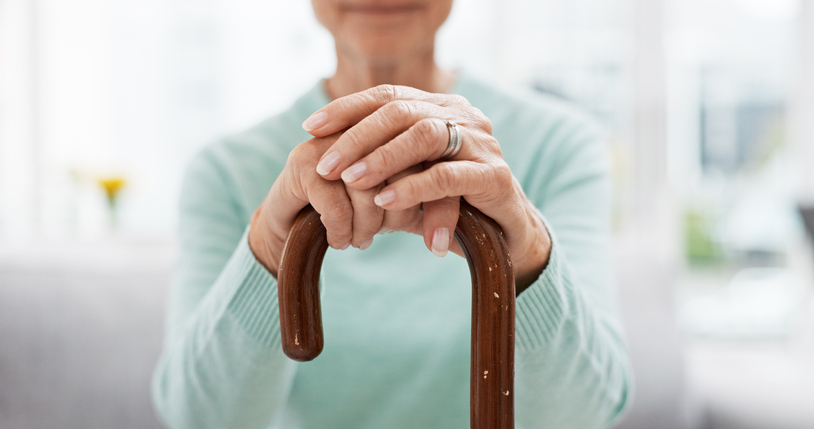
Elderly woman with walking stick on a sofa at senior care facility. Image by Jacob Wackerhausen via iStock
SHARE

This study focused on how very old adults, specifically those in their nineties (nonagenarians), move and spend their time actively or inactively. Researchers wanted to understand how much these older adults move and how their movements relate to their own reports of activity, their body measurements, their social and health status, and how they think and remember things.

A small group of 38 people, averaging 91 years old, wore special watches (accelerometers) that tracked their movements for a week. They also answered questions about their health and did some thinking and memory tests over the phone. The researchers used statistical methods to see how the watches’ data matched what the participants reported about their own activity levels and other personal characteristics.

On average, these older adults took about 2,931 steps daily, spent 11 minutes in activities that got their heart rate up (like brisk walking), and mostly sat or lying down for about 13.6 hours daily. The most common pattern was to have short bursts of activity lasting less than 3 minutes and periods of sitting or being inactive lasting between 20 to 60 minutes. Interestingly, whether someone was a man or a woman didn’t make a difference in these patterns.

The researchers found a good match between what the activity watches recorded and what the participants said about their activity levels. According to the watch data, they also noticed that those with less education, those who felt dizzy, and those who were afraid of falling tended to be less active. Specifically, fear of falling was strongly linked to being less active and spending more time sitting or lying down.

In summary, while most people in their nineties didn’t move around much and spent a lot of time sitting, there was a wide range of activity levels among them. The consistency between what the watches measured and what people reported about their activity was high. According to the watch data, factors like education level, experiencing dizziness, and fear of falling significantly affected how active they were.

More information: Sari Aaltonen et al, Accelerometer-measured physical activity and sedentary behavior in nonagenarians: Associations with self-reported physical activity, anthropometric, sociodemographic, health and cognitive characteristics, PLoS ONE. DOI: 10.1371/journal.pone.0294817

Journal information: PLoS ONE

TAGGED:anthropometryassociative memorycognitive neurosciencehealth and medicinehealth carehuman healthsocial research
Share This Article
Email Copy Link Print
Previous Article What causes the decline in spatial memory among some older adults?
Next Article How can we create societies that serve the needs of both the elderly and the youth?
Leave a Comment

Leave a Reply Cancel reply

Your email address will not be published. Required fields are marked *

Recent Posts

  • Concerns grow over faster ageing and dementia risk in survivors of childhood and young adult cancers
  • Researchers uncover links between infection and ageing through cellular senescence mechanisms
  • Study finds possible connection between brain injuries and suicide risk
  • Nearly 1.6 Million Adults in the UK Turned to Weight Loss Drugs Last Year
  • Targeting senescent brain cells may offer new ways to ease epilepsy symptoms

Tags

adolescents adverse effects ageing populations aging populations air pollution alzheimer disease amyloids anxiety artificial intelligence atopic dermatitis behavioral psychology biomarkers blood pressure body mass index brain cancer cancer research cardiology cardiovascular disease cardiovascular disorders caregivers children climate change effects clinical research coffee cognitive development cognitive disorders cognitive function cognitive neuroscience cohort studies COVID-19 dementia depression diabetes diets discovery research disease control disease intervention disease prevention diseases and disorders environmental health epidemiology foods food science gender studies geriatrics gerontology gut microbiota health and medicine health care health care costs health care delivery heart disease heart failure home care human brain human health hypertension inflammation insomnia life expectancy life sciences longitudinal studies memory disorders menopause mental health metabolic disorders metabolism mortality rates neurodegenerative diseases neurological disorders neurology neuroscience nursing homes nutrients nutrition obesity older adults parkinsons disease physical exercise population studies preventive medicine psychiatric disorders psychological science psychological stress public health research impact risk assessment risk factors risk reduction skin sleep sleep apnea sleep disorders social interaction social research socioeconomics stress management type 2 diabetes weight loss
January 2026
S M T W T F S
 123
45678910
11121314151617
18192021222324
25262728293031
« Dec    

This website is for information purpose only and is in no way intended to replace the advice, professional medical care, diagnosis or treatment of a doctor, therapist, dietician or nutritionist.

About | Contact | Cookie Policy | Digital Millennium Copyright Act Notice | Disclaimer | Privacy Policy | Terms of Service

You Might Also Like

Wellness

The Connection Between Financial Status and Social Isolation in Elderly Individuals

By support
Mental Wellness

Understanding How the Brain Learns from Rewards Could Unlock New Treatments for Depression

By support
Ageing Well

Enhancing dementia care in nursing homes: Insights from the pandemic years

By support
Wellness

Brown Adipose Tissue Enhances Athletic Performance and Supports Healthy Ageing

By support
Living Well Study
Categories
  • Ageing Well
  • Brain Health
  • Healthy Diets
  • Mental Wellness
  • Physical Wellness
  • Wellness
LivingWellStudy
  • About
  • Contact
  • Cookie Policy
  • Digital Millennium Copyright Act Notice
  • Disclaimer
  • Privacy Policy
  • Terms of Service
Welcome Back!

Sign in to your account

Username or Email Address
Password

Lost your password?