
Thursday, 2 Apr 2026
  • My Feed
  • My Saves
  • History
  • Blog
Living Well Study
  • Blog
  • Ageing Well
  • Brain Health
  • Healthy Diets
  • Physical Wellness
  • Wellness
  • 🔥
  • Wellness
  • older adults
  • Living Well
  • Brain Health
  • public health
  • dementia
  • Ageing Well
  • physical exercise
  • alzheimer disease
  • mental health
Font ResizerAa
Living Well StudyLiving Well Study
  • My Saves
  • My Feed
  • History
Search
  • Pages
    • Home
    • Search Page
  • Personalized
    • Blog
    • My Feed
    • My Saves
    • History
  • Categories
    • Ageing Well
    • Brain Health
    • Healthy Diets
    • Mental Wellness
    • Physical Wellness
    • Wellness
Have an existing account? Sign In
Follow US
© 2022 Foxiz News Network. Ruby Design Company. All Rights Reserved.
Living Well Study > Blog > Living Well > Numerous patients with type 2 diabetes are missing vital information that could potentially save their lives regarding their condition
Living Well

Numerous patients with type 2 diabetes are missing vital information that could potentially save their lives regarding their condition

support
Share
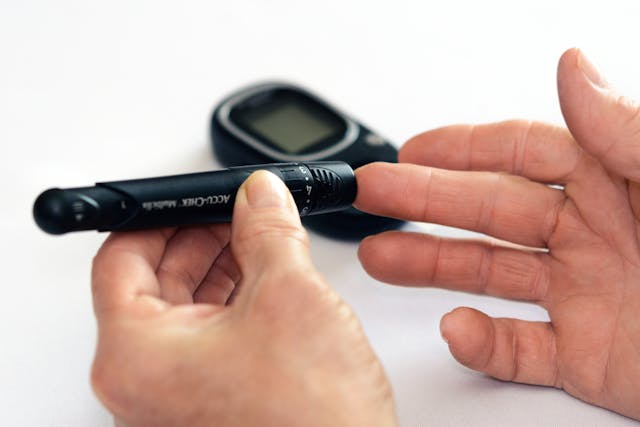
Person doing blood sugar test. Photo by PhotoMIX Company: https://www.pexels.com/photo/person-holding-black-tube-1001897/
SHARE

Type 2 diabetes (T2D), a widespread chronic condition, stems from the body’s inadequate insulin production or utilization. This affliction touches the lives of hundreds of millions globally, making effective disease management essential to sidestep severe long-term repercussions such as heart disease or the necessity for limb amputation. Individuals afflicted with T2D must thoroughly understand how to manage their condition daily.

In Portugal, a group of researchers embarked on a study to ascertain the level of crucial knowledge among T2D patients, whether they were receiving insulin treatment or not. Their research, disseminated in the journal Frontiers in Public Health, aimed to diminish the knowledge disparity among diabetic patients concerning their illness, according to Prof Pedro Lopes Ferreira, the study’s lead author and the director of the University of Coimbra’s Center for Health Studies and Research. Prof Ferreira highlighted the study’s intent to enhance diabetic patients’ understanding of their condition.

The investigation revealed a wide disparity in patients’ knowledge about diabetes. Utilizing a specially designed test for individuals with type 1 or type 2 diabetes, the researchers evaluated knowledge across various domains, including nutrition, symptom recognition, and medication management. The study involved 1,200 people living with diabetes, nearly 40% of whom were undergoing insulin therapy. The remainder of the participants followed specific dietary plans, with some taking non-insulin oral diabetic medications or relying solely on nutritional adjustments.

Findings indicated a substantial portion of participants (71.3%) accurately answered questions related to nutrition, and a vast majority were aware of the benefits of physical activity. Furthermore, over three-quarters of the respondents knew the optimal method for blood sugar testing.

However, the study identified significant knowledge gaps in critical areas. For instance, only a tiny fraction of participants correctly identified foods to avoid for managing low blood sugar levels, and even fewer could correctly identify symptoms of ketoacidosis, a dangerous late-stage complication of T2D.

Prof Lopes Ferreira pointed to the behaviour of health professionals and the focus areas when educating patients as potential causes for this knowledge disparity. The study also found that medication use influenced T2D knowledge, with insulin users showing slightly better knowledge. Socio-demographic factors such as age, education level, living situation, and diet adherence also influenced the variability of disease understanding.

The research underscores the urgent need to improve T2D knowledge, particularly in blood sugar monitoring, to prevent dangerous fluctuations. The study advocates for addressing these knowledge gaps. Further research with a more extensive participant base could provide deeper insights into the socioeconomic and clinical factors influencing disease understanding. Prof Lopes Ferreira hopes the findings will inspire a shift in how health professionals communicate with patients, emphasizing patient education over solely biological indicators of disease management.

More information: Pedro L. Ferreira et al, Knowledge about type 2 diabetes: its impact for future management, Frontiers in Public Health. DOI: 10.3389/fpubh.2024.1328001

Journal information: Frontiers in Public Health Provided by Frontiers

TAGGED:autoimmune disordersdiabeteshealth and medicinehealth care deliveryinsulintype 2 diabetes
Share This Article
Email Copy Link Print
Previous Article Investigating the efficacy of a new pain relief device for managing endometriosis discomfort
Next Article According to the brain, not all itches are the same
Leave a Comment

Leave a Reply Cancel reply

Your email address will not be published. Required fields are marked *

Recent Posts

  • Experts fine-tune genetic maps to trace DNA influences on human traits and disease susceptibility
  • Fall Prevention Clinics: A Smart Investment in Older Adult Health
  • USC research shows early Alzheimer’s brain markers vary across diverse populations
  • Researchers find gut health supplement may help relieve arthritis pain
  • Outages Drive Rise in Emergency Hospital Visits Among Elderly Populations

Tags

adolescents adverse effects ageing populations aging populations air pollution alzheimer disease amyloids anxiety artificial intelligence atopic dermatitis behavioral psychology biomarkers blood pressure body mass index brain cancer cancer research cardiology cardiovascular disease cardiovascular disorders caregivers children climate change effects clinical research coffee cognition cognitive development cognitive disorders cognitive function cognitive neuroscience cohort studies COVID-19 dementia depression diabetes diets discovery research disease control disease intervention disease prevention diseases and disorders environmental health epidemiology foods food science gender studies geriatrics gerontology gut microbiota health and medicine health care health care costs health care delivery heart disease heart failure home care human brain human health hypertension inflammation insomnia life expectancy life sciences longitudinal studies memory disorders menopause mental health metabolic disorders metabolism mortality rates neurodegenerative diseases neurological disorders neurology neuroscience nursing homes nutrients nutrition obesity older adults parkinsons disease physical exercise population studies preventive medicine psychiatric disorders psychological science psychological stress public health research impact risk assessment risk factors risk reduction skin sleep sleep apnea sleep disorders social interaction social research socioeconomics type 2 diabetes weight loss
April 2026
S M T W T F S
 1234
567891011
12131415161718
19202122232425
2627282930  
« Mar    

This website is for information purpose only and is in no way intended to replace the advice, professional medical care, diagnosis or treatment of a doctor, therapist, dietician or nutritionist.

About | Contact | Cookie Policy | Digital Millennium Copyright Act Notice | Disclaimer | Privacy Policy | Terms of Service

You Might Also Like

Living Well

New Research Links Chronic Pain to Micronutrient Deficiencies

By support
Living Well

Modest Adjustments to Diet Could Reduce Carbon Footprint by a Quarter

By support
Ageing Well

How can we create societies that serve the needs of both the elderly and the youth?

By support
Wellness

Fatty Liver Disease Associated with Higher Mortality Risk from Multiple Conditions

By support
Living Well Study
Categories
  • Ageing Well
  • Brain Health
  • Healthy Diets
  • Mental Wellness
  • Physical Wellness
  • Wellness
LivingWellStudy
  • About
  • Contact
  • Cookie Policy
  • Digital Millennium Copyright Act Notice
  • Disclaimer
  • Privacy Policy
  • Terms of Service
Welcome Back!

Sign in to your account

Username or Email Address
Password

Lost your password?