Monday, 18 May 2026
  • My Feed
  • My Saves
  • History
  • Blog
Living Well Study
  • Blog
  • Ageing Well
  • Brain Health
  • Healthy Diets
  • Physical Wellness
  • Wellness
  • 🔥
  • Wellness
  • older adults
  • Living Well
  • Brain Health
  • dementia
  • public health
  • Ageing Well
  • alzheimer disease
  • physical exercise
  • mental health
Font ResizerAa
Living Well StudyLiving Well Study
  • My Saves
  • My Feed
  • History
Search
  • Pages
    • Home
    • Search Page
  • Personalized
    • Blog
    • My Feed
    • My Saves
    • History
  • Categories
    • Ageing Well
    • Brain Health
    • Healthy Diets
    • Mental Wellness
    • Physical Wellness
    • Wellness
Have an existing account? Sign In
Follow US
© 2022 Foxiz News Network. Ruby Design Company. All Rights Reserved.
Living Well Study > Blog > Living Well > Modest Adjustments to Diet Could Reduce Carbon Footprint by a Quarter
Living Well

Modest Adjustments to Diet Could Reduce Carbon Footprint by a Quarter

support
Share
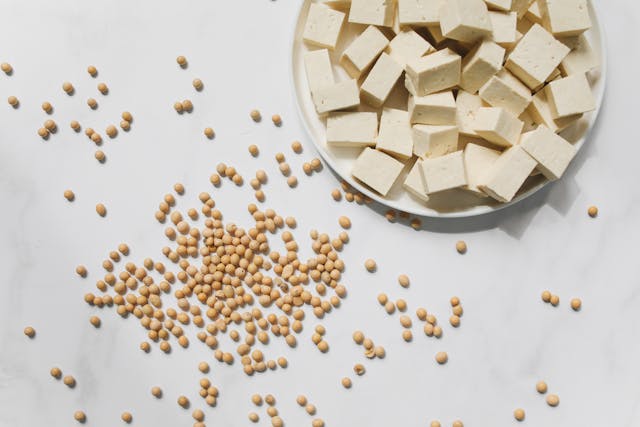
Photo of Tofu on White Ceramic Plate Near Soybeans. Photo by Polina Tankilevitch: https://www.pexels.com/photo/photo-of-tofu-on-white-ceramic-plate-near-soybeans-4518583/
SHARE

A collaborative study between McGill University and the London School of Hygiene & Tropical Medicine has revealed that swapping some animal proteins for plant-based alternatives can extend life expectancy and lower greenhouse gas emissions. Published in Nature Food, this research utilized data from a Canadian national nutrition survey, analyzing dietary patterns to model the health, nutritional, and environmental impacts of replacing 25% to 50% of red and processed meats or dairy products with plant-based proteins such as nuts, seeds, legumes, tofu, and fortified soy beverages.

The findings underscore that minor dietary modifications can have significant ecological benefits. Specifically, replacing half of the red and processed meat consumption with plant-based proteins reduced an individual’s diet-related carbon footprint by 25%. In contrast, replacing dairy products resulted in smaller emission reductions, with a maximum decrease of up to 5%. Olivia Auclair, the study’s lead author and a recent PhD graduate from McGill’s Department of Animal Science, stated that achieving beneficial outcomes for both human and planetary health does not necessarily require drastic dietary changes but can be accomplished through simple partial substitutions.

The research also highlighted gender-specific health benefits of adopting more plant-based diets, traditionally associated with lower risks of heart disease, diabetes, and certain cancers. It is estimated that men could see a doubling in life expectancy gains compared to women if they replace half of their red and processed meat intake with plant proteins. However, replacing dairy with plant proteins showed only modest improvements in life expectancy and introduced a risk of increasing calcium inadequacy by up to 14%.

Senior author Sergio Burgos, Associate Professor at McGill’s Department of Animal Science and a researcher at the Research Institute of McGill University Health Centre, hopes the findings will help consumers make healthier and more sustainable food choices and inform future food policy in Canada. This study provides a practical roadmap for individuals seeking to improve their health and reduce their environmental impact without requiring major dietary overhauls.

Patricia Eustachio Colombo, co-author and Honorary Research Fellow at the London School of Hygiene & Tropical Medicine’s Centre on Climate Change & Planetary Health, emphasized that considerable benefits for health and the environment are achievable with relatively minor changes to the typical Canadian diet. Increasing the consumption of plant-based foods while reducing the intake of red and processed meats can lead to substantial health improvements and a notable reduction in carbon emissions.

As more people turn towards sustainable and health-conscious diets, this study serves as a valuable guide, empowering individuals to make informed choices that benefit both personal well-being and the planet. The implications of such dietary shifts are profound, offering a dual promise of enhanced health and a lighter ecological footprint.

More information: Olivia Auclair et al, Partial substitutions of animal with plant protein foods in Canadian diets have synergies and trade-offs among nutrition, health and climate outcomes, Nature Food. DOI: 10.1038/s43016-024-00925-y

Journal information: Nature Food Provided by McGill University

TAGGED:dietsfood policygreenhouse gaseslife expectancyplant proteins
Share This Article
Email Copy Link Print
Previous Article Does Consuming Red Meat Cause Inflammation?
Next Article How Does the Time of Day You Exercise Impact Your Health?
Leave a Comment

Leave a Reply Cancel reply

Your email address will not be published. Required fields are marked *

Recent Posts

  • Spending Time Outdoors Linked to Higher Life Satisfaction
  • Exercise Could Play a Key Role in Helping People Stop Smoking
  • The Tiny Cellular Framework Behind Brain Development
  • ‘Forever Chemicals’ Found in Nearly Entire US Study Population, Researchers Report
  • Healthy Hearts May Still Face the Risk of Alzheimer’s Disease

Tags

adolescents adverse effects ageing populations aging populations air pollution alzheimer disease amyloids anxiety artificial intelligence atopic dermatitis behavioral psychology biomarkers blood pressure body mass index brain cancer cancer research cardiology cardiovascular disease cardiovascular disorders caregivers children climate change effects clinical research coffee cognition cognitive development cognitive disorders cognitive function cognitive neuroscience cohort studies COVID-19 dementia depression diabetes diets discovery research disease control disease intervention disease prevention diseases and disorders environmental health epidemiology foods food science gender studies geriatrics gerontology gut microbiota health and medicine health care health care costs health care delivery heart disease heart failure home care human brain human health hypertension inflammation insomnia life expectancy life sciences longitudinal studies memory disorders menopause mental health metabolic disorders metabolism mortality rates neurodegenerative diseases neurological disorders neurology neuroscience nursing homes nutrients nutrition obesity older adults parkinsons disease physical exercise population studies preventive medicine psychiatric disorders psychological science psychological stress public health research impact risk assessment risk factors risk reduction skin sleep sleep apnea sleep disorders social interaction social research socioeconomics type 2 diabetes weight loss
May 2026
S M T W T F S
 12
3456789
10111213141516
17181920212223
24252627282930
31  
« Apr    

This website is for information purpose only and is in no way intended to replace the advice, professional medical care, diagnosis or treatment of a doctor, therapist, dietician or nutritionist.

About | Contact | Cookie Policy | Digital Millennium Copyright Act Notice | Disclaimer | Privacy Policy | Terms of Service

You Might Also Like

Wellness

Homeownership in the US Associated with Increased Longevity

By support
Living Well

Research highlights limits of lecture-based learning for older adults

By support
Living Well

Studies show a connection between menstrual cycles, emotions, and sleep patterns in women

By support
Brain Health

Essential Nutrients Linked to Slower Brain Aging: A Study

By support
Living Well Study
Categories
  • Ageing Well
  • Brain Health
  • Healthy Diets
  • Mental Wellness
  • Physical Wellness
  • Wellness
LivingWellStudy
  • About
  • Contact
  • Cookie Policy
  • Digital Millennium Copyright Act Notice
  • Disclaimer
  • Privacy Policy
  • Terms of Service
Welcome Back!

Sign in to your account

Username or Email Address
Password

Lost your password?