Monday, 18 May 2026
  • My Feed
  • My Saves
  • History
  • Blog
Living Well Study
  • Blog
  • Ageing Well
  • Brain Health
  • Healthy Diets
  • Physical Wellness
  • Wellness
  • 🔥
  • Wellness
  • older adults
  • Living Well
  • Brain Health
  • dementia
  • public health
  • Ageing Well
  • alzheimer disease
  • physical exercise
  • mental health
Font ResizerAa
Living Well StudyLiving Well Study
  • My Saves
  • My Feed
  • History
Search
  • Pages
    • Home
    • Search Page
  • Personalized
    • Blog
    • My Feed
    • My Saves
    • History
  • Categories
    • Ageing Well
    • Brain Health
    • Healthy Diets
    • Mental Wellness
    • Physical Wellness
    • Wellness
Have an existing account? Sign In
Follow US
© 2022 Foxiz News Network. Ruby Design Company. All Rights Reserved.
Living Well Study > Blog > Wellness > Psychological Wellness and Exercise: Creating a Positive Feedback Loop
Wellness

Psychological Wellness and Exercise: Creating a Positive Feedback Loop

support
Share
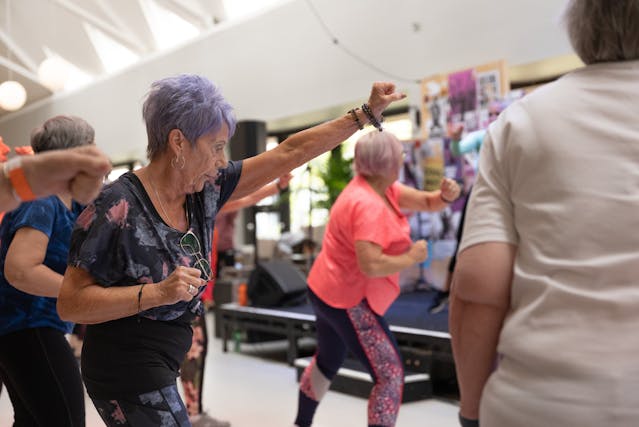
Photo by Centre for Ageing Better: https://www.pexels.com/photo/elderly-women-exercising-21405570/
SHARE

In a compelling study conducted at the Gerontology Research Center and the Faculty of Sport and Health Sciences at the University of Jyväskylä in Finland, researchers found that many individuals aged between 60 and 88 either sustained or even enhanced their physical activity levels during the COVID-19 pandemic restrictions. A key observation was that those who exhibited higher positive affectivity tended to maintain or increase their physical activity consistently. Notably, this correlation was stronger among individuals around 60 than those over 70, as explained by Tiina Savikangas, a postdoctoral researcher.

Despite Finland not enforcing a curfew, older adults faced more stringent restrictions than younger, working-age people. Savikangas suggests that this disparity in restriction severity reduced the influence of positive mental well-being on physical activity among older adults. This points to how social policies and age impact lifestyle behaviours during public health crises.

Past studies have consistently linked physical activity with enhanced mental well-being. However, this recent study posits that mental well-being could also significantly contribute to fostering a physically active lifestyle. Essentially, there is a mutually beneficial cycle where mental well-being and physical activity positively reinforce each other. Savikangas emphasizes, “Mental well-being is an important resource for physical activity,” suggesting that individuals with strong mental health are better equipped to remain active even in exceptional circumstances.

The research further revealed that experiencing depressive symptoms during the pandemic was associated with reduced physical activity levels and a greater tendency to decrease such activities, especially among participants over 70. This finding highlights that different aspects of mental well-being may influence physical activity to varying degrees across various age groups. It underscores the importance of considering age-specific strategies in public health interventions to maintain physical activity.

Savikangas stresses the critical role of supporting mental well-being to promote a physically active lifestyle, particularly during societal emergencies. She advocates not only for strategies aimed at reducing depressive symptoms but also for efforts to strengthen the positive aspects of mental health. The study also concluded that when depressive symptoms were accounted for, there was no significant link between general negative emotions and physical activity. This suggests that depressive symptoms, which can include a broader array of issues such as insomnia and loss of appetite, are a more comprehensive risk factor for reduced physical activity than negative affectivity alone. This insight reinforces the complex relationship between mental health and physical activity, advocating for a holistic approach to health during times of crisis.

More information: Tiina Savikangas et al, The associations of positive and negative mental well-being with physical activity during the COVID-19 across late adulthood, BMC Public Health. DOI: 10.1186/s12889-024-20803-3

Journal information: BMC Public Health Provided by University of Jyväskylä – Jyväskylän yliopisto

TAGGED:behavioral psychologyCOVID-19depressionFeedback loopsgerontologymental healtholder adultsphysical exercise
Share This Article
Email Copy Link Print
Previous Article Unravelling the Mysteries of Our Biological Clock: How Research Bridges Key Aging Theories
Next Article Scientists Discover Unexpected Connection to Stroke Risk
Leave a Comment

Leave a Reply Cancel reply

Your email address will not be published. Required fields are marked *

Recent Posts

  • Spending Time Outdoors Linked to Higher Life Satisfaction
  • Exercise Could Play a Key Role in Helping People Stop Smoking
  • The Tiny Cellular Framework Behind Brain Development
  • ‘Forever Chemicals’ Found in Nearly Entire US Study Population, Researchers Report
  • Healthy Hearts May Still Face the Risk of Alzheimer’s Disease

Tags

adolescents adverse effects ageing populations aging populations air pollution alzheimer disease amyloids anxiety artificial intelligence atopic dermatitis behavioral psychology biomarkers blood pressure body mass index brain cancer cancer research cardiology cardiovascular disease cardiovascular disorders caregivers children climate change effects clinical research coffee cognition cognitive development cognitive disorders cognitive function cognitive neuroscience cohort studies COVID-19 dementia depression diabetes diets discovery research disease control disease intervention disease prevention diseases and disorders environmental health epidemiology foods food science gender studies geriatrics gerontology gut microbiota health and medicine health care health care costs health care delivery heart disease heart failure home care human brain human health hypertension inflammation insomnia life expectancy life sciences longitudinal studies memory disorders menopause mental health metabolic disorders metabolism mortality rates neurodegenerative diseases neurological disorders neurology neuroscience nursing homes nutrients nutrition obesity older adults parkinsons disease physical exercise population studies preventive medicine psychiatric disorders psychological science psychological stress public health research impact risk assessment risk factors risk reduction skin sleep sleep apnea sleep disorders social interaction social research socioeconomics type 2 diabetes weight loss
May 2026
S M T W T F S
 12
3456789
10111213141516
17181920212223
24252627282930
31  
« Apr    

This website is for information purpose only and is in no way intended to replace the advice, professional medical care, diagnosis or treatment of a doctor, therapist, dietician or nutritionist.

About | Contact | Cookie Policy | Digital Millennium Copyright Act Notice | Disclaimer | Privacy Policy | Terms of Service

You Might Also Like

Wellness

Significant Disparities Observed in Home Medical Testing Among Older Adults

By support
Wellness

Liver Transplantation Surpasses Alternative Treatments for Metastatic Colorectal Cancer to the Liver

By support
Wellness

Scientists uncover heart rate indicator linked to accelerated cognitive decline in ageing adults

By support
Wellness

Weight Reduction Affects Risk-Taking Behaviour in Obese Individuals

By support
Living Well Study
Categories
  • Ageing Well
  • Brain Health
  • Healthy Diets
  • Mental Wellness
  • Physical Wellness
  • Wellness
LivingWellStudy
  • About
  • Contact
  • Cookie Policy
  • Digital Millennium Copyright Act Notice
  • Disclaimer
  • Privacy Policy
  • Terms of Service
Welcome Back!

Sign in to your account

Username or Email Address
Password

Lost your password?