
Thursday, 2 Apr 2026
  • My Feed
  • My Saves
  • History
  • Blog
Living Well Study
  • Blog
  • Ageing Well
  • Brain Health
  • Healthy Diets
  • Physical Wellness
  • Wellness
  • 🔥
  • Wellness
  • older adults
  • Living Well
  • Brain Health
  • public health
  • dementia
  • Ageing Well
  • physical exercise
  • alzheimer disease
  • mental health
Font ResizerAa
Living Well StudyLiving Well Study
  • My Saves
  • My Feed
  • History
Search
  • Pages
    • Home
    • Search Page
  • Personalized
    • Blog
    • My Feed
    • My Saves
    • History
  • Categories
    • Ageing Well
    • Brain Health
    • Healthy Diets
    • Mental Wellness
    • Physical Wellness
    • Wellness
Have an existing account? Sign In
Follow US
© 2022 Foxiz News Network. Ruby Design Company. All Rights Reserved.
Living Well Study > Blog > Wellness > Research indicates that orange peel extract could enhance cardiovascular wellness
Wellness

Research indicates that orange peel extract could enhance cardiovascular wellness

support
Share
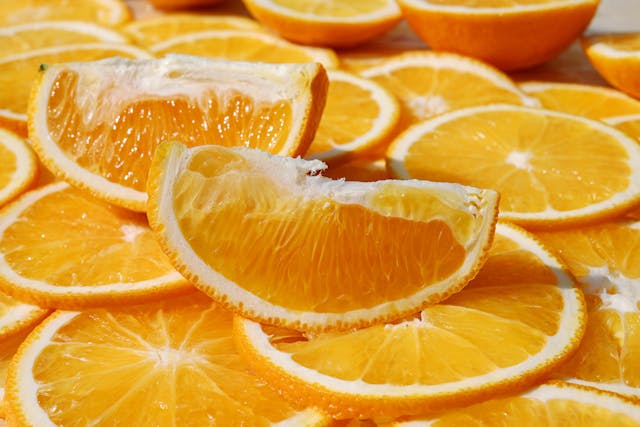
Close-up photo of sliced orange fruits. Photo by Ilo Frey: https://www.pexels.com/photo/close-up-photo-of-sliced-orange-fruits-2661834/
SHARE

Research led by the University of Florida suggests that orange peels are vital in improving cardiovascular health. Heart disease stands as the primary cause of death across a broad spectrum of the population in the U.S., a statistic reinforced by the Centers for Disease Control and Prevention. Highlighting the connection between gut health and heart disease, studies have demonstrated that certain gut bacteria, which produce trimethylamine N-oxide (TMAO) from specific nutrients during digestion, contribute to cardiovascular diseases. High levels of TMAO have been linked to an increased risk of such conditions, according to research conducted by the Cleveland Clinic.

With the support of a $500,000 grant from the USDA, Yu Wang and her team explored how extracts from orange peels, which are rich in beneficial phytochemicals, could mitigate the production of TMAO and trimethylamine (TMA). The research focused on both polar and non-polar extracts of orange peels. Wang explained the extraction process by comparing it to the separation seen in salad dressing: substances soluble in water or vinegar form the polar fraction. At the same time, those that align with oil represent the non-polar fraction. The team used solvents that mirrored water and oil’s polarity to extract these substances.

The study’s results were promising, showing that the non-polar fraction of orange peel extracts effectively inhibited the production of harmful chemicals. Moreover, a compound identified as feruloylputrescine in the polar fraction also significantly reduced the enzyme responsible for TMA production activity. Wang, an associate professor of food science and human nutrition at UF/IFAS, highlighted this as a novel discovery that points to the untapped health potentials of feruloylputrescine in reducing cardiovascular disease risks.

The implications of this research are significant, given the vast quantities of orange peels generated annually by the orange juice industry. Nearly 95% of Florida’s oranges are processed for juice, producing around 5 million tons of orange peels yearly. While approximately half of these peels are currently used to feed cattle, the rest are discarded. Yet, the Food and Drug Administration considers natural orange peel extracts safe for human consumption, which presents a substantial opportunity for repurposing this so-called waste.

Wang envisions transforming these orange peels into valuable health-promoting components, such as dietary supplements or food ingredients, thus pioneering the development of functional foods enriched with bioactive compounds. Such initiatives could pave new pathways for managing and preventing cardiovascular diseases, leveraging the natural benefits of what was once considered a mere industrial byproduct. This approach promotes sustainability and advances the potential for new therapeutic strategies to enhance heart health.

More information: Hana Lee et al, Discovery of a Novel Bioactive Compound in Orange Peel Polar Fraction on the Inhibition of Trimethylamine and Trimethylamine N-Oxide through Metabolomics Approaches and In Vitro and In Vivo Assays: Feruloylputrescine Inhibits Trimethylamine via Suppressing cntA/B Enzyme, Journal of Agricultural and Food Chemistry. DOI: 10.1007/s00394-023-03123-x

Journal information: Journal of Agricultural and Food Chemistry Provided by University of Florida


TAGGED:agriculturecardiovascular disordersfood chemistryfood science
Share This Article
Email Copy Link Print
Previous Article Urban Parks and Waterways Associated with Reduced Coronary Artery Calcification
Next Article Enhancing Gratitude, Resilience, and Well-being Through Increased Sleep
Leave a Comment

Leave a Reply Cancel reply

Your email address will not be published. Required fields are marked *

Recent Posts

  • Experts fine-tune genetic maps to trace DNA influences on human traits and disease susceptibility
  • Fall Prevention Clinics: A Smart Investment in Older Adult Health
  • USC research shows early Alzheimer’s brain markers vary across diverse populations
  • Researchers find gut health supplement may help relieve arthritis pain
  • Outages Drive Rise in Emergency Hospital Visits Among Elderly Populations

Tags

adolescents adverse effects ageing populations aging populations air pollution alzheimer disease amyloids anxiety artificial intelligence atopic dermatitis behavioral psychology biomarkers blood pressure body mass index brain cancer cancer research cardiology cardiovascular disease cardiovascular disorders caregivers children climate change effects clinical research coffee cognition cognitive development cognitive disorders cognitive function cognitive neuroscience cohort studies COVID-19 dementia depression diabetes diets discovery research disease control disease intervention disease prevention diseases and disorders environmental health epidemiology foods food science gender studies geriatrics gerontology gut microbiota health and medicine health care health care costs health care delivery heart disease heart failure home care human brain human health hypertension inflammation insomnia life expectancy life sciences longitudinal studies memory disorders menopause mental health metabolic disorders metabolism mortality rates neurodegenerative diseases neurological disorders neurology neuroscience nursing homes nutrients nutrition obesity older adults parkinsons disease physical exercise population studies preventive medicine psychiatric disorders psychological science psychological stress public health research impact risk assessment risk factors risk reduction skin sleep sleep apnea sleep disorders social interaction social research socioeconomics type 2 diabetes weight loss
April 2026
S M T W T F S
 1234
567891011
12131415161718
19202122232425
2627282930  
« Mar    

This website is for information purpose only and is in no way intended to replace the advice, professional medical care, diagnosis or treatment of a doctor, therapist, dietician or nutritionist.

About | Contact | Cookie Policy | Digital Millennium Copyright Act Notice | Disclaimer | Privacy Policy | Terms of Service

You Might Also Like

Wellness

Emory Study Reveals Higher Heart Disease Rates in Black Women Linked to Childhood Trauma

By support
Wellness

Consistent sleep patterns linked to better recovery outcomes in heart failure, researchers report

By support
Wellness

Cinnamic acid demonstrates potential for paving a new path in the development of hair growth treatments

By support
Wellness

Driving Behaviour in Older Adults with Major Depressive Disorder

By support
Living Well Study
Categories
  • Ageing Well
  • Brain Health
  • Healthy Diets
  • Mental Wellness
  • Physical Wellness
  • Wellness
LivingWellStudy
  • About
  • Contact
  • Cookie Policy
  • Digital Millennium Copyright Act Notice
  • Disclaimer
  • Privacy Policy
  • Terms of Service
Welcome Back!

Sign in to your account

Username or Email Address
Password

Lost your password?