Thursday, 2 Apr 2026
  • My Feed
  • My Saves
  • History
  • Blog
Living Well Study
  • Blog
  • Ageing Well
  • Brain Health
  • Healthy Diets
  • Physical Wellness
  • Wellness
  • 🔥
  • Wellness
  • older adults
  • Living Well
  • Brain Health
  • public health
  • dementia
  • Ageing Well
  • physical exercise
  • alzheimer disease
  • mental health
Font ResizerAa
Living Well StudyLiving Well Study
  • My Saves
  • My Feed
  • History
Search
  • Pages
    • Home
    • Search Page
  • Personalized
    • Blog
    • My Feed
    • My Saves
    • History
  • Categories
    • Ageing Well
    • Brain Health
    • Healthy Diets
    • Mental Wellness
    • Physical Wellness
    • Wellness
Have an existing account? Sign In
Follow US
© 2022 Foxiz News Network. Ruby Design Company. All Rights Reserved.
Living Well Study > Blog > Physical Wellness > Self-monitoring enhances the physical activity levels of older adults requiring care
Physical Wellness

Self-monitoring enhances the physical activity levels of older adults requiring care

support
Share
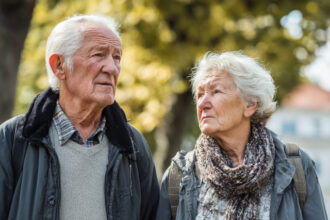
Older adults walking. Photo by Richard Sagredo on Unsplash
SHARE

Monitoring one’s physical activity through using accelerometers and receiving feedback has proven to be an effective strategy for enhancing the physical activity levels among elderly individuals who require ongoing support. This groundbreaking revelation comes from a study conducted by Kobe University, marking the first time evidence has been provided to show that simple, safe methods can significantly improve physical activity in this group. Such improvements are anticipated to be crucial in preventing severe illnesses and reducing the financial burden associated with long-term care.

The importance of increasing physical movement, specifically taking more steps and reducing sedentary time, is well-documented for its positive effects on preventing numerous noncommunicable diseases, including heart disease, diabetes, and stroke, especially among the elderly who rely on long-term care. This demographic is known to be less active, taking fewer steps, and spending more time seated compared to their healthier counterparts, thus facing a higher risk of illness that can degrade their quality of life and exert pressure on healthcare resources. Despite existing knowledge that self-monitoring can boost physical activity among older adults, its effectiveness has not been previously confirmed for those at greater risk.

Kobe University health scientists Kazuhiro Izawa and Masahiro Kitamura addressed the gap through a study involving 52 participants from a daycare centre in Japan. The research compared the effects of self-monitoring physical activity. Participants were educated about the benefits of increased activity and instructed to use accelerometers to log their movement. Those in the intervention group also kept daily activity records and received weekly feedback and advice.

Published in European Geriatric Medicine, the findings revealed that the intervention group exhibited more physical activity, including taking more steps, spending less time sitting, and engaging in more light physical activities. This study is particularly novel for including metrics on sedentary behaviour alongside traditional step counts, offering insights into how reducing sitting time can complement efforts to increase overall activity levels.

However, the study’s five-week duration was noted as a limitation for observing long-term health benefits, suggesting the need for future research with larger participant groups and extended follow-ups to understand and thoroughly verify the long-term effectiveness of such interventions.

This research underscores the feasibility and effectiveness of simple interventions to improve physical activity among older adults needing care. It lays a foundation for future studies to enhance care prevention strategies through self-monitoring techniques. With further investigation, these methods can be refined and expanded to support better the health and well-being of older adults requiring assistance.

More information: Masahiro Kitamura et al, Effects of self-monitoring using an accelerometer on physical activity of older people with long-term care insurance in Japan: a randomized controlled trial, European Geriatric Medicine. DOI: 10.1007/s41999-024-00935-w

Journal information: European Geriatric Medicine Provided by Kobe University

TAGGED:disease preventiongerontologyhealth care deliveryolder adultsphysical exercise
Share This Article
Email Copy Link Print
Previous Article The Mediterranean diet is a simple option to boost IVF success among numerous nutritional strategies
Next Article How music may safeguard against cognitive deterioration
Leave a Comment

Leave a Reply Cancel reply

Your email address will not be published. Required fields are marked *

Recent Posts

  • Experts fine-tune genetic maps to trace DNA influences on human traits and disease susceptibility
  • Fall Prevention Clinics: A Smart Investment in Older Adult Health
  • USC research shows early Alzheimer’s brain markers vary across diverse populations
  • Researchers find gut health supplement may help relieve arthritis pain
  • Outages Drive Rise in Emergency Hospital Visits Among Elderly Populations

Tags

adolescents adverse effects ageing populations aging populations air pollution alzheimer disease amyloids anxiety artificial intelligence atopic dermatitis behavioral psychology biomarkers blood pressure body mass index brain cancer cancer research cardiology cardiovascular disease cardiovascular disorders caregivers children climate change effects clinical research coffee cognition cognitive development cognitive disorders cognitive function cognitive neuroscience cohort studies COVID-19 dementia depression diabetes diets discovery research disease control disease intervention disease prevention diseases and disorders environmental health epidemiology foods food science gender studies geriatrics gerontology gut microbiota health and medicine health care health care costs health care delivery heart disease heart failure home care human brain human health hypertension inflammation insomnia life expectancy life sciences longitudinal studies memory disorders menopause mental health metabolic disorders metabolism mortality rates neurodegenerative diseases neurological disorders neurology neuroscience nursing homes nutrients nutrition obesity older adults parkinsons disease physical exercise population studies preventive medicine psychiatric disorders psychological science psychological stress public health research impact risk assessment risk factors risk reduction skin sleep sleep apnea sleep disorders social interaction social research socioeconomics type 2 diabetes weight loss
April 2026
S M T W T F S
 1234
567891011
12131415161718
19202122232425
2627282930  
« Mar    

This website is for information purpose only and is in no way intended to replace the advice, professional medical care, diagnosis or treatment of a doctor, therapist, dietician or nutritionist.

About | Contact | Cookie Policy | Digital Millennium Copyright Act Notice | Disclaimer | Privacy Policy | Terms of Service

You Might Also Like

Ageing Well

Proper Hydration Connected to Healthy Ageing

By support
Brain Health

Essential Nutrients Linked to Slower Brain Aging: A Study

By support
Brain Health

Parkinson’s disease in older adults is linked to increased brain amyloid without dementia

By support
Mental Wellness

Study confirms weight training improves symptoms of anxiety and depression in older people

By support
Living Well Study
Categories
  • Ageing Well
  • Brain Health
  • Healthy Diets
  • Mental Wellness
  • Physical Wellness
  • Wellness
LivingWellStudy
  • About
  • Contact
  • Cookie Policy
  • Digital Millennium Copyright Act Notice
  • Disclaimer
  • Privacy Policy
  • Terms of Service
Welcome Back!

Sign in to your account

Username or Email Address
Password

Lost your password?