Wednesday, 21 Jan 2026
  • My Feed
  • My Saves
  • History
  • Blog
Living Well Study
  • Blog
  • Ageing Well
  • Brain Health
  • Healthy Diets
  • Physical Wellness
  • Wellness
  • 🔥
  • Wellness
  • older adults
  • Living Well
  • Brain Health
  • public health
  • dementia
  • Ageing Well
  • mental health
  • physical exercise
  • alzheimer disease
Font ResizerAa
Living Well StudyLiving Well Study
  • My Saves
  • My Feed
  • History
Search
  • Pages
    • Home
    • Search Page
  • Personalized
    • Blog
    • My Feed
    • My Saves
    • History
  • Categories
    • Ageing Well
    • Brain Health
    • Healthy Diets
    • Mental Wellness
    • Physical Wellness
    • Wellness
Have an existing account? Sign In
Follow US
© 2022 Foxiz News Network. Ruby Design Company. All Rights Reserved.
Living Well Study > Blog > Brain Health > Study Reveals Accelerated Ageing of Specific Brain Cells Linked to Alzheimer’s Disease
Brain Health

Study Reveals Accelerated Ageing of Specific Brain Cells Linked to Alzheimer’s Disease

support
Share
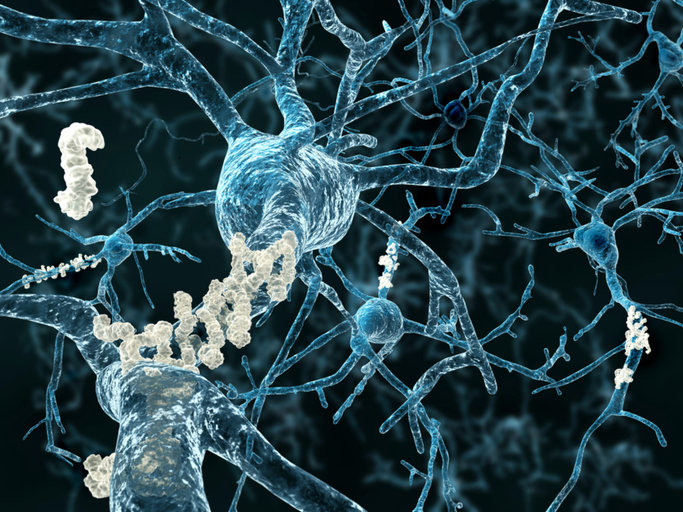
Amyloid plaques on axons of neurons affected by Alzheimer's disease. Image by selvanegra via iStock.
SHARE

University of California San Diego engineers have uncovered significant insights into brain cell aging and its implications for Alzheimer’s disease. Their research, published in Nature, utilised the revolutionary MUSIC (multinucleic acid interaction mapping in single cells) technique. This groundbreaking approach delved into the molecular complexities within individual brain cells, offering unprecedented insights into how these dynamics change as brain cells age.

The study, spearheaded by Professor Sheng Zhong from the UC San Diego Jacobs School of Engineering, highlighted a striking finding: specific brain cells exhibit accelerated ageing processes, particularly in individuals affected by Alzheimer’s disease. Notably, the research unveiled sex-specific disparities in ageing patterns, with the female cortex demonstrating a higher prevalence of “old” oligodendrocytes compared to “old” neurons, contrasting with observations in the male cortex.

MUSIC proved instrumental in these discoveries by enabling researchers to analyse postmortem brain samples, specifically from human frontal cortex tissues. Samples were sourced from 14 donors aged 59 years and older, encompassing Alzheimer’s-afflicted individuals and healthy counterparts. This meticulous analysis revealed distinct patterns of chromatin-RNA interactions across various brain cell types. Remarkably, cells exhibiting fewer short-range chromatin interactions tended to show signs of ageing and Alzheimer’s disease pathology.

“This transformative single-cell technology allowed us to identify discrepancies in cellular ageing,” remarked Professor Zhong, underscoring how Alzheimer’s patients displayed more of these aged brain cells than healthy controls.

The implications of this research are profound, suggesting potential avenues for targeted therapeutic interventions. By identifying dysregulated genes within these aged cells and elucidating their roles in local chromatin structures, researchers hope to pinpoint novel therapeutic targets. Xingzhao Wen, a bioinformatics Ph.D. candidate involved in the study, underscored the potential of these findings: understanding the functions of these dysregulated genes could pave the way for innovative treatments aimed at mitigating brain aging and combating neurodegenerative diseases.

Moreover, the study illuminated gender-specific nuances in brain cell ageing dynamics. In female mice, the cortex exhibited a disproportionately higher ratio of aged oligodendrocytes relative to aged neurons. Oligodendrocytes play a crucial role in neuronal insulation and function maintenance; thus, their increased prevalence in an aged state could potentially exacerbate cognitive decline and contribute to heightened susceptibility to neurodegenerative disorders among women. This finding underscores the urgency of addressing gender disparities in neurodegenerative diseases.

“This finding sheds new light on the elevated risks of neurodegenerative conditions observed in women,” noted Wen, highlighting the need for further research to elucidate the underlying mechanisms driving these sex-specific disparities.

Looking ahead, the team aims to refine the MUSIC technique further to identify specific regulatory genes and gene circuits responsible for accelerated ageing in distinct brain cell populations. By understanding these mechanisms in greater detail, they hope to devise strategies to mitigate brain ageing and develop targeted therapies for Alzheimer’s disease and related conditions.

The implications of this research are profound, offering a new paradigm for understanding brain ageing and neurodegenerative diseases. By harnessing the power of MUSIC and similar cutting-edge technologies, scientists are poised to unlock unprecedented insights into the molecular underpinnings of Alzheimer’s disease, potentially transforming how we diagnose, treat, and ultimately prevent cognitive decline associated with ageing. Professor Zhong aptly summarised, “This technology has the potential to revolutionise our understanding of Alzheimer’s pathology and pave the way for personalised therapeutic strategies aimed at improving patient outcomes.”

More information: Xingzhao Wen et al, Single-cell multiplex chromatin and RNA interactions in ageing human brain, Nature. DOI: 10.1038/s41586-024-07239-w

Journal information: Nature Provided by University of California San Diego

TAGGED:alzheimer diseasecerebral cortexgenetic interactionmolecular mappingoligodendrocytes
Share This Article
Email Copy Link Print
Previous Article Enhanced Walking Ability in Peripheral Artery Disease Patients with Over-the-Counter Supplement
Next Article Implementing Mindfulness Practices in the Workplace to Mitigate Stress and Burnout
Leave a Comment

Leave a Reply Cancel reply

Your email address will not be published. Required fields are marked *

Recent Posts

  • Researchers uncover links between infection and ageing through cellular senescence mechanisms
  • Study finds possible connection between brain injuries and suicide risk
  • Nearly 1.6 Million Adults in the UK Turned to Weight Loss Drugs Last Year
  • Targeting senescent brain cells may offer new ways to ease epilepsy symptoms
  • Do circadian rhythms play a role in dementia risk?

Tags

adolescents adverse effects ageing populations aging populations air pollution alzheimer disease amyloids anxiety artificial intelligence atopic dermatitis behavioral psychology biomarkers blood pressure body mass index brain cancer cancer research cardiology cardiovascular disease cardiovascular disorders caregivers children climate change effects clinical research coffee cognitive development cognitive disorders cognitive function cognitive neuroscience cohort studies COVID-19 dementia depression diabetes diets discovery research disease control disease intervention disease prevention diseases and disorders environmental health epidemiology foods food science gender studies geriatrics gerontology gut microbiota health and medicine health care health care costs health care delivery heart disease heart failure home care human brain human health hypertension inflammation insomnia life expectancy life sciences longitudinal studies memory disorders menopause mental health metabolic disorders metabolism mortality rates neurodegenerative diseases neurological disorders neurology neuroscience nursing homes nutrients nutrition obesity older adults parkinsons disease physical exercise population studies preventive medicine psychiatric disorders psychological science psychological stress public health research impact risk assessment risk factors risk reduction skin sleep sleep apnea sleep disorders social interaction social research socioeconomics stress management type 2 diabetes weight loss
January 2026
S M T W T F S
 123
45678910
11121314151617
18192021222324
25262728293031
« Dec    

This website is for information purpose only and is in no way intended to replace the advice, professional medical care, diagnosis or treatment of a doctor, therapist, dietician or nutritionist.

About | Contact | Cookie Policy | Digital Millennium Copyright Act Notice | Disclaimer | Privacy Policy | Terms of Service

You Might Also Like

Brain Health

Associations Between Gut Microbiota, Food Insecurity, and Cognitive Decline Risk in Adults

By support
Brain Health

Recent Study Reveals Cellular Routes to Alzheimer’s and Divergent Brain Ageing

By support
Brain Health

Age-related energy deficits in midbrain neurons may underlie Parkinson’s disease

By support
Brain Health

Exploring the Potential of Stool Transplants in Parkinson’s Disease Treatment

By support
Living Well Study
Categories
  • Ageing Well
  • Brain Health
  • Healthy Diets
  • Mental Wellness
  • Physical Wellness
  • Wellness
LivingWellStudy
  • About
  • Contact
  • Cookie Policy
  • Digital Millennium Copyright Act Notice
  • Disclaimer
  • Privacy Policy
  • Terms of Service
Welcome Back!

Sign in to your account

Username or Email Address
Password

Lost your password?